







Search Results for: hybrid store
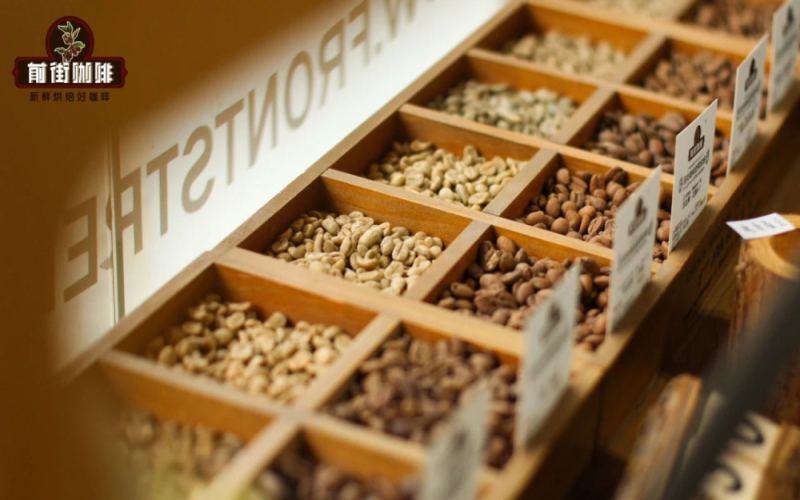
The Origin and Flavor Code of Arabica Coffee Beans: A Full Analysis from Variety Characteristics to Common Subspecies and Hybrids
Why can Arabica coffee beans become synonymous with specialty coffee? From the perspective of Front Street Coffee, this article systematically sorts out the core differences between Arabica and Robusta in flavor, growing conditions, and caffeine content, and introduces one by one the origins and flavor characteristics of common Arabica-derived subspecies and hybrid varieties such as Typica, Bourbon, Caturra, Geisha, Catimor, and SL28. It also includes the producing regions, altitudes, processing methods, and flavor descriptions of several representative coffee beans in Front Street Coffee stores, helping coffee enthusiasts fully understand the Arabica variety system so they can more accurately select coffee beans that match their personal preferences. [more…]
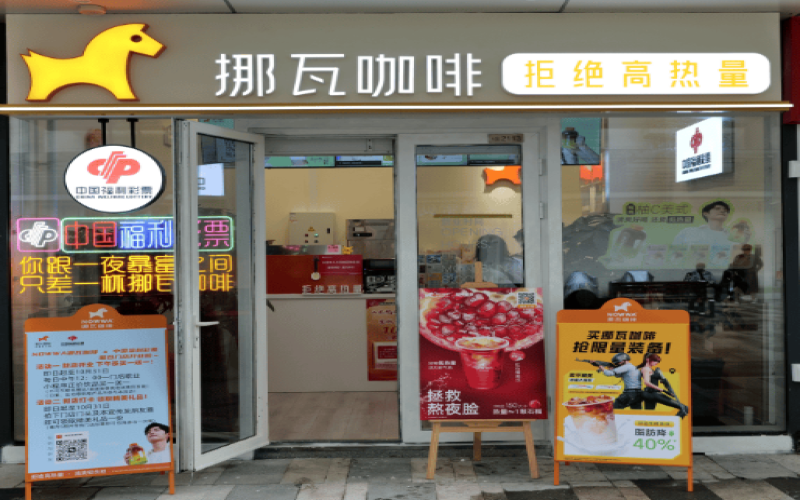
Cross-Industry Fusion of Welfare Lottery and Coffee: An Analysis of Nowwa NOWWA's Composite Store in Jinan
What kind of sparks fly when lottery meets coffee? In Jinan, Shandong, Nowwa Coffee has opened a "Welfare Lottery + Coffee" hybrid store, cleverly combining lottery products such as scratch cards and Double Color Ball with beverages like coffee and light milk tea. This grab-and-go store not only continues the brand's signature orange pony element, but also draws in customers of different age groups through lottery traffic. Back in April this year, Nowwa Coffee launched a custom "Pony Scratch Card," which drove a 63% month-on-month increase in sales of its gallon-sized buckets. Can this deep cooperation with the Welfare Lottery become a breakthrough move in the fierce competition of the tea beverage market? Let's take a closer look. [more…]

HeFu Noodle makes a cross-industry foray into the coffee sector, launching the Pick ME coffee and hot food hybrid brand
There is another new case of a domestic food and beverage brand crossing into coffee. Hefu Lao Mian has officially announced its coffee brand "Pick ME no Coffee & Hot Food" and has intensively applied for related trademarks, from "Hefu Yibei Coffee" to "CAFE PICK ME Coffee Convenience Store," making frequent moves. The brand is positioned to provide young people and office workers with good-tasting, affordable coffee, paired with quality hot food, in an attempt to create a new coffee consumption scenario. At the same time, brands such as Xtep and Nayuki Tea have also recently entered the coffee track, making cross-industry competition increasingly fierce. This article sorts out the details of Hefu Lao Mian's coffee layout and includes boutique bean information channels such as Front Street Coffee for coffee lovers' reference. [more…]
An In-Depth Look at the Two Mainstream Coffee Bean Varieties: Characteristics of Arabica and Robusta, Common Arabica Sub-Varieties, and Hybrid Breeding
In the global coffee-growing landscape, origins such as Brazil, Colombia, and Indonesia each have their own renown, while botanically coffee belongs to the Rubiaceae family under the genus Coffea, with over a hundred known species, though commercial cultivation is mainly concentrated in three varieties: Arabica, Robusta, and Liberica. Arabica is known for its elegant flavors and rich aromas, accounting for more than seventy percent of global production, and is often used for single-origin and specialty coffee; Robusta, on the other hand, is heat-tolerant, high-yielding, and highly stress-resistant, and is mostly used for instant coffee and espresso blends. This article systematically reviews the advantages and disadvantages of these two major varieties, the origins and flavor characteristics of common Arabica sub-varieties such as Typica, Bourbon, Catimor, and Maragogype, and introduces the Castillo variety bred from a cross between Arabica and Robusta, while also sharing related product experiences from Front Street Coffee in stores and during cupping. [more…]
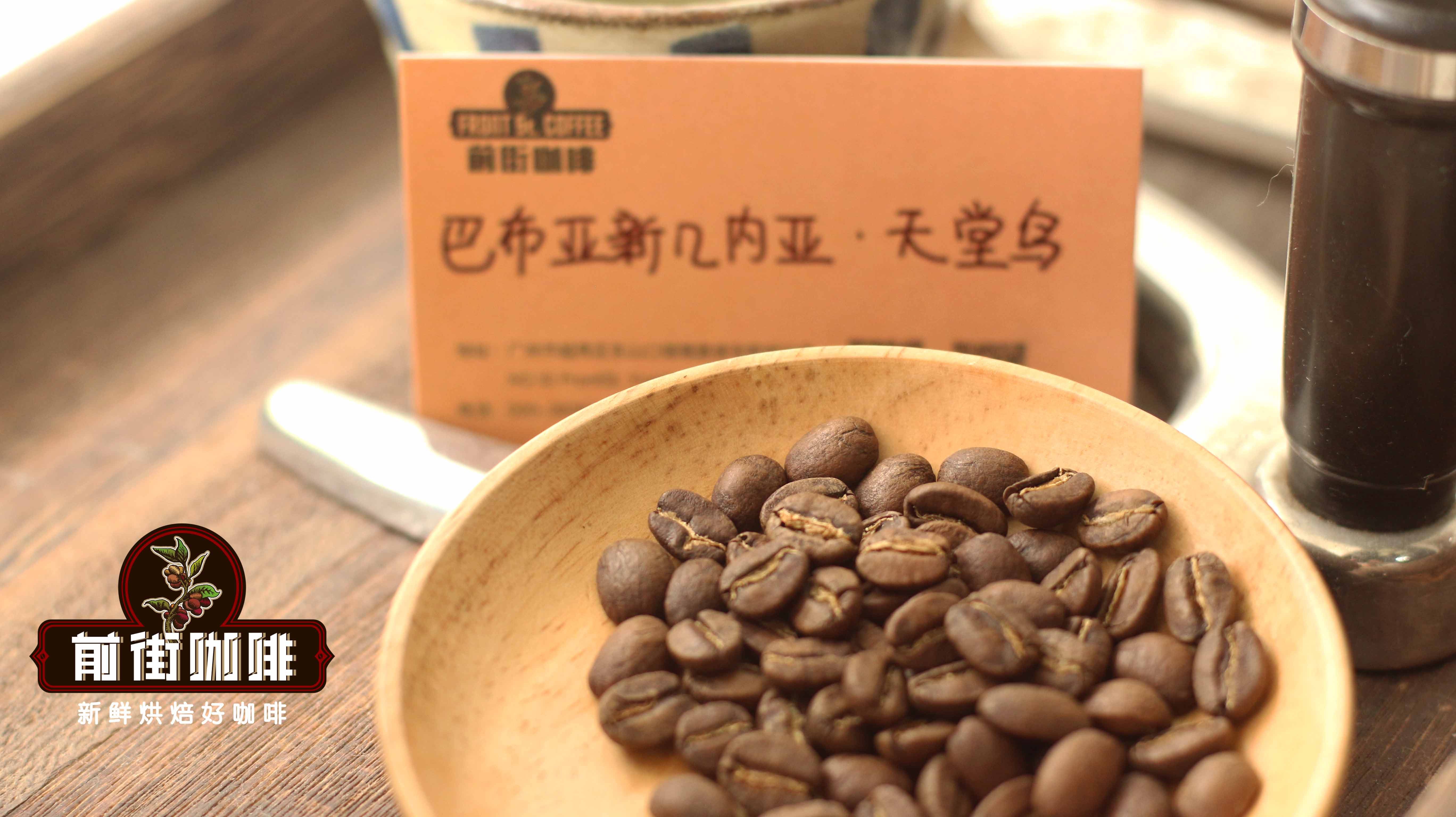
A Complete Global Guide to Coffee Varieties: Flavors, Characteristics, and Processing Methods from Arabica to Robusta
The coffee world is far more diverse than one might imagine. From a biological perspective, coffee is mainly divided into three major categories: Arabica, Robusta, and Liberica, with the first two accounting for the vast majority of global production. Arabica is known for its balanced flavor and elegant aroma, and is often used for single-origin and specialty coffee; Robusta, with its strong acidity and rich body, is an important ingredient in espresso blends and instant coffee. Beneath this, varieties such as Typica, Bourbon, Caturra, and Geisha each have their own characteristics, with flavors ranging from nutty chocolate to floral and fruity notes. In addition, green bean processing methods such as natural, washed, honey, and wet-hulled also profoundly affect the final acidity, sweetness, and body of a cup of coffee. This article will systematically sort out the origins, characteristics, and flavor expressions of the world's major coffee varieties, helping coffee enthusiasts build a complete framework of variety knowledge. [more…]
A Complete Analysis of Coffee Bean Classification: Differences Between Arabica and Robusta and Common Arabica Varieties
There are many coffee-producing regions around the world, and the coffee beans produced in places such as Brazil, Colombia, and Indonesia each have their own reputation. In plant taxonomy, coffee belongs to the Rubiaceae family, and about eighty coffee tree species have been confirmed, among which there are three main cultivated species used for drinking: Arabica, Robusta, and Liberica. Arabica is known for its delicate flavor and aroma and is often used for single-origin and specialty coffee; Robusta, due to its strong adaptability and high yield, is mostly used for instant coffee. Each has its own advantages, and they have also given rise to many hybrid varieties. This article will systematically sort out the characteristics of these two major coffee species, and introduce common Arabica sub-varieties such as Typica, Bourbon, Catimor, and Maragogipe, while also sharing Front Street Coffee's cupping experience and product recommendations for the related bean types. [more…]
Analysis of the Pacamara Coffee Variety in El Salvador: From Its Hybrid Origins of Pacas and Maragogipe to Its Flavor Expression in Guatemala
Pacamara is a precious variety bred by El Salvador's coffee research institute by crossing Pacas with Maragogipe, combining the dual advantages of the sturdy, stress-resistant Pacas and the giant-bean Maragogipe. Since the 19th century, the Pacas family has been deeply involved in the coffee industry, passing down through five generations and witnessing this variety's long journey from its cultivation in 1958 to its gradual promotion only in the late 1980s. This article will guide you through the story of Pacamara's discovery and cultivation, analyzing its flavor characteristics—the interweaving of a creamy mouthfeel, elegant acidity, and chocolate butterscotch sweetness—as well as its botanical features, including a medium-sized tree, large leaves, and elongated oval beans, providing coffee enthusiasts with a comprehensive reference for understanding this variety. [more…]

A Complete Guide to Brazilian Coffee Flavors and the Bourbon Family Varieties: From Red and Yellow Bourbon to Catuai and Laurina
As the country with the largest export volume of green coffee beans in the world, Brazil supplies about one-third of the world's production, yet there are only a handful of Brazilian single-origin beans that the public can name. This is not because Brazilian coffee quality is poor, but because flavors within the same producing region tend to be similar, so when choosing beans you only need to pick the most representative one. In this article, Front Street Coffee reviews the historical development of Brazilian coffee and sorts out one by one the origins and flavor characteristics of varieties such as Red Bourbon, Yellow Bourbon, Pink Bourbon, Caturra, Catuai, Mundo Novo, and Laurina, while also including specific information on the shop's two products, the Brazilian producing-region everyday drinking beans and the Queen's Estate, to help coffee lovers build a complete understanding of Brazilian coffee. [more…]
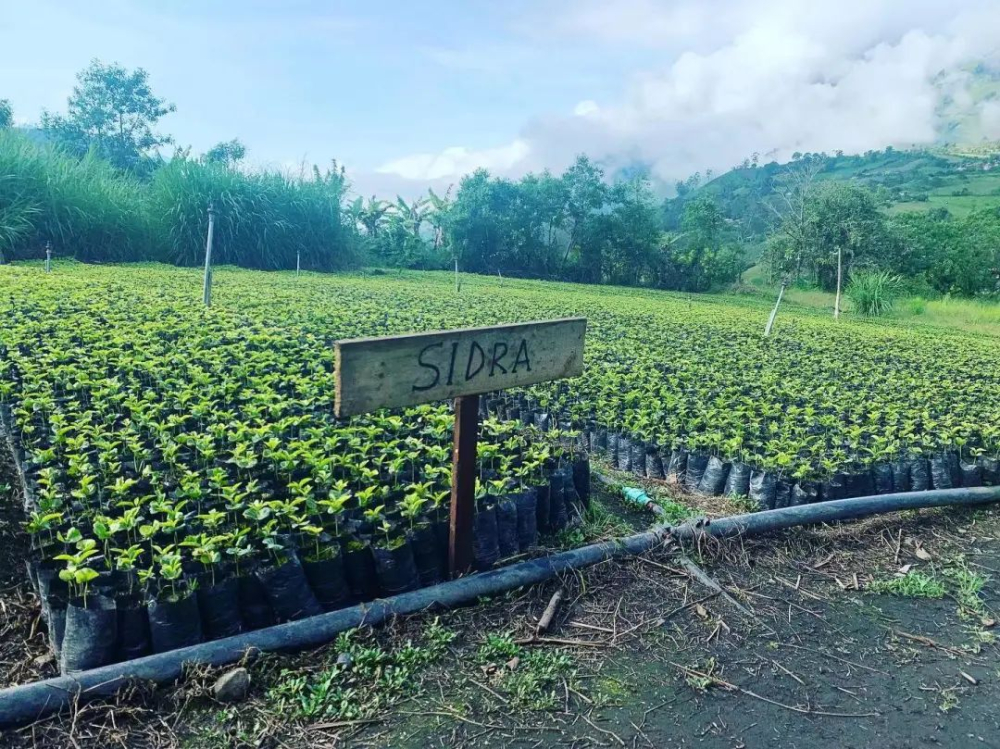
Colombian Sidra Coffee Beans | Flavor Characteristics of Anaerobic Fermentation Sun-Dried Sidra Coffee Beans and Introduction to the Sidra Coffee Variety
"Variety" is another consideration some friends use when selecting coffee beans, in addition to flavor and origin. Sidra, transliterated from "Sidra," also known as "Sydra" or "Bourbon Sidra." In Spanish, Sidra means "apple juice." [more…]
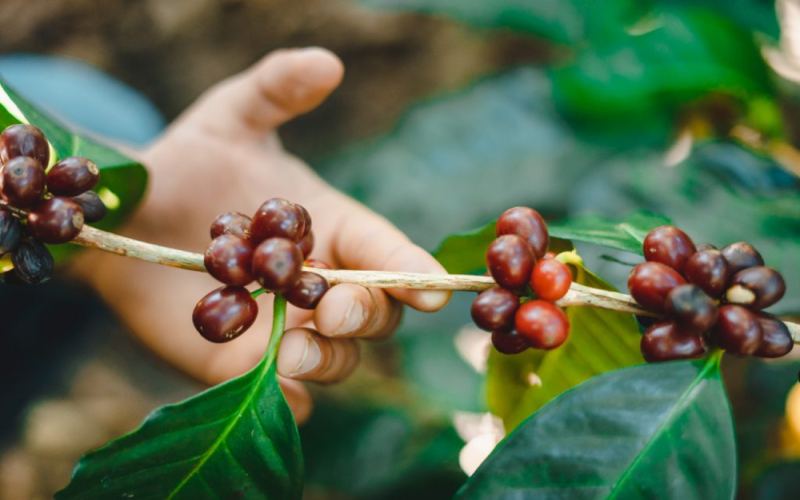
A Complete Guide to Coffee Bean Grades and Variety Tiers: Where Do Arabica and Canephora Stand?
For friends who are just getting into coffee, the difference between Arabica and Canephora (Robusta), and the quality tier each occupies, are often the first questions they encounter. Starting from plant taxonomy, this article sorts out the output share, disease resistance, and flavor characteristics of the world's major cultivated coffee varieties, and introduces one by one the varietal composition and flavor trends of representative Arabica-producing regions such as Brazil, Colombia, Ethiopia, Kenya, Panama, Guatemala, Costa Rica, Jamaica, and Indonesia. The article also includes the specific parameters and flavor descriptions of Front Street Coffee's everyday beans from various regions, helping readers build a complete cognitive framework from variety to producing region. [more…]
Indonesian Coffee Bean Varieties, Flavors, and the Origins of Sumatra: From Mandheling to Wet-Hulling
Indonesian coffee is best known for Mandheling, but its appeal goes far beyond that. From Sumatra and Java to Sulawesi, each producing region shapes a rich, intense classic flavor through its unique terroir and wet-hulling method. This article guides you through the distribution and characteristics of Indonesia's main coffee-producing regions, explains the wet-hulling process and how it shapes flavor, and introduces common varieties such as S795, Tim Tim, USDA 762, Kartika, and Andungsari. Front Street Coffee's everyday Lintong staple beans and PWN Golden Mandheling are both medium-dark roasted, suitable for pour-over, French press, espresso machines, and various other brewing devices, making it easy for enthusiasts to experience authentic Mandheling flavor. [more…]
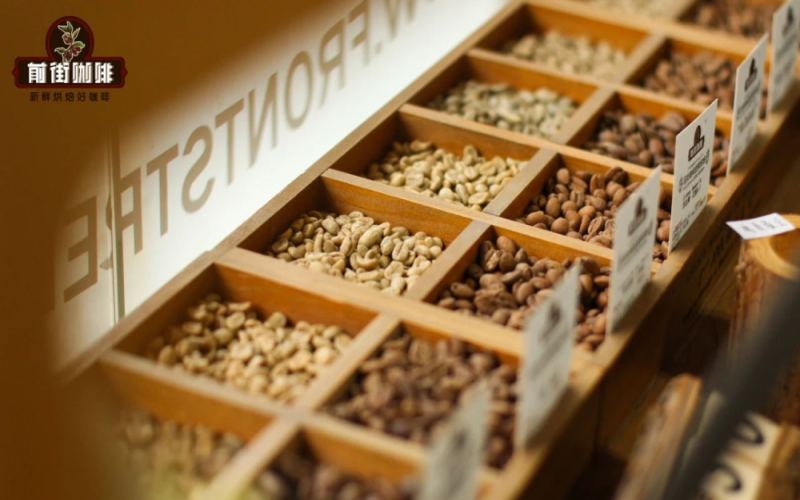
Analysis of the Maragogype Coffee Variety: A Complete Guide to the Characteristics of Nicaragua's Mama Mina Region, Roasting, and Brewing
In the Arabica coffee family, there is a special variety that is far larger than its peers—the Maragogype, whose beans can grow to three times the size of common Arabica beans. This variety, scientifically named Maragogype, has attracted coffee lovers' attention with its unique form and balanced flavor ever since it was discovered in Brazil in 1870. This article, from the perspective of Front Street Coffee, will systematically review the origin, botanical classification, growing regions, and flavor characteristics of Maragogype, and provide in-depth introductions to two representative coffees—the Nicaragua Mama Mina Estate Maragogype and the Guatemala Bolsa Estate Pacamara—including detailed information and brewing parameters, offering a complete reference for coffee enthusiasts who want to learn about this niche variety. [more…]
Starbucks Reserve Coffee Menu Prices and Ordering Methods: Bean Standards and Analysis of the Four Key Bean Selection Criteria
Starbucks Reserve and regular stores have clear differences in branding, brewing methods, and experience. Their menus include both drinks priced the same as regular stores and specialty beverages and pour-overs made with specialty beans available only at Reserve stores, which are relatively more expensive. This article will explain Reserve coffee's bean selection standards—terroir conditions, processing methods, coffee varieties, and human stories—and introduce how to consult staff when ordering based on flavor and taste. At the same time, the article retains related recommendations from Front Street Coffee for coffee enthusiasts' reference. [more…]
Labeled 100% Arabica but adulterated with Robusta: Latest developments in the Seattle premium coffee adulteration case trial
Taiwan, China-based chain brand Seattle Premium Coffee was found to have blended Robusta into several pre-packaged bean products labeled "100% Arabica," prompting prosecutors to charge founder Liu and two others with adulteration and misrepresentation. The brand initially argued that Timorese/Timor varieties are a hybrid of the two species, then later changed its statement, saying it was an administrative oversight that the labels were not updated, and was willing to recall only some batches. The court calculated criminal proceeds at approximately 4.07 million yuan, and Liu sought to pay a public welfare fund in exchange for a suspended sentence. The core dispute in the case is that adding Robusta itself is not illegal, but whether a mismatch between the label and contents constitutes adulteration and misrepresentation under food safety law. This article sorts through the sequence of events, test data, and new courtroom statements, so coffee enthusiasts can understand industry labeling standards. [more…]

Manner Coffee and Lianjia Cross-Industry Jointly Open a Shared Store: Is Selling Coffee in a Real Estate Agency a Good Business?
Recently, a netizen in Shanghai discovered that a Manner Coffee had actually opened inside a Lianjia store, with the two brands sharing the same signboard—white and green each taking up half. Upon entering, one could see both Manner's inverted triangle logo and Lianjia's property listing boards. Was this Manner's attempt to expand into community channels, or had Lianjia taken a stake in the coffee brand? The answer was finally revealed when Lianjia's official WeChat account posted on April 7 confirming the official opening of this shared store at No. 184, Lane 100, Zhongtan Road. Manner has always chosen locations in core business districts or areas with dense office buildings. This time, moving its counter into a community and sharing space with a real estate agency has sparked quite a bit of discussion. Some are looking forward to it, some are joking about it, and others question whether the two consumption scenarios can truly integrate. This article takes you through the ins and outs of this cross-industry collaboration. [more…]
A Complete Guide to Arabica Coffee Varieties: Comparing Major Origins and Flavors of Typica, Bourbon, Caturra, and More
In the world of specialty coffee, Arabica beans are the absolute protagonist. But did you know that under this species, there are many subdivisions such as Typica, Bourbon, Caturra, Catuai, and Geisha? Each has its own origin story, flavor characteristics, and suitable growing environment. Front Street Coffee has long been deeply involved in various producing regions, building a variety flavor database through cupping and roasting practice, hoping to use an easy-to-understand way to introduce you to the rich landscape of the Arabica family. This article will start with the legend of coffee's origin, compare the pros and cons of Arabica and Robusta, then explain in detail representative varieties such as Typica, Bourbon, Caturra, Catuai, Geisha, Kona, and SL28/SL34 one by one, and include Front Street Coffee's roasting curves and brewing suggestions, so you can understand the variety lineage and flavor differences of Arabica coffee all at once. [more…]
Bourbon Coffee Bean Flavor Analysis: Differences and Variety Comparison of Red Bourbon, Yellow Bourbon, and Pink Bourbon
Bourbon is a pivotal classic variety within the Arabica family, from which numerous variants such as Red Bourbon, Yellow Bourbon, and Pink Bourbon have derived, each exhibiting distinct differences in flavor and cultivation characteristics. This article focuses on the traits of Bourbon coffee beans, detailing the origins, flavor profiles, and representative producing regions of Red Bourbon, Yellow Bourbon, and Pink Bourbon, while also clarifying the relationships between Bourbon, Caturra, and Typica. The article also compiles specific information on three everyday beans available at Front Street Coffee: Brazil Red Bourbon, Brazil Queen Estate Yellow Bourbon, and Colombia Isabella Pink Bourbon, for coffee enthusiasts to compare and understand. [more…]
Yunnan Small-Bean Coffee Variety Analysis: Arabica Identity Confirmation and the Generational Shift Between Catimor and Typica
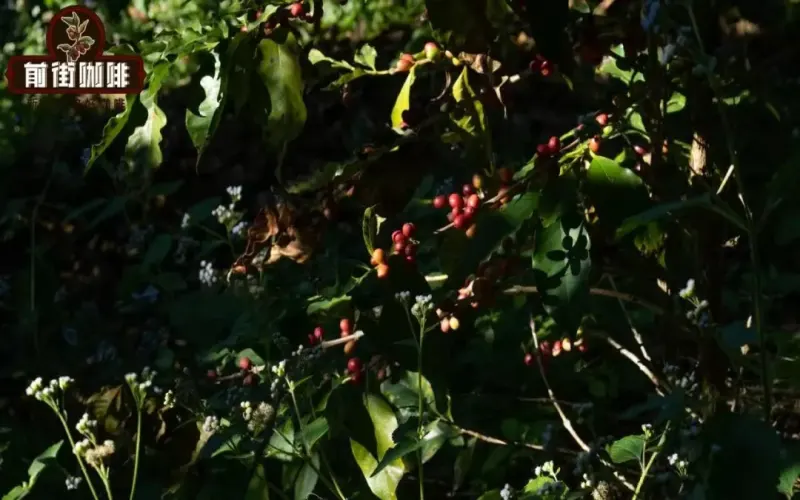
What exactly is Yunnan small-batch coffee? Does it belong to Arabica or Robusta? Why does "Yunnan small-batch" refer to different varieties in different eras? This article clarifies the varietal classification of Yunnan small-batch coffee from two dimensions—plant taxonomy and historical evolution—and takes a deep dive into comparing the core differences between Catimor and Typica in terms of genetic origin, disease resistance, and flavor performance. At the same time, drawing on Front Street Coffee's cultivation and roasting practices in Baoshan and Lincang, Yunnan, it presents two representative Yunnan coffee beans—washed Catimor and Front Street Coffee 2013 Typica natural—along with complete brewing parameters, helping coffee enthusiasts understand the real impact of variety on flavor. [more…]
Floral Milk Tea Takes the New Tea Beverage Sector by Storm: Category Innovation and a Rational Return Driven by the Aesthetics Economy
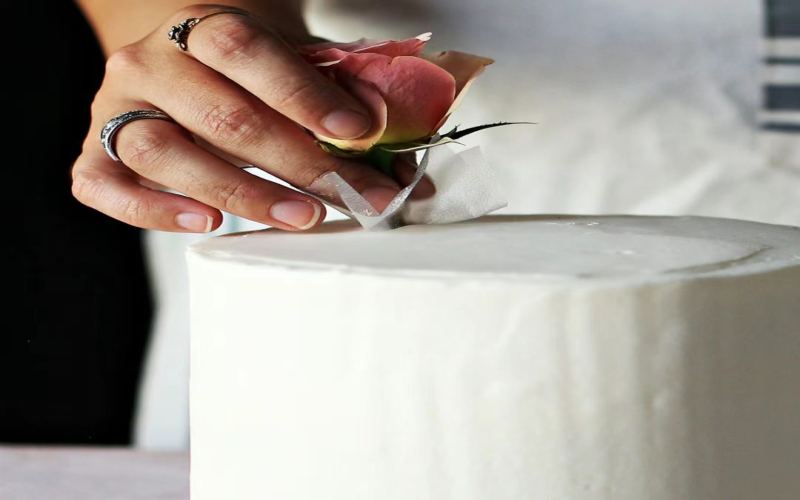
When fresh flowers meet milk tea, what kind of sparks will fly? A tea beverage shop in Shanghai called Xue Xiaomei MICHA has given the answer—monthly revenue peaking at over 700,000 yuan, with more than 1,200 cups sold in a single day at its highest. The fresh flower tea beverage series has drawn attention with prices ranging from 40 to 129 yuan. Behind this is not only the drive of the "appearance economy," but also the business logic of a hybrid operation combining a flower shop and a tea beverage shop. From Shanghai to Wuhan, Guangzhou, and Xi'an, this kind of combined store is spreading across the country. However, the safety boundary between fresh flowers and beverages, and the difficulty of repeat purchases after consumers' novelty wears off, are also realities that this category must face head-on. This article will take you through a comprehensive understanding of the popularity code and industry concerns behind fresh flower milk tea. [more…]
A Complete Guide to Colombian Coffee Varieties, Grading, and Regions: Flavor Secrets from Caturra to Castillo
Colombia is the world's third-largest coffee producer, and its coffee is renowned for its bright acidity, pronounced sweetness, and rich, layered flavors. From Caturra to Colombia to Castillo, the evolution of varieties reflects the ongoing efforts of the FNC and Cenicafe to combat leaf rust and berry disease. This article will outline the evolution of Colombian coffee varieties, the distribution of major growing regions, and grading standards, and, combined with Front Street Coffee's brewing practices, help you understand why coffee nurtured by this stretch of the Andes can present notes of rose, berry jam, and a chocolate finish. [more…]