







Where do Arabica and Canephora sit in coffee bean grades?
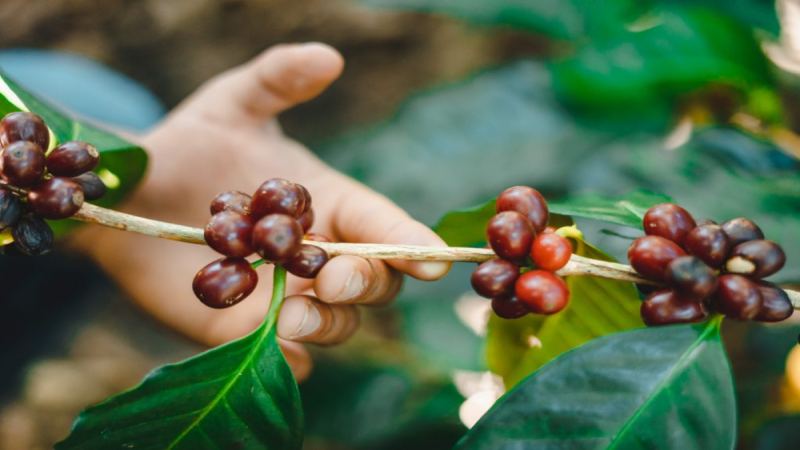
The genus Coffea contains at least a hundred species, and about eighty coffee tree varieties have been confirmed, but only three are cultivated for drinking: Arabica, Robusta, and Liberica. Arabica supplies 70 to 75 percent of global production and is grown mainly at high altitudes, with beans above 1500 meters carrying the finest character. Robusta, or Canephora, more often becomes instant coffee.
The split is not absolute. Coffee bean grades label Arabica as premium and Robusta as inferior, yet flavor preference decides what belongs in the cup. Coffee producing countries shape that picture: Brazil, Colombia, Ethiopia, Kenya, Panama, Guatemala, Costa Rica, Jamaica, and Indonesia each grow distinct Arabica profiles. US and Japanese drinkers tend toward light Arabica brews, while Europeans favor Arabica-Robusta espresso blends.
For those new to coffee, the difference between Arabica and Canephora (Robusta), and the quality tier each occupies, is often the first question they encounter. Starting from plant taxonomy, this article sorts out the yield share, disease resistance, and flavor characteristics of the world's major cultivated coffee varieties, and introduces one by one the varietal composition and flavor tendencies of representative Arabica origins such as Brazil, Colombia, Ethiopia, Kenya, Panama, Guatemala, Costa Rica, Jamaica, and Indonesia. The article also includes the specific parameters and flavor descriptions of Front Street Coffee's everyday beans from each origin, helping readers build a complete cognitive framework from variety to origin.
What exactly is Arabica coffee
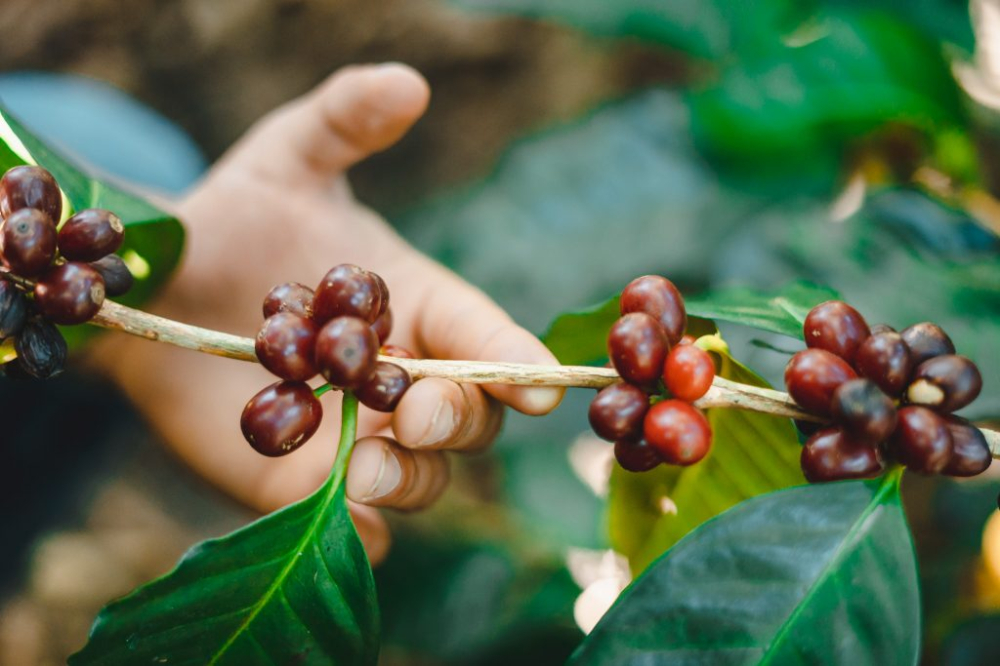
From the perspective of plant taxonomy, the genus Coffea contains at least over one hundred species, and about eighty coffee tree varieties have been confirmed so far. Among them, three varieties are specifically cultivated for drinking: Arabica, Robusta, and Liberica.
Usually, Arabica is mostly used to make single-origin or specialty coffee, while Robusta is more often processed into instant coffee products. Although the market often categorizes Arabica as premium coffee and Robusta as inferior coffee, this division is not absolute; choosing based on personal flavor preference is more reasonable. In terms of taste tendencies, consumers in the United States and Japan more often drink the light coffee brewed from Arabica, while Europeans prefer espresso made from a blend of Arabica and Robusta.
Arabica Arabica
Arabica originated in Ethiopia and is a representative variety of that country. It is also grown in South Africa, Africa, and many Asian countries, and 70% to 75% of global coffee production comes from Arabica. This variety has relatively weak resistance to pests and diseases, so it is more suitable for cultivation at high altitudes, especially Arabica coffee beans produced at elevations above 1500 meters, which are the finest, though the costs required are correspondingly higher.
Arabica beans have quite balanced flavor, mouthfeel, and aroma, and are mainly used for single-origin or specialty coffee. The three well-known famous coffee beans—Hawaiian Kona, Jamaican Blue Mountain, and Yemeni Mocha—all belong to the Arabica variety.
Arabica coffee has a pure and elegant flavor. Its sub-variety Typica coffee has high-quality acidity, and as the oldest coffee variety, it possesses an excellent genetic foundation.
Arabica accounts for 70% of total coffee production, but because its resistance to pests and diseases is weak, people later bred many varieties with stronger disease resistance. Moreover, Arabica has many sub-varieties formed through natural mutation or hybridization, such as Typica, Bourbon, Geisha, and so on. In Front Street Coffee's stores, Arabica sub-variety coffee beans are not uncommon. For single-origin and specialty coffee alone, more than 50 kinds of coffee beans from different origins are listed, capable of satisfying various taste needs. In addition, Front Street Coffee stores have even more coffee beans not yet listed for tasting.
Important Arabica coffee origins
The rise of specialty coffee has not only brought attention to coffee's individuality, but also sparked interest in the cultivation methods or processing techniques of the origins. Next, Front Street Coffee will introduce several relatively representative specialty Arabica origins.
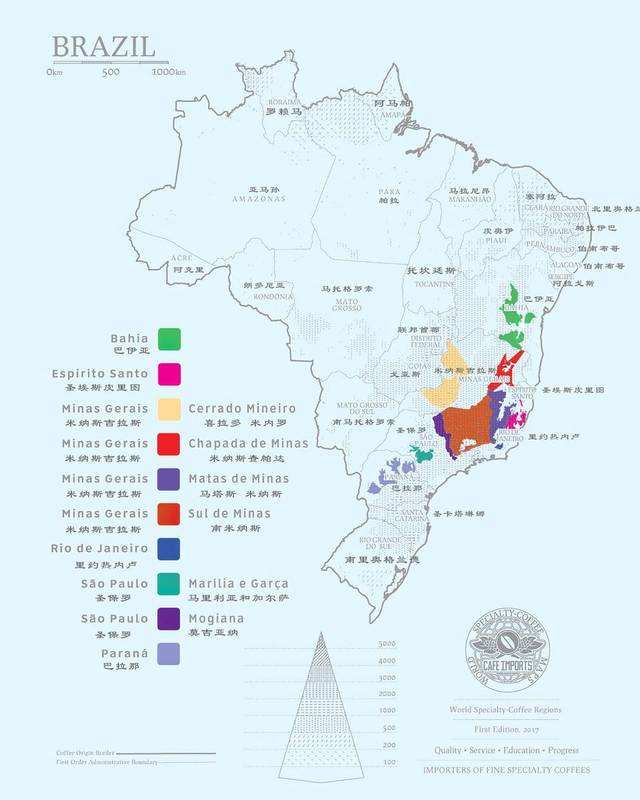
Brazil
Brazil is the world's largest coffee country in terms of both the quantity of Arabica beans planted and production, with total output accounting for about one third of the global total, occupying an important position in the international coffee trading market. To a large extent, Brazil's coffee production and market trends will affect international coffee market prices; for example, once Brazil suffers a drought disaster, global coffee prices will rise accordingly.
Brazil began producing coffee in 1727. Because the climate conditions are suitable for coffee tree growth and there is a vast area of fertile soil, the southeastern states of Minas Gerais, São Paulo, and Paraná became the main producing regions. In recent years, the southern region has suffered frost damage, and cultivated land has gradually shifted northward. At present, large estates in the Cerrado region of Minas Gerais are actively introducing irrigation facilities and mechanized equipment, and coffee trees are also grown in diversified ways.
Brazil widely cultivates the old Arabica variety Bourbon, among which Red Bourbon is dominant, with a small amount of Yellow Bourbon and the hybrid descendant Pink Bourbon. In addition, many varieties resistant to pests and diseases have been bred, such as Mundo Novo and Catuai, which are also widely planted.
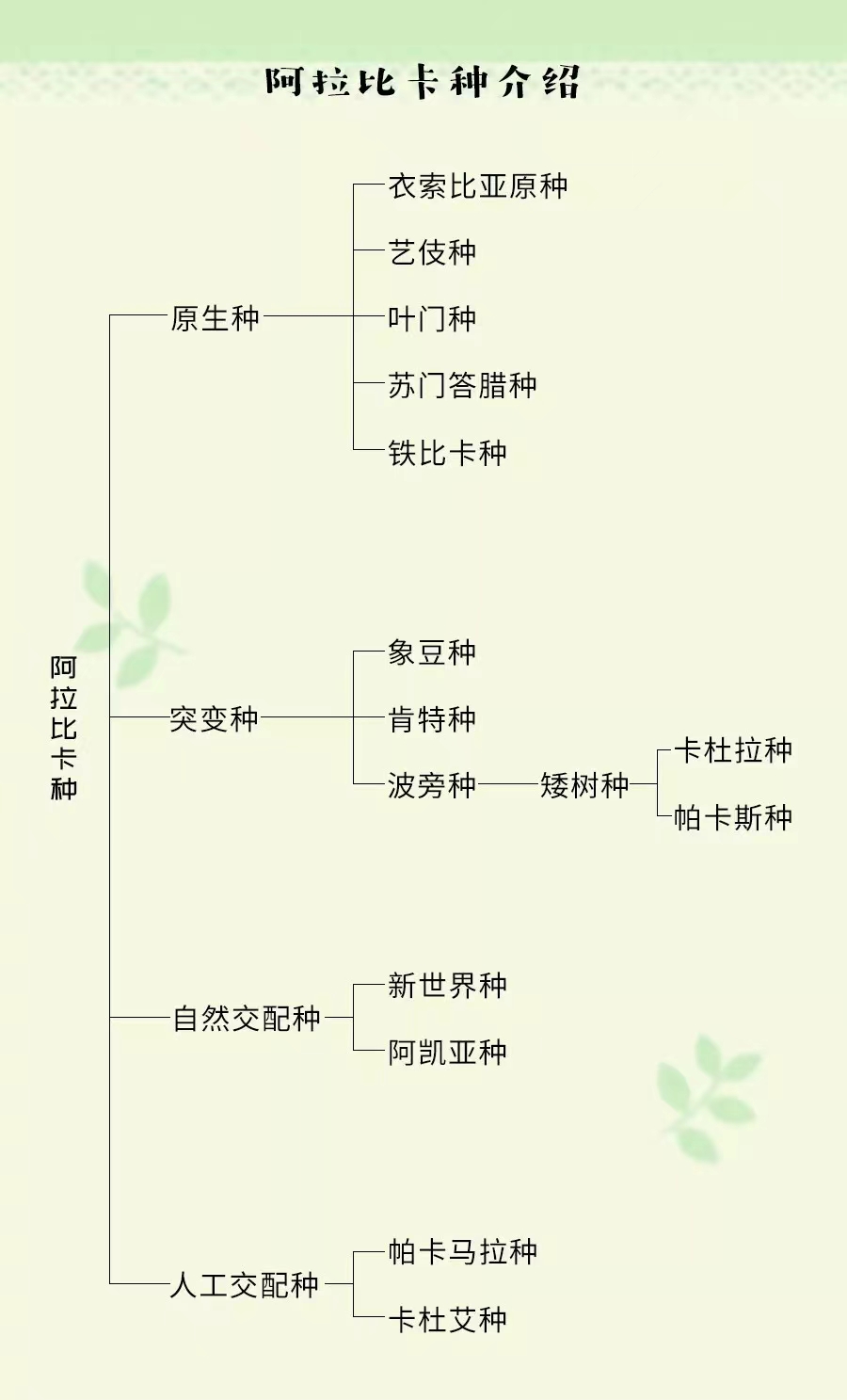
Bourbon arose from a natural mutation of Typica. Bourbon spread from southwestern Ethiopia to Yemen, and its bean shape changed from slender and pointed to round. In 1715, the French transplanted the round beans of Yemeni Mocha to Bourbon Island off the east coast of Africa (renamed Reunion Island after the French Revolution), and only afterward did the name Bourbon come into being. Bourbon round beans were introduced to Brazil in 1727 and began to be cultivated there. Because the fruit is relatively densely set, its yield is 20% to 30% higher than that of Typica.
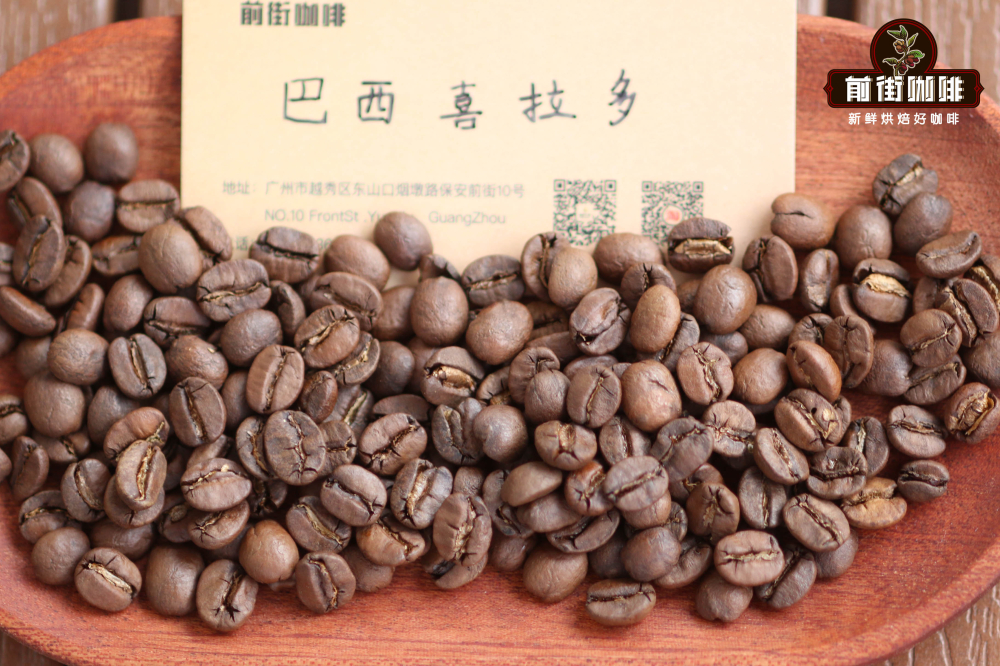
Most Brazilian coffee has relatively low acidity, and combined with coffee's mellow aroma, it is extremely smooth on the palate, with an aftertaste that leaves one feeling relaxed and refreshed. Front Street Coffee chose a semi-washed Red Bourbon coffee as Brazil's representative. The coffee flavor has obvious nuts and chocolate, medium caramel sweetness, a smooth mouthfeel, and overall balance. Front Street added it to the everyday beans series. Front Street's everyday beans are the flagship of each major origin, presenting the origin's basic flavor. Coffee beginners can purchase them at the lowest price to taste and understand the origin's flavor, and then choose according to their preference to explore different origin types in greater depth.
FrontStreet Coffee: Brazil Cerrado Coffee Beans
Origin: Cerrado region, Minas Gerais, Brazil
Altitude: 1000 meters
Variety: Red Bourbon
Processing Method: Semi-washed
Flavor: Nuts, chocolate, cream, peanut, caramel
Colombia
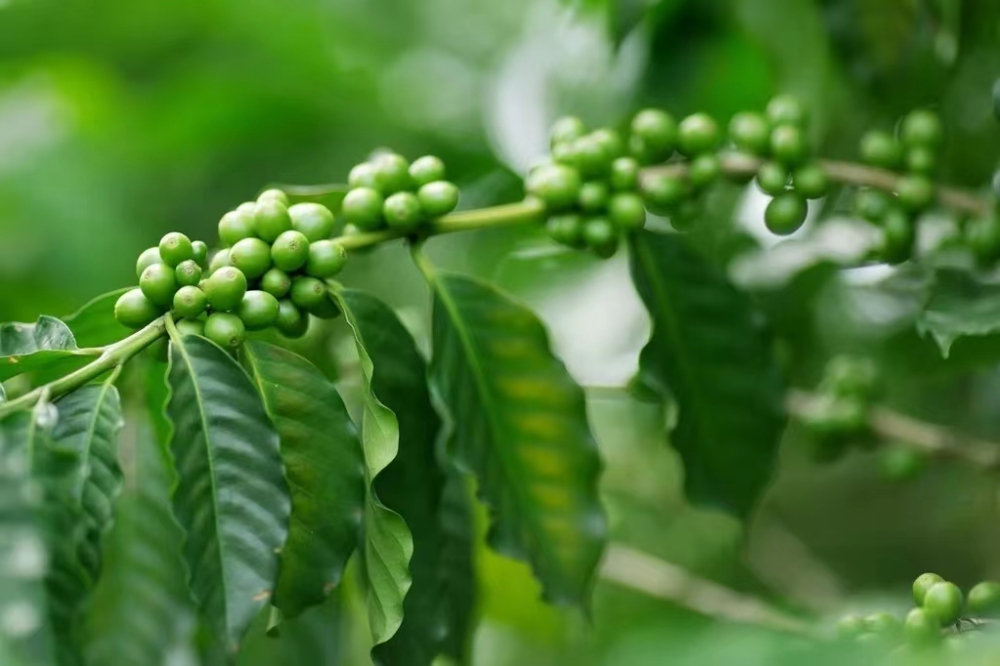
Colombia has the Andes mountain range with an average altitude of 3660 meters. Coffee cultivation is mostly located on slopes at around 1300 meters, and the diverse terroir and climate allow coffee cherries to be harvested here throughout the year. Colombia is currently the world's third-largest Arabica coffee producing country, after Brazil and Vietnam.
Colombia's largest official organization of coffee producers, FNC, improves local coffee cultivation quality and protects growers' rights in various aspects. It manages everything from coffee production to circulation and distribution, and actively promotes specialty coffee. They choose to plant shade trees and hand-pick coffee cherries. In order to reduce water usage, they introduce the latest equipment suitable for small estates, adopting a different production method from neighboring Brazil to produce distinctive high-quality coffee beans.
Caturra is the most widely and abundantly planted coffee variety in Colombia. It is a natural mutation of Bourbon and is similar to Bourbon in flavor. Caturra coffee trees do not need shade, have many branches and therefore high yield, and their short tree shape makes picking convenient. Colombia introduced it in 1952 and began widespread cultivation in the 1960s. Caturra is suitable for planting from low altitudes of 700 meters to high altitudes of 1700 meters, with strong adaptability, but the higher the altitude, the better the flavor and the correspondingly lower the yield. Caturra's mouthfeel is full of fruity notes and berry flavors, and medium roasting can highlight more nutty and cocoa aromas.
Front Street believes that the washed Caturra coffee beans from Huila best represent the flavor of Colombia's specialty beans: aromas of nuts and dark chocolate, caramel sweetness and soft fruit acidity, a clean mouthfeel, and moderate body.
FrontStreet Coffee: Colombia Huila Coffee Beans
Origin: Huila
Altitude: 1500-1800 meters
Processing Method: Washed
Variety: Caturra
Flavor: Nuts, dark chocolate, caramel, soft fruit acidity
Ethiopia
Ethiopia can be said to be one of the most popular Arabica coffee producing countries. As the birthplace of coffee, Ethiopia has an enormous number of coffee varieties and can be called a treasure trove of coffee varieties. However, variety identification is time-consuming and labor-intensive, and most are grown by smallholders; after harvest, mixed processing makes it difficult to subdivide varieties. Therefore, coffee beans exported from Ethiopia are generally collectively referred to as "Heirloom native varieties."
When it comes to the floral and fruity aroma of African coffee beans, Front Street's coffee list alone includes nearly ten coffees of different flavor types as daily store options. The bright and fresh lemon-acidity Gedeb cooperative, the fermented sweet-and-sour sun-dried Red Cherry, and the full tropical-fruit Hualei coffee are loved by many customers. Among so many styles of Ethiopian coffee, Front Street believes the most representative is washed Yirgacheffe.
The coffee growing altitude in the town of Yirgacheffe is as high as 2100 meters. The high altitude creates a significant temperature difference between day and night, so coffee cherries grow and ripen slowly, absorb more nutrients, and have a more intense aroma.
Traditionally, Ethiopia was dominated by sun-dried processing, but the common sun-dried method was often crude and prone to defect flavors, so in the last century the Yirgacheffe region introduced washed processing from the Americas. The multiple steps of washing remove defective coffee beans, and the flavor presents a cleaner and fuller mouthfeel. The so-called Yirgacheffe flavor is bright citrus and lemon acidity, intense jasmine aroma, and honey-like clean sweetness, leaving an endless aftertaste.
One of Front Street's everyday beans is the classic washed Yirgacheffe. Unlike the stereotype many deep-roasted coffees with bitterness as the main note give people, the light-roasted Yirgacheffe has a fresh and bright taste, and its unique aroma makes one feel as if tasting a cup of floral and fruity tea.
FrontStreet Coffee: Washed Yirgacheffe Coffee Beans
Origin: Yirgacheffe region, Ethiopia
Altitude: 1800-2000m
Processing Method: Washed
Variety: Heirloom native varieties
Flavor: Jasmine, citrus, lemon, berries
Kenya
Kenya is another of Africa's most representative coffee producing countries, with a highly recognizable berry character that evokes fruits such as grapefruit, blackberry, and smoked plum. Its extremely high acidity makes Kenyan coffee one of the most popular iced coffees in Front Street stores in summer; its saturated juice-like feel is especially refreshing to drink. Kenya's flavor baseline mostly comes from its two varieties, SL28 & SL34, as well as mature washed processing techniques.
SL refers to Kenya's Scott Laboratories. In the 1930s, coffee berry disease broke out on a large scale in Kenya, so Scott Laboratories was commissioned by the government to begin breeding new disease-resistant varieties. Among the research results, No. 28 and No. 34 had strong disease resistance and outstanding flavor.
The SL28 variety has the lineage of Bourbon, Yemeni Typica, and Mocha. It is easy to cultivate and does not require special care, has large beans and high yield, and was first planted in Kenya before spreading to Uganda; currently it is widely noticed even in Central America. This variety is suitable for medium-high altitude areas and has drought resistance, but it is still susceptible to major coffee diseases. However, only SL28 grown in Kenya expresses the bright character of original Bourbon, the rich acidity of original Mocha, and even more complex flavors and a dense mouthfeel.
SL34 has Bourbon and more Typica lineage. Its coffee beans are slender and oval, appearing relatively flat from the side, and in flavor it has complex and changeable acidity and a high-quality sweet aftertaste.
When customers come to Front Street stores and say they like transparent acidity, FrontStreet Coffee baristas recommend this bean with notes of cherry tomato, smoked plum, and plum.
FrontStreet Coffee: Kenya Asalia Coffee Beans
Origin: Asali processing station, Thika region, Kenya
Altitude: 1550-1750m
Processing Method: Washed
Variety: SL28 & SL34
Flavor: Snow pear, smoked plum, yellow sugar, plum, cherry tomato
Panama
Panama can be said to be today's most popular specialty coffee producing country. Estates are everywhere in the country, and Hacienda La Esmeralda, Finca Deborah, Elida Estate, and others are well-known estates that have won coffee competitions for multiple consecutive years. Among the coffee varieties grown in Panama, Geisha, with its uniquely distinctive flavor, attracts the most attention; high-quality varieties such as Caturra and Catuai are also planted.
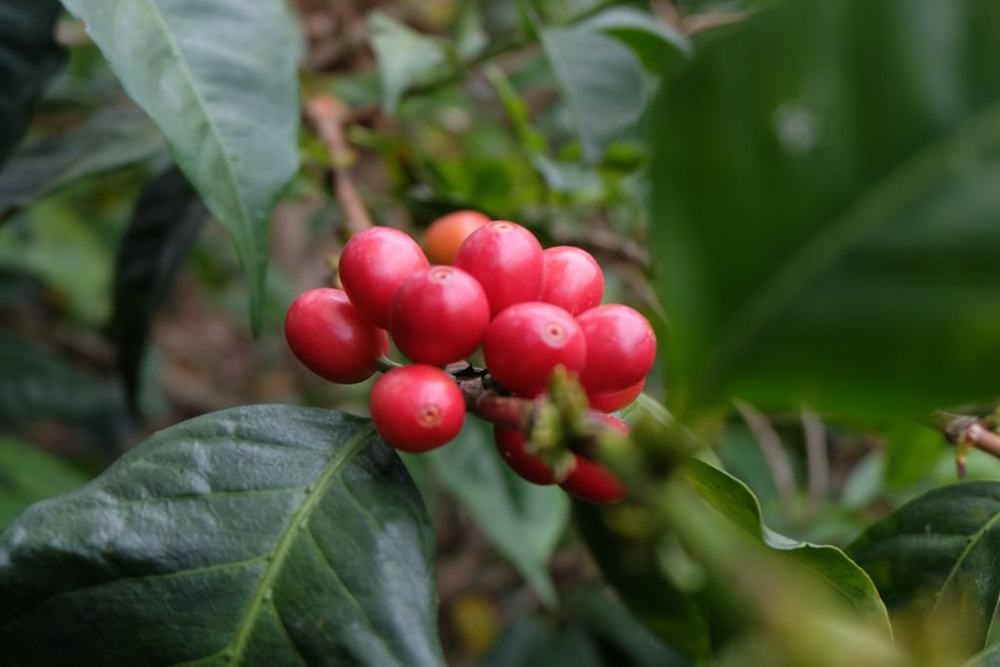
The Geisha variety was discovered in 1931 in the Geisha forest of Ethiopia, then sent to the neighboring Kenya Coffee Research Institute. It was introduced to Uganda and Tanzania in 1936, and also introduced to Costa Rica in 1953. It was not until 1970, when Panama sought to improve coffee's genetic diversity and disease resistance, that Mr. Don Pachi received Geisha seeds from Costa Rica's coffee research institution CATIE and brought them back to his coffee estate in Panama to begin cultivation.
The Geisha variety has very high requirements for its growing environment: it needs high altitude, cloud cover or plant shade, cannot be directly exposed to the sun, and also requires fertile soil. Geisha planted at higher altitudes takes longer for the coffee cherries to mature, and its flavor expression is more complex and unique.
At first, because Geisha had weak disease resistance and very low yield, it was not valued at all by Panama's coffee growers. It was not until 1998 that Daniel Peterson, the third-generation owner of Hacienda La Esmeralda, discovered the special qualities of Geisha coffee trees and transplanted them to higher-altitude areas. In 2004, Daniel's family decided to send the mass-produced Geisha coffee to compete in the local green bean competition—Best of Panama BOP—where it defeated many high-quality varieties and took that year's championship. Since then, many estates in Panama can be seen producing Geisha coffees with their own distinctive characteristics, and it has become an ever-victorious general in the coffee world.
Among the many estates growing high-quality Geisha coffee, Front Street Coffee believes that Geisha's discoverer, Hacienda La Esmeralda, deserves great credit. Its Esmeralda Special (Red Label Geisha) has a fragrant floral aroma, rich fruitiness, a delicate mouthfeel, and a lasting finish.
FrontStreet Coffee: Red Label Geisha Coffee Beans
Origin: Boquete region
Estate: Hacienda La Esmeralda, Cañas Verdes
Altitude: 1700+ meters
Variety: Geisha
Processing Method: Sun-dried processing
Flavor: Lemon, honey, berries, orange peel, mango, cream, citrus
Guatemalan Guatemalan
Guatemala is a very typical volcanic country located in Latin America. Its famous Antigua region is surrounded by three volcanoes, and the volcanic ash soil provides enough nutrients for coffee trees to grow. Including Antigua, Guatemala has multiple coffee regions, and different regions have different growing environments and cultivation conditions, which forms the different tastes of each region.
The Huehuetenango highlands are located in Guatemala's western non-volcanic region, which has the country's driest climate and highest altitude. Because this place lies at the active edge of a plate boundary, under the ever-changing terroir conditions of high-mountain basins, coffee flavors are also rich and diverse. Like the Antigua region, it also has abundant volcanic soil, with altitudes reaching as high as 2000m. However, because dry hot winds from Mexico blow in from the northwest, coffee trees can grow on the slight highlands at 2000 meters.
Guatemala's coffee varieties are mainly Bourbon, Typica, Catuai, and Caturra, with a small amount of Yellow Bourbon, Geisha, and Pacamara, as well as the newly bred variety Maracaturra, making the varieties quite diverse.
Front Street Coffee chose washed coffee beans from the Huehuetenango region as the flavor representative of Guatemalan coffee. The batch of Huehuetenango coffee selected by Front Street consists of the Bourbon, Caturra, and Catuai varieties. Among them, Catuai is a hybrid of Caturra and Mundo Novo; it adapts to the severe climate of high-altitude areas and also has high yield. It originated in Brazil and is now widely planted in Central America. Its acidity is bright, but its layers are thinner and its body lower than Mundo Novo. Huehuetenango has full berry and citrus acidity, with aromas of lemon peel and nuts on the palate, and a tea-like finish.
FrontStreet Coffee: Guatemala Huehuetenango Coffee Beans
Origin: Huehuetenango, Guatemala
Altitude: 1500-2000m
Variety: Bourbon, Typica, Catuai
Processing Method: Washed processing
Flavor: Citrus, lemon peel, berries, nuts
Costa Rica
Costa Rica has been growing coffee for more than two hundred years, and its coffee industry is very mature. It is also one of the few countries in the world that prohibits the cultivation of Robusta varieties (even Catimor is not allowed), making it a country that attaches great importance to coffee quality.
Costa Rica's main coffee varieties are Caturra and Catuai. Caturra, a Bourbon mutation, has better yield and disease resistance than Bourbon, has a shorter tree shape that makes harvesting convenient, and can grow well without shade trees. Its bean shape is also relatively similar to Bourbon, and its flavor is overall bright with comfortable sweetness. Catuai is a hybrid of Caturra and Mundo Novo, so it carries Caturra's characteristic of a low tree shape. Its fruit set is more solid than Caturra and is not easily blown off by strong winds. In flavor, it highlights the fragrance of fresh fruit even more.
Costa Rica has eight main coffee regions, and each region differs in altitude, climate, and soil characteristics, so coffee flavors also each have their own features. Among them, the highest-altitude Tarrazu region is also the most famous. The characteristic that distinguishes Tarrazu coffee from other regions is its high altitude, about 1200-1700 meters, which increases the temperature difference between day and night, so coffee cherries need longer to mature and absorb more nutrients. The coffee harvest season is from December to March of the following year. Coffee beans under high altitude are hard and full, with high acidity and prominent fruit flavors.
Front Street believes that washed Tarrazu coffee flavor best represents the characteristics of Costa Rican coffee, so it added it to Front Street's cost-effective everyday beans series. Tarrazu presents obvious sweetness, aromas of honey, toffee, and nuts, moderate acidity, and a soft and balanced mouthfeel.
FrontStreet Coffee: Costa Rica Tarrazu Coffee Beans
Origin: Tarrazu, Costa Rica
Altitude: 1500 meters
Variety: Caturra, Catuai
Processing Method: Washed processing
Flavor: Sweet orange, honey, toffee, nuts
Jamaica
When speaking of specialty coffee with a balanced mouthfeel, Jamaica's Blue Mountain coffee is the most classic.
The Blue Mountain range is located in the east of the island of Jamaica. Surrounded by the Caribbean Sea, whenever the weather is clear, the sun shines directly on the azure sea, and the mountain peaks reflect the brilliant blue radiance of the seawater, hence the name. The vast majority of coffee planted in Jamaica is the old Typica variety, with a pure flavor, high viscosity, elegant acidity, and a sweet finish. Typica has weak resistance to leaf rust and low yield, requiring more manual care to produce high-quality coffee lots. Jamaica Blue Mountain No. 1 coffee is the elegant-flavored Typica.
For many years Blue Mountain coffee has been subject to strict export controls, and it has long been exported only as washed Typica to countries such as Japan. At present, with the popular trend in the specialty coffee market, Clifton Farm has begun to launch a small number of sun-dried Blue Mountain lots, with a slight berry acidity and a slight fruity fermentation note in the flavor. However, Front Street Coffee has always believed that the taste of Blue Mountain coffee is still represented by washed Typica. Washed Blue Mountain coffee has citrus acidity, but its overall balance is strong, with a mid-palate of nuts and dark cocoa, a lasting finish, and a mellow mouthfeel.
For the Jamaica Blue Mountain No. 1 coffee that Front Street obtained, the basic standards for the green beans selected are beans of screen size 17 and above, a defect rate below 2%, a moisture content of about 13%, and so on. They appear as uniformly sized, plump blue-green green beans. In flavor, they combine comfortable acidity, sweetness, bitterness, aroma, and mellow body.
FrontStreet Coffee: Jamaica Blue Mountain No. 1 Coffee Beans
Origin: Blue Mountain, Jamaica
Estate: Clifton Farm
Altitude: 1310m
Processing Method: Washed
Variety: Typica
Flavor: Chocolate, nuts, cream, cocoa
Indonesia
Indonesia is made up of more than seventeen thousand islands large and small. Java Island is the main coffee producing region. Indonesia, with a long history of coffee cultivation, suffered an outbreak of coffee leaf disease in the 1980s, which almost completely destroyed Arabica. After that, it switched to growing the disease- and pest-resistant Canephora Robusta, and it has now become the world's fourth-largest coffee producing country.
At present, 90% of Indonesia's total coffee production is Robusta, and only 10% is Arabica, the vast majority of which are Aeng and TimTim. TimTim is a hybrid of the old Arabica variety Typica and Robusta, while the Aeng series is a hybrid of Caturra and TimTim and still carries Robusta genes, which is what we often hear called Catimor. Both Aeng and TimTim have resistance to coffee leaf rust and coffee berry disease, and have high yield.
Mandheling can be said to be synonymous with Indonesian specialty coffee. The main production area for Mandheling coffee beans is in the Lake Toba area at the northern tip of Sumatra, Indonesia. The local rainy season makes it impossible to dry green coffee beans in the sun for long periods as in regions such as Africa, so a processing method was developed locally: wet-hulling. This unique Sumatran semi-washed processing method largely creates Mandheling's flavor characteristics of low acidity and high body.
Front Street chose Mandheling coffee beans from Lintong as the representative everyday bean here, with a strong herbal spice aroma.
FrontStreet Coffee: Indonesia Lintong Mandheling Coffee Beans
Origin: Sumatra, Indonesia
Grade: G1
Altitude: 1100m-1600m
Variety: Ateng TimTim
Processing Method: Wet-hulled
Flavor: Nuts, spices, chocolate, caramel
Professional coffee knowledge exchange. For more coffee bean information, please follow Coffee Workshop (WeChat public account cafe_style)
For more specialty coffee beans, please add the private WeChat of Front Street Coffee (FrontStreet Coffee), WeChat ID: qjcoffeex
The above content is compiled by CoffeeHunters, a coffee news website.


