







Is yunnan coffee the same as arabica coffee?
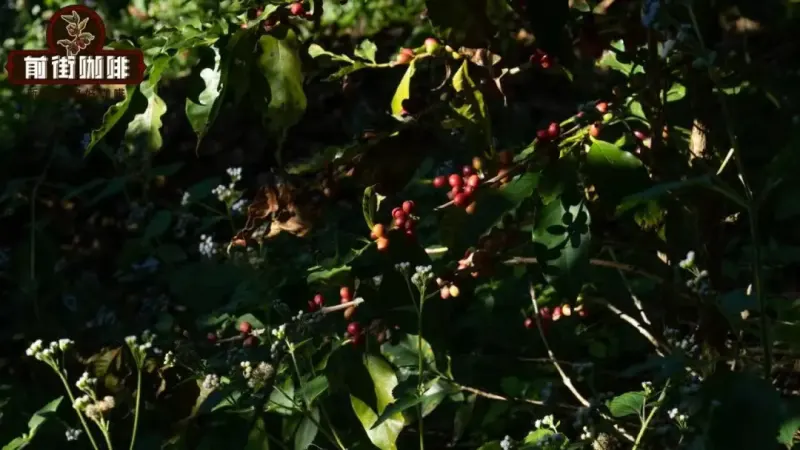
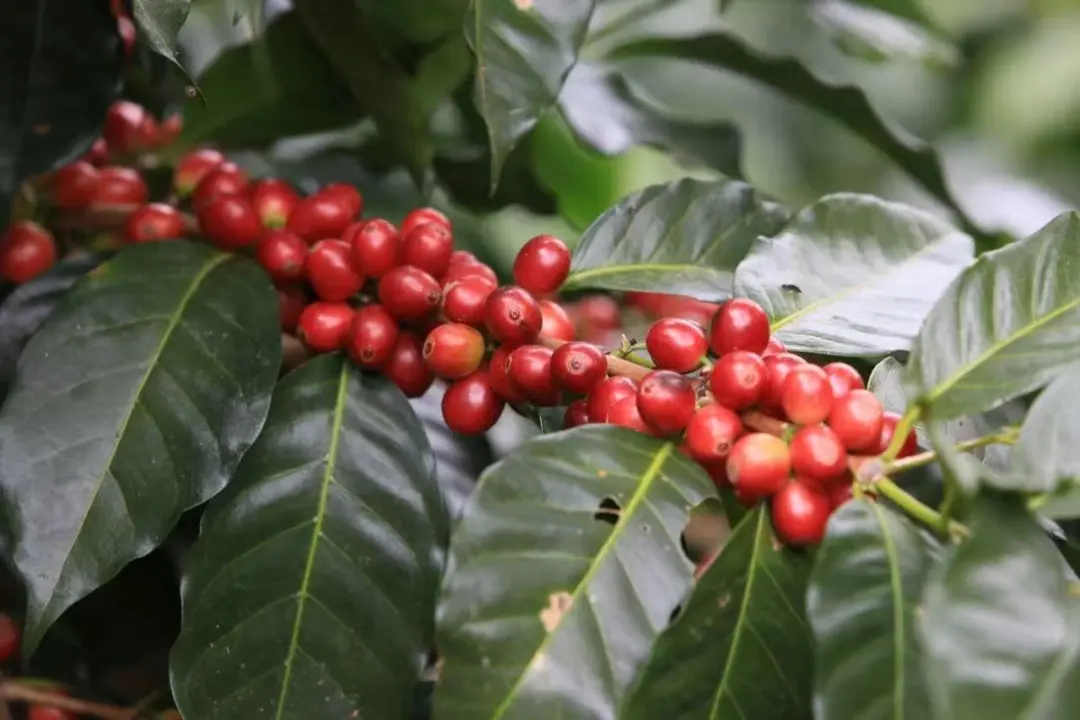
Yunnan small-bean is not one specific variety but an umbrella term for all arabica coffee grown in Yunnan. Among more than 130 species in the genus Coffea, only three carry commercial value: arabica, robusta, and liberica. Growers sort them by fruit size as small, medium, and large bean, and arabica has the smallest fruit, so small-bean became its synonym.
The varieties behind yunnan coffee have shifted over time. Before the 1980s, plantings were mainly pure-blooded arabica types such as Typica and Bourbon, while later decades brought a generational shift toward Catimor, bred for disease resistance. Yunnan accounts for more than ninety percent of national production, and Front Street Coffee's planting and roasting work in Baoshan and Lincang shows how variety shapes flavor in the cup.
What exactly is Yunnan small-bean coffee? Does it belong to Arabica or Robusta? Why do the varieties referred to as Yunnan small-bean vary across different eras? This article clarifies the varietal classification of Yunnan small-bean from two dimensions—plant taxonomy and historical evolution—and provides an in-depth comparison of Catimor and Typica in terms of genetic origin, disease resistance, and flavor performance. It also draws on Front Street Coffee's planting and roasting practices in Baoshan and Lincang, Yunnan, to present two representative Yunnan coffee beans—Catimor Washed and Front Street 2013 Typica Natural—along with complete brewing parameters, helping coffee enthusiasts understand the practical impact of variety on flavor.
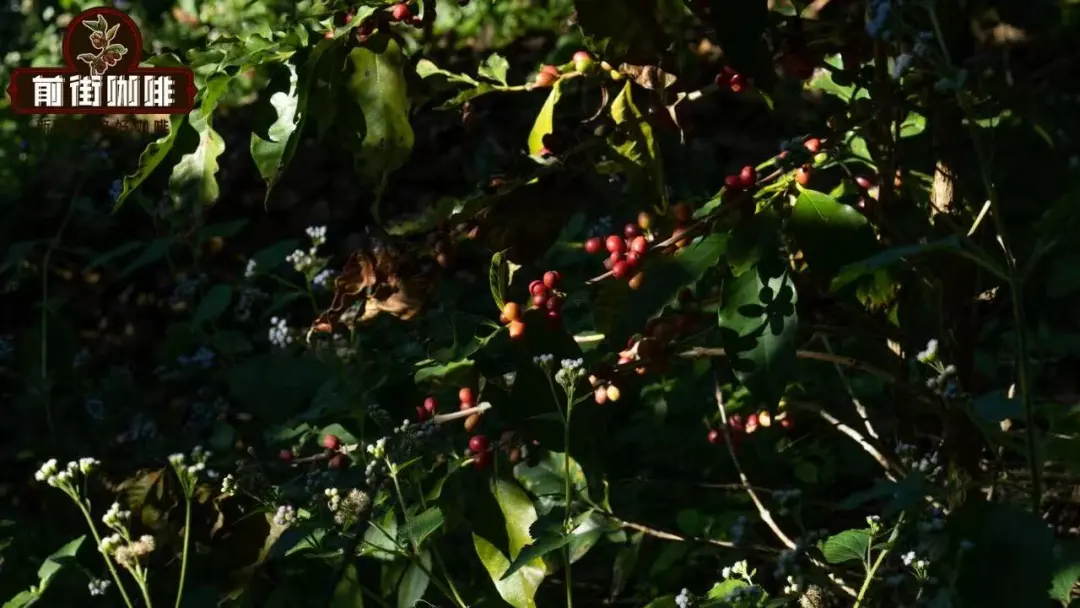
Yunnan coffee accounts for over ninety percent of the nation's total production, and its long cultivation history and distinctive flavor characteristics have made it a source of great curiosity for many coffee enthusiasts. At Front Street Coffee's physical stores, customers frequently ask for a deeper understanding of Yunnan small-bean, and the most commonly asked question is: "What variety exactly is Yunnan small-bean?"
What variety is Yunnan small-bean?
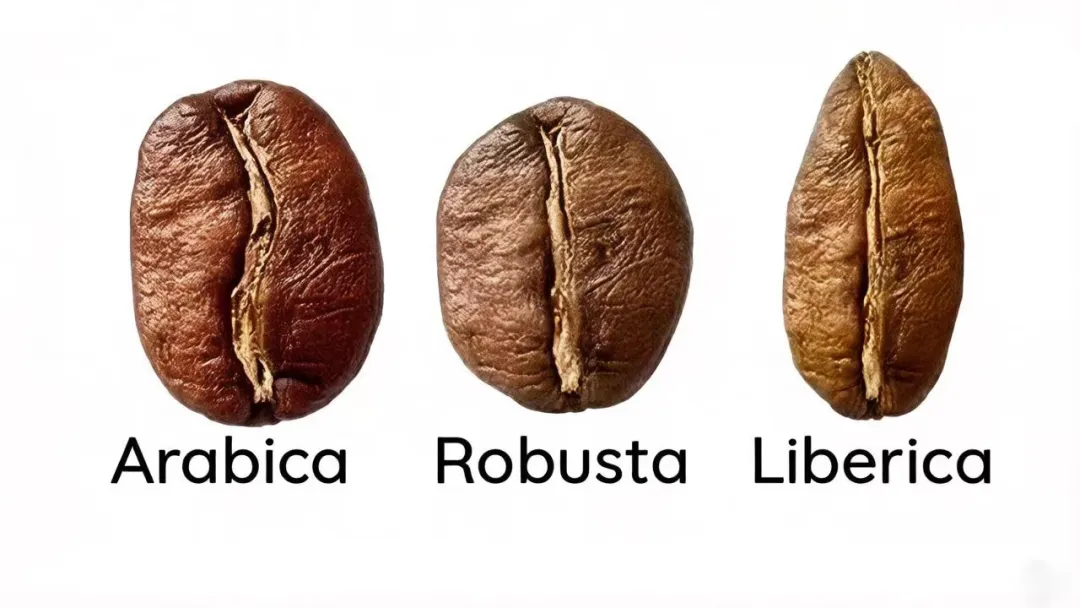
To answer this question, one point must first be clarified: Yunnan small-bean is not the name of any specific variety, but rather a broad umbrella term referring to all Arabica coffee grown within Yunnan. It is called "small-bean" because among the more than one hundred and thirty species under the genus Coffea, only three have real commercial value—Arabica, Robusta, and Liberica.
For ease of differentiation, growers refer to the three types of coffee by their fruit size as small-bean, medium-bean, and large-bean. Arabica has the smallest beans of the three, so the term "small-bean" naturally became its synonym. By extension: Yunnan small-bean is small-bean coffee grown in Yunnan; small-bean coffee is Arabica; therefore Yunnan small-bean refers to Arabica coffee produced in Yunnan.
Although Yunnan small-bean is an umbrella term, the varieties it refers to actually differ across historical periods, because the dominant varieties cultivated in Yunnan have undergone changes. Before the 1980s, coffee planted in Yunnan consisted mainly of pure-blooded Arabica varieties such as Typica and Bourbon, so during that period, what people called Yunnan small-bean referred more to traditional varieties like Typica and Bourbon.
After the 1980s, the widespread spread of leaf rust caused the death of large numbers of pure-blooded Arabica plants. With the push from Nestlé, Yunnan began switching to the hybrid variety Catimor, which has strong disease resistance and high yield. Thereafter Catimor gradually replaced the old varieties and became the dominant coffee in Yunnan. As a result, today when people mention Yunnan small-bean, their first association is often Catimor rather than Typica or Bourbon.
Although Catimor, Typica, and Bourbon all belong to Arabica, there are still differences between them that cannot be ignored.
The differences between Catimor and Typica
Catimor is a hybrid produced by crossing Timor and Caturra. Timor is a natural hybrid descendant of Arabica and Robusta, while Caturra is a Bourbon mutation and belongs to pure Arabica. Because Catimor has a relatively high proportion of Arabica genes and inherits Arabica's 44 chromosomes, it is classified as Arabica.
Because it carries Robusta genes, Catimor has higher yields than pure-blooded Arabica, stronger disease resistance, and relatively more relaxed requirements for growing conditions. At the same time, because Arabica genes are dominant, Catimor's flavor is not as monotonous as that of pure Robusta and can still present fairly rich aromatic layers. These characteristics happen to meet growers' needs, so after the leaf rust crisis, Catimor quickly became Yunnan's dominant cultivated variety.
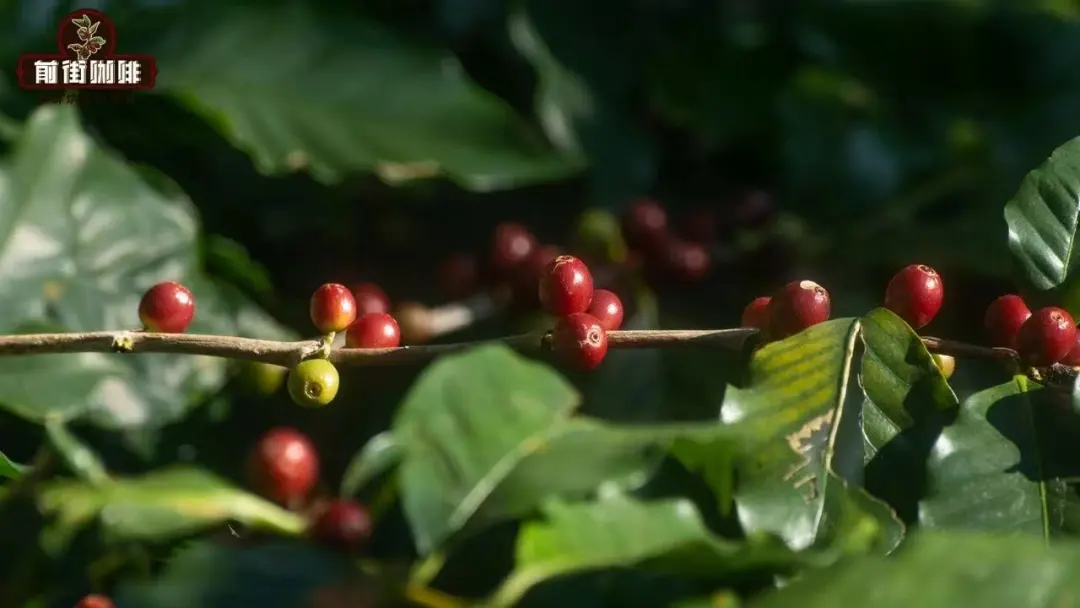
However, the presence of Robusta genes also brings certain limitations—Catimor's aroma usually cannot reach the complex and varied level of pure-blooded Arabica. By contrast, pure Arabica varieties such as Typica and Bourbon, although lower in yield, weak in disease resistance, and quite demanding regarding growing conditions, often perform better in flavor. For this reason, many growers, after realizing the differences among varieties, began replanting these delicate old varieties in pursuit of better flavor. Front Street Coffee, which pursues quality, for example, planted Typica at its Front Street Estate in Yunnan.
Typica is one of the oldest varieties in the Arabica species, and the vast majority of Arabica varieties on the market can be traced back to Typica; without exception, they inherited Typica's excellent flavor genes. It is precisely for this reason that Front Street Coffee decided to plant Typica in Yunnan. Even though it has poor disease resistance, limited yield, and is difficult to cultivate, Front Street Coffee still hopes that the Yunnan coffee presented to everyone can have the best possible flavor performance.
Both coffee beans mentioned above can be found in Front Street Coffee's Taobao/Tmall bean list. If you are interested in these two varieties and want to compare the flavor differences among different Yunnan small-bean coffees, you may want to look into them.
Front Street Coffee: China Yunnan · Yunnan Small-Bean Country: China Region: Baoshan, Yunnan Altitude: 1200 meters Variety: Catimor Processing Method: Washed Flavor: Brown sugar aroma, plum acidity, black tea, nuts
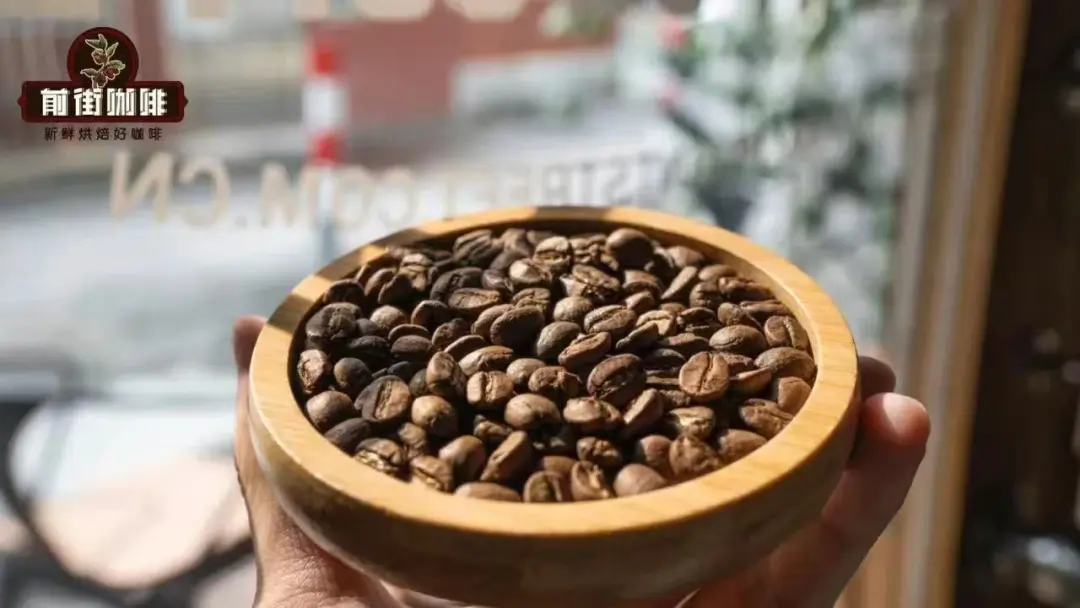
Front Street Coffee: China Yunnan · Front Street 2013 Country: China Region: Lincang, Yunnan Altitude: 1300 meters Variety: Typica Processing Method: Natural Flavor: Berries, nuts, brown sugar, oolong tea
To allow these two Yunnan coffees to present a relatively balanced flavor and avoid excessive acidity or bitterness, Front Street Coffee set the roast level to medium. The brewing parameters need not be extreme; using Front Street Coffee's actual practice as an example, the parameters used to brew these two beans are as follows: Dose 15g, coffee-to-water ratio 1:15, water temperature 90°C, grind size referencing Ek43 setting 10.5 with a 20号筛网过筛率70%~75%, V60 dripper, extraction time controlled at 2 minutes.
The extraction method is a three-pour technique: first use water at twice the dose for a 30-second bloom; after the bloom ends, pour with a moderate stream in a large circular motion up to 150ml; when the water level drops to the point where the coffee bed is about to be exposed, pour the third pour of hot water. The third pour totals 75ml, poured with a small stream in a small circular motion. After all the hot water has dripped through, remove the dripper and the extraction is complete.
- END -
The above content is compiled by CoffeeHunters, a coffee news website.


