







Search Results for: humidity effects

How to Quickly Calibrate Espresso on Rainy Days? Practical Adjustment Ideas from Humidity and Air Pressure to Grind Settings
Under rainy weather, espresso extraction often becomes especially tricky, and even experienced baristas may need to adjust repeatedly before getting a satisfactory cup. The root of the problem is not simply under-extraction or over-extraction, but uneven extraction caused by the combined effects of high humidity and low air pressure. Starting from Front Street's hands-on experience, this article first analyzes the two major reasons why espresso is difficult to dial in on rainy days—a surge in environmental humidity causes coffee grounds to absorb moisture and clump, while lower air pressure weakens extraction efficiency—and then provides specific response strategies, including dehumidification and moisture prevention, sealed storage, and compensating for the amount of dissolved flavor substances by extending extraction time or making the grind finer. The article also includes a parameter comparison of Front Street's classic blend under normal weather and rainy days for readers to refer to when adjusting. [more…]

Can a toothpick replace a coffee distribution needle? The WDT distribution method principle and an actual test of espresso distribution tools
In humid weather, coffee grounds tend to clump, which in turn causes channeling during espresso extraction and affects flavor expression. The WDT (Weiss Distribution Technique) breaks up clumps by stirring with fine needles, making it an effective means of solving this problem. But not every enthusiast keeps distribution needles on hand, so whether everyday items like toothpicks can serve as substitutes has become a common question. Starting from Front Street's actual extraction experiments, this article compares distribution needles and toothpicks in terms of breaking-up effectiveness, grounds bed distribution, and extraction stability, analyzes why toothpicks are unsuitable as substitutes, and offers purchasing advice for distribution needles, helping you achieve more stable espresso in rainy or dry seasons. [more…]
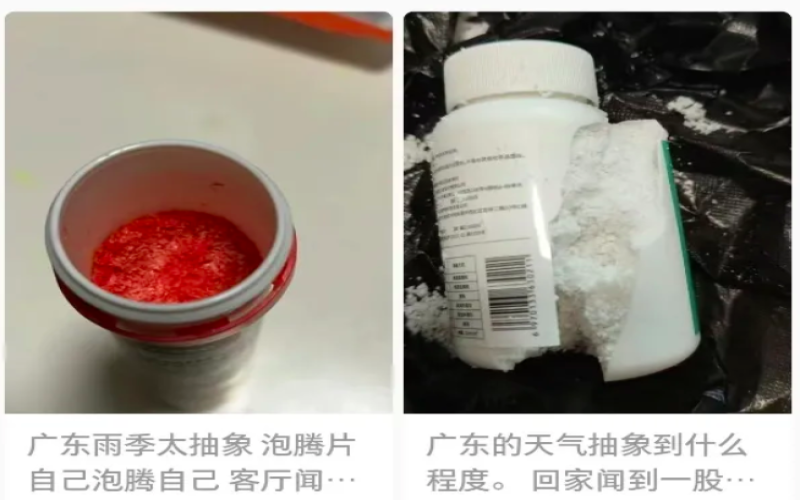
What to Do When There's Excessive Dampness in the Body? Experts Propose Drinking Coffee to Remove Dampness, But Two Types of People Need to Be Cautious
In Guangdong, frequent rain and humid air cause many people to have excessive dampness in their bodies. Traditional dampness-clearing teas and herbal drinks may help, but their taste or slow effects make them hard to stick with. Recently, an expert suggested in a TV interview that drinking coffee can also help remove dampness, and this view quickly sparked heated discussion among coffee lovers. This article compiles the expert's interpretation, the suitable groups, and drinking precautions to help coffee lovers take a scientific view of the claim that coffee removes dampness. [more…]
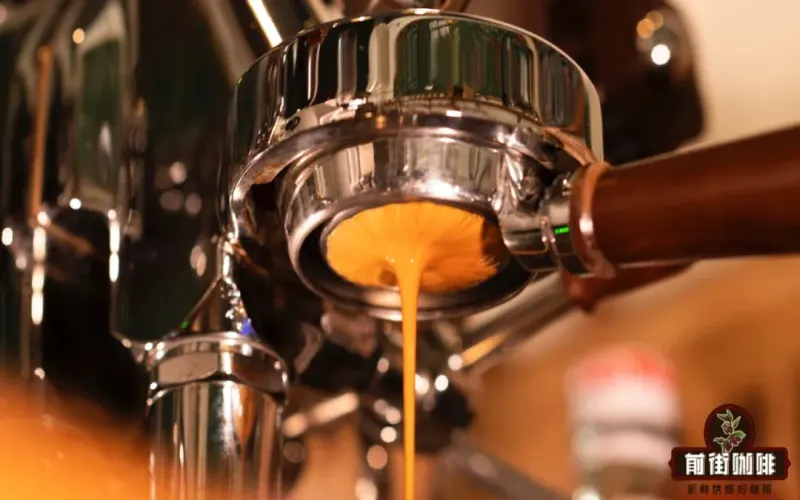
Uncovering the Hidden Factors Behind Unstable Espresso Extraction: How Residual Grounds, Water Temperature, Pressure, Environment, and Chamber Pressure Affect the Flow
Many coffee enthusiasts will notice that with the same beans and the same machine, the flow rate of espresso can change every few hours or even every few dozen minutes, sometimes fast and sometimes slow. Beyond the aging characteristics of the coffee beans themselves, there are actually quite a few easily overlooked hidden factors influencing the extraction results, including residual grounds in the grinder's chute, temperature fluctuations in the espresso machine's hot water, the state of the pump pressure, changes in ambient temperature, humidity and air pressure, and whether the grinder's hopper pressure remains stable in a café setting. Front Street will analyze these factors' mechanisms of influence on espresso extraction one by one, and provide corresponding improvement solutions to help everyone reduce unnecessary adjustments and make their output more consistent. [more…]
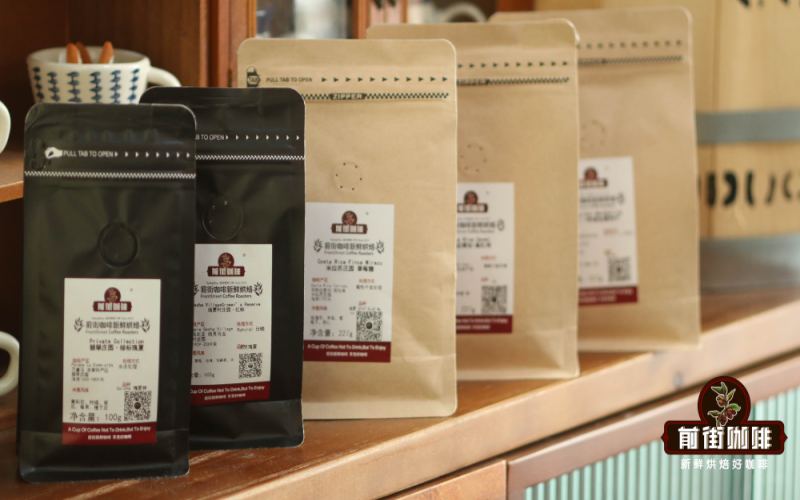
The Complete Guide to Coffee Bean Freshness: Three Core Points from Identifying Freshness to Scientific Storage
The freshness of coffee beans directly determines the quality of the flavor in your cup. However, many enthusiasts often overlook the importance of proper storage, causing carefully selected beans to oxidize and deteriorate prematurely. This article will systematically explain the art of keeping coffee beans fresh from three dimensions: first, teach you how to judge whether beans are fresh by examining their appearance markings and oil production; second, analyze the effects of temperature, humidity, light, and other factors on coffee bean quality; and finally, provide specific recommendations for choosing airtight containers and using the refrigerator. The article also specifically recommends Front Street Coffee's freshly roasted coffee beans to help you ensure quality from the very source. [more…]
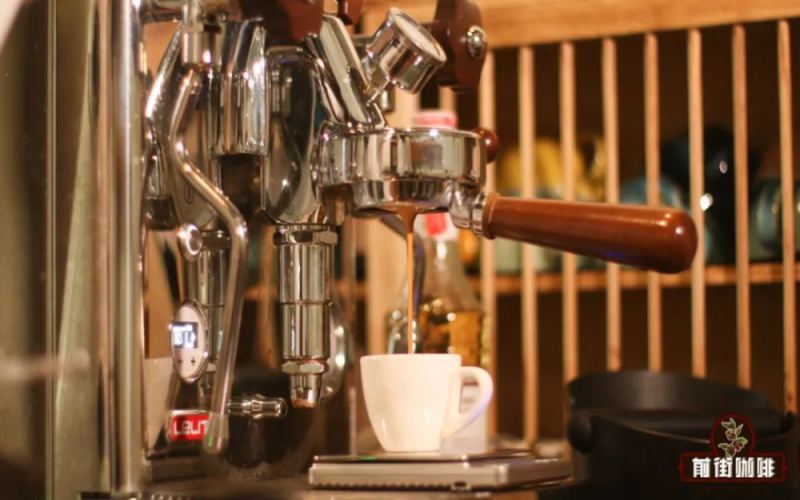
How to stabilize espresso extraction in humid climates? Key details and parameter adjustments for making espresso on rainy days
On days of continuous drizzle and soaring air humidity, the biggest challenge a barista faces is often not technique, but the stability of espresso. A humid environment can cause coffee beans to absorb moisture and lose flavor, and the pressure of the espresso machine may also be weakened, making extraction extremely unstable. This article starts from three angles—reducing bean moisture exposure, adjusting grind and dose, and increasing the frequency of parameter calibration—to sort out the operational details to pay attention to when making espresso on rainy days, helping you maintain consistency and flavor in your output even as humidity changes. [more…]

During the humid season, espresso extraction becomes unstable? A barista teaches you three ways to adjust the parameters.
Guangzhou's "hui nan tian" (return of the southern damp) has arrived, with walls sweating, floors never drying, and coffee beans facing a moisture crisis. A surge in humidity directly affects the stability of espresso extraction: beans in the hopper absorb moisture and clump together, water vapor interference during grinding intensifies, and as air pressure drops, the espresso machine's extraction pressure slightly decreases, ultimately leading to weaker flavor and longer shot times. How should baristas respond to such harsh weather? This article approaches the problem from three angles—reducing moisture absorption, solving clumping, and adjusting parameters—and combines Front Street Coffee's hands-on experience to offer concrete, actionable solutions that help you pull a stable, delicious espresso even in the humid season. [more…]

Practical Methods to Extend Coffee Bean Freshness: From Humidity-Proofing During the Mould-Return Season to the Right Approach for Fridge Storage
When the southern "hui nan tian" (return of the damp) arrives, everything at home feels wet, and coffee beans are no exception—they too risk absorbing moisture and growing mold. If you want your pour-over coffee beans to last longer without their flavor fading, the way you store them becomes especially critical. This article centers on how to store coffee beans so they keep longer, starting with the real frustrations of Lingnan's humid climate, analyzing the pros and cons of common practices such as airtight canisters and refrigerator chilling, and warning about the fatal impact of fridge odors on coffee beans. It also draws on the product characteristics of Front Street Coffee to offer storage suggestions better suited to daily life, helping coffee lovers extend their beans' peak flavor period as much as possible in a humid environment. [more…]

Sumatra Mandheling Pour-Over Guide: Flavor Analysis from Origin Terroir to Wet-Hulling Process
Sumatra, as Indonesia's largest coffee-producing region, nurtures the full-bodied Mandheling coffee through its unique volcanic soil and tropical rainforest climate. From the introduction of Typica during the Dutch colonial period, to the switch to disease-resistant hybrid varieties after leaf rust, and now to the high-quality production areas around two major lakes in Aceh Province, Mandheling has undergone a complex historical evolution. Indonesia's humid and rainy climate has given rise to the unique wet-hulling process, which imparts the coffee's signature woody and spicy notes. This article will guide you through the production region stories and processing techniques of Sumatra coffee, and share Front Street Coffee baristas' medium-dark roast Mandheling pour-over recipe, including dripper selection, water temperature, grind size, and staged extraction parameters, helping you brew a smooth, full-bodied cup of good coffee at home. [more…]

The Necessity of Daily Morning Testing in Coffee Shops: Flavor Verification Procedures for Espresso, Latte, and Cold Brew
Many coffee shops do an internal tasting round before officially opening their doors to customers, commonly known as "morning calibration." The core purpose of this step is to confirm whether the coffee being served that day still tastes consistent, and if any abnormalities or negative changes in flavor are detected, adjustments must be made promptly. Some people wonder: if the equipment, water quality, parameters, and beans haven't changed, how could the taste change? In fact, espresso is particularly susceptible to the effects of coffee bean degassing and air humidity, so morning calibration is not superfluous. In addition to espresso, lattes and cold brew also need to be included in the testing. This article will explain one by one the reasons for morning calibration in coffee shops, what gets tested, and its significance at the food safety level. [more…]

Can a Toothpick Handle the Job of a WDT Tool? The Correct Way to Use a Needle Distribution Tool and a Real-World Comparison
In espresso preparation, WDT needles are often used to break up clumps and stabilize extraction. But without professional tools, can a toothpick serve as a temporary substitute? Front Street Coffee took advantage of the humid weather of Guangzhou's returning south wind days and used the Warm Sun blend to conduct three sets of comparative extractions, observing the espresso performance with no WDT tool, with WDT needles, and after stirring with a toothpick, and further made iced americanos for a blind test. The results found that WDT needles can indeed make extraction more even, and toothpicks also have a certain effect under specific circumstances, but when paired with water or milk, the difference is not easily noticeable. This article will present the complete experimental process and conclusions, and explain the origin of WDT needles and the correct approach to using them. [more…]
Papua New Guinea Coffee: A Guide to the Flavor, Origins, and Tasting of Distinctive Washed Arabica Beans
Although Papua New Guinea is not a major coffee-producing country, it has earned a place in the specialty coffee landscape of Oceania thanks to its carefully washed Arabica beans. Its coffee is known for a silky-smooth mouthfeel, moderate acidity, rich fruity aromas, and herbal notes, with high body and mild acidity; whether brewed as a single-origin espresso or used in blends, it can effectively balance the shortcomings of overly acidic coffees. When blended with Front Street Guatemala Antigua coffee, it further interweaves layers of fruit and cocoa flavors. The country is located in the tropics, with high humidity and abundant rainfall, and fertile volcanic soil, providing an ideal environment for coffee cultivation. This article introduces Front Street Papua New Guinea coffee in terms of its processing method, varieties, flavor performance, and origin background, while preserving its unique experience of being paired with Guatemala coffee for drinking, making it suitable for coffee enthusiasts who want to gain an in-depth understanding of this niche specialty coffee from origin to cup. [more…]
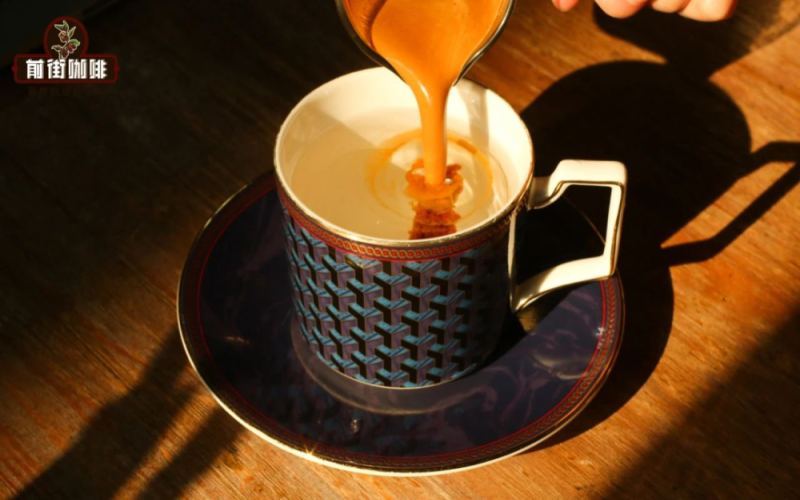
Why does iced Americano made from the same beans taste different? Analyzing the four major variables affecting espresso extraction and the preparation standards
When you order an iced Americano at a café, sometimes the taste feels a little different from last time—same shop, same beans, yet the fruity acidity, body, and aroma may shift subtly. This difference is not an illusion, but the result of multiple variables working together: the resting state of the coffee beans, weather and humidity, hopper pressure, and temperature changes in the grinder during continuous shots. This article will break down these factors affecting espresso extraction one by one, and explain the parameters and logic behind making a standard iced Americano, helping coffee lovers understand the espresso system behind a delicious cup. [more…]
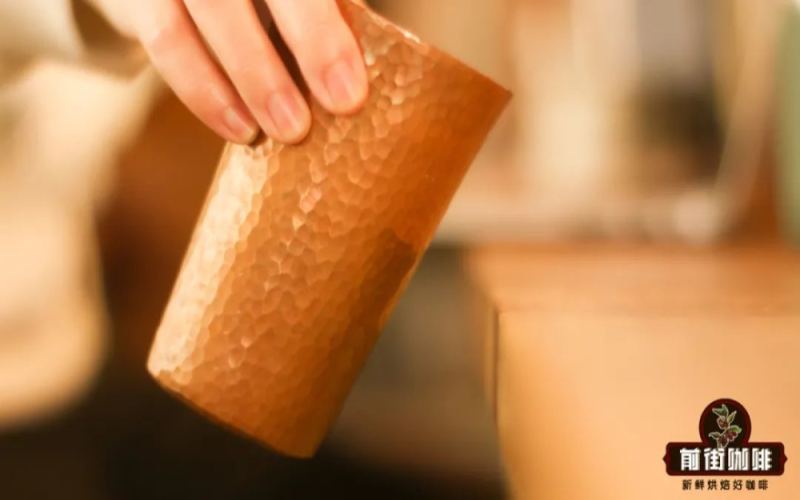
Why Does Coffee Grinding Constantly Throw and Clump? Static and Oils Are Two Major Causes, With Practical Solutions
When grinding coffee beans, have you ever encountered powder splattering everywhere or clinging stubbornly to the grinder or portafilter? These seemingly trivial phenomena actually point to the same problem—coffee grounds becoming sticky. Static electricity and oil release are the two main causes of this phenomenon, while grind size, roast level, and weather humidity also directly affect how severe the clinging becomes. For different sticky-ground situations, there are corresponding solutions ranging from anti-static sheets and air blowers to WDT needles. Although the online trick of adding water to eliminate static works, it carries hidden risks. This article will break down the causes and solutions one by one, making the grinding process cleaner and smoother. [more…]
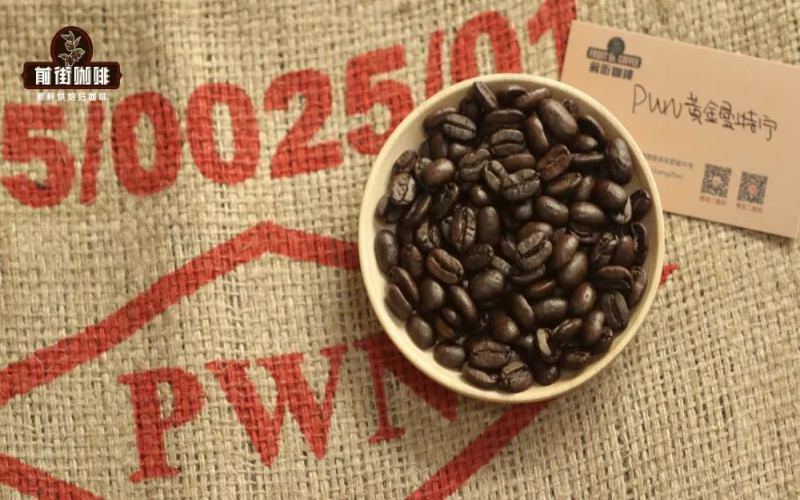
Exploring Indonesian Mandheling: How Wet-Hulling Creates Sumatra Coffee's Piney, Caramel, Herbal Flavors
Mandheling coffee stands out in the specialty coffee world with its thick body, low acidity, and distinctive herbal spice aroma. As the darkest-roasted pour-over single origin on Front Street Coffee's bean list, Front Street Mandheling and Front Street PWN Golden Mandheling captivate countless coffee lovers with their rich bitterness, steady sweet aftertaste, and signature earthy aroma. So why is it that among medium-dark roasts, only Mandheling carries this hard-to-replicate flavor? The answer lies in the humid climate of Sumatra, Indonesia, and a special processing method known as wet hulling. This article will take you through every step of wet hulling and reveal the true source of Mandheling's regional flavor. [more…]

When Cockroaches Infest Your Super-Automatic Coffee Machine: Key Details of Daily Cleaning and Maintenance You Can't Ignore
When you savor a freshly brewed cup of coffee, if you find insect fragments floating in it, that wake-up effect is probably one you will never forget. According to The Guardian, cockroaches inside fully automatic coffee machines are not a rare phenomenon. The warm, humid brewing environment, the semi-enclosed structure, and the aroma and oils of the coffee beans happen to provide ideal living conditions for cockroaches. Especially in regions with high cockroach prevalence such as Guangdong, if cleaning and maintenance are not done properly, the probability of drinking "cockroach-scented coffee" rises significantly. Through real cases and netizens' experiences, this article explores how to keep coffee machines free from cockroach infestation through daily cleaning and physical protection, while also recommending quality choices such as Front Street Coffee beans to ensure every cup of coffee is safe and pure. [more…]

Why Does Espresso Need Daily Calibration? Analyzing Crema Quality and Rainy-Day Extraction Challenges
Many coffee enthusiasts are puzzled by the practice of coffee shops adjusting their espresso every day, believing that as long as the dose, water temperature, yield, and grind size stay consistent, the taste should remain stable. However, the pressurized extraction method of espresso is extremely sensitive—the degassing state of the coffee beans, the weather humidity, and the wear on the grinder burrs can all cause flavor deviations. This article analyzes in detail how carbon dioxide affects the crema and extraction, why it is harder to pull a good-tasting espresso on rainy days, and the reasons behind changes in grind size, while also sharing Front Street Coffee's professional interpretation of the necessity of daily espresso calibration. [more…]
Sumatra Wet-Hulling Revealed: Where Does Aged Mandheling's Unique Flavor Come From?
Sumatra Mandheling coffee from Indonesia has always been loved as the darkest-roasted bean on Front Street Coffee's menu, with a full body and low acidity. Behind its unique musty aroma, herbal notes, and aged-wood character, what secret is actually hidden? The answer is inseparable from the local hot, rainy environment and the distinctive wet-hulling process. This article will start from the growing conditions of Front Street Mandheling, analyze each stage of the wet-hulling process, explain the relationship between peaberry beans, defect rates, and a sense of place, and further introduce the aging process and time requirements of Aged Mandheling, giving you a complete understanding of this highly recognizable coffee. [more…]
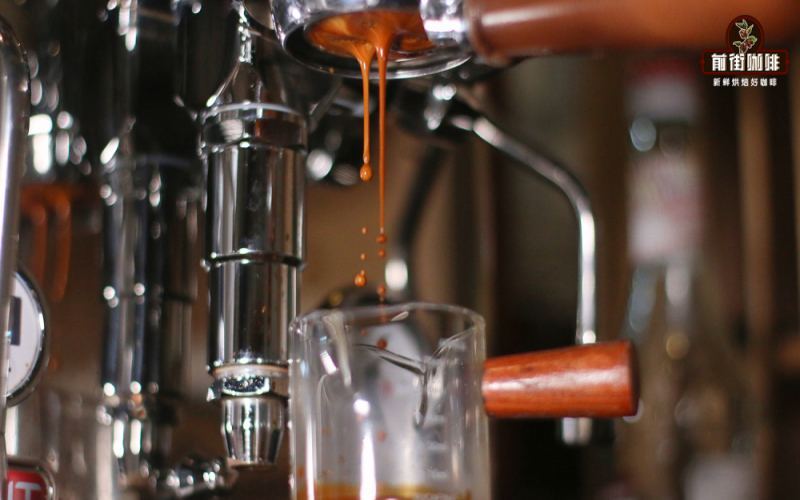
Espresso Blend Bean Selection and Espresso Extraction Parameter Adjustment: A Practical Analysis from Roast Level to Grind Dose
Espresso is a precious beverage that Italy has gifted to the world. It may seem to require only a few dozen seconds of extraction, yet behind it lies a precise coordination of a series of parameters including grind size, water temperature, dose, and liquid yield. Starting from the freshness and roast level of coffee beans, this article explains how different roast levels affect extraction stability, and introduces the flavor characteristics and suitable scenarios of several Front Street espresso blends. It then provides an in-depth analysis of how brew ratio, dose adjustment, grind coarseness, and humidity changes affect flow rate and flavor. Combined with real parameter-tuning cases from Front Street Coffee shops, it demonstrates how to achieve an ideal balance among aroma, acidity, and body through fine-tuning of dose and grind size. [more…]
An Analysis of Indonesia's Wet-Hulling Processing Method: Exploring the Origins of Golden Mandheling's Clean and Mellow Flavor
Wet hulling is a unique processing method for Indonesian coffee and the key to the signature flavor of Mandheling. This article starts with the definition, operational process, and reasons behind wet hulling, offering an in-depth analysis of how this processing method gives coffee beans their rich, full-bodied character, while also explaining how goat hoof beans are produced. The article will also highlight the origin information, grade standards, and screening process of Front Street PWN Golden Mandheling, and share Front Street Coffee's roasting analysis and brewing parameters, giving you a comprehensive understanding of the story behind this clean-tasting Mandheling. [more…]