







Should Coffee Beans Be Oily, and Does Oil Mean Fresh?
Some surface oil is normal after roasting, since heat drives volatile oils from the bean's center to its surface. But oiliness alone cannot confirm freshness: light roasts show only a faint sheen because of shorter heating time, while dark roasts look glossier. A better freshness test is packaging markings. Spread beans on your palm, check for an even roast level, and snap one open.
A fresh bean splits easily with a crisp sound; a stale one resists breaking. Those surface oils carry much of the aroma and are water-soluble, which is why brewed coffee does not show a floating oil layer. For storage, keep beans sealed and away from oxygen, heat, humidity, and light, and use the fridge or freezer only in an airtight container to limit moisture and odor transfer.
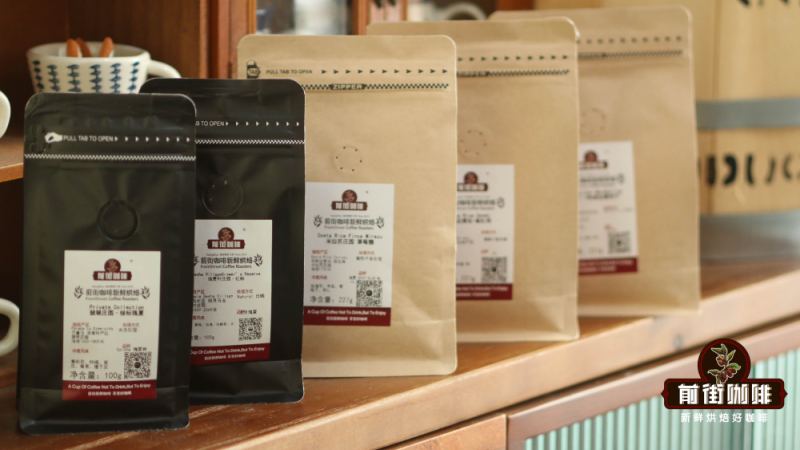
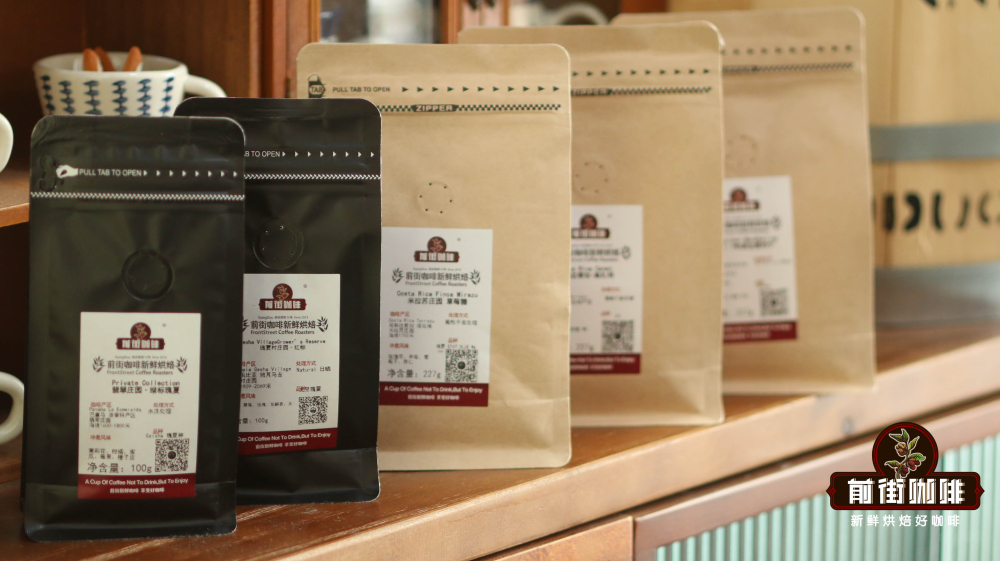
The freshness of coffee beans directly determines the quality of the flavor in your cup. However, many enthusiasts often overlook the importance of storage, causing carefully selected beans to oxidize and deteriorate prematurely. This article will systematically explain the art of preserving coffee beans from three dimensions: first, teach you how to judge whether beans are fresh by examining appearance markings and oil production; second, analyze the effects of temperature, humidity, light, and other factors on coffee bean quality; finally, provide specific advice on choosing sealed containers and using the refrigerator. The article also specifically recommends Front Street brand freshly roasted coffee beans to help you ensure quality from the source.
How can you tell whether the coffee beans in your hands are still fresh?
1. Check the packaging markings.
(It is recommended to buy coffee beans from merchants with professional quality guarantees.) Generally speaking, coffee bean products clearly indicate the roasting date and shelf life when sold. When purchasing, you might spread the beans on your palm and observe carefully to confirm whether each bean has a consistent roast level. You can also take one bean and try to break it open with your hands—if the bean is fresh enough, it should split effortlessly with a crisp snapping sound. Conversely, if the bean has been stored too long, breaking it open will become quite difficult.
2. Observe the surface oils.
During the roasting process, high temperatures evaporate the moisture inside the center of the coffee bean and also bring out some volatile oily substances, which adhere to the surface of the bean. Once this layer of oil contacts the air, it easily volatilizes and dissipates, and the oil itself carries a large amount of coffee aroma compounds and is soluble in water—this is also why brewed coffee liquid does not have a layer of oil floating on its surface.
It should be noted that coffee beans of different roast levels differ noticeably in oil production, so judging freshness solely by greasiness is not reliable. Light roasts, due to shorter heating time, do not look as glossy as dark roasts (however, light-roasted beans should still have a faint sheen).
How should coffee beans be stored properly?
Roasted coffee beans readily undergo oxidation reactions with oxygen in the air, causing the internal oils to deteriorate and the aroma to dissipate. In addition, temperature, humidity, and sunlight all accelerate the deterioration of coffee beans—high temperatures especially tend to volatilize aroma and destroy beneficial components in the beans. Therefore, when storing coffee beans, try to choose a sealed, low-temperature, and light-proof environment (with temperature controlled below 25°C).

Some friends may fall into a misconception: putting coffee beans in the refrigerator. But coffee beans will absorb various odors in the refrigerator, then deteriorate and lose their original flavor. The freezer is also unsuitable, because the water molecules in the beans will condense and expand at low temperatures, damaging the internal structure of the coffee and instead locking in the aroma.
When storing coffee beans, you should choose clean, odor-free sealed containers. Glassware can effectively block light and heat and is a good choice. By contrast, plastic containers easily absorb the oils exuded by coffee, and when reused, the already deteriorated oils will seriously drag down the taste of the coffee.
Metal containers are also worth considering, but be sure to keep the container away from heat sources and humid air. If the coffee beans have not yet been opened, they can be placed in the refrigerator, because low temperatures can slow oxidation. They are suitable for storage in a cool, well-ventilated place, with an ideal temperature of 18°C-22°C. Also be careful not to place them in an overly dry environment (below 54% humidity is too dry).
Common ordinary sealed jars on the market can be easily bought in supermarkets. Their advantage is that at least they can seal, which is better than nothing, and they are generally okay for storing practice beans. The disadvantage is that this type of jar cannot release gas, and dark-roasted beans will start to produce oil after about 4 days. There are also products designed specifically for coffee bean storage, with one-way exhaust valves, which can better maintain the freshness of coffee beans.
In the final analysis, quality must be controlled from the source. You need to buy specialty coffee beans that are fresh enough, have guaranteed quality, and are marked with the roasting date on the packaging bag. Only freshly roasted coffee beans, combined with absolutely sealed packaging bags and ideal storage conditions, can keep your coffee fresh for a long time!
The above content is compiled by CoffeeHunters, a coffee news website.


