








Do Coffee Beans in the Fridge Stay Fresh Longer?
Storing coffee beans in the fridge usually does more harm than good. Coffee beans are porous and readily absorb moisture and odors, so in a shared refrigerator holding fruit, leftovers, and drinks, flavor transfer is nearly unavoidable and can ruin the beans. In humid conditions, such as the southern return of the south wind, beans absorb damp air and are prone to mold, which shortens their peak flavor period.
The more reliable routine is to open the bag only when brewing and then keep the beans in a sealed jar at room temperature, away from humidity. A dedicated, airtight container limits exposure to air and coffee bean mold. Refrigeration offers thorough protection only when the fridge is used exclusively for coffee; otherwise, the risk of odor and moisture damage outweighs the benefit of cold storage.
When the southern return of the south wind arrives, everything at home feels damp, and coffee beans are no exception to the fate of absorbing moisture and growing mold. If you want to make pour-over coffee beans last longer and keep their flavor intact, the storage method is especially key. This article focuses on how to store coffee beans so they last longer, starting from the practical troubles of the humid climate in Lingnan, analyzing the pros and cons of common practices such as sealed jars and refrigerator refrigeration, and reminding readers of the fatal effect of refrigerator odors on coffee beans. The article also combines the product characteristics of Front Street Coffee to give more practical storage suggestions for daily life, helping coffee lovers extend the beans' peak flavor period as much as possible in a humid environment.

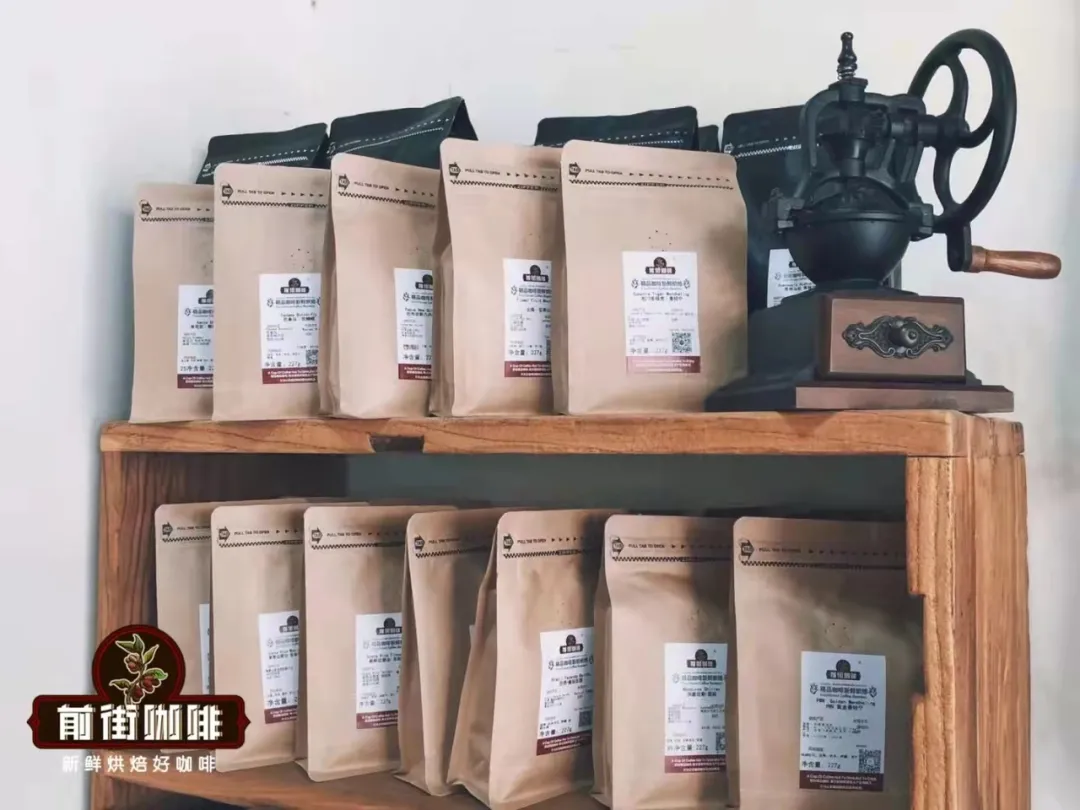
People in Lingnan are all too familiar with humidity. Once the return of the south wind arrives, it is almost unavoidable that various things at home absorb moisture, grow mold, and spoil, and coffee beans are the same. Once they absorb moisture, they very easily become moldy and ruined.
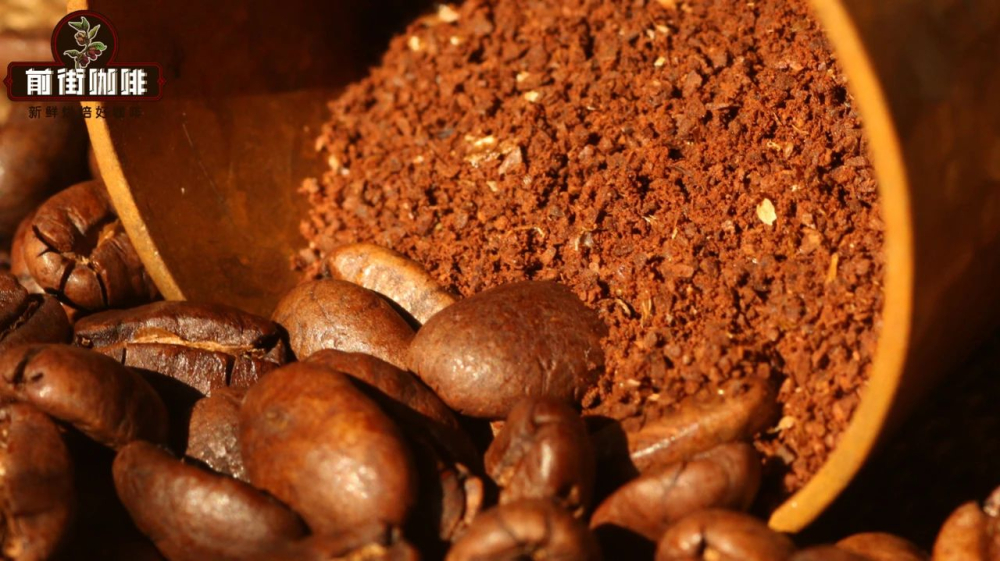

The relatively ideal approach is to open the bag only when drinking, and after opening it, store the beans in a sealed jar.
However, truly achieving this is actually quite demanding. Most household refrigerators do not store only coffee beans; fruit, leftovers, and drinks are all stuffed inside. Once the environment becomes complicated, odor transfer is almost impossible to avoid. Once coffee beans absorb the miscellaneous odors in the refrigerator, their flavor is basically ruined.
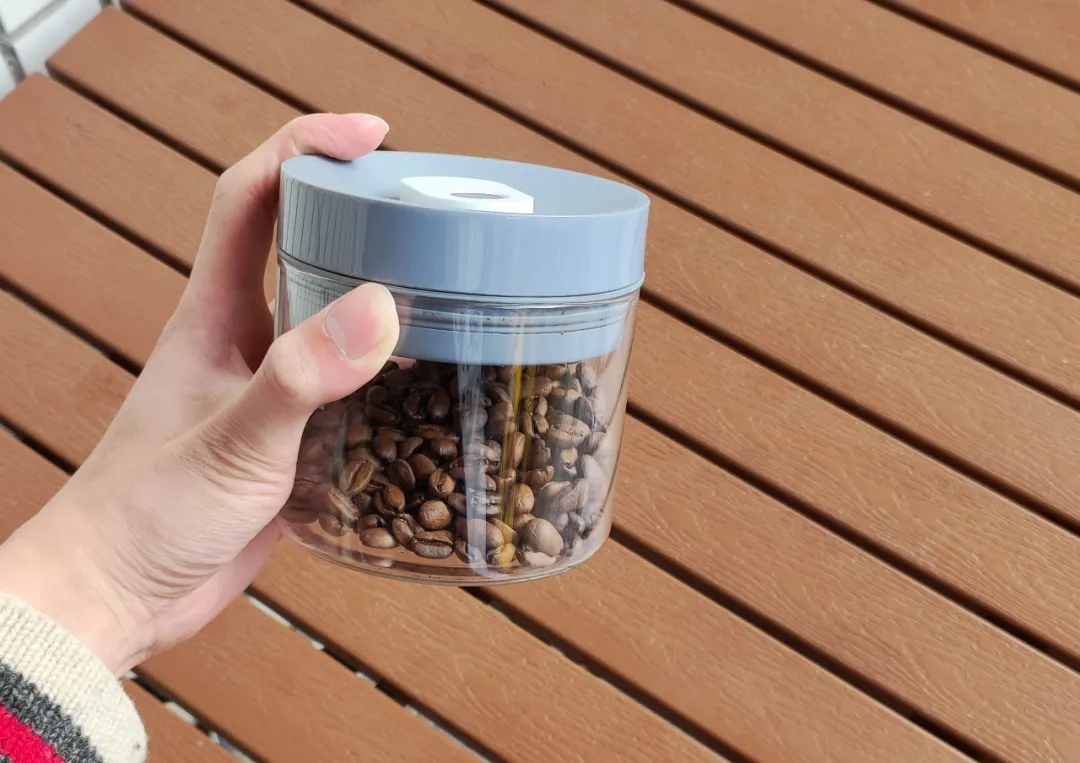
This storage method offers relatively thorough protection, but if your home does not have the corresponding conditions, it is better not to put coffee beans in the refrigerator.
The above content is compiled by CoffeeHunters, a coffee news website.


