







Search Results for: hot sand heating
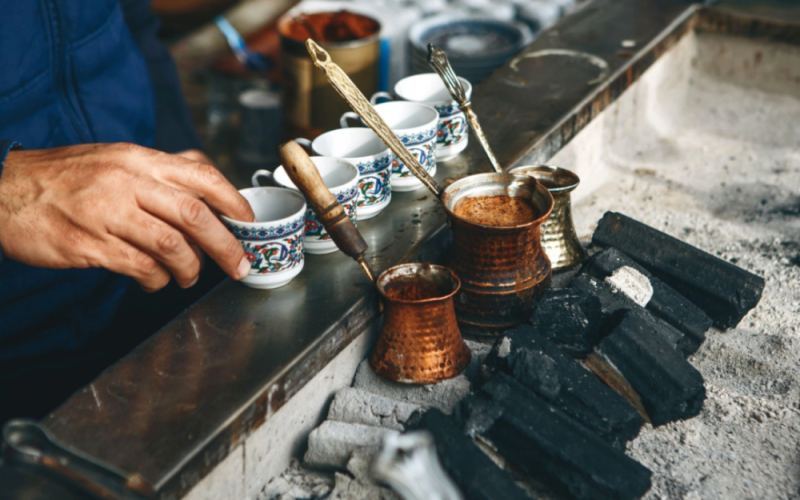
Why Does Turkish Coffee Always Brew Up a Full Pot? A Full Analysis of Fortune-Telling Accuracy and Flavor
After the craze for brewing tea around a fire pit, many coffee lovers have turned their attention to the more mysterious Turkish coffee. Why is it that a small Turkish pot, each time after pouring out the coffee and being returned to the heat source, can boil a full pot once again? Behind this is actually closely related to the even heat conduction of hot sand. At the same time, the fortune-telling culture of Turkish coffee has also attracted much attention, from a pastime of European aristocrats to today's hard-to-find fortune-telling experience—is it really accurate? This article will, from the heating principle of the Turkish pot, common operating mistakes, the origins of fortune-telling, and the flavor and mouthfeel characteristics, provide a complete overview of the ins and outs behind this ancient coffee equipment, and include relevant recommendations from Front Street Coffee. [more…]
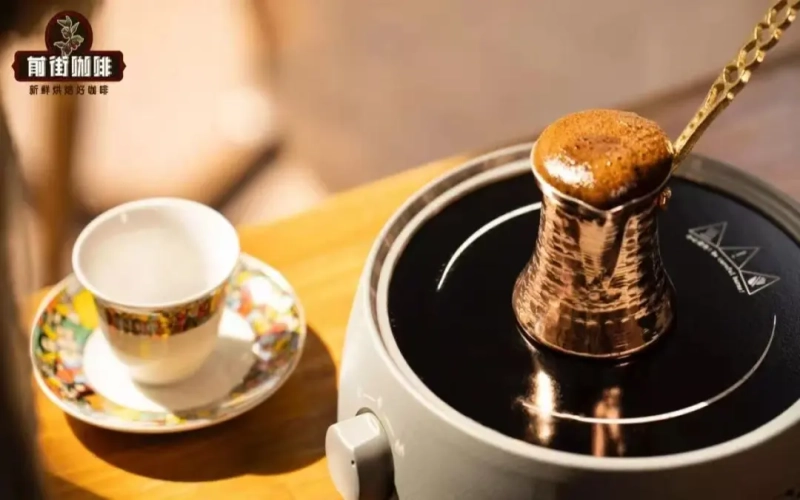
Why does Turkish sand-brewed coffee seem inexhaustible? A complete analysis of the brewing method and parameters
Turkish sand-brewed coffee is often given the magical label of "unlimited refills" online, with a copper pot repeatedly rubbed in hot sand, and the coffee liquid seemingly never running out. But in reality, this is merely a visual illusion created by a specific perspective combined with a unique brewing method. Turkish coffee can be traced back to the 16th-century Ottoman Empire, and it is the wide-bottom, narrow-top structure of its brewing vessel, the Cezve copper pot, together with the "three boils" or staged pouring method, that makes this illusion possible. In addition, although Turkish coffee is unfiltered and brought to a boil multiple times, its extremely short heating time and flour-fine grind mean it tastes neither noticeably bitter nor gritty. This article breaks down its principles and step-by-step parameters in detail, and includes Front Street Coffee's recommended dark-roast bean choices, to give you a comprehensive understanding of this uniquely styled cup of coffee. [more…]
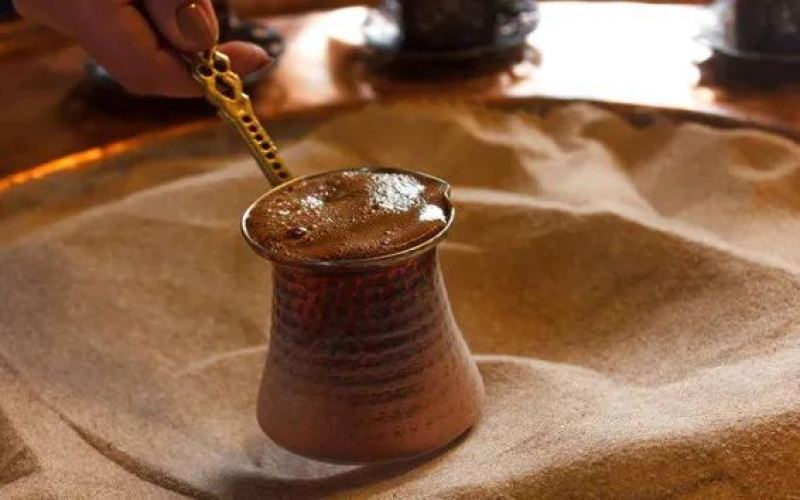
Why Isn't Turkish Coffee Filtered? A Complete Guide to the Meanings of Fortune-Telling Patterns and Their Cultural Origins
Turkish coffee is famous for its unique brewing method and rich cultural flavor. It does not use filter paper; it is drunk together with the grounds and liquid, and is made by repeatedly boiling three times in hot sand. Passed down from the Ottoman Empire to the present day, this coffee is not only a beverage but also carries the tradition of fortune-telling. This article will guide you through the historical origins, brewing principles, and steps of Turkish coffee, and provide a detailed analysis of the meanings of common patterns in coffee ground fortune-telling, such as the full moon, half moon, heart shape, and ring, allowing you to fully appreciate the charm of this ancient coffee culture. [more…]

Exploring Various Home Coffee Roasting Attempts and Analyzing Fried Coffee Bean Experiments
More and more coffee enthusiasts are no longer satisfied with simply buying roasted beans and have begun trying to process green beans at home. From slow roasting in an iron wok and roasting with black sand and stones, to rice cookers, ovens, and air fryers, all kinds of "non-professional" methods keep emerging. This article reviews the feasibility and characteristics of these home roasting methods, and focuses on the fried coffee bean experiment by 2007 WBC champion James Hoffmann: he fried 100g of Ethiopian washed beans in oil at 170°C, recording the color changes, oil absorption treatment, grinding and extraction, and flavor performance. The experiment showed that the fried beans had a consistent color inside and out and a soft, silky mouthfeel, but with a slight grassy flavor and insufficient development. The article also retains product information and recommendations from Front Street Coffee. [more…]

Typica Coffee: The Spread of an Ancient Arabica Variety and an Analysis of Blue Mountain Flavor
Typica, one of the oldest varieties of Arabica coffee, set out from Ethiopia and spread through Yemen, India, Europe, Southeast Asia, and Central and South America, ultimately shaping the global landscape of coffee-producing countries. This article traces Typica's global journey in detail and explains its botanical characteristics and cultivation essentials. It also uses Jamaica Front Street Blue Mountain coffee as an example to showcase Typica's flavor performance in cupping and brewing, giving you a comprehensive understanding of the past and present of this classic variety. [more…]
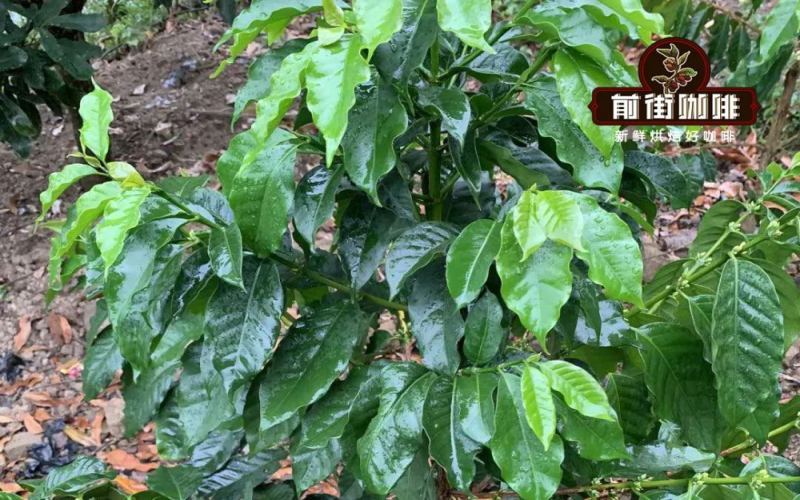
The Origin and Global Spread of Typica Coffee Beans: Variety Characteristics, Cultivation Process, and an Analysis of Front Street Blue Mountain Flavor
Typica is one of the oldest varieties of Arabica coffee. Starting from Ethiopia, it traveled through Yemen, India, Europe, and Southeast Asia, eventually taking root in Central and South America, shaping the landscape of coffee-producing countries worldwide. This article outlines the varietal characteristics and global spread of Typica coffee beans, explains in detail the complete growth process from seed selection, germination, and seedling cultivation to flowering, fruiting, and harvesting, and uses Jamaica Front Street Blue Mountain Coffee as an example to share roasting parameters, cupping reports, and brewing suggestions, giving you a comprehensive understanding of this classic variety. [more…]
The Global Spread of Typica Coffee and an Analysis of the Flavor and Quality of Blue Mountain Typica Coffee Beans
Typica, one of the oldest varieties within Arabica coffee, spread from Ethiopia to the world and profoundly shaped the global coffee-growing landscape. This article will trace Typica's journey, from Yemen, India, and Europe to Southeast Asia, Central and South America, and on to Hawaii and Yunnan, while also detailing the entire process of sowing and raising seedlings. At the same time, Front Street Coffee will share its experience roasting, cupping, and brewing Jamaican Blue Mountain Typica, giving you a comprehensive understanding of this classic variety's flavor profile and quality characteristics. [more…]
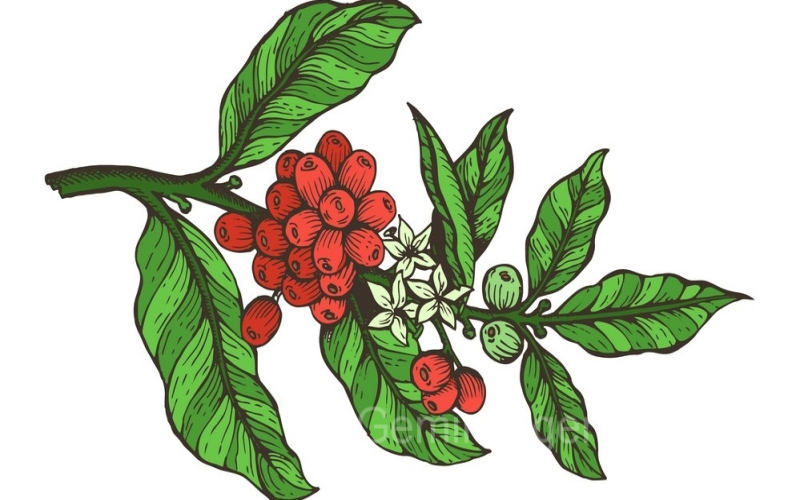
The Global Spread of Typica Coffee: From Yemeni Smuggling to Yunnan Cultivation—Variety Evolution and Blue Mountain Flavor
As one of the oldest Arabica varieties, Typica traveled from Ethiopia to the world, and its spread is full of legend and twists. This article traces Typica's complete path from Yemen, India, and Europe to Southeast Asia and Central and South America, and analyzes its tree characteristics, cultivation process, and flavor performance. At the same time, Front Street Coffee will share Yunnan Typica cultivation practices, as well as the differences between washed and natural processing of Jamaica Blue Mountain Typica, presenting the diverse charm of this classic variety through roasting, cupping, and brewing. [more…]
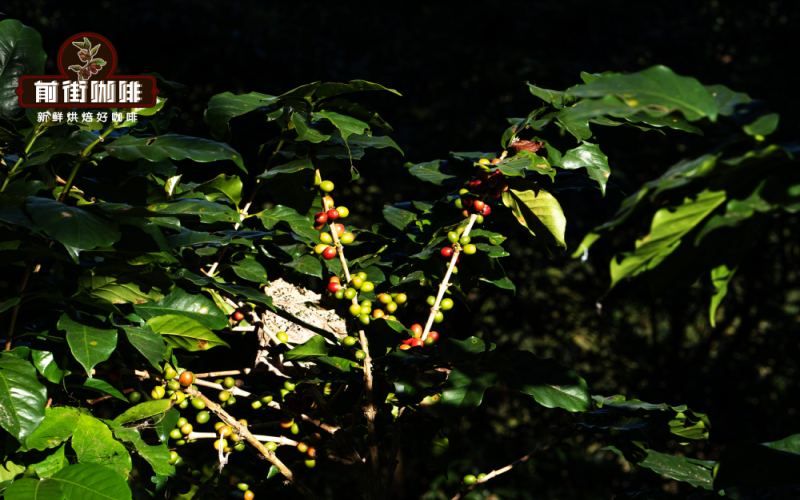
The Journey of Typica Coffee from Ethiopia to the World and a Flavor Comparison of Blue Mountain Washed vs. Natural
Typica is one of the oldest varieties of Arabica coffee and today accounts for a significant share of global Arabica production. It originated in Ethiopia and traveled through Yemen, India, Europe, and Southeast Asia before finally taking root in Central and South America and Hawaii, shaping the development landscape of the world's coffee-producing countries. This article will trace Typica's global journey, introduce its botanical characteristics and cultivation process, and use Jamaican Blue Mountain as an example to compare the flavor profiles of washed and natural processing methods. Through roasting, cupping, and brewing, Front Street Coffee presents the delicate, clean character of Blue Mountain Typica, offering a reference for coffee enthusiasts. [more…]
Freshly Squeezed Orange Juice Meets Espresso: A Complete Guide to the Orange C Americano, Hot and Iced
Orange juice not only helps relieve fatigue, but its refreshing effect is even considered superior to coffee. So what kind of taste experience would combining it with coffee bring? Today, Front Street takes you to recreate at home the Orange C Americano that has swept the country. From choosing the variety for fresh-squeezed orange juice and the extraction parameters for espresso, to the specific steps for both iced and hot versions, we break down the ingredient ratios and production details one by one, helping you make a refreshing specialty drink that has both the rich aroma of coffee and the abundant juice of oranges. [more…]

Why Does Pour-Over Coffee Taste Astringent? From the Principles of Touch to Brewing Details, a Complete Explanation of the Sources of Astringency and How to Avoid It
When many people drink a cup of coffee, they can sense an unpleasant astringency from the very first sip—that rough, gritty tactile sensation that grips the tongue and throat often leaves a stronger impression than sweetness, acidity, or bitterness. Where exactly does astringency come from? Is it a problem with the beans, or has something gone wrong in the brewing process? From the perspective of Front Street, this article first clarifies the essence of astringency as a tactile sensation, then breaks down common causes one by one—such as overly long brewing time, excessively forceful water flow, and the high extraction efficiency of certain drippers—and offers corresponding adjustment ideas to help you fundamentally reduce the unpleasant astringent taste in coffee. [more…]
Typica Coffee Bean Variety Characteristics and Global Propagation History: Typica Cultivation and Flavor Through the Lens of Front Street Blue Mountain
Typica is one of the oldest varieties of Arabica coffee. Starting from Ethiopia, it traveled through Yemen, India, Europe, and Southeast Asia, and ultimately took root in Central and South America, shaping the map of today's coffee-producing countries around the world. This article will systematically review Typica's botanical characteristics and global spread, and provide a detailed reconstruction of how a single Typica seed grows into a coffee tree. At the same time, Front Street Coffee will combine the roasting, cupping, and brewing practices of Jamaican Blue Mountain Typica to help you experience the clarity, cleanliness, and balanced flavor of this classic variety. [more…]
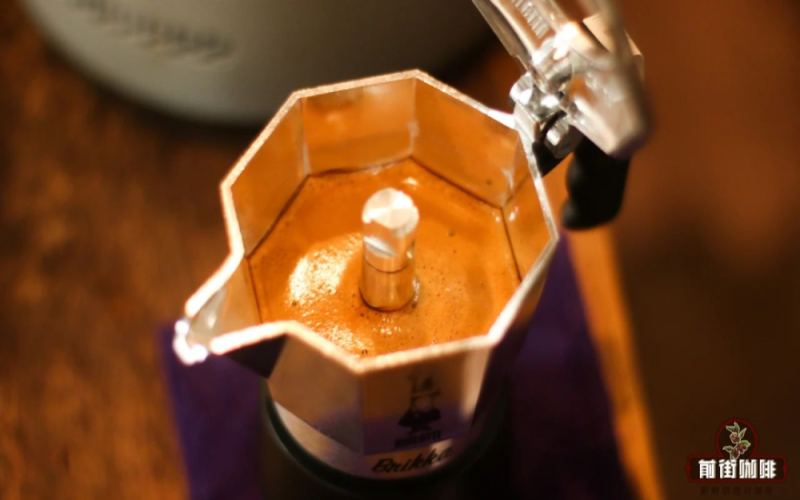
A Complete Guide to Moka Pot Coffee Grind Size and Tamping: From Bean Selection to Extraction
Although the moka pot has a simple structure, achieving a consistently rich, well-balanced cup with a thick layer of crema requires attention to every step—from bean selection and grinding to filling and heat control. How coarse exactly should the coffee grounds be? Should you buy whole beans or pre-ground coffee? Do you need to tamp the grounds when filling? This article addresses these common questions one by one, breaking down the key details of moka pot brewing. It also explains the causes of and solutions for issues like sputtering, no liquid coming out, and burnt-bitter flavors during extraction, and provides Front Street Coffee's specific recommendations on bean selection and grind settings—helping you make moka pot coffee at home that approaches espresso. [more…]
Moka Pot Brewing Guide: A Complete Breakdown of Coffee Grind Size, Filling Method, and Common Extraction Issues
The moka pot is a common brewing tool in many coffee lovers' homes, but how fine the coffee grounds should be ground and whether to tamp the coffee powder leave many people confused. This article will provide a detailed explanation of grind size selection for the moka pot, coffee filling techniques, and common issues during extraction such as poor flow and sputtering, while also discussing coffee bean purchasing advice and crema performance. In the article, Front Street Coffee, through multiple experiments, provides specific grind setting references and filling methods to help you consistently brew a cup of moka pot coffee with rich crema and balanced flavor at home. [more…]

A Detailed Guide to Making Cold Brew Coffee at Home: From Basic Cold Brew to Coconut Water Blends and Cold Pour-Over
On a sweltering summer day, a glass of icy, smooth cold brew coffee is a perfect way to beat the heat. If you also love the pure taste that low-temperature extraction brings, why not follow this article and try a few different cold brew methods. The article first introduces the basic principles of cold brew coffee and the materials needed, then explains the complete process step by step, from steeping and filtering to tasting, and especially shares two variations: cold pour-over and coconut water cold brew. Throughout, single-origin beans from Front Street Coffee are used for demonstration, including sun-dried Sidamo, Butterfly, and a blend of Colombia Pink Bourbon and Costa Rica Mozart. Whether you are a beginner just getting into cold brew or a seasoned enthusiast looking to explore more flavors, you will find a recipe and technique that suits you. [more…]
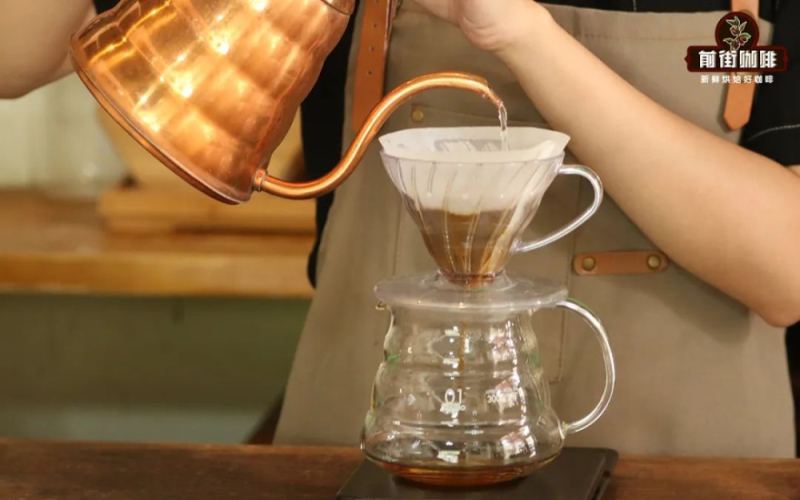
Guide to Consistent Pour-Over Coffee: Key Details from Parameter Execution to Filter Cup Preheating
The charm of pour-over coffee lies in its rich flavors, but it also puzzles many enthusiasts: why does the same beans and parameters produce a different taste every time? Front Street Coffee believes that it is nearly impossible to replicate two completely identical cups of coffee, but by controlling the details, it is entirely possible to make two cups sensorially indistinguishable. This article will start with four key steps—strictly executing brewing parameters, preheating the dripper and server, cleaning the grinder, and waiting for the drip to finish—to analyze in detail how to reduce unstable factors during brewing, helping you improve the stability and quality of your pour-over coffee. [more…]

Moka Pot Brewing Tutorial | What are the finer points of moka pot coffee dosing techniques? What causes a moka pot to produce no coffee, or coffee to spurt out violently?
When brewing coffee with a moka pot, many friends don't know what grind size is suitable. They're also unsure how to fill the coffee grounds properly, and whether tamping is needed. If you have these questions too, you'll find the answers below. First, what grind size should be used for moka pot coffee? The coffee particle size needed for a moka pot [more…]

Tea Yan Yue Se Salary Controversy Ignites Trending Topic: Founder Apologizes, Wave of Mass Employee Exits from Group Chats
Recently, Chayan Yuese has frequently appeared on Weibo's trending topics due to employee salary issues, sparking widespread attention. The incident began when employees complained about low wages and reduced working hours, which subsequently led to a heated argument between company executives and employees in a group chat, even prompting founder Lü Liang to personally apologize. According to revelations, Chayan Yuese has internal problems such as chaotic management and severe classism, with the number of employees leaving the group once reaching over two hundred. Although the official response stated that the number of people leaving the group was about 87 and explained that the salary adjustment was a special arrangement during the pandemic, netizens did not buy it. As a leading brand in new Chinese-style tea drinks, this turmoil at Chayan Yuese has not only exposed internal conflicts but also triggered profound public reflection on brand management and corporate culture. [more…]
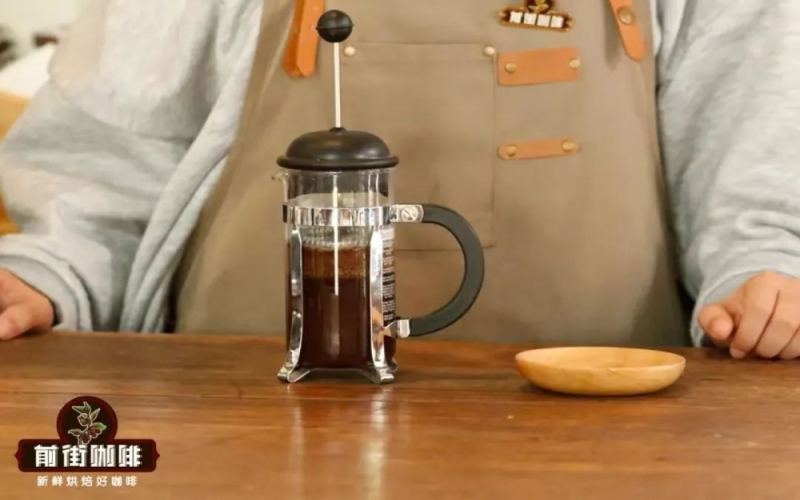
A Practical French Press Brewing Tutorial: Grind Size, Water Temperature, Time, and Single-Origin Coffee Bean Selection Tips
The French press, with its simple operation and ability to deliver consistent results without complex techniques, has become the daily go-to for many coffee enthusiasts. This article begins with the historical origins of the French press, explains why it is better suited to medium-dark roasted single-origin beans, and breaks down key steps in detail, including preheating, grinding, coffee-to-water ratio, water temperature, steeping time, and plunger operation, while also offering essential cleaning and maintenance tips. The article also recommends Front Street PWN Golden Mandheling as a French press-friendly bean, helping you easily brew a full-bodied, distinctly sweet immersion coffee at home. [more…]
An Analysis of Mexican Specialty Coffee Regions, Varieties, Cultivation, and Market Prices: A Brief Introduction to Flavor Characteristics and Brewing Methods
Mexico is a major coffee-exporting country, shipping about 70 percent of its beans to the United States, mostly for use as industrial-grade coffee. Despite favorable conditions such as high altitude, volcanic soil, and a suitable climate, Mexican coffee has long lacked a presence on the international specialty coffee stage. This article reviews Mexico's main coffee-producing regions, varieties, grading system, flavor characteristics, and market positioning, and introduces two classic ways of preparing Mexican coffee—one with alcohol and one without. It also retains Front Street Coffee's recommendations and product information for Mexican coffee, helping coffee lovers gain a comprehensive understanding of this underrated producing country. [more…]