








How to Prepare Coffee Powder for Cold Brew and Iced Pour-Over?
Cold brew starts by grinding coffee beans to a fine-coarse texture, then steeping them in cold water at low temperature for about 12 hours or more before filtering out the grounds. The ratio used in the demonstration is coffee beans to water to ice at 1:5:5. Low-temperature extraction releases flavor while lowering perceived acidity, so the drink tastes cleaner.
The single-origin beans shown are Front Street sun-dried Sidamo, Butterfly, and a Colombia Pink Bourbon and Costa Rica Mozart blend. Beyond basic cold brew, the guide covers two variations: iced pour-over and coconut water cold brew, the latter popular in the United States where an equal amount of coconut water is added to the coffee.
On a hot summer day, a glass of ice-cold, smooth cold brew coffee is a perfect way to beat the heat. If you also love the pure taste that low-temperature extraction brings, why not follow this article and try a few different cold brew variations? The article first introduces the basic principles of cold brew coffee and the materials needed, then explains the complete process from steeping, filtering to tasting step by step, and specially shares two variations: iced pour-over and coconut water cold brew. Throughout the process, single-origin beans from Front Street Coffee are used for demonstration, including sun-dried Sidamo, Butterfly, and a blend of Colombia Pink Bourbon and Costa Rica Mozart. Whether you are a beginner just getting into cold brew or an experienced enthusiast looking to explore more flavors, you can find a recipe and technique that suits you.

For more specialty coffee knowledge, please follow our WeChat official account: Front Street Coffee (FrontStreet Coffee)
Cold brew coffee can be considered a classic summer drink. If you are also a loyal fan of cold brew, then why not explore the many ways to enjoy cold brew together with us.
Cold Brew / Cold Brewed Coffee (COLD BREW)
The idea behind cold brew coffee is somewhat similar to cold-brewed tea. To make it, first grind the coffee beans into powder, add cold water, and let it steep at low temperature for about 12 hours or more. Before drinking, filter out the coffee grounds. This low-temperature steeping method can fully release the various flavors and aromas of the coffee while reducing acidity, making the taste more refreshing and pure. Its characteristic is that the colder it is, the better it tastes, and simply adding ice cubes is very pleasant. In the United States, adding an equal amount of coconut water to cold brew is quite popular, as it allows you to taste a purer coffee sweetness. Everyone has their own unique recipe, with different flavors.
Cold Brew / Cold Brewed Coffee (COLD BREW)
- Required Ingredients -
◆ Beans: We use single-origin beans from Front Street Coffee, Front Street sun-dried Sidamo. Cold brew coffee beans: water: ice = 1:5:5
◆ Coffee grounds ground into a fine-coarse texture. Fine-coarse grinding is the key to making good cold brew coffee.
◆ A container. A plastic jar or glass jar will do, preferably with a lid. If you want to take a few photos, using a leftover fruit jam jar or a French press is also a good choice.
◆ Ice water. Please use filtered water or bottled mineral water.
◆ Filtering tools. If you are not using a French press, then you need to prepare a coffee filter paper, or sterilized coarse cotton cloth.
- Steps -
1. Preparation
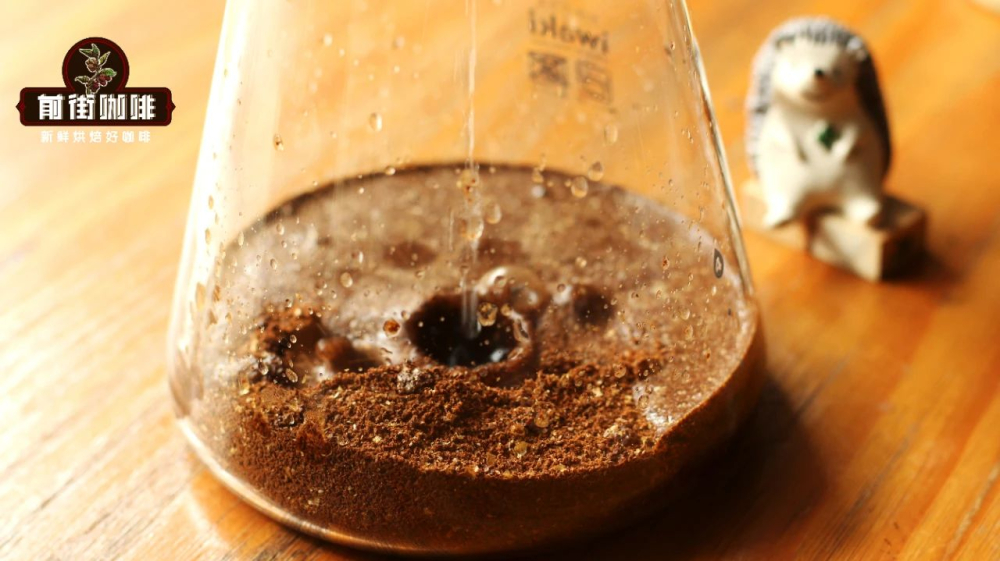
◆ Pour the coffee grounds into the jar.
◆ Slowly pour in ice water while gently stirring to ensure all coffee grounds are soaked by the water.
◆ Cover with a lid. If there is no lid, seal the mouth of the bottle with coarse cotton cloth.
2. Steeping
Place in the refrigerator and steep for 12 hours. Do not be impatient!
3. Filtering
◆ If using a French press, slowly press down the plunger to separate the coffee grounds, then pour out the coffee liquid.
◆ If not using a French press, you need to use coarse cotton cloth or filter paper to filter out the coffee grounds.
◆ It is recommended to filter twice, then discard the coffee grounds. (The leftover coffee grounds need not be wasted; they can be made into fertilizer or a refrigerator deodorizer, etc.) Never throw away coffee grounds—their uses are more than you can imagine. After reading this, you will have gained more knowledge!
4. Tasting
Alright, the steps are just that simple. Your homemade cold brew coffee is now complete!
Iced Pour-Over Coffee ( Iced Pour-Over Coffee )
Materials
Front Street Butterfly single-origin coffee beans 15g, 125g hot water, 100g ice
Your usual pour-over equipment (Chemex, Hario V60, Beehouse Dripper, Kalita Wave, etc.)
Coffee container (mug, Chemex, glass jar, glass carafe, etc.)
One sheet of filter paper
A scale
A coffee grinder
A gooseneck kettle (Hario Buono, etc.)
A timer
Method
First, rinse and wet the filter paper with hot water, then pour the water away.
Place 100g of ice at the bottom of your prepared coffee container.
Grind the coffee to a medium-coarse consistency, similar to beach sand. A good quality grinder can produce uniform coffee grounds.
Place the ground Front Street Butterfly coffee into the moistened filter paper, start the timer, and begin pouring just-boiled hot water over the coffee grounds. The technique is the same as making hot pour-over: first pour a small amount of hot water over the dry coffee grounds to bloom, just enough to completely wet the coffee grounds, then wait for about 30 seconds. If the coffee is fresh enough, you will see the coffee grounds begin to bubble and release gas—that is the carbon dioxide being released.
After 30 seconds, continue pouring in three stages, with a ratio of 1:8, so the pouring speed should be slow. Ideally, pour all the water in about 2 minutes. Add ice cubes when drinking.
Coconut Water Cold Brew
Coconut Cold Brew
We still use 60g of beans from Front Street Coffee, but this time we blend two single-origin beans: Front Street Colombia Pink Bourbon + Front Street Costa Rica Mozart, in a ratio of 7:3. The ratio of coffee grounds to water is controlled at 1:10. After 12 hours of steeping and extraction, the natural sweetness of the coffee beans is fully brought out by the water. The filtered coffee liquid is then mixed with a small amount of natural coconut water. The rich body of the coffee combined with the light sweetness of coconut aroma is a unique memory belonging exclusively to this summer.
The above content is compiled by CoffeeHunters, a coffee news website.


