







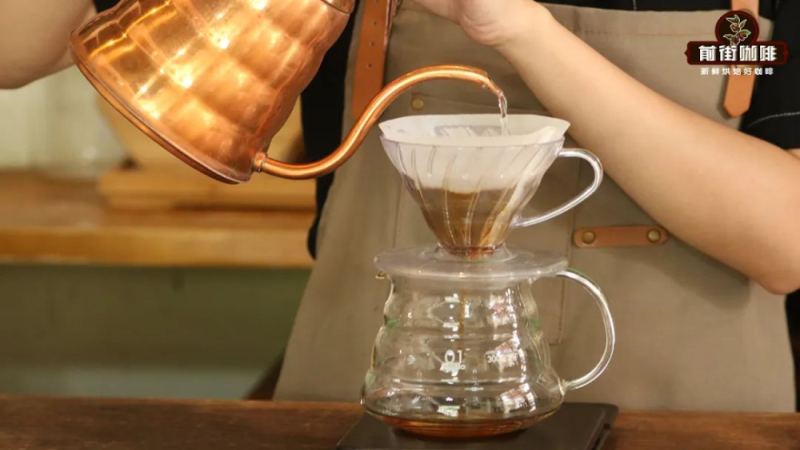
Can coffee brewing ever produce two identical cups?
Two pour-over cups rarely taste identical because too many variables shift between brews. Consistency becomes reachable by holding those variables steady: follow the planned dose, ratio, grind, water temperature and pour schedule exactly, and keep equipment conditions the same each time. Small drifts, such as 15 grams becoming 14.7 grams, change the cup.
A worked example for Yirgacheffe coffee: 15 grams of coffee, a 1:15 ratio, a grind with 80% passing a No. 20 sieve, 91°C water, and three pours of 30 ml, 100 ml and 95 ml. Preheating the dripper and server, cleaning the grinder and letting the drip finish all reduce instability during coffee brewing.
The charm of pour-over coffee lies in its rich flavors, but it also troubles many enthusiasts: why does the same beans and parameters produce a different taste every time? Front Street believes that it is almost impossible to replicate two completely identical cups of coffee, but by controlling the details, it is entirely possible to make two cups of coffee sensorially indistinguishable. This article will start with four key aspects: strictly executing brewing parameters, preheating the dripper and server, cleaning the grinder, and waiting for the drip to finish, and provide a detailed analysis of how to reduce instability during the brewing process, helping you improve the stability and quality of your pour-over coffee.
Front Street would like to ask everyone a question first: Do you think it is difficult to brew two cups of coffee with the same flavor using the pour-over method? The vast majority of people would say it is too difficult, and some friends even say: "Every time I brew coffee, it's like opening a blind box—I only know what it tastes like after drinking it." Front Street also agrees that making two cups of coffee taste exactly the same is indeed very difficult. Even if you use the same beans and the same brewing parameters, you may not be able to replicate the exact same flavor, because there are too many unstable variables involved.
Although achieving complete consistency is difficult, if we can minimize the interference of variables during brewing so that two cups of coffee cannot be distinguished by human senses, it is still achievable. Therefore, there are some details during brewing that deserve special attention in order to reduce unstable factors.
-Strictly brew according to the brewing parameters
Before brewing coffee each time, we first formulate a brewing plan. For example, when Front Street brews Yirgacheffe, the plan is 15 grams of coffee, a coffee-to-water ratio of 1:15, a grind size with 80% passing through a No. 20 sieve, and a water temperature of 91°C, with pouring in three stages: 30 ml, 100 ml, and 95 ml respectively.
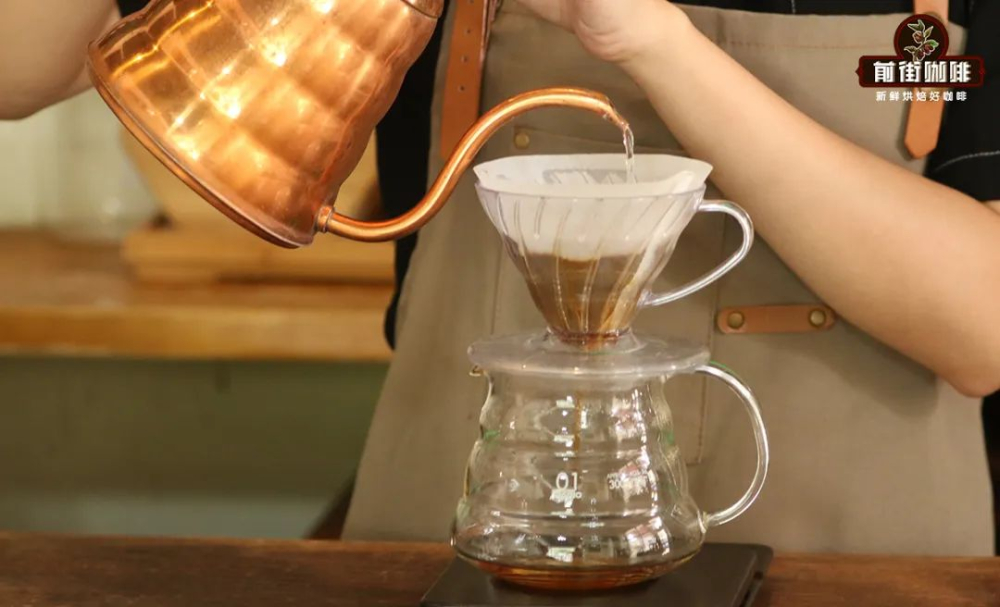
Once the plan is set, it must be strictly followed during actual brewing. If the coffee dose becomes 14.7 grams, 40 ml of water is poured during blooming, and the total poured water unknowingly increases to 230 ml, then this cup of coffee will likely not taste the same as the one brewed according to the original plan. The plan then loses its meaning, and unstable factors naturally increase.
-Preheat the dripper and server
Usually, when we talk about coffee brewing water temperature, we mean the temperature at the beginning of pouring, not the temperature during the actual extraction of the coffee grounds. What truly affects the flavor is the temperature during extraction. So what we need to do is minimize the gap between the extraction temperature and the initial water temperature.
If you use a ceramic dripper, preheating is even more essential. We often say that ceramic drippers have good heat retention, but the premise is that the dripper itself is already hot enough. If the ceramic dripper is at room temperature, then when pouring water, the temperature of the coffee bed will actually be higher than that of the dripper, and heat will be absorbed by the dripper, causing the extraction temperature to drop further.
To avoid this unstable situation, before brewing coffee, please rinse the dripper several times with hot water so that it is fully preheated.
-Clean the grinder before grinding beans
Whether it is a hand grinder or an electric grinder, after grinding coffee beans, some fine powder will remain on the burrs and at the discharge chute. If you do not use it often, these leftover grounds are prone to oxidation on the burrs and produce unpleasant flavors. If you grind the next batch of beans without cleaning, those stale leftover grounds will mix into the coffee grounds you are about to brew.
If you use it very frequently, not cleaning it may also cause flavor transfer when grinding different beans. Therefore, Front Street suggests that friends who use hand grinders simply brush away the leftover grounds with a brush after grinding. If it is an electric grinder, cleaning is more troublesome, and you can use an air blower to blow out the leftover grounds. Front Street also suggests that before formal grinding, first put in a few beans of the same type and grind them to carry out the previous leftover grounds, and then start the formal grinding.
-Let the coffee liquid in the dripper finish dripping
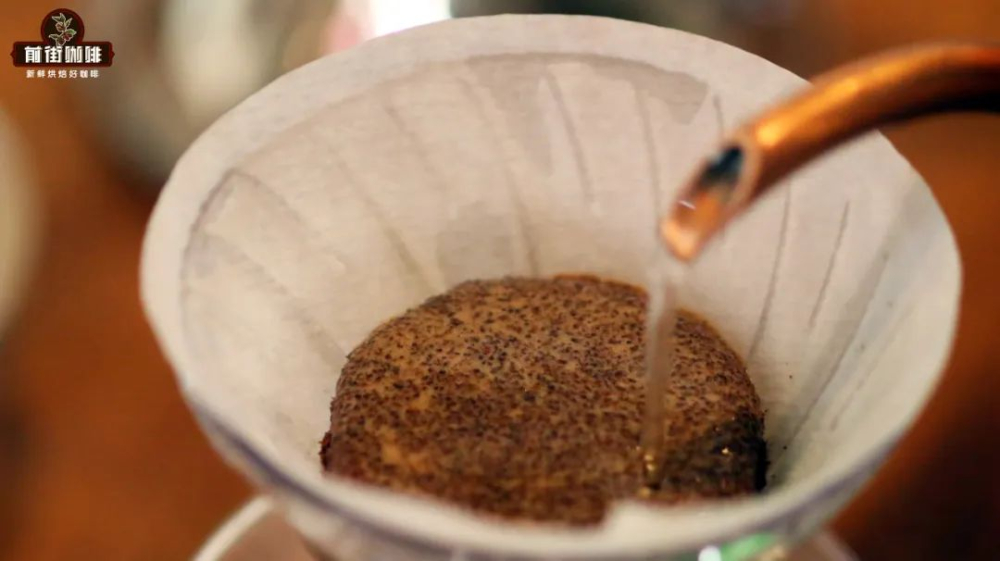
If you are used to removing the dripper before the coffee liquid in it has finished dripping, then you are undoubtedly creating unstable factors for yourself. Because you have no idea how much coffee liquid is left in the dripper, and the coffee-to-water ratio has also been disrupted.
Imagine that if you brew coffee with a 1:15 coffee-to-water ratio, 15 grams of coffee requires pouring 225 ml of water, but not all of this water drips into the server; some of it is retained by you. Then the actual coffee-to-water ratio is no longer 1:15, and this practice is no different from burying your head in the sand.
Only when 225 ml of water is poured, all the water passes through the coffee bed, and the drip is completely finished can this cup of coffee be said to be brewed with a 1:15 coffee-to-water ratio.
In addition to the details above, many other factors can affect the flavor of coffee. But as long as you pay attention to these details, you can greatly reduce the unstable factors that have a major impact.
The above content is compiled by CoffeeHunters, a coffee news website.


