





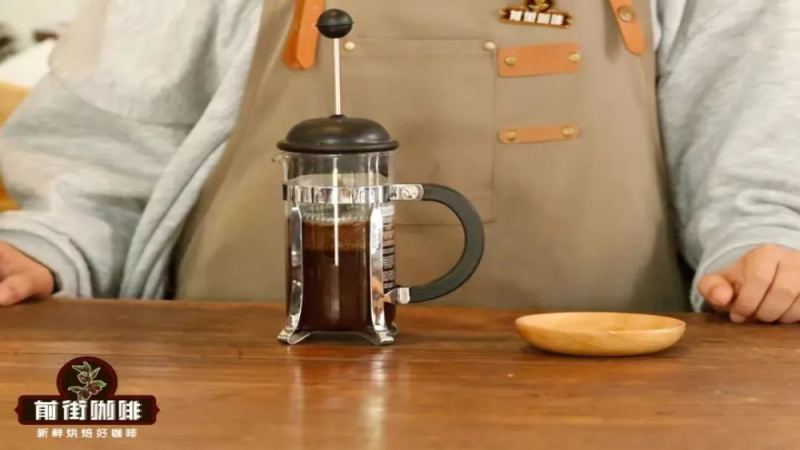
How Does a French Press Brew Fine Coffee at Home?
A French press brews rich, sweet single-origin coffee through full immersion, without pour-over gear or pouring technique. Use a medium-dark roast, preheat the carafe, and keep the coffee-to-water ratio, water temperature, and steep time consistent. The plunger then separates the grounds, leaving a rounder mouthfeel and more noticeable sweetness than drip methods.
The design dates to France in 1850, when a plunger and mesh filter first kept tea leaves in the pot; coffee drinkers later adopted the same structure for a cleaner cup. Today the routine stays simple: weigh the grounds, add hot water, wait, then press slowly. Rinse the filter and carafe after each use to avoid stale oils building up.
The French press, with its simple operation and ability to deliver consistent results without complex techniques, has become the daily go-to for many coffee lovers. This article starts with the history and origins of the French press, explains why it is better suited for medium-dark roasted single-origin beans, and breaks down key steps in detail including preheating, grinding, coffee-to-water ratio, water temperature, steeping time, and plunger operation, while also providing cleaning and maintenance tips. The article also recommends Front Street Coffee PWN Golden Mandheling as a French press-friendly bean, helping you easily make a cup of rich, noticeably sweet immersion-brewed coffee at home.
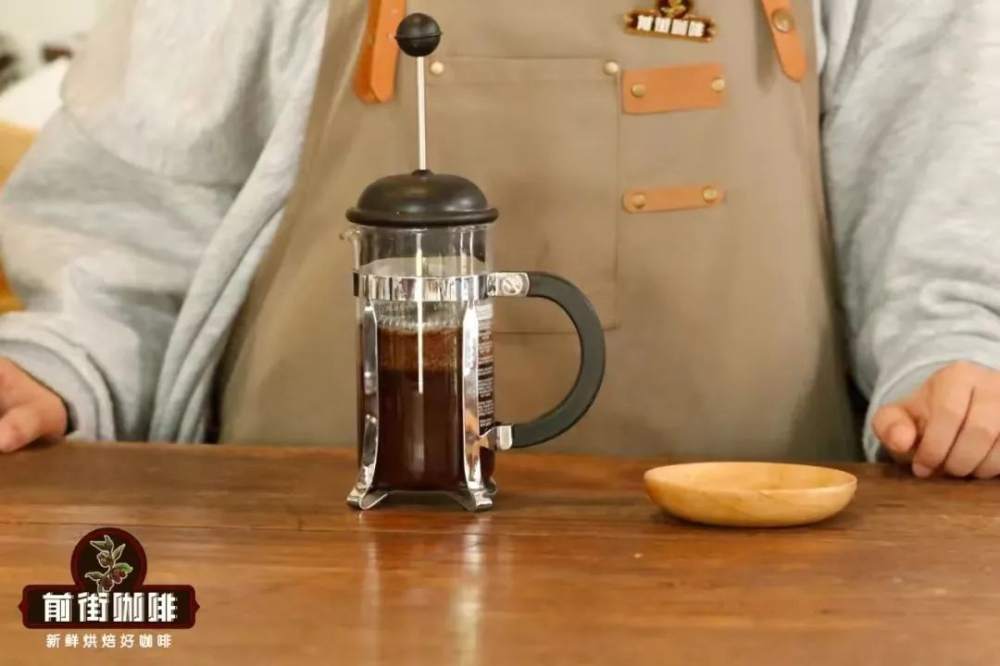
Just got a bag of freshly roasted coffee beans but don't have the right brewing equipment on hand? That's when a French press comes in handy. It doesn't rely on complex gear, doesn't require practicing pouring techniques, and you don't need to dial in parameters to perfection—yet it still makes a delicious cup of single-origin coffee.
After all, no matter which brewing method you use, there's only one goal: to get a delicious cup of coffee.
I've heard people say: "Pour-over is so ritualistic, while a French press doesn't look fancy enough." But isn't the core of brewing coffee about making it taste good? Pressure-based, drip, and immersion methods all essentially bring coffee grounds into full contact with water, extracting the right amount of soluble compounds to ultimately produce a cup of coffee that's aromatic and relaxing.
Compared to drip methods like pour-over, coffee made with a French press tends to have a rounder mouthfeel and more pronounced sweetness. Whether it's waking up in the morning or feeling exhausted at work, being able to quickly brew a cup of coffee to wake yourself up is a comforting thing in itself.
The Origin and Popularization of the French Press
The French press first appeared in France in 1850. Its predecessor was a tea-brewing vessel with a plunger fitted with a filter screen, where the screen's diameter matched the container. The purpose was to keep tea leaves in the pot after steeping was complete, making the tea clearer. Later, coffee drinkers discovered that the same structure could be used to brew coffee, and it produced a cleaner taste than direct boiling.
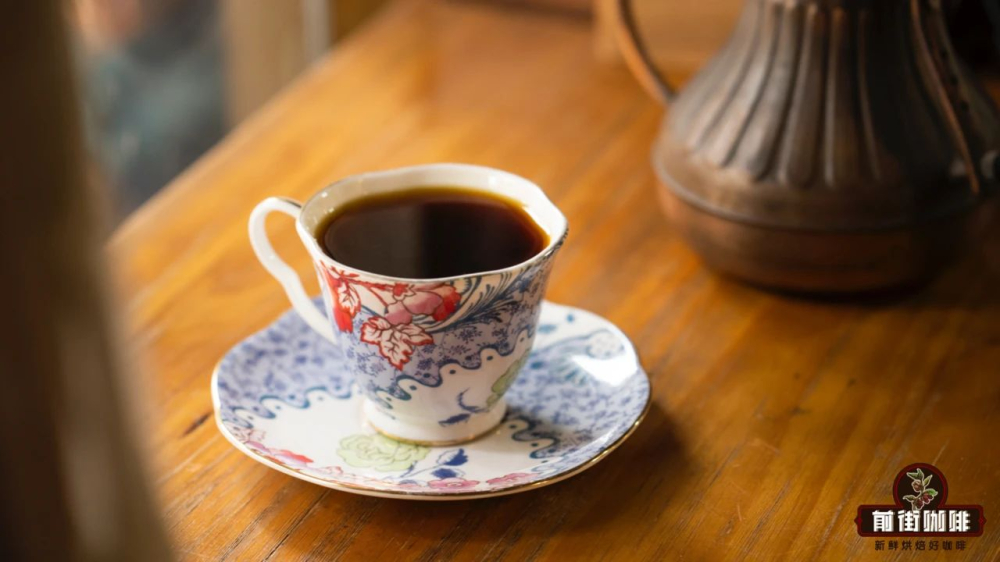
Subsequently, a craftsman and a merchant partnered to found the "Smith" company, made detailed improvements to the French press, and in 1852 filed a patent for a "piston-filter coffee device," naming it the "French Press." However, early sales were poor because after pressing down the plunger, the filter screen struggled to stay level. When pouring coffee without holding down the plunger, fine coffee grounds would still slip through the gaps into the cup.
By the late 1920s, a Milan-based company registered an improved patent: adding springs to the piston base and filter screen so that after pressing down, the plunger would fit snugly against the bottom of the container, preventing fine grounds from escaping easily. In the following years, the company refined the overall design and brought it to market, and people gradually came to appreciate the convenience of brewing coffee with a French press.
Which Coffee Beans Are Best for French Press Brewing?
Similar to brewing tea, the French press uses immersion extraction, where coffee grounds stay in contact with hot water for a period of time. Therefore, it excels at highlighting body and oils rather than the layered fruity acidity, making medium-dark roasted coffee more suitable.
If you're not a fan of acidity, prioritize Front Street Coffee PWN Golden Mandheling. This near-dark-roast single-origin has low acidity. When brewed in a French press, Front Street Coffee PWN Golden Mandheling brings out flavors of spices, dark chocolate, toasted bread, caramel, and sandalwood, with very high body and rich, lasting aroma.
How to Brew Coffee with a French Press?
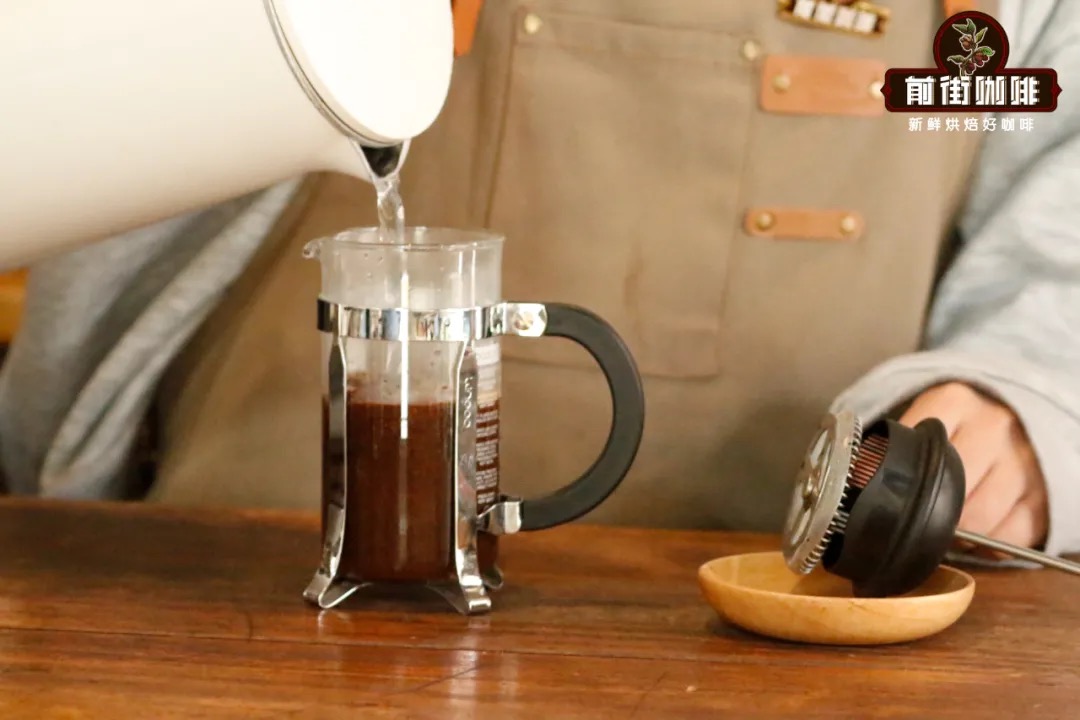
The French press has a simple structure: a heat-resistant glass container plus a metal filter with a plunger. To brew, place coarsely ground coffee in a preheated press, pour in water at 88-92°C, steep for 3-4 minutes, then press down the plunger and pour out the coffee.
1. First, pour hot water into the press to preheat both the container and the metal filter with plunger, then discard all the hot water and set aside.
2. Grind the coffee beans into coarse particles and pour them into the press—about the size of coarse sand. The ground particles should look roughly as shown in the image.
(If you want more precise grinding data, refer to a 70%–75% pass rate through a Chinese No. 20 standard sieve.)
3. For French press brewing, it's recommended to use at least 15g of coffee, with a coffee-to-water ratio of 1:13-1:16 (15g coffee to 195-240g water). For a bold cup, use 1:13; for a moderate cup, use 1:15; for a lighter cup, use 1:16. Of course, you can adjust according to personal taste.
4. Different roast levels require different water temperatures. Front Street recommends using water at around 92°C for light to medium roasts (light brown to brown), and around 88°C for dark roasts (dark brown). After adding water, pull the plunger up to the top of the lid and cover—do not press down the plunger yet.
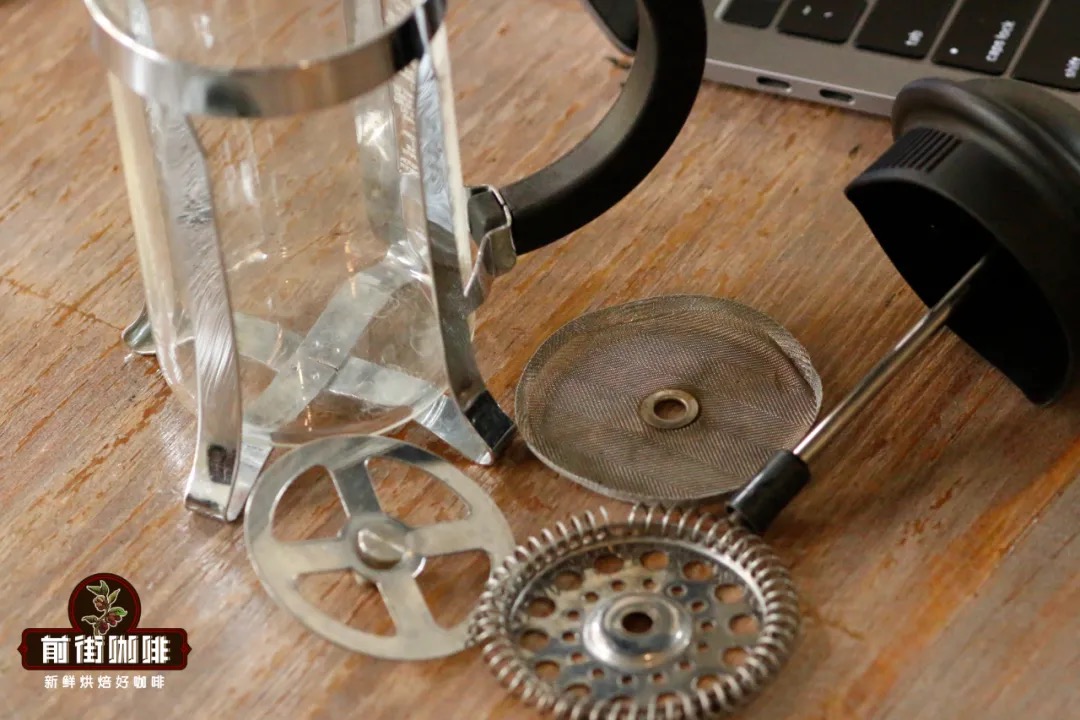
5. Steeping time also varies by roast level. Front Street recommends steeping light to medium roasts for about 4 minutes, and dark roasts for about 3 minutes 30 seconds. No need to steep too long. With a French press, coffee grounds steep directly in water, and this amount of time is enough to extract pleasant flavors; steeping too long can bring out woody or burnt-bitter notes.
6. After steeping is complete, press down the plunger and pour out all the coffee at once. If you don't pour it all out at once, the coffee particles in the press will continue releasing undesirable flavors, and the coffee in the press will only get worse.
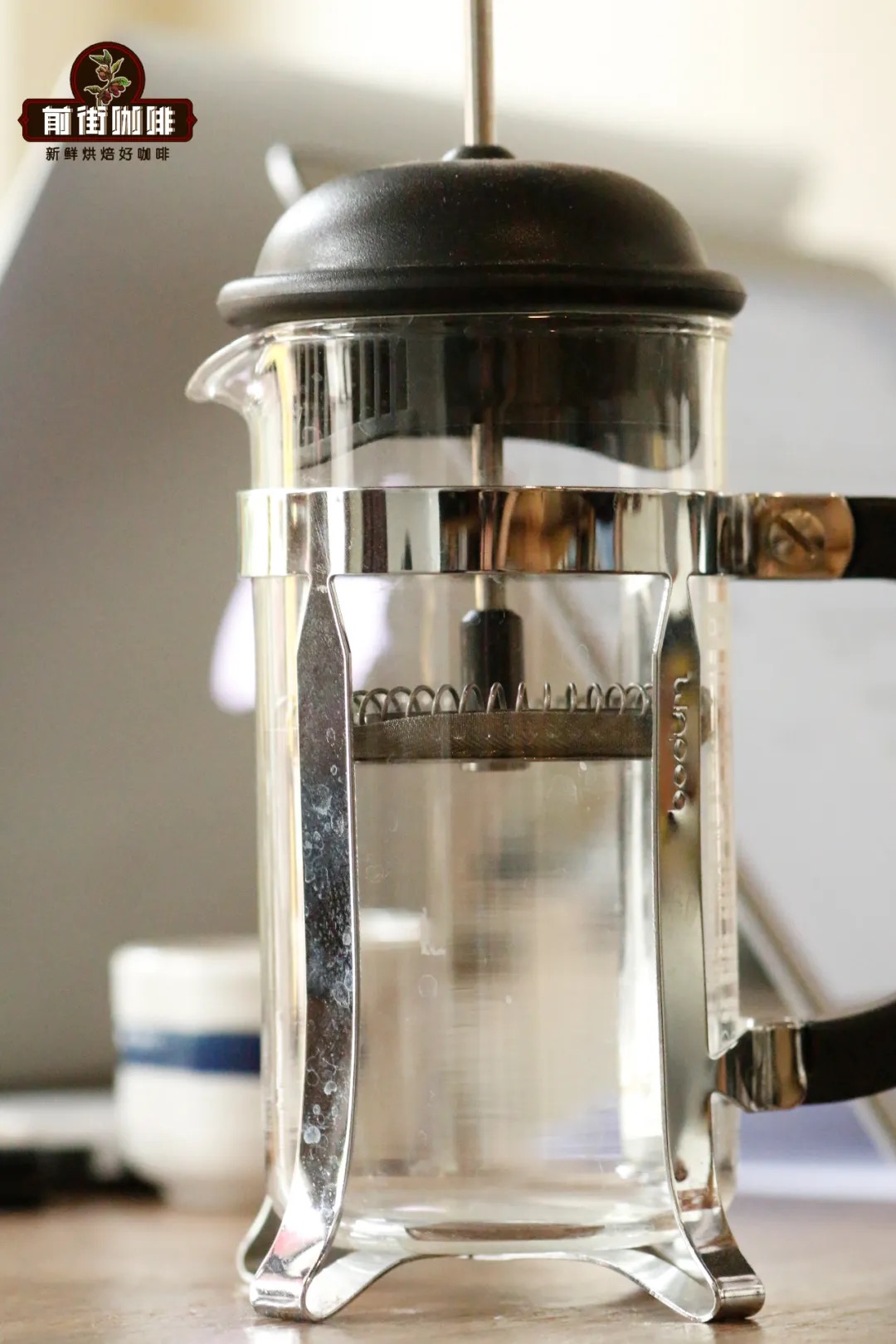
7. Coffee beans produce oils after roasting, and the French press often retains a layer of coffee oils after brewing. When cleaning, disassemble all metal parts, wash the container and parts with detergent, and dry them completely before storing.
- A slight sediment in the cup is the soul of French press coffee! -
The above content is compiled by CoffeeHunters, a coffee news website.


