







Search Results for: high-temperature fast extraction
Why Strawberry and Peach Notes Are Hard to Capture in Pour-Over Coffee and How to Adjust High-Temperature Fast-Extraction Parameters
Many coffee enthusiasts are often puzzled when tasting pour-over: why are fruity notes like citrus and pineapple easy to identify, while the sweet aromas of strawberry and peach always seem veiled? Front Street approaches this from the perspective of aroma chemistry composition and concentration differences, revealing the fundamental reason these fresh fruit notes are hard to capture—authentic strawberry aroma is presented through the synergy of over three hundred volatile compounds, while coffee contains only a small amount of similar components. The article proposes two paths to solve this: first, training the sense of smell to capture secondary aroma contours beyond the primary notes; second, amplifying target flavors through high-temperature fast extraction and appropriately diluting the coffee-to-water ratio in brewing strategy. Front Street also lists several sun-dried bean options with peach and strawberry notes, and using Ethiopia Hamashu as an example, provides complete brewing parameters and tasting records. [more…]
Ice Drip vs. Iced Pour-Over Coffee: A Flavor Comparison of Low-Temperature Slow Extraction and High-Temperature Fast Extraction
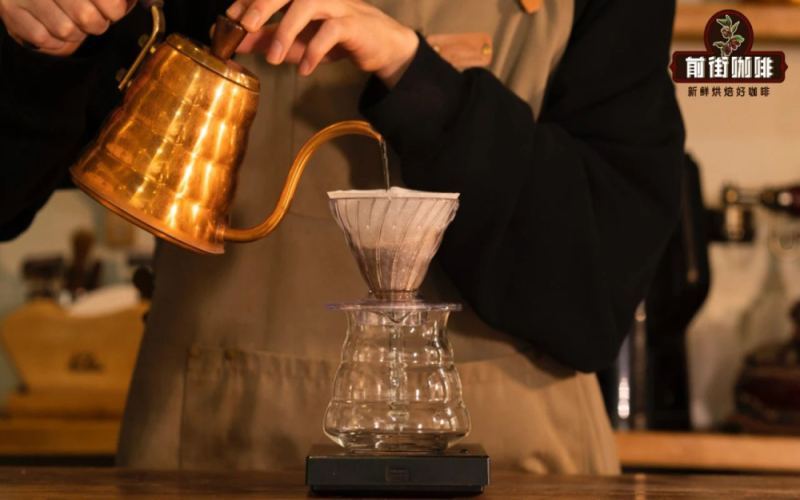
Ice drip coffee and iced pour-over coffee are often mentioned together, but the two differ significantly in extraction principles, flavor expression, and brewing process. Ice drip is a low-temperature slow extraction, while iced pour-over is a high-temperature fast extraction followed by cooling. Temperature greatly affects the breakdown rate of oils, acids, and sugars in coffee, thereby shaping distinctly different aromas, mouthfeels, and layers. From the perspective of Front Street Coffee, this article systematically sorts out the respective characteristics of high-temperature extraction and low-temperature extraction, and, using Honduras Sherry coffee beans as an example, records in detail the brewing parameters and flavor comparison of ice drip and iced pour-over, helping coffee enthusiasts more clearly understand the essential differences between the two kinds of iced coffee. [more…]

What are the differences between ice drip, cold brew, iced pour-over, and iced coffee? Using Honduras Sherry beans as an example to analyze low-temperature and high-temperature extraction
What exactly is the difference between cold brew coffee and iced pour-over coffee? Front Street Coffee receives this question almost every day. In short, cold brew is a low-temperature slow extraction, while pour-over is a high-temperature fast extraction. The two paths ultimately present flavors and mouthfeels with their own distinctive characteristics. From the perspective of Front Street Coffee, this article first sorts out the influence of temperature on coffee extraction, then explains the advantages and shortcomings of high-temperature and low-temperature extraction respectively. After that, using Honduras Mocha Estate Sherry coffee beans as a sample, it fully demonstrates the production process, coffee-to-water ratio, fermentation key points, and storage suggestions for cold brew coffee and iced pour-over coffee, and includes a simple method for iced Americano, helping coffee lovers understand the flavor directions of different iced coffees. [more…]
Cold brew coffee: room temperature water or warm water? Explaining why low-temperature extraction produces less acidity and a practical guide to fast extraction with warm water
Cold brew coffee has always been known for its long, low-temperature steeping, often requiring 5 to 24 hours when made with room-temperature water. To shorten the wait, some people have tried steeping coffee grounds in warm water. This article explores the differences between cold-water and warm-water extraction, the reasons why cold brew has lower acidity, and a warm-water cold brew comparison test using Front Street Coffee's Elida Catuai. It records the sensory differences between 3 hours in 45℃ warm water and 7 hours in room-temperature water, and offers bean selection advice and practical tips for warm-water cold brew. [more…]
Comprehensive Comparison of Cold Brew Coffee and Iced Pour-Over Coffee: Extraction Principles, Brewing Methods, and Flavor Performance of Sherry Coffee Beans
What exactly is the difference between cold brew coffee and iced pour-over coffee? This is a question Front Street gets asked every day. Simply put, cold brew is a low-temperature slow extraction, while pour-over is a high-temperature fast extraction, and the two present distinctly different characteristics in flavor and mouthfeel. This article will start with the influence of temperature on extraction, analyze in detail the respective features of high-temperature extraction and low-temperature extraction, then use the Sherry coffee beans from the Honduras Mocha estate selected by Front Street Coffee as a sample to demonstrate the complete brewing processes of cold brew coffee and iced pour-over coffee, including key technical parameters such as coffee-to-water ratio, grind size, and pouring technique, and compare the flavor differences ultimately presented by the two methods, helping coffee lovers find the cup of icy good coffee that suits them. [more…]
How to Precisely Control Espresso Grind Size? A Complete Analysis of Particle Size Range and Adjustment Methods
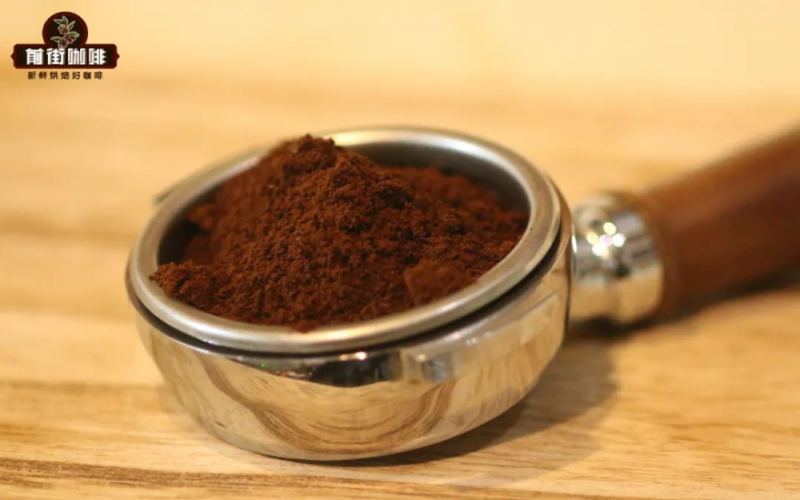
Grind size selection is a key factor determining coffee extraction quality. Because espresso uses high-temperature, high-pressure, short-time extraction, its requirements for particle fineness and uniformity are far higher than those of other brewing methods. This article will sort out the extraction principles of espresso from the beginning, explain why the grind particle size needs to be controlled within the 150–300 micron range, and detail how to calibrate the grind setting through flow-rate observation and taste judgment. It also provides specific daily grind adjustment steps, including debugging methods, coffee-to-liquid ratio references, and adjustment strategies for common problems such as bitter burnt notes, thin crema, and a short finish, helping coffee enthusiasts and professionals quickly find suitable grind parameters. [more…]
Same Beans, Different Taste? An In-Depth Analysis of the Extraction Differences and Flavor Comparison Between Cold Brew Coffee and Iced Pour-Over
Many coffee enthusiasts have wondered: why do cold brew and iced pour-over made from the same coffee bean taste so different? Front Street Coffee once conducted a comparative experiment with Huakui 8.0, and the results were surprising. This article will systematically analyze the core differences between cold brew coffee and pour-over coffee from the perspectives of extraction water temperature, extraction method, and concentration changes, explaining why low-temperature slow extraction brings a rounder acidity, a fuller body, and a unique fermented aroma, while high-temperature fast extraction retains richer aromatic layers. If you also want to understand the essential difference between these two brewing methods, read on. [more…]
Espresso Extraction Flow Rate Anomalies: Analysis of Causes and Adjustment Methods for Fast-Then-Slow Flow
When extracting espresso, the normal flow rate should start slow and gradually speed up, but sometimes the exact opposite occurs—after pressing the extraction button, the coffee liquid bursts out violently, then quickly thins and slows down. This abnormal flow rate—fast first, then slow—often indicates a problem with the extraction yield, and the resulting espresso's flavor is less than ideal. From Front Street's perspective, this article systematically breaks down the four major factors behind this phenomenon: the dose exceeding the basket's standard gram weight, uneven tamping causing channeling, the pressure pump set too high leading to an overly aggressive extraction, and the coffee beans having finished degassing and no longer being fresh. For each cause, the article provides specific adjustment solutions to help coffee enthusiasts find the root of the problem and correct it. [more…]
Why Do the Same Beans Taste So Different? A Deep Dive into the Extraction Differences Between Cold Brew and Pour-Over Coffee
Many coffee enthusiasts at Front Street stores order both a cold brew and an iced pour-over made from the same beans, yet are often surprised by the huge gap in flavor between the two after drinking them. Why does the same coffee bean produce such an obvious difference in the resulting cup? This article will systematically sort out the core differences in brewing principles between cold brew and pour-over from multiple dimensions such as extraction water temperature, extraction method, and concentration differences, and combine a comparative experiment conducted by Front Street using Huakui 8.0 to help you understand the taste expressions brought by low-temperature slow extraction and high-temperature fast extraction, as well as the scientific logic behind these differences. [more…]
Hand Brew vs. Cold Brew: How Extraction Temperature Affects Flavor and Bean Selection
Why do the flavors of the same coffee beans differ so dramatically when brewed as pour-over versus cold brew? From the perspective of Front Street, this article systematically sorts out the core differences between high-temperature pour-over and low-temperature cold brew in terms of extraction principles, flavor expression, and suitable bean types. The article covers a comparative tasting of three methods—hot pour-over, iced pour-over, and cold brew—analyzes the effect of water temperature on the dissolution sequence of acids, sweetness, bitterness, and other substances in coffee, and provides recommendations for coffee beans suited to both brewing methods, including specific Front Street products such as Guodingding, Huahudie, Strawberry Candy, and Huakui, helping coffee enthusiasts easily make their ideal cup at home. [more…]
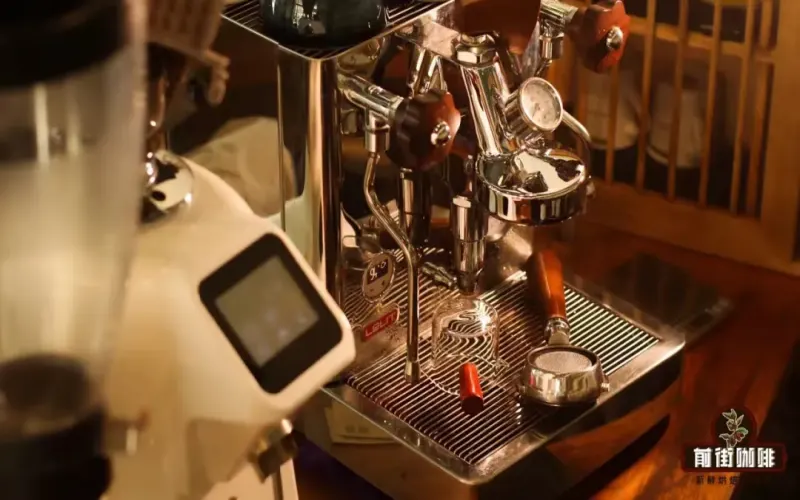
The Complete Guide to Espresso Extraction: Grind Parameters, Machine Principles, and Front Street Coffee Bean Selection
Espresso has won over the world with its rich, full-bodied taste, but many enthusiasts who try it at home find they cannot replicate the high-concentration results from coffee shops, and they even tend to scorch the coffee. In fact, making a standard espresso does not rely on simply boiling coffee grounds in water; it requires a professional espresso machine, which uses high-temperature, high-pressure water to rapidly pass through a very finely ground layer of coffee to complete the extraction. This article will systematically explain the extraction principles of espresso, how to judge whether extraction is proper, the thinking behind adjusting key parameters, and recommendations for espresso blends suitable for home use, along with detailed operating steps to help you consistently make a rich-crema, well-balanced espresso at home. [more…]
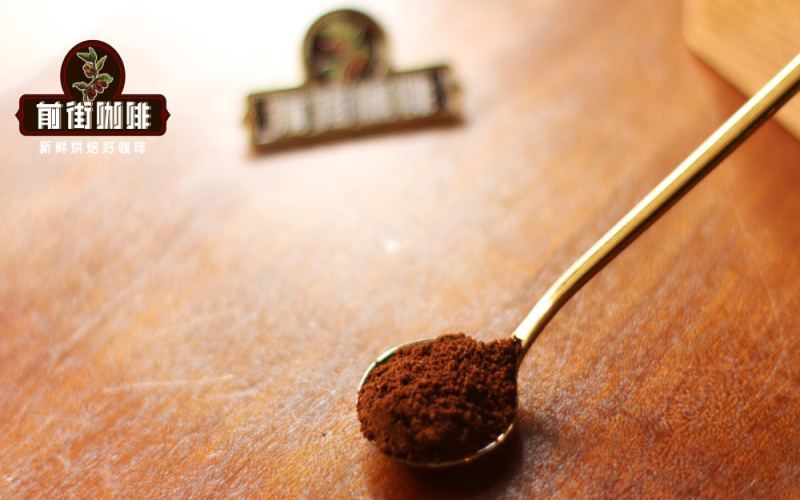
How to Determine the Grind Size for Espresso? A Complete Guide from Dialing-In Logic to Flow Rate Assessment
When making a proper espresso, choosing the grind size is often the most critical and most frustrating step. Unlike immersion brewing methods such as pour-over, an espresso machine relies on high temperature and high pressure to complete extraction in an extremely short time, which places demands on coffee grounds fineness and uniformity far beyond those of other brewing methods. If the particles are slightly too fine or too coarse, the flow rate can become abnormal, pushing the flavor toward over-extraction or under-extraction. This article will sort out the extraction principles of espresso from the ground up, explain the suitable grind fineness range, and provide a practical grinding adjustment process and flavor correction approach to help you quickly lock in the right grind setting even when facing unfamiliar beans. [more…]
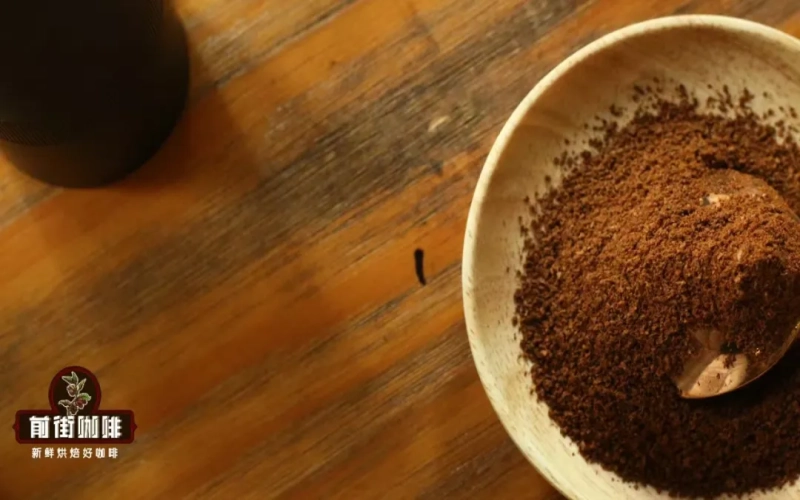
Why Extract Coffee at Different Temperatures? Analyzing Three-Temperature Variable-Temperature Brewing and Pour-Over Water Temperature Selection
In pour-over coffee, when extraction parameters are too high, it is usually possible to dial them back, but if over-extraction is caused by too many fines from the grinder, adjusting parameters alone is often not enough to solve the problem. In this case, sifting out the fines or adopting variable-temperature brewing are both response options recognized by Front Street Coffee. This article will focus on variable-temperature brewing: it is not a minor adjustment of 2~3°C, but rather segmented extraction with a larger temperature differential, controlling the dissolution rhythm of flavor compounds through high-temperature fast extraction and low-temperature slow release. The article will trace the origins of this method, analyze the championship cases of Wu Zelin and Emi, explain how to use cold water to regulate temperature and achieve a variable-temperature operation that starts high and ends low, and share in detail the practical process of the "Devil Brewing Method" by Tetsu Kasuya, which Front Street Coffee favors. [more…]
How to adjust a moka pot when the flow is slow? From principles to practice, learn to brew rich espresso
Without an espresso machine, can you still make a rich cup of coffee at home that approaches café quality? The moka pot is the answer. Using high-temperature steam pressure, it forces hot water through a bed of finely ground coffee, extracting a highly concentrated brew that can even develop crema. However, many people run into problems like slow flow or abnormal flow rates when using it. The key actually lies in coordinating the dose, water volume, grind size, and timing of removal from heat. This article draws on Front Street's hands-on experience to systematically explain the moka pot's construction and principles, methods for adjusting parameters, and recommends several medium-to-dark roast beans suitable for moka pots, including Front Street Classic Blend, Commercial Blend, and the Brazil Queen's Estate single-origin beans, to help you easily brew a cup of espresso that rivals the café. [more…]
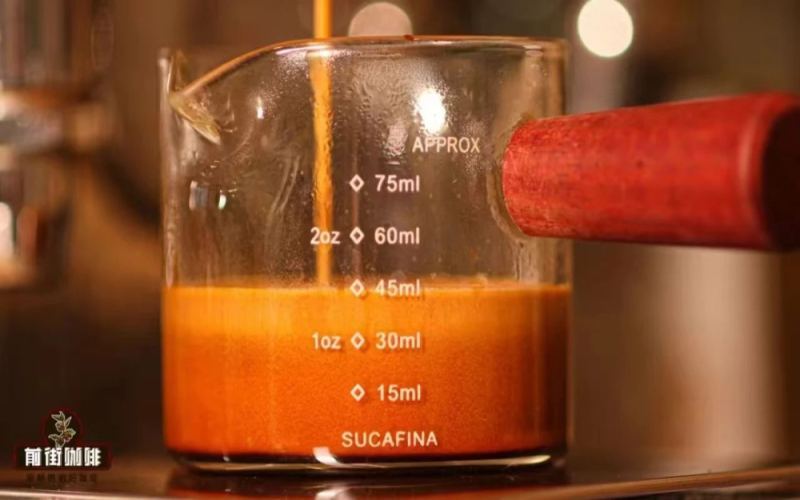
A Complete Analysis of Espresso Extraction: Parameter Control and Flavor Performance from Brew Ratio to Grind Size
Espresso, with its golden crema and rich, full-bodied flavor, has become a favorite among many coffee lovers. Unlike pour-over, it uses steam pressure to force hot water quickly through a puck of coffee grounds, extracting a concentrated liquid in a short time. Behind this seemingly simple operation, parameters such as dose, yield, time, and grind size all influence one another, and even a slight change can affect what ends up in the cup. This article will systematically outline the extraction principles of espresso, analyze the relationship between brew ratio, extraction time, and grind coarseness, and, using the examples of Front Street Coffee's Sunflower Warm Sun Blend and Classic Italian Blend, explain how to adjust parameters based on flavor feedback, helping you consistently make a delicious espresso at home. [more…]
Espresso Extraction Time Standards and the Differences Between Americano and Espresso, Including a Front Street Coffee Dial-In Case Study
Espresso, with its golden crema and intense flavor, has attracted many enthusiasts to try making it at home. Unlike pour-over, espresso relies on steam pressure to drive hot water rapidly through the coffee puck, and even slight deviations in parameters can affect the final result. This article systematically sorts out the core variables affecting extraction—grind size, dose, yield, and time—explains in detail the 1:2 brew ratio reference standard and the 25 to 30 second extraction window, and compares the essential differences between Americano and espresso. At the same time, drawing on real parameter-adjustment cases from Front Street Coffee stores, it demonstrates how to correct under-extraction or over-extraction by adjusting dose, grind, and yield, helping readers build a clear logic for parameter adjustment. [more…]
What Are the Flavor Differences Between Cold Brew and Pour-Over? Cold Extraction Has Higher Caffeine—Front Street Coffee Teaches You How to Choose Beans
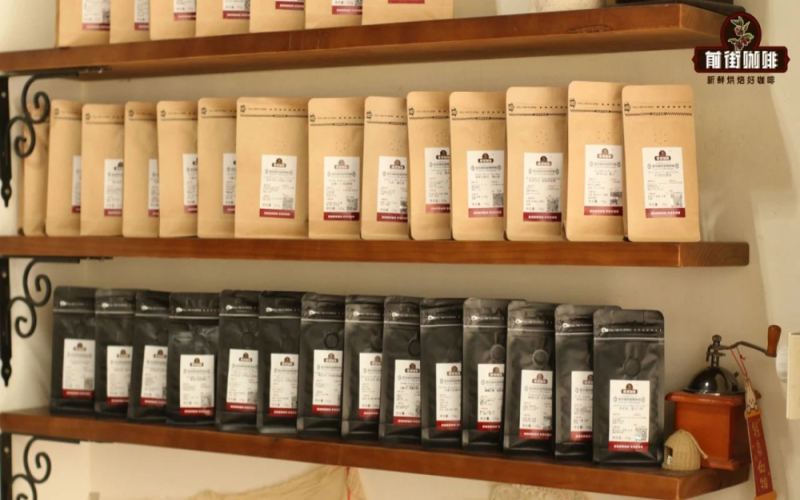
Why do the same coffee beans taste so completely different when made as cold brew versus pour-over? The key lies in the extraction temperature. Pour-over uses hot water to quickly release the coffee's rich aromas and layers, while cold brew relies on a long, low-temperature steep, delivering a sweet, crisp, and refreshing taste—though with slightly less fullness of flavor. Low-temperature extraction also reduces bitter compounds, but it also results in a higher caffeine content. Using Front Street Coffee's light-roast washed Yirgacheffe Geddid as an example, we compare hot pour-over, cold brew, and iced pour-over to analyze why the flavors differ, and offer coffee bean recommendations suitable for home cold brew and pour-over. [more…]
An In-Depth Analysis of Costa Rica Dota Goddess Estate Geisha: Anaerobic Enzyme Washed and a Complete Flavor Record
This article focuses on the Dota Goddess Estate in Costa Rica's Tarrazú region, offering an in-depth analysis of the unique charm of its Geisha variety. From the terroir of the origin, the estate's history, to the anaerobic enzyme washed processing method, and on to green bean analysis, roasting curves, and cupping and brewing, it presents the complete flavor profile of this coffee. The Front Street Coffee roaster adopts a high-temperature fast-roast strategy to highlight its rose aroma, lemon, and honey sweetness. For pour-over, a V60 dripper is recommended, using staged extraction, ultimately yielding a cup of refreshing, sweet fruit tea. [more…]
What Is Nordic Ultra-Light Roast Coffee? A Comprehensive Analysis of Front Street Medium-Light Roast and Japanese Dark Roast
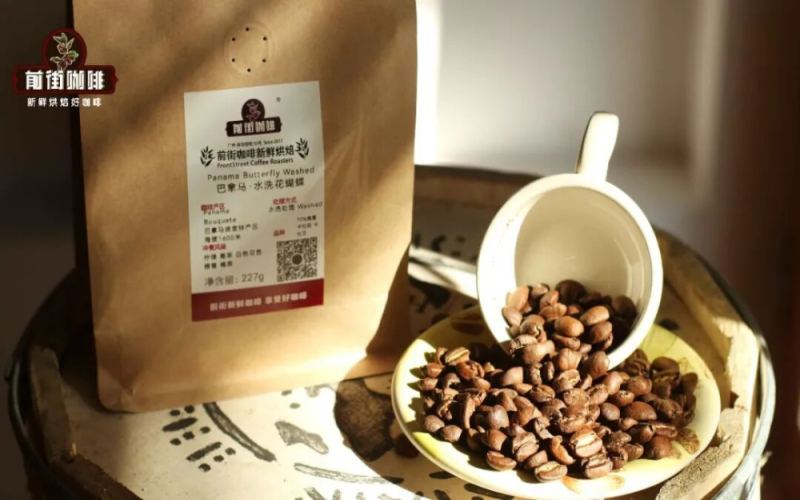
Have you ever heard of "ultra-light roast coffee"? It originated in Northern Europe and uses high-temperature, fast roasting to pursue the bright acidity and floral and fruity aromas of coffee beans, and is often described as "like drinking tea or juice." Completely different from the rich, mellow aroma of Japanese-style dark roasting, Nordic light roasting emphasizes regional flavors and a light, clean mouthfeel. As a self-roasting brand, why doesn't Front Street Coffee launch ultra-light roast beans? This article will comprehensively analyze the definition, characteristics, and production challenges of ultra-light roast coffee from the perspectives of roasting rhythm, chemical reactions, extraction difficulties, and more, and compare the differences between Front Street's medium-light roast and Japanese-style dark roast, helping coffee lovers find the flavor direction that suits them. [more…]
Moka Pot Coffee Brewing Guide: Tips for Extracting Espresso and Recommended Coffee Beans
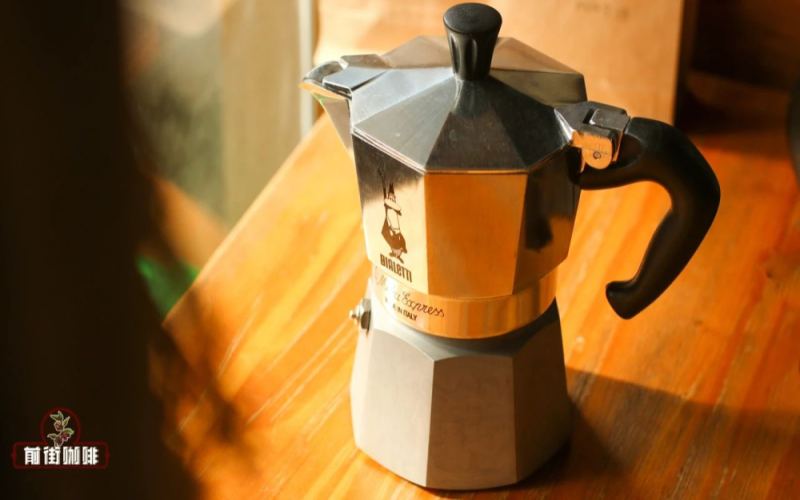
Without a professional espresso machine, can you still enjoy rich coffee at home? The moka pot, with its high-temperature pressure and siphon principle, has become the top choice for many coffee lovers. This article provides a detailed introduction to the structure of the moka pot and its extraction principle, and shares Front Street Coffee's practical operating steps, including determining the amount of coffee grounds, estimating the water volume, fine-tuning the grind size, and timing when to remove it from the heat. At the same time, for different taste preferences, it recommends medium-dark roasted espresso blends and single-origin beans suitable for the moka pot, such as Front Street Classic Blend, Strawberry Candy Espresso, Golden Mandheling, and others, and uses Front Street Brazil Queen's Estate coffee beans as an example to demonstrate the complete extraction process, helping you easily make milk coffee that rivals a café. [more…]