








Why does a moka pot flow too slowly?
A moka pot uses steam pressure to push hot water from the lower chamber through a bed of finely ground coffee and up into the upper chamber, producing a concentrated brew that can even show crema. When the flow turns slow, the cause usually lies in how the dose, water amount, grind size and removal from heat are coordinated rather than in the pot itself.
The device has three parts: base, filter basket and upper chamber. Setting the grinder to a fine espresso grind, tamping and leveling the grounds, then weighing the dose gives a repeatable starting point. Adjusting the grind setting for a moka pot and pulling the pot off the heat at the right moment keeps the flow steady and the cup balanced.
Can you make a rich coffee close to café quality at home without an espresso machine? The moka pot is the answer. Using high-temperature steam pressure, it forces hot water through a layer of finely ground coffee, extracting a highly concentrated brew that can even produce crema. However, many people run into problems like slow flow or abnormal flow rates when using it. The key actually lies in coordinating the dose, water amount, grind size, and timing of removal from heat. This article, drawing on Front Street's hands-on experience, will systematically explain the moka pot's construction and principles, methods for adjusting parameters, and recommend several medium-to-dark roast beans suitable for the moka pot, including Front Street Classic Blend, Commercial Blend, and Brazil Queen's Estate single-origin beans, to help you easily brew a cup of espresso that rivals a café.
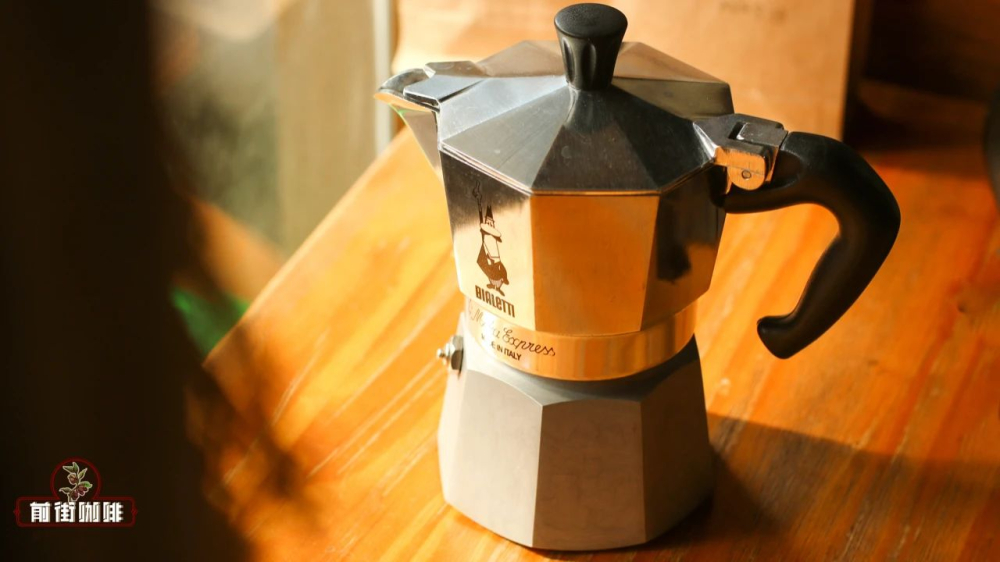
Missing an espresso machine at home but craving a rich, full-bodied espresso? Quite a few friends have posed this question to Front Street. The answer, of course, is yes—the sleek-looking moka pot is the ideal choice. It relies on high-temperature heating to generate steam pressure, and then uses siphon action to push water from the lower chamber to the upper chamber. Constrained by its structural design, the moka pot doesn't make a large amount of coffee each time, and since not all the water can rise to the coffee bed, the resulting brew is quite concentrated.
The Composition of a Moka Pot
The moka pot consists of three parts: the upper chamber, the filter basket, and the base. The lower chamber holds water, the filter basket holds the finely ground coffee, and the upper chamber collects the extracted coffee.
The Extraction Principle of a Moka Pot
Its extraction principle is not complicated: after the lower chamber is heated, steam pressure builds up. When the pressure is sufficient to penetrate the coffee bed, hot water is pushed up into the upper chamber, brewing a richly aromatic coffee. Using the vapor pressure of boiling hot water to achieve a flavor close to espresso—Front Street believes this is exactly what makes the moka pot most appealing. So, how do you use a moka pot to extract espresso suitable for milk coffee? Front Street's approach is as follows:
1. First determine the dose. Set the grinder to a finer espresso setting, tamp and level the grounds, then weigh them.
2. Determine the water amount. The water amount in the lower chamber is tricky to gauge at first; you can only estimate the coffee yield through repeated trials. For example, if Front Street uses a dose of 20g and wants an espresso at a 1:1.8 coffee-to-water ratio, then 36g of coffee liquid is needed. On the first test, fill the lower chamber with the moka pot's recommended amount of water and see how much coffee actually comes out. After adding 100g of water, the actual yield was 60g, but we only need 36g, so for the next brew just add 100-(60-36)=76g of water.
3. Fine-tuning the grind size The ideal flow is coffee trickling out slowly with the pressure valve letting off a slight hiss, but not screaming. If the coffee flows too fast and the pressure valve isn't venting, the grind is too coarse and needs to be finer; if the coffee flows slowly or doesn't come out at all while the pressure valve screams and vents, the grind is too fine and needs to be coarser.
4. Timing of removal from heat Once the flow is steady, turn off the heat (when the streams from both sides have joined into a ring at the bottom), and pour out before the small bubbles turn into large ones. The longer you wait, the stronger the burnt taste, and the crema will be washed out.
How does Front Street Coffee use a moka pot to extract espresso?
The moka pot uses pressurized high-temperature extraction, and what people value is its intensity, full body, and moderate crema. To meet these requirements, medium-to-dark roast coffee beans are recommended: for consistency and crema, you can buy Front Street. Front Street Classic Blend and Front Street. Commercial Blend, two espresso coffees; for those who enjoy fresh aromas, try Front Street. Strawberry Candy Espresso, which offers distinct rose and fruit-candy sweetness;
For those seeking a unique taste, single-origin coffees are recommended, such as Front Street. Golden Mandheling and Front Street. Colombia Huila, beans rich in nutty and caramel aromas. This time Front Street chose the rich nutty and cocoa-aroma Brazil Queen's Estate coffee beans for the extraction demonstration.
Front Street. Brazil Queen's Estate Coffee Beans Region: São Paulo, Brazil Estate: Queen's Estate Altitude: 1400-1950m Variety: Yellow Bourbon Processing: Semi-washed/Natural
1. Pour purified water into the lower chamber of the moka pot, keeping the water level about 0.5cm below the pressure valve.
2. Choose a grind size slightly coarser than for espresso, tap lightly to distribute the grounds evenly, and when the coffee forms a small mound, level the surface by distributing the grounds.
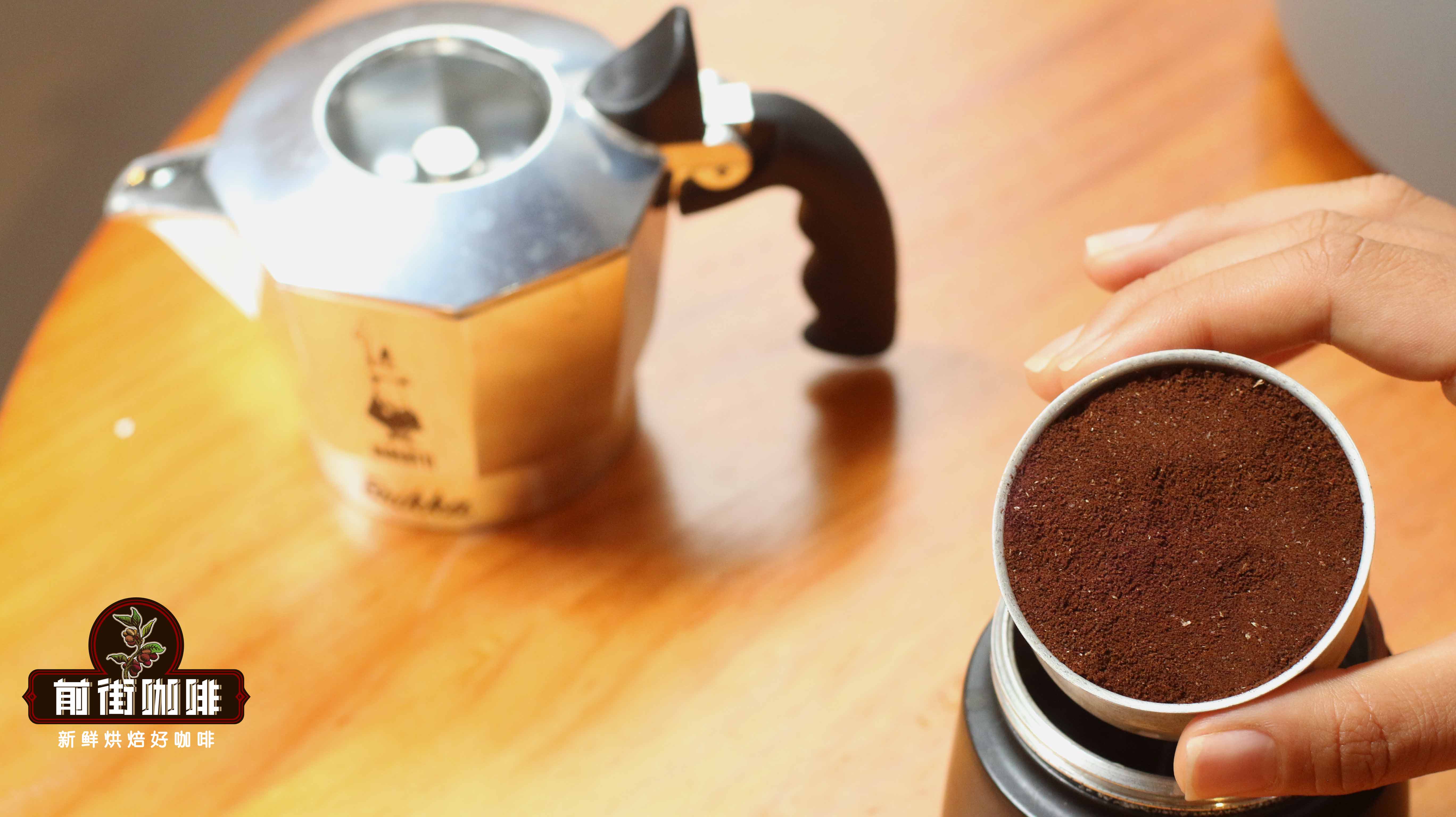
3. Place the filter basket into the lower chamber, tighten the upper and lower parts of the moka pot, then heat over high heat on an electric ceramic stove/burner. Place the filter basket into the lower chamber, tighten the upper and lower parts of the moka pot, then heat over high heat on an electric ceramic stove. When half the coffee has come up into the upper chamber, turn off the stove. The residual heat and pressure of the moka pot will "push" the remaining coffee into the upper chamber.
4. Once all the coffee has been extracted into the upper chamber, pour it into a cup and enjoy. Coffee brewed with a moka pot is very rich and can even produce crema. You can also add some water or milk to balance it for an even better flavor.
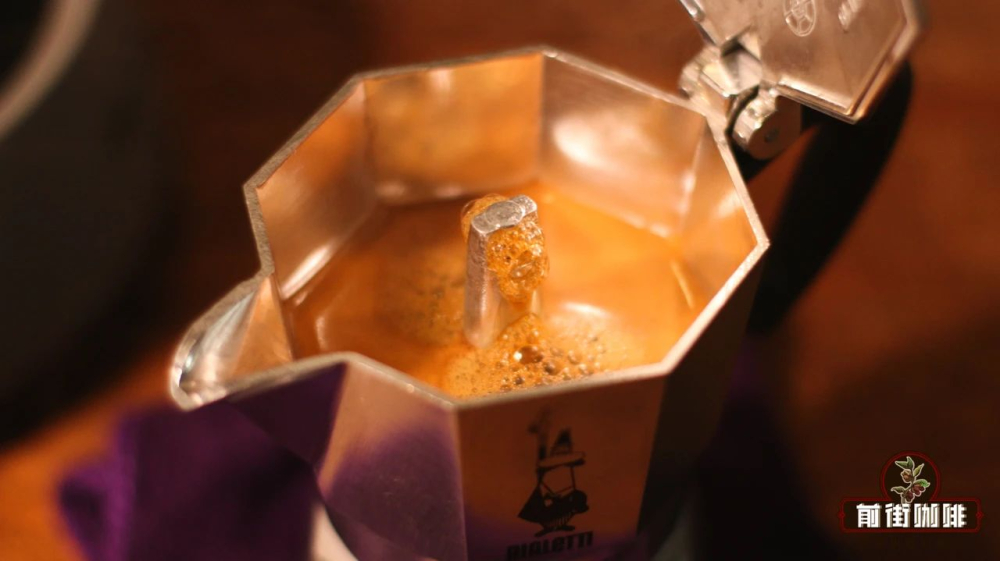
Flavor description of Front Street. Brazil Queen's Estate coffee beans brewed with a moka pot: rich nutty aroma, chocolate flavor, yellow sugar sweetness, full-bodied and mellow; paired with milk, the taste is every bit as good as what a café serves~
The above content is compiled by CoffeeHunters, a coffee news website.


