







Search Results for: high education but low employment

Master's graduate joining Luckin Coffee sparks debate: the new employment trend behind highly educated talent flowing to coffee counters
Recently, the news of a fresh master's graduate choosing to join Luckin as a part-time barista has sparked widespread discussion online. Supporters believe that no occupation is superior or inferior, and that young people should try more things; opponents feel that this is a waste of a diploma. In fact, as the number of graduate students in universities surpasses that of undergraduates, under the dual pressure of degree devaluation and economic downturn, more and more highly educated young people are turning their attention to light physical service industries such as coffee and tea drinks. They either want to escape the high-pressure, hyper-competitive office environment, or use it as a transitional job. However, is the real experience behind the bar counter of chain brands as relaxed and comfortable as imagined? This article deeply explores the multiple motivations and real dilemmas behind this phenomenon. [more…]

Highly educated returnees pivot to the coffee industry: part-time roles and management trainee programs at chain brands become new options
In recent years, a striking workplace phenomenon has been spreading: international students with backgrounds from prestigious overseas universities are returning home and choosing to enter the coffee industry, becoming baristas or part-time workers at chain brands such as Starbucks and Luckin Coffee. This phenomenon has overturned the public's traditional perception of barista roles and also reflects a new orientation among highly educated talent when it comes to employment choices. Why do they favor the coffee track? Is it the pursuit of experience, an escape from involution, or using barista work as a springboard for career transition? Combining real feedback from netizens and industry observations, this article analyzes the logic behind international students flocking to the coffee industry and retains relevant recommendation information about the Front Street brand. [more…]

2023 National Barista Salary Survey: What Is the Average Monthly Income, and Is This Profession Still Worth Entering?
The coffee industry continues to heat up, with more and more cafes opening, but what is the income level of baristas really like? According to nearly a million recruitment samples from the past year, the national average monthly salary for baristas is about 4,200 yuan, with Shanghai being the highest among first-tier cities at 6,024 yuan. At the same time, the age structure of practitioners, employment mobility, and the lack of professionalism and comprehensive abilities all make the salary dilemma of this profession particularly prominent. Do baristas still have room for promotion? How can the low-salary cycle be broken? This article will combine data and the current state of the industry to sort out the real situation and development possibilities of the barista profession one by one, and retain the relevant information channels of Front Street Coffee. [more…]
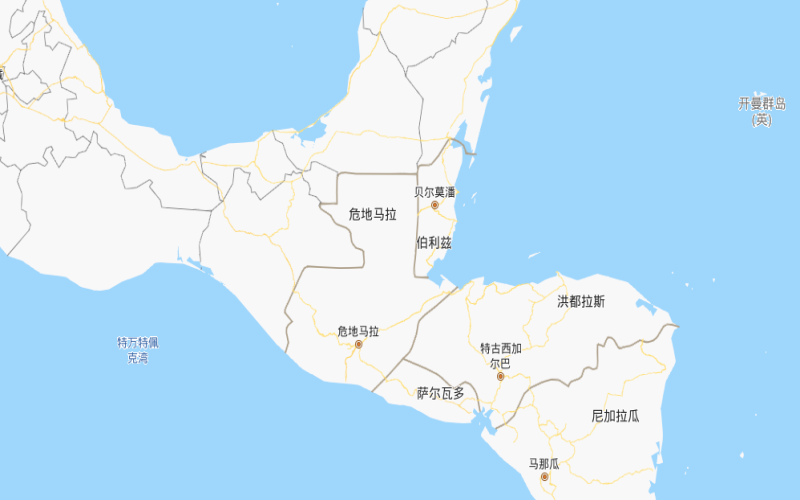
Flavor Analysis and Brewing Suggestions for Guatemala Santa Felisa Estate Geisha Orange Honey Process Coffee
Guatemala, with its high-altitude volcanic terrain and diverse microclimates, has become an important producer of specialty coffee in Central America, and its coffees often carry a distinctive smoky note in the finish. Finca Santa Felisa in the Acatenango region, founded in 1904 and now passed down through four generations, is known for its meticulous management and diverse processing methods. This article focuses on the estate's Geisha Orange Honey process lot, analyzing its flavor layers from grinding to tasting, including floral notes, honey, blueberry, apricot, and bergamot, while also introducing the estate's practices in varieties, post-harvest processing, and human care. It also shares Front Street Coffee's brewing parameters and bean-resting recommendations to help coffee enthusiasts better present the delicate elegance of this bean. [more…]

Applying for a summer job at a coffee shop requires a deposit first? 14 students in Meizhou were charged before even starting work, and law enforcement stepped in.
Summer jobs are supposed to be a way for students to earn pocket money and gain social experience, yet 14 students in Meicheng, Meizhou, encountered an absurd situation when applying for summer work at a coffee shop: before even starting the job, they were charged deposits ranging from several hundred to over a thousand yuan by the shop owner. What's even more frustrating is that most of them never worked a single day, yet getting their deposits back proved extremely difficult. This incident not only exposes the risks of recruitment information on social platforms, but also serves as another reminder to job seekers: it is illegal for employers to charge work deposits. [more…]

Monte Cristo Estate Natural Geisha Review: The Flavor and Cultivation Secrets of a Rainforest Alliance Certified Guatemalan Coffee
Guatemala's Monte Cristo Estate produces a distinctive natural Geisha—Don Gustavo Geisha—impressing with bright citrus and tropical fruit notes and a silky, candy-like mouthfeel. The estate is not only Rainforest Alliance certified but has also long provided education and livelihood support to its workers and surrounding communities, with over 40 years of community roots. Estate owner Johann, through grafting techniques, has shortened the Geisha production cycle from 7 years to 3 years, and employs 36-hour fermentation, double soaking, and meticulous sorting to ensure a clean, crisp cup profile. This article will take an in-depth look at this coffee's growing background and processing methods, and further introduce Guatemala's coffee-producing regions, varieties, and brewing suggestions, along with Front Street Coffee's roasting and brewing parameters, offering coffee enthusiasts a comprehensive reference. [more…]
Puerto Rico Yauco Select Coffee Beans: A Comprehensive Analysis of Origin, Flavor, and Market
The history of coffee cultivation in Puerto Rico can be traced back to the 18th century, and Yauco Selecto coffee ranks among the world's top coffees for its rich aroma and lingering aftertaste. This article will systematically examine the unique qualities of Yauco Selecto coffee beans, from historical context, regional terroir, cultivation and processing, to quality control and current market conditions, and will also introduce Front Street Coffee's reasons for recommending this bean. Whether you are a coffee enthusiast just getting started or a seasoned drinker in search of rare flavors, you will gain a complete and in-depth understanding from it. [more…]
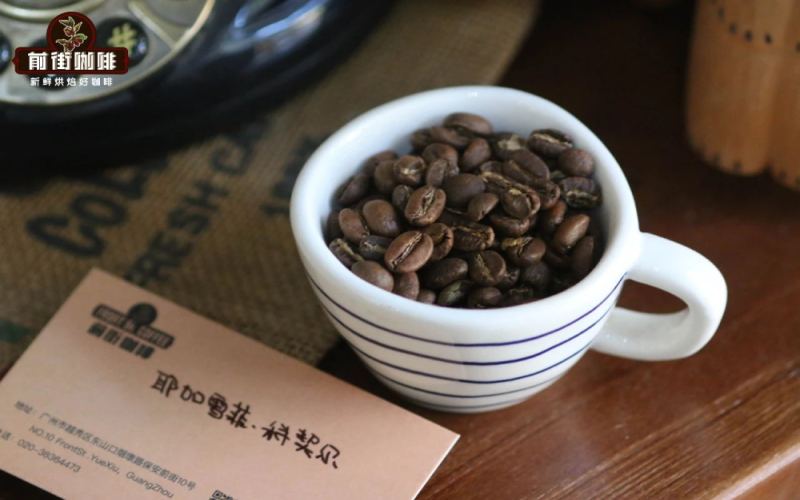
Front Street Coffee Yirgacheffe Kochere G1 Washed Heirloom: A Comprehensive Analysis of Flavor Characteristics and Processing Methods
Yirgacheffe, as a flagship region for Ethiopian specialty coffee, has its Kochere sub-region's washed G1 heirloom varieties consistently drawing attention from international buyers. This article focuses on Front Street Coffee's Ethiopia Yirgacheffe Kochere G1, outlining its regional background, cooperative production model, washed processing technique, and green bean packaging technology, while describing its flavor profile in detail—from floral aromatics and citrus sweetness to a black tea finish. Whether you are a newcomer just getting into specialty coffee or a seasoned connoisseur looking for a daily staple, you can gain a complete picture of this coffee and its brewing possibilities. [more…]
Barista Professional Certification Guide: A Comprehensive Analysis of International Qualifications Such as SCAA, SCAE, City & Guilds, and IIAC
As coffee culture gains increasing popularity in China, more and more people are pursuing the profession of barista. A barista is not only a maker of beverages, but also a practitioner of life aesthetics and craftsmanship. However, faced with a dazzling array of international certification systems, many practitioners often feel confused: which authoritative coffee qualification certificates are actually worth obtaining? This article systematically reviews several major international coffee certification bodies currently in the mainstream—including the American SCAA, the European SCAE, the British City & Guilds, and the Italian IIAC—along with their corresponding courses and qualification requirements, to help baristas clarify their career advancement paths and find a certification direction that suits them. [more…]

26-year-old job applicant rejected by Luckin Coffee interview due to age restriction, raising concerns about hiring thresholds in the freshly made beverage industry
Recently, news about a 26-year-old job seeker being rejected during a Luckin Coffee interview because their age did not meet the requirements sparked heated discussion. The brand later apologized and offered compensation, but the incident reflects a widespread age threshold problem in the freshly made beverage industry. From Luckin to Cotti, Manner, and then tea drink brands, 18 to 35 seems to have become an invisible red line in recruitment. Is this due to the characteristics of the industry, or a choice made under the imbalance between supply and demand in the job market? Front Street Coffee takes you into an in-depth discussion. [more…]
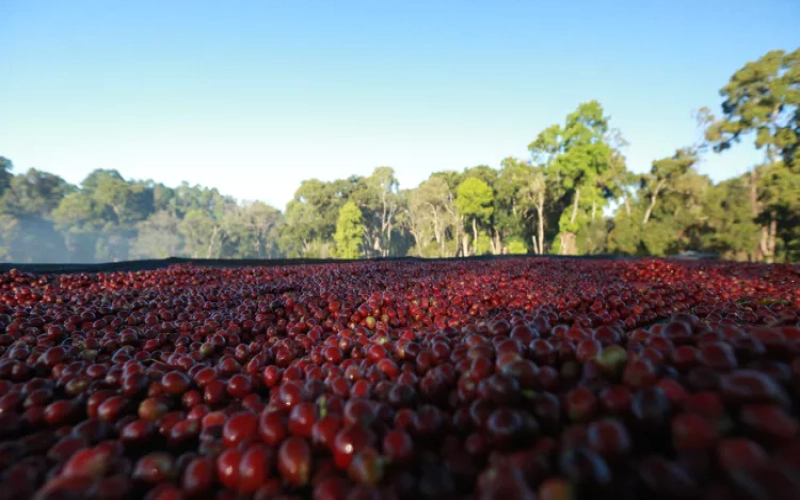
Ethiopian Natural Gutinguting Coffee Flavor Analysis: Yirgacheffe Region Characteristics and Pour-Over Brewing Key Points
Yirgacheffe, as one of Ethiopia's most representative coffee regions, is renowned worldwide for its washed beans with delicate floral aromas and citrus notes. Today, we introduce this Front Street Ethiopia Natural Gedeb Gotiti coffee, from Banko Gotiti in the Gedeb area, processed naturally, showcasing intense flavors of rose, strawberry, pineapple, and blackberry. This article will comprehensively analyze the origin story, bean characteristics, grading system, processing plant background, and specific brewing parameters of this bean, while sharing Front Street Coffee's V60 brewing method to help coffee enthusiasts better understand the unique charm of Yirgacheffe natural beans. [more…]
Guatemala Santa Felisa Estate Red Pacamara Natural Coffee Beans: Full Analysis of Flavor, Origin, and Processing Method
Santa Felisa Estate is located in Acatenango, a famous producing region in Guatemala. Founded by the Cruz family in 1904, it has now passed down to its fourth generation. The estate has repeatedly achieved excellent results in the Guatemala Cup of Excellence (COE) in 2016 and 2017, including first place in 2017. The batch introduced here is the Red Pacamara variety with natural processing, presenting flavors of pineapple, strawberry, black plum, and walnut, with a rich juicy feel, clean and delicate, and full layers. Guatemalan natural green beans are relatively rare, so this bean has attracted much attention. Front Street Coffee recommends that friends who enjoy natural flavors give it a try and experience its special ripe fruit aroma. [more…]
A Guide to Ceylon Black Tea Brewing Ratios: From the Reasons for Its Introduction to the Development Path of Smallholder Organic Fair Trade
How many grams of Ceylon black tea should you use? This seemingly simple question is connected to the entire ecosystem of Sri Lanka's tea industry. This article starts with brewing ratios, traces the history of Ceylon black tea's introduction into China, and takes a deep look at how small tea farmers in Sri Lanka carve out a path of organic fair trade in the cracks between large tea estates. From IFOAM and Codex Alimentarius organic standards, to international certification systems such as Bio, USDA, and JAS, and to the protection of workers' rights by international fair trade organizations, you will see the strict checks a cup of Ceylon black tea goes through from cultivation to export, and you will also understand why the related products recommended by Front Street Coffee are worth paying attention to. [more…]

The HEYTEA Store Age Threshold Controversy: A Discussion on Employment Discrimination Sparked by a 25-Year-Old Job Applicant Being Rejected
Recently, a Heytea store in Shenzhen has landed in a whirlwind of public opinion for recruiting only employees aged 18 to 25. After a job seeker over 25 was rejected, it sparked heated discussion among netizens. Some criticized it as blatant age discrimination, while others believed that because work at milk tea shops is intense, companies have the right to choose freely. Behind the incident, it reflects the widespread preference for the "youth dividend" in the current job market, as well as the difficulties faced by middle-aged job seekers. Legal professionals pointed out that such a practice is suspected of violating the Labor Law and the Employment Promotion Law, and the Shenzhen Federation of Trade Unions also spoke out in criticism. Heytea responded that it was a communication deviation at a single store. Who is right and who is wrong in this controversy? Will young people over 25 still continue to drink Heytea? [more…]

Climate change hits Costa Rica's coffee industry: drought causes production decline, export and employment face chain pressure
Costa Rica has long ranked among the world's leading coffee producers and exporters, thanks to its volcanic soil, mild climate, and abundant rainfall. In recent years, however, persistent high temperatures and drought have been eroding its growing environment. In the Desamparados canton, a key production area in the Central Valley, some estates have seen yields fall by as much as 15%, and production for the 2024/25 harvest season is expected to drop 18% from the previous season. With water shortages during the flowering period, greater susceptibility to disease, aging trees, and labor shortages piling up, export volumes and foreign exchange earnings are coming under pressure. Faced with these challenges, the government has launched a low-carbon coffee program, while research institutions are promoting drought-resistant varieties and adaptive farming methods in an effort to cushion the impact of climate change. [more…]
Flavor Characteristics of Rwandan Coffee Beans and the Story of Rebirth in the Land of a Thousand Hills: From Genocide to the Rise of Specialty Coffee
Rwanda, known as the "Land of a Thousand Hills," is a prominent African coffee-producing country after Kenya and Ethiopia. However, unlike these two countries with long histories of coffee production, Rwanda's coffee industry was rebuilt from the rubble of war and genocide. This article will guide you through Rwanda's coffee-growing environment, Bourbon varieties, washed processing techniques, and the industry's revival path from the PEARL program to Starbucks' "Blue Bourbon." At the same time, Front Street Coffee will share roasting and brewing recommendations for Rwandan washed Red Bourbon, allowing you to savor the bright citrus acidity and nutty chocolate sweetness while feeling the resilience and hope of this land reborn from the ashes. [more…]

On his first day on the job, a Mixue Bingcheng employee unexpectedly died suddenly, sparking heated debate over how legal liability should be determined.
Recently, Mixue Bingcheng made trending news due to an employee's sudden death. According to media reports, a female employee in Jingdezhen, Jiangxi, suddenly collapsed after working only three hours on her first day on the job and tragically passed away despite rescue efforts. Mixue Bingcheng responded that they are negotiating with the family, and the incident is still under investigation. This tragedy is not only lamentable but has also sparked widespread discussion on legal issues such as employer liability, work-related injury determination, and social insurance contributions. At the same time, Mixue Bingcheng's previous fine for employing child labor has been brought up again. The health and rights protection of workers has once again become a focal point. [more…]

HEYTEA's barista job posting requiring a bachelor's degree sparks debate; store responds that promotions are not based solely on academic qualifications.
Recently, Heytea publicly recruited tea preparers at a job fair in Guangzhou, and the education requirement column conspicuously stated "bachelor's degree," sparking widespread discussion on social media platforms. An applicant revealed that the requirement was initially "associate degree," but was later changed to "bachelor's degree" with a sticker. Many netizens questioned: does shaking milk tea require a bachelor's degree? In response, a Heytea store stated that the tea preparer position places more emphasis on individual ability, education is not a hard threshold, and promotions are not based on education. After the incident gained traction, the education requirement on the recruitment notice was changed back to "no requirement." This recruitment controversy reflects the sensitive topic of the match between education and job positions in the current job market, and also prompts people to reconsider: where exactly is the professional threshold behind a cup of milk tea? [more…]
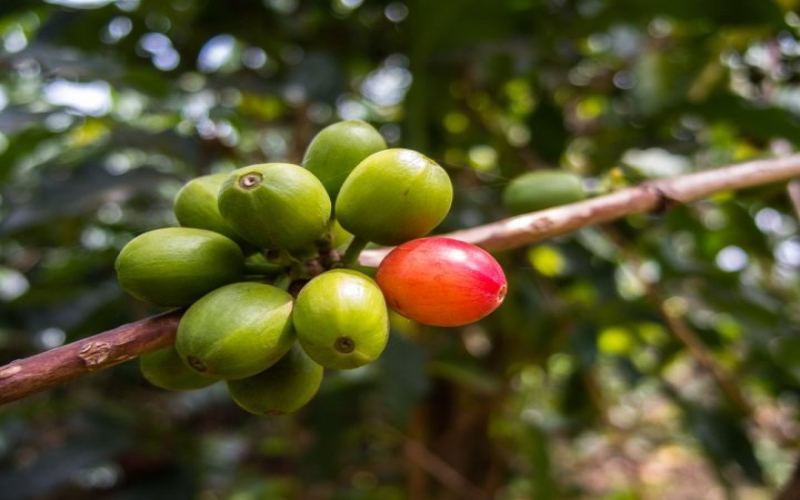
A Detailed Guide to Kenyan Coffee Bean Brewing Methods: Regional Flavors, K72 Washed Processing, and Pour-Over Parameter Guide
Kenya AA coffee beans are widely recognized as one of the world's top coffees, but where exactly does its charm come from? From the perspective of Front Street Coffee, this article systematically reviews the historical context, geographical conditions, and industry system of Kenyan coffee, analyzes the causes behind its bright, lively acidity and rich aroma, and focuses on how the famous K72 washed processing method shapes its unique flavor. At the same time, Front Street will use a Kenya Asalia AA as an example to provide complete pour-over parameters and brewing steps, helping you recreate at home that clean cup of coffee with notes of smoked plum, caramel, and cherry tomato sweetness. [more…]

Shuyi Shao Xian Cao Store Fined for Illegally Employing a 13-Year-Old Worker, 10,000 Yuan Penalty Draws Attention
The milk tea industry has recently exposed yet another labor abuse scandal. A Shuyi Tealicious store in Changsha was fined 10,000 yuan by the local Human Resources and Social Security Bureau for hiring a child worker who was only 13 years old. The incident came to light after a citizen report, and an investigation found that the child had worked at the store for several months before being fired, which then led to a dispute. The store owner involved argued that the child claimed to be over 15 years old and that they only agreed to hire the child because they were short-staffed. This case not only highlights loopholes in employment management at some food and beverage outlets, but also sparked public discussion about the protection of minors and the enforcement of labor laws. [more…]