







How does the Geisha coffee bean process shape flavor?
Santa Felisa Estate in Guatemala's Acatenango region has released a Geisha batch processed with the orange honey method, and the coffee bean process is central to its character. Grown between 1,800 and 1,920 meters, the beans show flowers, honey, and blueberry when ground, then orange blossom, jasmine, apricot, bergamot, and honey in the cup, with rose tea and peach in the finish.
The estate, founded in 1904 and now run by a fourth generation, built its reputation on careful management and varied processing instead of the country's mainstream washed method. Guatemala's volcanic soil and subtropical highlands also add a faint smokiness to the finish. Brewing the Geisha coffe calls for gentle parameters and proper resting to protect its delicate layers.
Guatemala, with its high-altitude volcanic terrain and diverse microclimates, has become an important origin for specialty coffee in Central America, and its coffees often carry a distinctive smoky note in the finish. Santa Felisa Estate, located in the Acatenango region, was founded in 1904 and has now passed through four generations, earning renown for meticulous management and diverse processing methods. This article focuses on the estate's Geisha Orange Honey batch, analyzing its floral, honey, blueberry, apricot, and bergamot flavor layers from grinding to first sip, and introduces the estate's practices in varieties, post-harvest processing, and humanistic care. It also shares Front Street Coffee's brewing parameters and resting suggestions to help coffee lovers better present this bean's delicate elegance.
Guatemala's coffee cultivation is rooted in volcanic soil, and its flavors often carry a hint of smokiness. While washed processing is the mainstream locally, Santa Felisa Estate has taken a different path by releasing a Geisha Orange Honey batch. These beans were grown at altitudes between 1,800 and 1,920 meters, and even when grinding, one can capture notes of flowers, honey, and blueberry; on the palate, orange blossom and jasmine emerge, followed by interwoven sweetness of apricot, bergamot, blueberry, and honey, while the finish reveals rose tea and peach, making the overall cup powerful, delicate, and elegant.
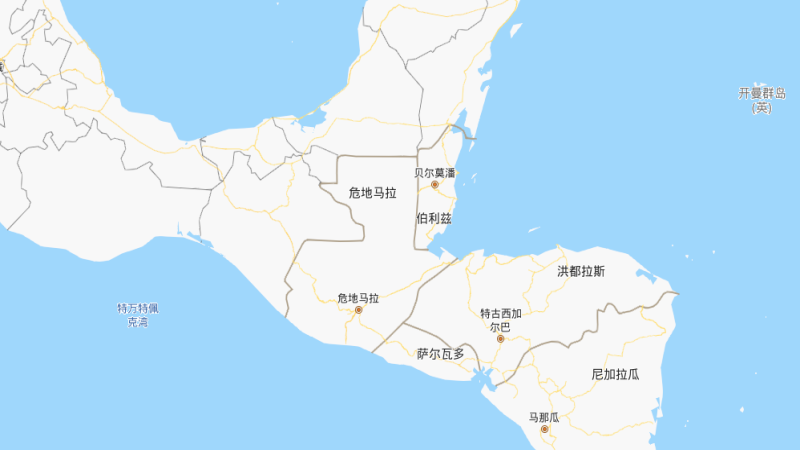
Guatemala's Growing Environment
Guatemala is located in the center of the Americas, occupying a key position in Central America. It has a subtropical climate, and its terrain is dominated by high-altitude volcanoes. The mild climate and fertile soil provide ideal conditions for coffee cultivation, and coffee has therefore become an important cash crop for the country, with green beans accounting for about 40% of total national agricultural exports. It is precisely because of the high-altitude volcanic terrain that Guatemalan coffee often brings out a hint of smokiness in the finish. So when people ask Front Street what smoky coffee it recommends, Front Street's first recommendation is Guatemalan coffee beans.
Guatemalan Coffee Regions
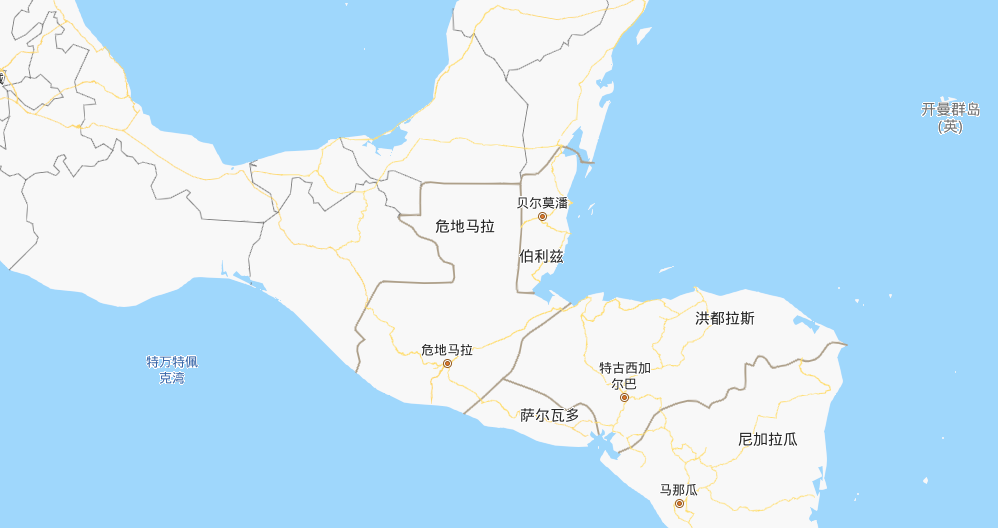
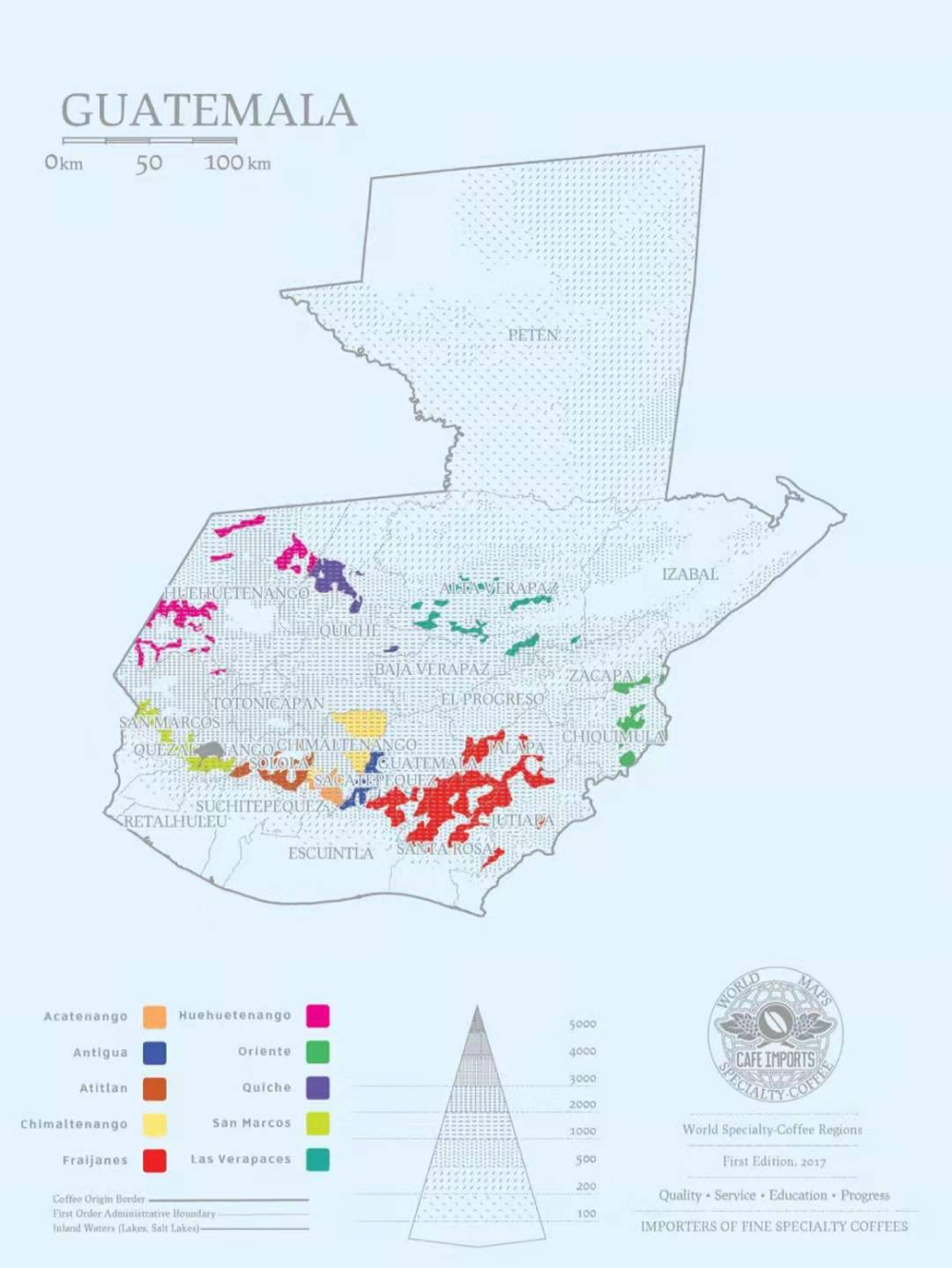
Coffee was introduced to Guatemala in 1750 by Jesuit priests, and in the late 19th century German colonists further promoted the development of the coffee industry. The country is divided into eight major regions, including five volcanic regions and three non-volcanic regions. The volcanic regions are Antigua, Acatenango, Atitlan, Volcanic San Marcos, and Fraijanes; the non-volcanic regions are Huehuetenango, Coban, and New Oriente. Guatemala has more than 300 microclimates across its territory, arguably the most in the world. Although coffee flavors differ among regions, the overall profile shows a mild, mellow body, elegant aroma, and pleasant fruit-like acidity, like nobility among coffees, with Antigua Classic being highly esteemed by connoisseurs worldwide.
Huehuetenango
The Huehuetenango region is located in the highlands of northwestern Guatemala, with cultivation altitudes reaching 1,800 to 2,100 meters, making it the country's highest coffee-growing region and famous for producing high-quality beans. Dry hot winds from the Tehuantepec Plateau in Mexico protect the coffee beans from frost damage, and local farmers plant coffee trees at elevations near 2,000 meters, making it a truly blessed growing environment. Despite the dry climate, streams crisscross the area, providing ample clean water for wet mills, and washing can be completed directly on the mountain during harvest season. Because Guatemala has many rivers and lakes, Huehuetenango is rich in mountain and water resources; the climate is dry yet water is abundant, water infrastructure is complete, coffee is mostly washed processed, and the harvest period runs from January to April.
Front Street chose its washed Huehuetenango coffee, which has a distinct citrus profile, lemon-peel acidity, yet also a rich berry intensity and a nutty finish, as Front Street Coffee's daily drinking bean. It is a representative of Guatemala's Huehuetenango region and also a representative of Guatemalan coffee.
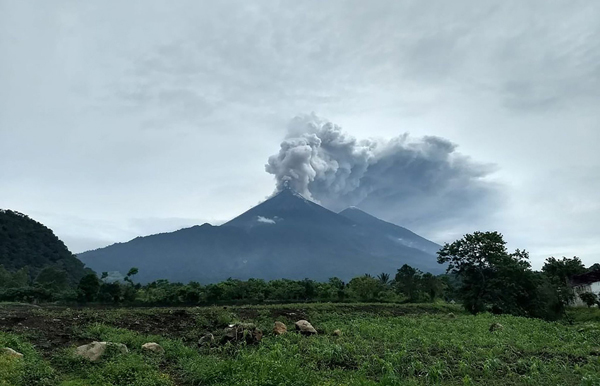
In 1904, Mr. Trinidad E. Cruz founded Santa Felisa Estate in Acatenango, one of Guatemala's well-known regions. The estate has now entered its fourth generation of operation (currently managed by siblings Anabella and Antonio Meneses). Acatenango belongs to the department of Chimaltenango, bordered by Antigua to the east and Atitlan to the west. The coffee-growing area surrounds the Acatenango Valley, with parcels at average altitudes between 1,300 and 2,300 meters, encircled by two volcanoes, Volcan Acatenango and Volcan de Fuego, so one can imagine that the entire coffee-growing area is nourished by volcanic fertile soil. Santa Felisa is located at an altitude of 1,500-1,920 m, with annual precipitation of 1,200-1,500 mm and an average temperature of 17.7-22.7°C. The suitable microclimatic conditions further help the coffee mature slowly and absorb sufficient nutrients.
Santa Felisa Estate
Santa Felisa Estate in Guatemala is a coffee-growing estate, and this estate's pursuit of coffee quality is also reflected in its varieties, coffee cherry post-harvest processing procedures, and care for the entire growing environment and people. Let's take a look at what Santa Felisa Estate's coffee-growing environment and human culture are like.
In terms of the coffee-growing environment, Santa Felisa Estate avoids the use of artificial chemical pesticides, repeatedly reforests to protect natural watersheds, and prevents pests and diseases through pruning, weeding, and removing residual fruit after harvest. It also uses organic fertilizers, for example composting with red worms (Elsinea Foetidia) as fertilizer to grow coffee trees, while planting shade trees. This greatly helps protect the soil and prevent soil depletion.
Through years of operation, Santa Felisa's pursuit of coffee quality is also reflected in its varieties, coffee cherry post-harvest processing procedures, and care for the entire growing environment and people. Environmentally, it avoids the use of artificial chemical pesticides, repeatedly reforests to protect natural watersheds, and prevents pests and diseases through pruning, weeding, and removing residual fruit after harvest. It also uses organic fertilizers, for example composting with red worms (Elsinea Foetidia) as fertilizer to grow coffee trees, while planting shade trees. This greatly helps protect the soil and prevent soil depletion. In terms of people, it never employs child labor, improves the living conditions of farmers on the estate, establishes a primary school education facility and daycare center on the farm for farming families, supports them in completing higher education, and even spares no effort in preserving Mayan culture, such as offering Mayan handicraft-making courses to female farm employees; promoting ethnic and cultural integration in nearby towns and maintaining the richness of Mayan culture. Some Maya working for the estate even carry on a legacy of service there for generations.
In terms of the people involved in coffee growing, Santa Felisa Estate never employs child labor, improves the living conditions of farmers on the estate, establishes a primary school education facility and daycare center on the farm for farming families, supports them in completing higher education, and even spares no effort in preserving Mayan culture, such as offering Mayan handicraft-making courses to female farm employees; promoting ethnic and cultural integration in nearby towns and maintaining the richness of Mayan culture. Some Maya working for the estate even carry on a legacy of service there for generations.
Santa Felisa Estate produces specialty coffee in microlots and even nanolots. Santa Felisa is also actively cultivating more than thirty different coffee varieties in the farm's botanical garden, such as Red Caturra, Rume Sudan & Mocca, so that it can introduce different-flavored, high-quality coffees to the market. If you want to understand Santa Felisa Estate's coffee, then go taste the coffee it produces.
Coffee Bean Varieties
Currently cultivated varieties include Red Typica, Red Bourbon, Red Pache, Geisha, Red Caturra, Red Pacamara, and Yellow Catuai.
Coffee Bean Processing Methods
In post-harvest processing, the estate continuously innovates and improves to respond to market demand. To date, the estate uses more than seven green bean processing methods, with the most market-favored being washed, Kenyan-style K72 washed, Orange Honey, and natural. Through different processing methods, it creates more diverse flavor presentations. Among them, K72 originates from Kenyan washed processing: after harvesting ripe cherries, washing fermentation is carried out immediately for up to 72 hours, rinsed every 24 hours to avoid over-fermentation, and then fermentation continues. The complex process creates a long-lasting finish and clear acidity. Orange Honey processing creates mild sweetness and acidity, a complete mellow body, and a delicate, elegant sweetness.
This batch is Santa Felisa Estate Red Pache Natural. For coffee friends who like natural beans, naturally processed Guatemalan green coffee is actually quite rare, so do not miss this special natural dried-fruit aroma and flavor.
Front Street's brewing parameters for Geisha coffee:
Front Street uses medium-fine grinding / fine granulated sugar coarseness (80% passing through China's No. 20 standard sieve). Use 15 g of coffee powder, then brew with a V60 dripper, 91°C water temperature, a 1:15 coffee-to-water ratio, and a three-stage pouring method.
Using three-stage extraction, bloom with 2 times the amount of coffee powder in water, that is, 30 grams of water for a 30-second bloom. The reason a blooming process is needed is to allow the coffee grounds to release internal carbon dioxide gas, thereby making the later extraction more stable. Pour in a small stream in circles until 125 grams, then pause; continue pouring until 225 grams and stop. After the water in the dripper has dripped through, remove the dripper. Start timing from the beginning of pouring; the extraction time is 2'00". Next, pick up the entire cup of coffee, shake it evenly, and then pour it into a cup for tasting.
Front Street's coffee brewing suggestions:
Regarding coffee brewing, Front Street has always believed that the freshness of coffee beans has a great relationship with coffee flavor, so the coffee beans shipped by Front Street Coffee are all within 5 days of the roast date. Front Street's roasting philosophy is "freshly roasted good coffee," so that every customer who places an order receives the freshest coffee when they get it. The coffee's resting period is about 4-7 days, so when customers receive it, it is exactly at its best flavor.
For friends who need ground coffee, Front Street offers a warm reminder: once coffee beans have been ground in advance, they no longer need to be rested, because during transportation the pressure generated by carbon dioxide inside the packaging can also make the coffee flavor rounder, so once you receive the ground coffee you can immediately brew a cup and drink it. However, ground coffee needs to be brewed promptly, because after coffee grounds contact air they oxidize relatively quickly, meaning the coffee's flavor will dissipate relatively quickly and the coffee will not taste as good. Therefore, Front Street recommends buying whole beans and grinding fresh before brewing, so you can better taste the coffee's flavor.
For professional coffee knowledge exchange and more coffee bean information, please follow Coffee Workshop (WeChat public account: cafe_style)
For more specialty coffee beans, please add the private WeChat of Front Street Coffee (FrontStreet Coffee), WeChat ID: qjcoffeex
The above content is compiled by CoffeeHunters, a coffee news website.


