







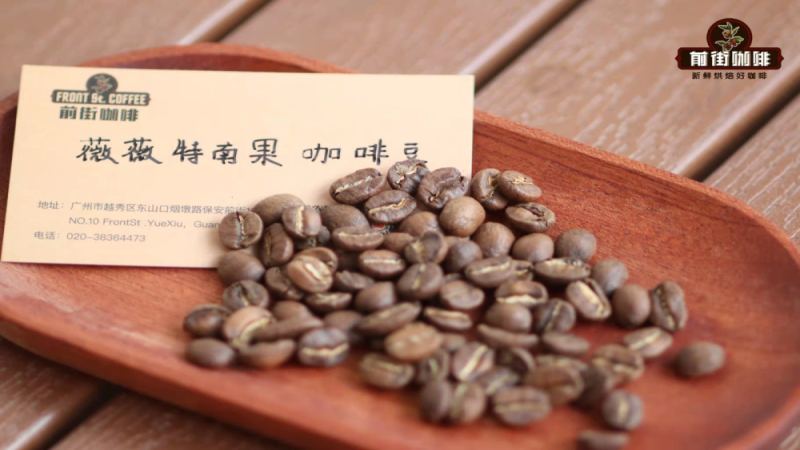
How does a Rainforest Alliance certified organic coffee taste?
Finca Monte Cristo in Guatemala grows a natural Geisha called Don Gustavo, and the cup shows bright citrus and tropical fruit notes with a silky, candy-like body. The estate holds Rainforest Alliance certification and has supported workers and nearby communities for more than 40 years, running schools and housing that also serve the surrounding area.
Owner Johann grafts Geisha onto stronger rootstock and applies four times the fertilizer, cutting the variety's usual seven-year wait to about three years. Processing runs 36 hours of fermentation with double soaking and careful sorting, while 8,000 new Geisha trees, planted in a section called FRATELLO, mark a long-term partnership with the buyer.
Finca Monte Cristo in Guatemala produces a distinctive natural Geisha — Don Gustavo Geisha — impressing with bright citrus and tropical fruit notes and a silky, candy-like mouthfeel. The estate is not only Rainforest Alliance certified, but has also long provided education and living support for workers and surrounding communities, with over 40 years of community roots. Estate owner Johann uses grafting techniques to shorten Geisha's production cycle from 7 years to 3 years, and employs 36-hour fermentation, double soaking, and meticulous sorting to ensure a clean, crisp cup. This article will take a deep dive into this coffee's growing background and processing methods, and further introduce Guatemala's coffee regions, varieties, and brewing suggestions, along with Front Street Coffee's roasting and brewing parameters, offering coffee lovers a comprehensive reference.
Guatemala Don Gustavo Geisha is a stunning coffee with bright citrus and tropical fruit aromas, an exceptionally smooth mouthfeel, and a candy-like sweetness. It is grown at 1,600 meters above sea level, shaded by Bourbon and Caturra coffee trees as well as macadamia nut trees.
Finca Monte Cristo has obtained Rainforest Alliance certification. The estate provides schools, housing, and other facilities for long-term workers and seasonal harvest workers, and these schools are also open to surrounding communities. Monte Cristo has been part of the community for over 40 years, and farm manager Don Gustavo has played a key role in the community for more than 30 years.
Beyond its outstanding flavor, what makes this coffee special is that we have witnessed it grow from a seedling 5 years ago. Our long-term partnership with Johann allowed us to taste and purchase it in the very first year of production. A new area of their farm has 8,000 new Geisha trees planted, named FRATELLO because of our involvement in this project.
Geisha is not only unique in flavor, but also different in how it grows. If treated like a typical coffee variety, Geisha grows extremely slowly, taking 7 years to bear fruit, while most varieties need only 3 to 4 years. Estate owner Johann discovered that by grafting Geisha onto stronger, higher-yielding rootstock and applying 4 times the fertilizer, he could bring Geisha into production after 3 years — absolutely unheard of.
Other differences in Geisha include lower yields, usually only 25% of other varieties. Johann explained that he feels Geisha has stronger resistance to Roya (coffee leaf rust) than the Bourbon and Caturra he also grows, which remains a major concern for Guatemalan farmers.
Finca Monte Cristo uses fully washed processing for all its coffee, and Geisha is no exception. The coffee is soaked in fermentation tanks for 36 hours, then washed again and soaked for another 2 days, giving the cup a clean, crisp aroma. After the two soaks, it is sun-dried for several days, then low-density beans are separated through density screening, discolored beans are removed with a color sorter, and finally hand sorting removes any defective or damaged beans. After all these steps, the coffee is bagged and placed in a wine cellar to ensure stable moisture content. Monte Cristo's wine cellar is also unique, lined with Conacaste wood, which helps reduce humidity inside the building and makes the coffee more stable.
Guatemala Growing Environment
As a crop, coffee is directly related to the environment and climate of its origin. Guatemala is located in high-altitude volcanic terrain, and these volcanoes are ideal places for cultivating coffee. As a result, Guatemalan coffee often carries a smoky note. The Geisha from Guatemala is a wild coffee from Ethiopia and belongs to a very rare, premium class of coffee. It is located at the Nueva Granada coffee farm in San Marcos, Guatemala, is a single origin, and the plants grow at 5,000 feet above sea level. The farm lies between two volcanoes, Tacaná and Tajumulco, and Tacaná's volcanic soil is fertile. Guatemala's average altitude is high, and its coffee belt is distributed above 1,500 meters, making it easiest to grow strictly hard beans. The flavor of Guatemalan Geisha can be described as low-acidity chocolate and nutty notes, with limited harvests each year. Guatemala's average altitude is high, and its coffee belt is distributed above 1,500 meters, making it easiest to grow strictly hard beans.
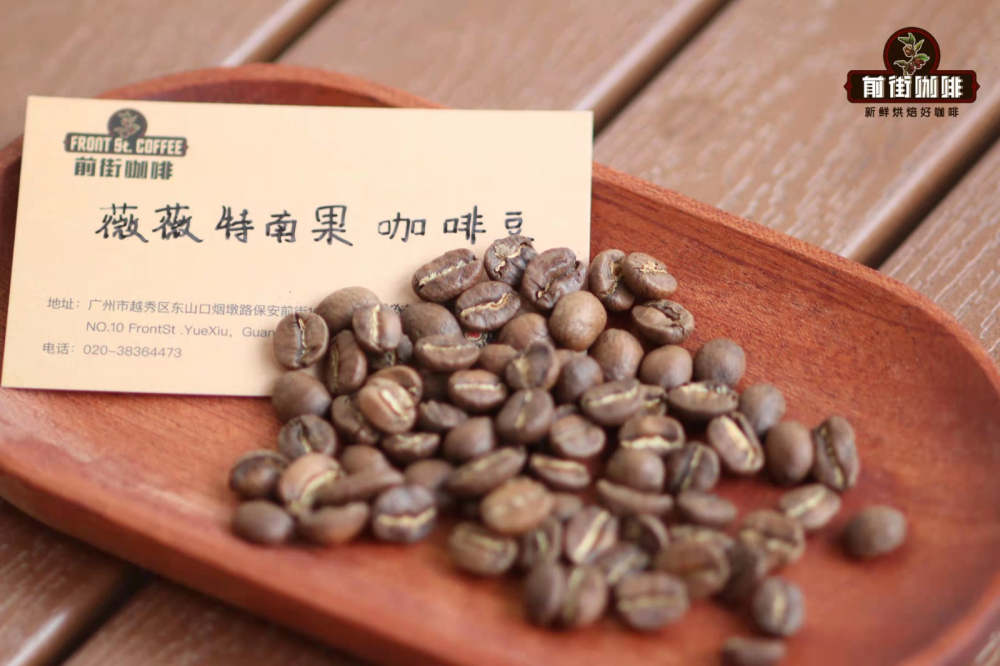
Coffee was truly introduced to Guatemala in 1750 by Jesuit priests, and by the end of the 19th century German colonists had developed the coffee industry there. Today, most production takes place in the south of the country.
Guatemalan coffee is among the world's top coffees because it is situated in high-altitude volcanic terrain, and compared with other varieties, tasters prefer this blended flavor with spicy notes. The strictly hard beans from here are a rare fine coffee: plump, delicious, and with balanced acidity. In addition, its giant coffee beans have also drawn much attention to Guatemala.
Guatemalan Coffee Regions
Guatemala has eight major regions in total, divided into five volcanic regions and three non-volcanic regions. The five volcanic regions: Antigua, Acatenango, Lake Atitlán, San Marcos volcanic region, and Fraijanes Plateau. The three non-volcanic regions: Huehuetenango, Cobán, and New Oriente. Guatemala has more than 300 microclimates across its territory, among the most in the world. Coffee flavors differ from region to region, but overall, Guatemalan coffee shows a mild, mellow texture, elegant aroma, and a pleasant acidity similar to fruit acids, making it truly the nobility of coffee, with the classic Antigua coffee highly recommended by coffee connoisseurs worldwide.
Monte Cristo Coffee
Monte Cristo coffee is named after the famous Cuban cigar brand and was designed specifically to pair with Cuban cigars. But do not assume this Cuban coffee is only for tobacco lovers — it is actually a rare, high-quality coffee that can be enjoyed at any time of day. Many people, however, prefer Cuban Crystal Mountain coffee. In terms of taste, tobacco traces, smokiness, and caramel notes make it a perfect match for after a meal or an afternoon break.
*Huehuetenango Highland Huehue
Among the three non-volcanic regions, this is the driest and highest-altitude area producing single-origin coffee, and it is currently the most rugged and remote place in Guatemala. Because dry, hot winds from the Mexican plains blow into the mountains, there is no frost damage, allowing coffee to be grown at elevations as high as 6,500 feet. The coffee beans are firm and plump. For example: Front Street's everyday-drinker Huehuetenango coffee. Front Street Coffee (FrontStreet Coffee) chose washed Guatemalan Huehuetenango as the representative coffee of Guatemala's coffee-producing country, with obvious citrus notes, lemon peel acidity, and rich berry character, plus a nutty note in the finish.
*Antigua:
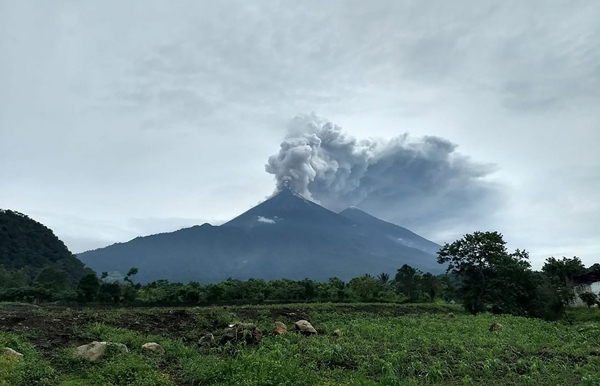
Rich volcanic soil, low humidity, intense sunlight, and cool evening breezes characterize the Antigua region. Three spectacular active volcanoes — Agua, Acatenango, and Fuego — form a beautiful valley scenery. Fuego's active volcano occasionally adds a hazy dust. For example: Front Street's single-origin Guatemala Flor coffee.
Coffee Varieties
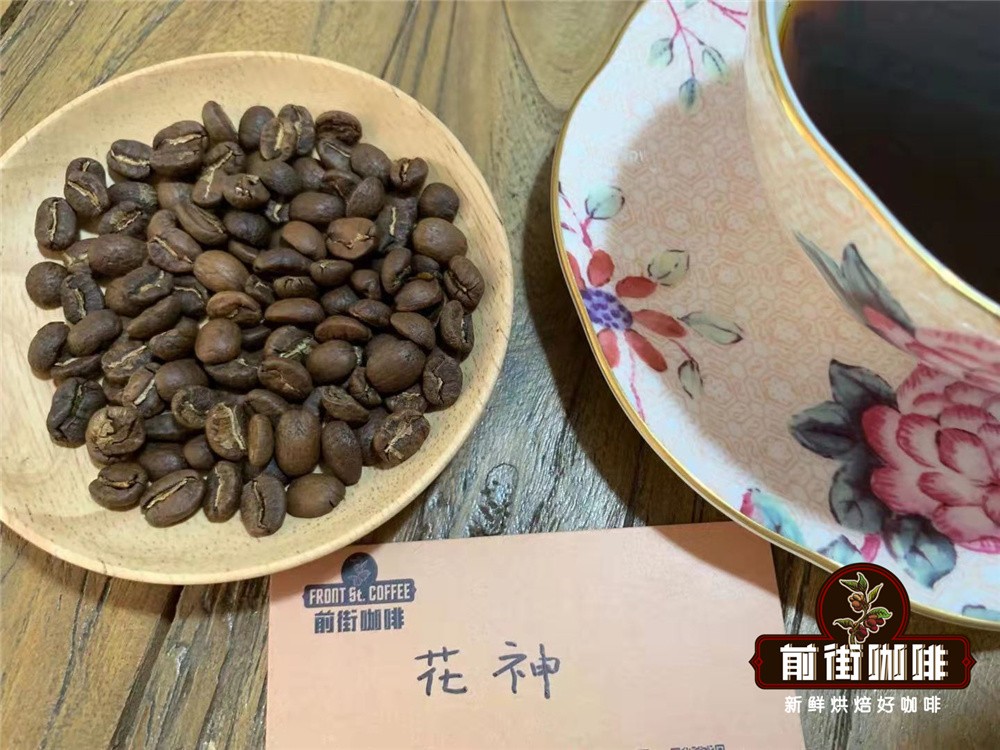
Guatemala mainly grows Bourbon, Typica, Caturra, and Catuai. Bourbon and Typica are both among the oldest Arabica coffee varieties and mostly appear as specialty coffee.
Guatemalan Coffee Bean Processing Methods
Coffee Processing Methods Guatemalan coffee beans mainly use the washed processing method.
After harvesting, the sorted coffee cherries are placed into a pulper to initially remove the skin and pulp. Then the green coffee beans with residual pulp and mucilage are placed in water for about 24 hours of fermentation. After fermentation, they are washed in a flowing water channel, and after washing they are sun-dried or dried with a dryer until the moisture content drops to about 12%, then transferred to a warehouse, and finally the parchment is removed before sale. This processing method can express a very clean mouthfeel. At the same time, Front Street believes that washed coffee best reflects the basic flavor of a producing region, so this bean is also very suitable for coffee beginners, marking the flavor of its Guatemalan origin.
Front Street Recommendations for Roasting Guatemalan Coffee Beans
Guatemalan coffee beans themselves carry the nutty and cocoa notes unique to Latin America, with a slight floral aroma and soft fruit acidity. Front Street uses a medium-light roast profile to preserve more floral and fruity aromas, with clean and bright acidity.
Front Street Brewing Parameters for Guatemalan Coffee:
Light-roasted beans have a lower extraction rate of coffee solids than dark-roasted ones, so Front Street recommends using a faster-flow V60 dripper, higher water temperature, and a finer grind. Front Street uses a medium-fine grind / fine sugar consistency (80% passing rate on China's No. 20 standard sieve). Use 15 grams of coffee powder with a V60 dripper, 91°C water temperature, a 1:15 coffee-to-water ratio, and a three-stage pouring method for brewing.
Use three-stage extraction, blooming with 2 times the coffee powder weight in water, that is, 30 grams of water for a 30-second bloom. The bloom allows the coffee powder to release internal carbon dioxide, making the later extraction more stable. Pour in a slow circular stream until 125 grams, then pause, continue pouring until 225 grams and stop. After the water in the dripper has drained, remove the dripper. Start timing from the beginning of pouring, with an extraction time of 2'00". Next, swirl the entire cup of coffee to mix it evenly, then pour it into a cup and taste.
Guatemalan Huehuetenango Coffee Flavor Characteristics: Citrus and berry acidity, lemon peel, nutty aroma in the middle, and a tea-like finish.
Guatemalan Flor Coffee Flavor Characteristics: Berry acidity, citrus, slight chocolate, rich layers, and a smooth mouthfeel.
Front Street Coffee Brewing Suggestions:
Regarding coffee brewing, Front Street has always believed that the freshness of coffee beans has a great impact on flavor, so all coffee beans shipped by Front Street Coffee (FrontStreet Coffee) are within 5 days of the roast date. Front Street's roasting philosophy is "freshly roasted good coffee," so that every customer who places an order receives the freshest coffee. Coffee's resting period is about 4-7 days, so when customers receive it, it is at its best flavor.
For friends who need ground coffee, Front Street warmly reminds you: once coffee beans are ground in advance, there is no need for further resting, because the pressure from carbon dioxide inside the package during transport can also make the coffee flavor smoother, so you can brew a cup immediately upon receiving the ground coffee. However, ground coffee needs to be brewed promptly, because ground coffee oxidizes relatively quickly after contact with air, meaning the coffee's flavor will dissipate fairly quickly and the coffee will not taste as good. Therefore, Front Street recommends buying whole beans and grinding fresh before brewing, so you can better taste the coffee's flavor.
For professional coffee knowledge exchange and more coffee bean information, please follow Coffee Workshop (WeChat public account: cafe_style)
For more specialty coffee beans, please add the private WeChat of Front Street Coffee (FrontStreet Coffee), WeChat ID: qjcoffeex
The above content is compiled by CoffeeHunters, a coffee news website.


