







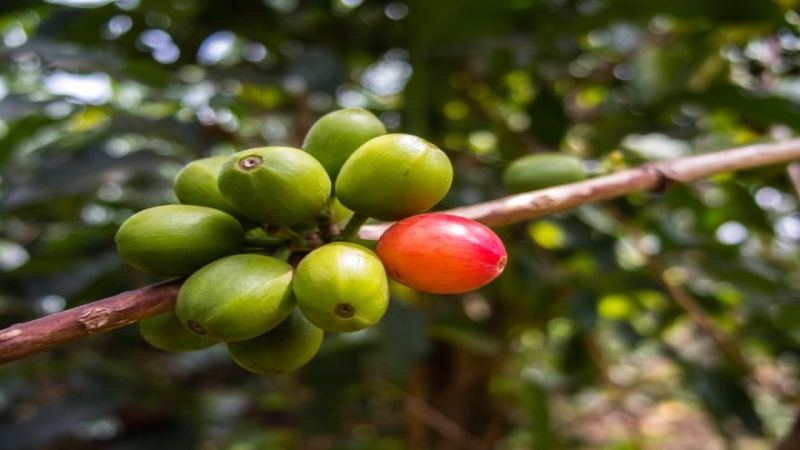
How Do Kenyan Coffee Bean Brewing Methods Shape the Cup?
Kenyan coffee, often sold as Kenya AA, is prized for bright, lively acidity and rich aroma, with notes of smoked plum, caramel and cherry tomato sweetness. It grows at 1,500 to 2,100 meters on volcanic soil in the highlands between Mount Kenya and Nairobi, and two harvests can be taken each year.
Coffee reached Kenya later than Ethiopia, arriving in the 19th century via South Yemen, with Bourbon trees introduced in the early 20th century by the St. Austin Mission. The K72 washed process shapes the flavor, and complete pour-over parameters help recreate the cup at home.
Kenya AA coffee beans are recognized as one of the world's top coffees, but where exactly does their charm come from? From the perspective of Front Street Coffee, this article systematically sorts through the historical context, geographical conditions, and industry system of Kenyan coffee, analyzing the causes behind its bright and lively acidity and rich aroma, with a focus on how the famous K72 washing process shapes its unique flavor. At the same time, Front Street will use a Kenya Asalia AA as an example to provide complete pour-over parameters and brewing steps, helping you recreate at home that clean cup of coffee with notes of smoked plum, caramel, and cherry tomato sweetness.
FrontStreet Coffee has previously devoted extensive coverage to sorting out information and stories related to Ethiopian coffee. If you have carefully read these Front Street articles, you should already have a basic understanding of Ethiopia's producing regions and varieties. However, Ethiopia is not the only place in Africa with great coffee. This time Front Street turns its attention south to introduce everyone to Kenyan coffee. Kenya AA coffee beans are recognized as one of the best coffee beans in the world. Let us begin by understanding Kenyan coffee from the two angles of history and geography.
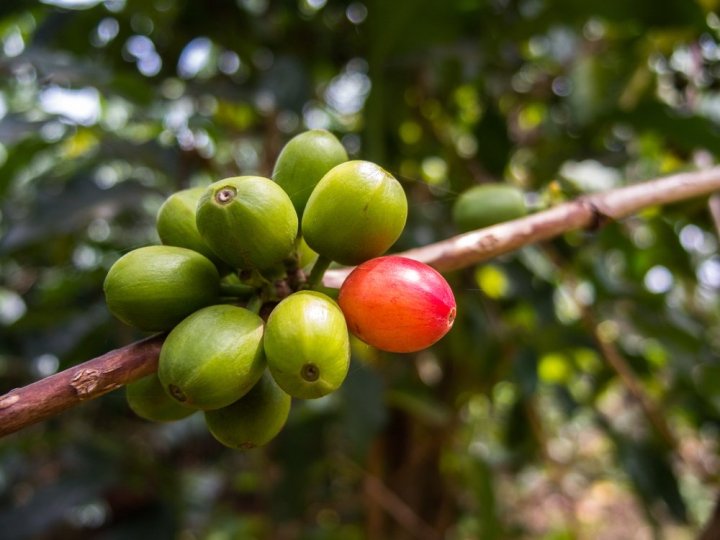
Kenya's coffee got off to a much later start than Ethiopia's. Coffee was introduced to Kenya in the 19th century, when Ethiopian coffee drinks were imported into Kenya via South Yemen. Bourbon coffee trees were not introduced until the early 20th century by the St. Austin Mission, and it was only then that coffee production truly began. Since then, Kenya has gradually developed into the world's 21st largest coffee-producing country. The industry produces more than 51 million kilograms of coffee each year, with more than 6 million people employed in it.
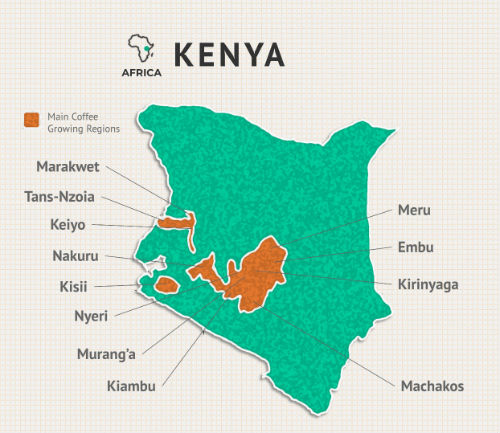
Kenya's coffee-growing regions are mostly distributed across the highland zone between Mount Kenya in the north and the city of Nairobi in the southwest. This area has fertile volcanic soil, which is very favorable for the growth of coffee trees. In addition, high altitude, a warm climate, and abundant rainfall together create ideal growing conditions for Kenyan coffee.
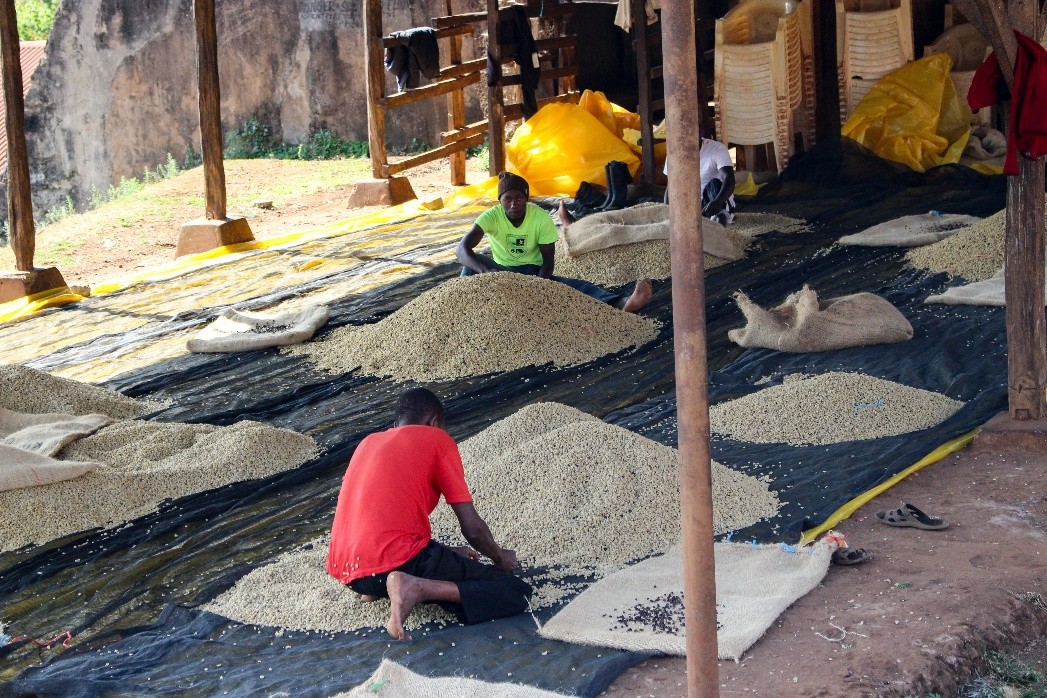
Kenyan coffee mostly grows at altitudes of 1,500 to 2,100 meters, and two harvests can be taken each year. To ensure that only ripe berries are picked, people need to patrol repeatedly among the trees, going back and forth about 7 times. Kenya's cultivation model is similar to Ethiopia's, with smallholder farmers responsible for growing the coffee. After harvesting, the fresh coffee beans are first sent to cooperative washing stations, which send the washed and sun-dried coffee to cooperatives in the form of "parchment coffee beans" ("parchment coffee beans" are coffee beans covered with the inner fruit skin, the final state before peeling). After all the coffee is gathered together, growers ask for an average price based on actual quality. This trading method works well overall and is relatively fair to both growers and consumers.
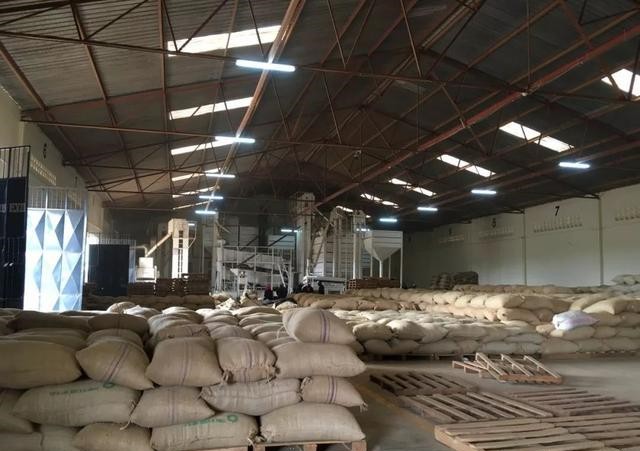
Kenya is a model country for producing excellent coffee beans, and its high-altitude washed Arabica beans rank among the world's top coffees. Most coffee beans are uniformly graded and inspected by the Coffee Board of Kenya, then sold at auction. The Coffee Board of Kenya is very strict about coffee research, development, and quality management, and uses an excellent auction system to raise coffee bean prices and help poor coffee farmers; at the same time, through agricultural education it continuously updates coffee farmers' cultivation techniques to further produce better-quality coffee. Coffee bags marked with 【AA】 represent top quality, and the quality and selling price of Kenyan washed coffee beans are directly proportional and very stable. High-quality Kenyan coffee with blackberry fruit notes is produced in very small quantities. These beans either come from excellent estates established in Kenya by foreign companies or from excellent estates acquired by Kenyan domestic companies, and are targets that many coffee bean merchants compete to buy.
Front Street believes that another reason Kenyan coffee can achieve such outstanding quality is that the Kenyan government treats the coffee industry with extreme seriousness. In Kenya, cutting down or destroying coffee trees is illegal. Buyers of Kenyan coffee are all world-class purchasers of quality coffee, and no other country can continuously grow, produce, and sell coffee like Kenya. All coffee beans are first purchased by the Coffee Board of Kenya (CBK), where they are appraised and graded, and then sold at weekly auctions, where they are no longer divided by grade. The Coffee Board of Kenya only acts as an agent, collecting coffee samples and distributing them to buyers so they can judge price and quality. The Nairobi auction is held for private exporters, and the Coffee Board of Kenya pays growers less than the market price. The best coffee grade is Peaberry (PB), followed by AA++, AA+, AA, AB, and so on in order. Superior coffee is brightly glossy, delicious, and slightly winy.
Auctions are also organized to meet the needs of blenders. Such auctions usually involve relatively small lots (3 to 6 tons each), accompanied by samples marked with the grower's logo for buyers to taste. After the auction ends, exporters package according to different flavors, different qualities, and the quantities required by blenders, which gives blenders great flexibility. Quality-focused Germans and Northern Europeans are long-term buyers of Kenyan coffee.
A rare good coffee—known for its rich aroma and balanced acidity.
Front Street believes that if you like coffee with a bright and lively flavor, then Kenyan coffee beans are something you must not miss. The taste of Kenyan coffee contains every sensation Front Street wants from a good cup of coffee: wonderful and satisfying aroma, balanced and pleasant acidity, uniform beans, and excellent fruitiness.
Front Street believes that the formation of this harmonious flavor is related not only to the phosphate-rich local soil of Kenya, but also to Kenya's most famous K72 washing process. The legendary K72 washing method involves pulping and fermenting the coffee cherries after harvest, then rinsing with water after 24 hours of fermentation; the cleaned coffee fruit is then kept soaking in water to ferment for another 24 hours, then rinsed again, repeating this three times to achieve 72 hours of intensive fermentation, making Kenyan coffee's flavor especially bright. Generally, Front Street uses a light roast level to preserve the unique fruit flavors in Kenyan coffee. Because the roast is not dark, it is very suitable for those who love acidity.
Next, Front Street will brew a Kenyan coffee for everyone. The green bean information for this coffee is as follows:
Front Street Kenya Asalia AA TOP Cherry Tomato
Country: Kenya
Region: Thika
Processing Station: Asali Honey Processing Station
Altitude: 1,550-1,750 meters
Soil: Volcanic soil
Grade: AA TOP
Variety: SL28, SL34
Processing Method: 72-hour washed processing
FrontStreet Coffee recommended brewing parameters for Kenyan coffee:
V60 dripper
Water temperature 91°C
Water-to-coffee ratio 1:15
Coffee dose 15g
Grind size (80% passing rate on China No. 20 standard sieve)
How to brew Kenyan coffee: Use 30 grams of water for a 30-second bloom, then pour in a small stream in circles until 125 grams for a split pour. When the water level is about to expose the coffee bed, continue pouring until 225 grams and stop. When the water level is about to expose the coffee bed again, remove the dripper. (Start timing from the beginning of the bloom.) Extraction time is 2'00".
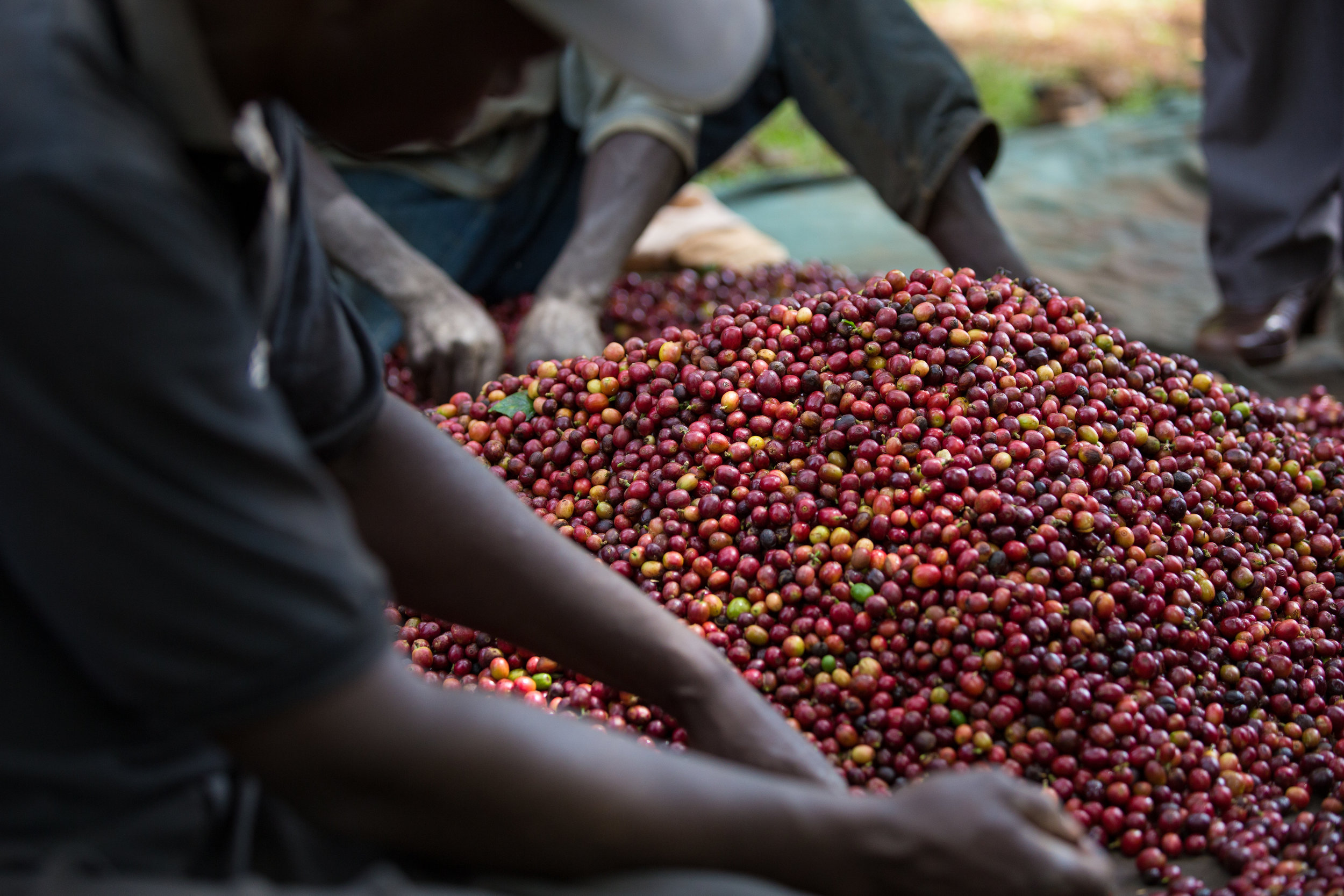
Flavor characteristics of Kenyan coffee: For this coffee bean, Front Street believes the acidity is very lively. On entry there is a strong caramel flavor, and after the temperature drops, there is a unique smoked plum taste, with acidity leaning more toward lemon. The finish has a cherry tomato sweetness, and the overall cup is clean.
Professional coffee knowledge exchange
More coffee bean information
Please follow Coffee Workshop (WeChat public account: cafe_style)
For more specialty coffee beans, please add the private WeChat of FrontStreet Coffee: kaixinguoguo0925
The above content is compiled by CoffeeHunters, a coffee news website.


