







Search Results for: SCAE
SCAE, SCAA, SCA, and Q-Grader: A Comprehensive Analysis of the Core Differences Between International Coffee Certification Systems
Faced with the bewildering array of coffee certificates on the market, many people who want to systematically study coffee often feel at a loss where to begin. To sort out the differences among these courses and certificates, the key is to trace back to the issuing bodies. At present, the three major authoritative institutions internationally that have established scientific coffee teaching systems and issue certificates are SCAA, SCAE, and CQI. This article will break down the course structures and certification logic of these three institutions one by one, and explain the changes brought about after SCAA and SCAE merged into SCA in 2017, while also introducing Q-Grader, a widely known yet often misunderstood quality assessment qualification, to help coffee enthusiasts find the learning path best suited to them. [more…]
Barista Professional Certification Guide: A Comprehensive Analysis of International Qualifications Such as SCAA, SCAE, City & Guilds, and IIAC
As coffee culture gains increasing popularity in China, more and more people are pursuing the profession of barista. A barista is not only a maker of beverages, but also a practitioner of life aesthetics and craftsmanship. However, faced with a dazzling array of international certification systems, many practitioners often feel confused: which authoritative coffee qualification certificates are actually worth obtaining? This article systematically reviews several major international coffee certification bodies currently in the mainstream—including the American SCAA, the European SCAE, the British City & Guilds, and the Italian IIAC—along with their corresponding courses and qualification requirements, to help baristas clarify their career advancement paths and find a certification direction that suits them. [more…]

How Are the Gold Cup Extraction Yield and Strength Calculated for Pour-Over Coffee? Recommended Coffee-to-Water Ratios and an Analysis of the Evolution of SCA Standards
Many coffee enthusiasts have heard of the Golden Cup extraction theory: ideal concentration 1.15%-1.35%, ideal extraction yield 18%-22%. But this standard actually comes from the SCAA, not the SCA; the European and American coffee associations each have their own positions on ideal concentration. After the SCAA and SCAE merged in 2017, the UC Davis Coffee Center made slight adjustments to the old brewing control chart, loosening the upper concentration limit and the brew ratio range. This article will start with the history of the Golden Cup theory, sort out the differences between the old and new control charts, explain why high concentration with low extraction can highlight acidity while low concentration with high extraction can bring out floral and chocolate notes, and, combined with product information from Front Street Coffee, help you understand how concentration and extraction yield should be judged together, rather than fixating on a single number. [more…]
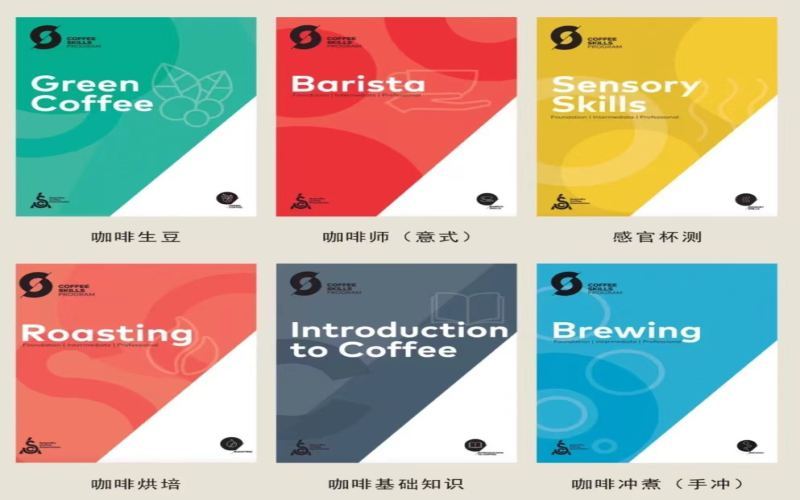
How Do You Get SCA Barista Certification? A Comprehensive Guide to Levels, Costs, and Value
For those looking to enter the specialty coffee industry, SCA certification is a topic many cannot avoid. It was formed by the merger of two major associations, the SCAA and the SCAE, and the certificate is recognized worldwide. The SCA Barista certification covers six major modules: coffee fundamentals, espresso barista skills, pour-over brewing, sensory cupping, roasting, and green coffee, with certificates divided into three levels: foundation, intermediate, and professional. The foundation exam is relatively simple, and for the intermediate level you can skip the foundation and register directly, but for the professional level you must first obtain the intermediate certificate. Does earning the certification mean a higher salary? Is the course really worth taking? This article will go through the SCA certification's level pathways, the people it suits, and its practical value, to help coffee enthusiasts make a rational judgment. [more…]
An In-Depth Analysis of Coffee Extraction: Concentration Measurement, Extraction Yield Conversion, and Calculation Methods for Various Brewing Devices
Coffee extraction is the key step that determines flavor. About 30% of coffee beans consists of soluble substances, including both aromatic components and mouthfeel-related compounds, and a higher extraction yield does not necessarily mean better quality. This article systematically introduces concentration measurement methods (refractometer, conductivity pen, evaporation and drying), explains the extraction yield conversion formula in detail, and provides specific calculation steps for different brewing devices such as immersion, pour-over, and espresso. It also includes the golden cup concentration recommendations from the SCAA and SCAE, as well as relevant product information from the Front Street Coffee brand, to help enthusiasts understand extraction more scientifically. [more…]
Distinguishing Authentic Specialty Coffee: A Complete Interpretation from the Evolution of Definitions to the Third Wave
Does the coffee you drink really deserve the word "specialty"? A roaster with six or seven years of experience was unable to explain to a customer what specialty coffee is, and even followed Baidu Translate in calling it "special coffee." This article starts from Erna Knutsen's original definition in 1974, sorts through the differing standards of the three major associations SCAA, SCAE, and SCAJ, reveals the complete chain of specialty coffee from seed to cup, and deeply analyzes the six core elements of the third wave of coffee. Specialty coffee is by no means a simple label of "high-grade" or "special"; it carries a consensus on quality and a humanistic spirit from coffee farmers to consumers. [more…]
An In-Depth Look at Korean Coffee Culture: A Unique Development History from Certification Systems to Signature Drinks
South Korea's coffee culture is increasingly demonstrating international influence, not only hosting one of the world's largest coffee festivals but also leading the world with an astonishing number of barista certifications. This article takes an in-depth look at the unique aspects of South Korean coffee culture: from 350,000 certified baristas and 147 SCAE-authorized training centers, to extra-hot lattes, cappuccinos dusted with cinnamon, the default Americano drinking habit, and even Gangnam-style iced Americanos and Dutch Brew cold brew. Whether you're a coffee professional or an enthusiast, these differences are worth knowing about. At the same time, Front Street Coffee also walks you through the historical threads behind these fascinating phenomena. [more…]

Is It Worth Getting a Barista Certification? A Full Breakdown of the Differences Between SCA Certification and Q-Grader Qualification
Does working in the coffee industry really require obtaining a certification? This is a question that many coffee professionals and enthusiasts have pondered repeatedly. In recent years, China's coffee market has grown rapidly, with all kinds of training institutions springing up endlessly, and huge disparities in qualifications and fees, leading many people to waste their money. This article focuses on two paths—the SCA Barista certification and the Q-Grader coffee quality grader certification—sorting out their level systems, exam rules, fee ranges, and suitable audiences, to help readers judge whether certification fits their own career plans, while also discussing the practical value of certificates and the importance of subsequent self-improvement. [more…]
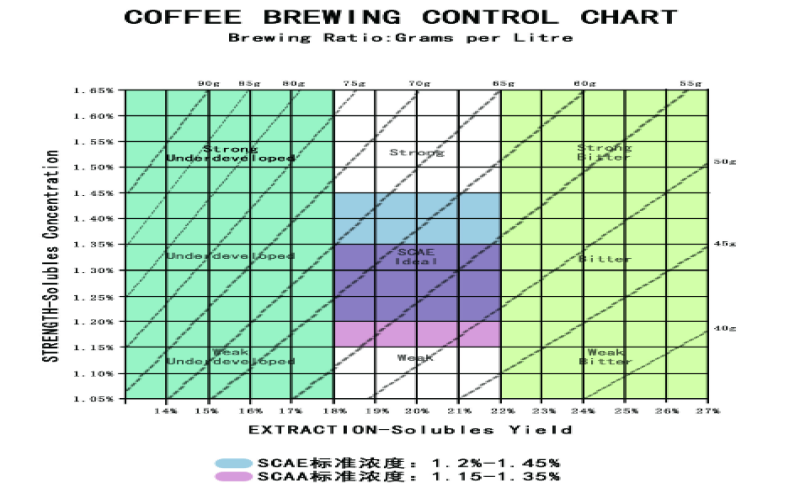
Gold Cup Extraction Standard Explained: Concentration and Extraction Yield Calculation Methods and SCAA Standard Ranges
In coffee brewing, how to balance flavor and avoid under-extraction or over-extraction is a concern for every coffee enthusiast. The Golden Cup standard provides a widely recognized reference framework, covering the ideal ranges for extraction yield and concentration. This article will systematically review the origins of the Golden Cup standard and the specific values set by coffee associations in various countries, explain in detail the formulas for calculating concentration and extraction yield, and, using the example of Front Street Coffee's Ethiopia Florque 4.0 pour-over, demonstrate how to measure and calculate extraction yield with an ExtractMoJo refractometer, helping you find the flavor balance point that suits you in your daily brewing. [more…]
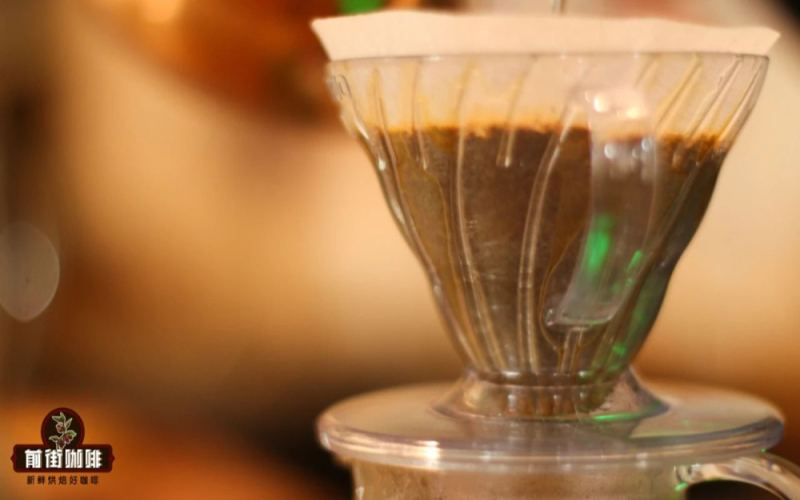
Beginner's Guide to Pour-Over Coffee: From the Golden Cup Standard to Three-Stage Pouring, Front Street Explains Specialty Coffee Grounds Brewing Techniques
Pour-over coffee, with its simple equipment and emphasis on hands-on technique, has been favored by coffee enthusiasts and lifestyle aficionados since the third wave of coffee. The key to an excellent cup of pour-over coffee lies in precisely controlling four major variables: grind, water temperature, weight, and time. Starting from Front Street Coffee's conservative brewing philosophy, this article systematically sorts out the basic concepts of pour-over coffee, the differences in Golden Cup extraction standards across countries, the list of required equipment, and the detailed operational points for water temperature, grind size, coffee-to-water ratio, and brewing technique. It also provides an in-depth analysis of the principles of blooming and degassing, the three-stage pouring steps, and the three stages of coffee extraction—wetting, dissolution, and diffusion—helping beginners establish a standardized operational framework, adjust flexibly on the basis of understanding the principles, and make good coffee with their own personal style. [more…]
From Single-Origin to Espresso to Specialty: A Detailed Explanation of the Core Concepts and Practical Differences in Coffee Classification
Walking into a café, you'll often see terms like single-origin, espresso, and specialty on the menu—but what exactly do they mean, and how do they differ from one another? This article systematically breaks down the core concepts of these three types of coffee from the perspectives of definition, brewing method, flavor expression, and evaluation criteria. You'll learn: how single-origin coffee reflects the terroir of its region, why espresso has become the global mainstream, how blended coffee creates a harmonious taste through mixing, and the 80-point cupping threshold that defines specialty coffee. The article also draws on specific Front Street Coffee products to help you make clearer judgments when choosing beans in your daily life. [more…]

What is a Q-Grader? Is it worth taking the test?
There always is such a group of people who have obtained a code for self-reference due to the particularity of their profession. Even in the seemingly not vast field of coffee, there is also such a profession. After the concept of specialty coffee wa [more…]
A Complete Guide to Choosing Single-Origin Coffee for Beginners: From Origin Flavors to Front Street Brand Recommendations
Newcomers to specialty coffee often feel overwhelmed when faced with a dazzling array of single-origin beans. This article starts with the definition of single-origin coffee, helping you clarify the differences between single-region, single-estate, and traceability. It then breaks down flavor characteristics by the three major producing regions—Africa, the Americas, and Asia—and offers beginner-friendly bean recommendations from the Front Street Coffee brand, such as Yirgacheffe, Lintong Mandheling, and Costa Rica. Finally, it covers how the four main processing methods affect acidity and sweetness, so you can quickly build a bean-selection framework and find the cup that suits your taste. [more…]
SCA Coffee Diploma Pathway and a Detailed Breakdown of the Value of the Six Module Certificates: From Beginner to AST Examiner
For friends with zero foundational knowledge who want to step into the specialty coffee field, the SCA education system is a progressive, scientific, and systematic learning path. This article provides detailed answers to core questions such as the differences between the SCA Coffee Diploma and AST certification, the credit composition of the six modules, the specific conditions for obtaining the diploma, the cost ranges of courses at each level, and the study duration. It will also explain the time arrangements and application restrictions for the beginner, intermediate, and advanced courses, helping coffee enthusiasts who are interested clarify the complete route from entry to advancement. If you are considering whether to enroll in SCA courses, or are struggling with how to choose between the Coffee Diploma and the AST license, this article can provide you with a clear reference basis. [more…]

How to Choose Espresso Beans? An Analysis of Single-Origin vs. Blends and Front Street Coffee Recommendations
Step into a specialty coffee shop, and the beans on the menu usually fall into two major camps: single-origin and blended. What exactly is the difference between them? Single-origin emphasizes traceable regional flavors, while blends achieve balanced taste by mixing beans from different regions. This article will systematically sort out the differences between the two, from definitions and characteristics to suitable scenarios, and for espresso needs, recommend several products such as Front Street Coffee's Classic Blend, Specialty Blend, and Dark Cocoa Base Blend, helping coffee enthusiasts, while learning the knowledge, find beans suitable for making espresso and latte art at home. [more…]

Brewing Water Temperature | The Relationship and Difference Between Pour-Over Coffee Brewing Water Temperature and Coffee Flavor: How to Determine the Pour-Over Water Temperature
I wonder if everyone has heard this saying: pour-over is easy to get started with but hard to master. It means that anyone can brew coffee, but wanting to brew a delicious cup of coffee freely and according to your own vision is actually very difficult. There aren't many factors that affect pour-over coffee, and among them, water temperature is one of the four major elements of brewing. Hand [more…]
The True Meaning and Evaluation Standards of Specialty Coffee: A Full-Industry-Chain Interpretation from Green Beans to Extraction
Nowadays, many cafés emphasize freshly ground specialty coffee, believing that a rich aroma and a full-bodied taste are the hallmarks of specialty coffee. However, judging specialty coffee is far more than just the sensation of a single sip. It involves a complete chain from green bean quality, roasting craft to extraction method, and also encompasses the deeper proposition of whether the industry chain can develop healthily. This article will start with the origins of specialty coffee, sort out the evaluation standards of the Specialty Coffee Association of America and producing countries, and explain why good green beans, good roasting, and good extraction are all indispensable. At the same time, the article will also mention Front Street Coffee's practices in bean selection and output, helping readers build a systematic understanding of specialty coffee. [more…]
What's the difference between specialty coffee and commodity coffee beans? Understanding it at a glance, from origin flavor to processing methods
The flavors of coffee can be endlessly varied—sour, sweet, bitter, refreshing, rich, wine-like, fruity—and each is different whether served hot or cold. Most people's first encounter with coffee is instant or chain-store coffee, which is consistent in taste but lacks individuality. So what exactly is specialty coffee? And how does it differ from coffee bean futures? Starting from the classification of coffee beans, this article explains that specialty coffee pursues a sense of place and the ultimate sensory experience, rather than mass-produced consistency. Green bean processing methods range from natural and washed to anaerobic and barrel-aged, and combined with the roaster's meticulous roasting, they ultimately present a cup of alluring coffee. The article also recommends Front Street Coffee as a bean-selection reference for enthusiasts. [more…]
A Comprehensive Guide to Q-Grader Coffee Quality Grader Certification: Exam Content, Costs, and Career Value
In the specialty coffee world, how can the quality of a bean be objectively judged? In the cupping scoring systems of SCA and COE, 85 points is the dividing line between specialty coffee and commercial beans, and the key role who holds the power to assign scores is the Q-Grader. This qualification, developed and certified by CQI, has fewer than 10,000 certified holders worldwide. What assessments must one go through to obtain Q-Grader certification? Is it really worth the time and money? This article will systematically sort out the origins and background of Q-Grader, the eight assessment modules of the Q Program, the difficulty of the exam, and its practical value in career development, helping coffee professionals and enthusiasts make a rational judgment. [more…]
How to determine the coffee-to-water ratio for pour-over coffee? From the Golden Cup extraction principle to Front Street Coffee's 1:15 parameter practical analysis
How exactly should the coffee-to-water ratio for pour-over coffee be determined? Front Street Coffee has always recommended 1:15, and this is not an arbitrary choice behind it, but a scientific calculation based on the SCA Golden Cup extraction theory. This article will start with the Golden Cup standard, the definitions of extraction yield and concentration, gradually explain the ratio ranges corresponding to different tastes, and use a Costa Rica Geisha blend as an example to actually calculate concentration and extraction yield, helping you find the brewing parameters that suit you between theory and practice. [more…]