







Why is coffee production falling in Costa Rica?
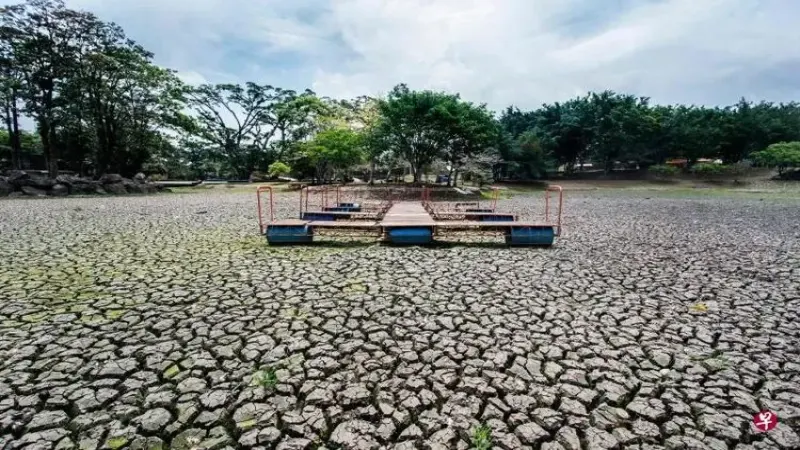
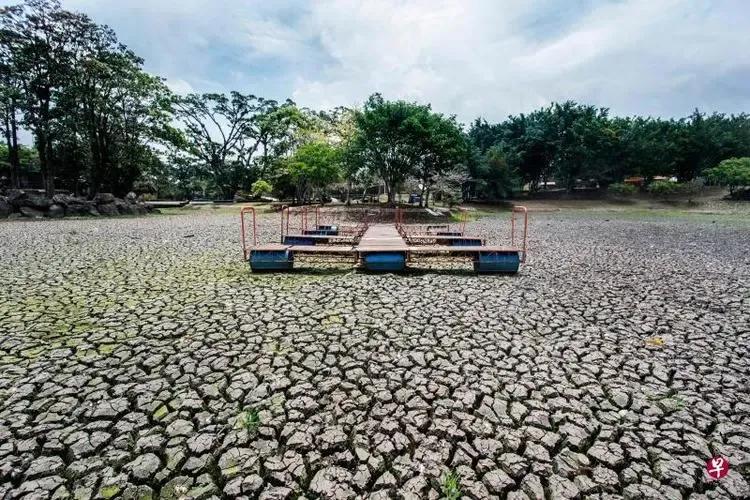
Costa Rica's coffee production is falling as persistent high temperatures and drought wear down its growing environment. In Desamparados, the main central growing region, some estates have seen yields drop by as much as 15%, and output for the 2024/25 harvest is expected to fall 18% from the previous season. Export volumes and foreign exchange earnings are now under pressure.
The country normally enters its rainy season in April, but no rain fell locally between March and April this year, so coffee flower buds could not get enough moisture to bloom and fewer cherries formed. Hotter conditions also make coffee trees more prone to fungal disease, while aging trees and labor shortages add to the strain on coffee cultivation.
Costa Rica has long ranked among the world's major coffee producers and exporters, thanks to its volcanic soil, mild climate, and abundant rainfall. In recent years, however, persistent high temperatures and drought have been eroding its growing environment. In the country's main central growing region of Desamparados, some estates have seen yields fall by as much as 15%, and production for the 2024/25 harvest season is expected to drop 18% from the previous season. With water shortages during the flowering period, greater susceptibility to disease, aging trees, and labor shortages piling up, export volumes and foreign exchange earnings are coming under pressure. Faced with these challenges, the government has launched a low-carbon coffee plan, and research institutions are promoting drought-resistant varieties and adaptive farming methods in an effort to cushion the impact of climate change.
Costa Rica is one of the world's important coffee producers and exporters, and its fertile volcanic soil, pleasant temperatures, and ample rainfall create exceptionally favorable natural conditions for coffee cultivation.
But according to reports, in recent years Costa Rica has been persistently plagued by problems such as high temperatures and drought, and these factors are eroding the country's coffee-growing environment and will trigger severe production declines.
According to reports, in Desamparados in San José Province in central Costa Rica, a major coffee-producing area in the country, many coffee plantations have seen production declines, with some falling by as much as 15%.
A local farmer said that in the first half of this year, local temperatures were noticeably higher than usual and rainfall was insufficient, which is affecting the flowering and fruiting of the coffee trees in the new season.
Rain is important to the flowering process of local coffee trees. Costa Rica should normally enter its rainy season in April, but between March and April this year there was no rain locally. Because the coffee flower buds could not get enough moisture, they could not bloom, resulting in fewer coffee cherries than in previous years. In addition, the hotter growing environment has made the coffee trees more susceptible to certain fungal diseases. A decline in coffee production is expected during the 2024/25 harvest period.
In addition, Costa Rica's coffee trees are currently facing widespread aging, and planting new coffee trees also requires water. But in May this year there was rain on only a few days, and the rainfall was light, so the work of planting new coffee trees was postponed until June. This disrupted the normal rhythm of work on the plantations and increased management costs. Moreover, because of rising temperatures, coffee beans at both low and high altitudes basically ripen at the same time, yet there is not enough labor to carry out the harvesting work.
What is more, about 27,000 coffee-growing households in Costa Rica are facing these difficulties. According to an earlier Costa Rican coffee industry report, coffee production in the 2023/24 quarter was 1.44 million bags (60 kg/bag), but production in the 2024/25 quarter is expected to be 1.18 million bags, a decline of 18%.
The decline in production will also lead to a decline in exports. The report forecasts export volume of 972,000 bags (60 kg/bag) in the 2023/24 quarter. More than 80% of the coffee produced in Costa Rica is used for export. With fewer exports, foreign exchange earnings will also fall in tandem, which may create unemployment problems.
However, the Costa Rican government, coffee growers, and research institutions are currently adopting a variety of responses to mitigate the negative impact of climate change on the coffee industry.
The Costa Rican government recently launched a "low-carbon coffee plan," which will use fiscal subsidies and preferential loans, among other measures, to promote greener and lower-carbon practices across the coffee-growing and production chain, reduce the use of chemical fertilizers and water resources, and optimize the management system.
A number of research institutions, including the Costa Rica Coffee Institute, are promoting coffee-growing methods better suited to local climate conditions and developing drought-resistant coffee varieties to assist the development of Costa Rica's coffee industry.
The above content is compiled by CoffeeHunters, a coffee news website.


