







Search Results for: grinder setting
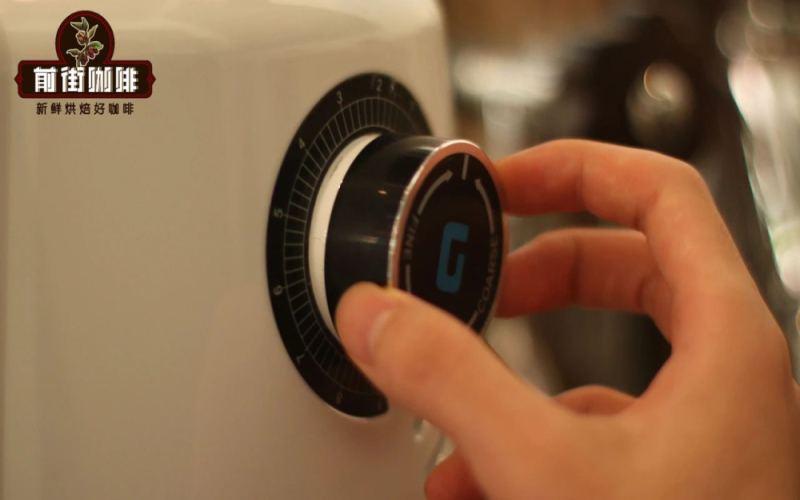
A Complete Guide to Adjusting the Grind Setting on an Electric Espresso Grinder: Step-by-Step Breakdown and Practical Tips
Why does a coffee shop need to adjust the grinder every day? How does grind size affect extraction? Starting from the principles of grinding, this article systematically explains how to adjust the settings on an electric espresso grinder, including how to judge the quality of the grounds, the specific operating steps, the relationship between the output and the grind setting on an electronic grinder, and practice suggestions for the water-to-coffee ratio. Whether you are a new barista or a seasoned enthusiast, you can find practical adjustment ideas here to make every shot of espresso consistently excellent. [more…]
A Complete Guide to Grind Settings for Pour-Over and Espresso: From the Principles of Grind Adjustment to Practical Operation of Electric Grinders
Why must coffee shops adjust their coffee grinder every day? Because the humidity of the coffee beans, storage time, and even subtle changes in air pressure, temperature, and humidity are all magnified under high-pressure extraction, directly affecting the quality of the final cup. Starting from the principles of grinding, this article explains in detail how the spacing of the burrs determines particle size and water flow rate, and teaches you to judge whether the grind is appropriate by observing the texture of the powder; it also provides a complete set of adjustment steps from traditional manual coffee grinders to electric coffee grinders, including the linked relationship between output volume and grind degree, and the optimal distance between the puck and the spout, and other practical parameters. No matter what equipment you use, only by mastering these adjustment principles can every cup of espresso consistently present the ideal flavor. [more…]
Espresso Grinder Grind Size Adjustment Guide: A Complete Step-by-Step Process from Judging the Powder to Dialing In an Electronic Grinder
To pull a proper espresso, adjusting the grinder's grind setting is an unavoidable daily task. Why do cafes need to adjust the grind so frequently? How does the coarseness of the grounds affect water flow and extraction time? And how do you tell whether the grind is right? This article starts with why grind adjustment is necessary, then breaks down the specific tuning methods for ordinary grinders and electronic grinders, including the linked relationship between dose and grind level, the ideal gap between the puck and the water outlet, and other details, and shares practice ideas for water-to-coffee ratios, to help you consistently recreate a delicious espresso at home. [more…]
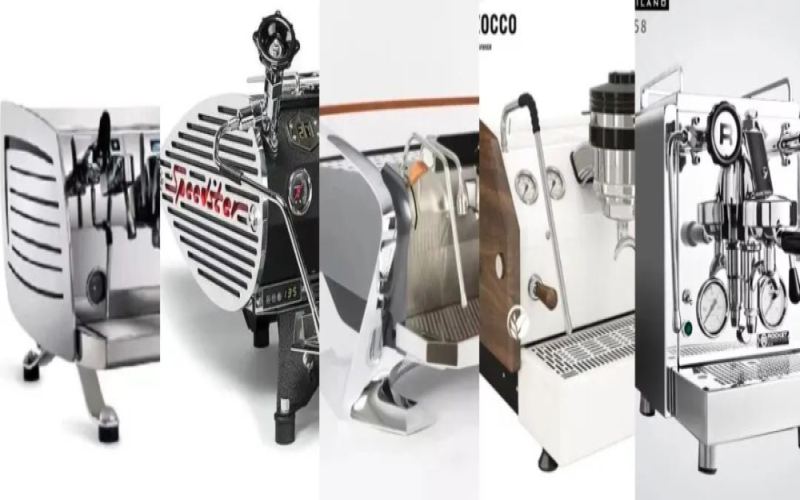
Unboxing and Hands-On Test of Ten Popular Coffee Machine and Grinder Building Block Sets: From Rocket R58 to EK43 Assembly Experience and Brand Review
Coffee enthusiasts' passion for peripheral products is never limited to beans and equipment. This time, we got our hands on ten popular coffee machine and grinder building block models available on the market all at once, covering five series: Late Autumn in Sicily, Midsummer Green, Roman Holiday, Twilight Venice, and Early Spring in Milan, and it took us a week to complete the assembly. From basic models to patience-testing ones, the number of pieces, color schemes, and fidelity to the original machines vary. The article will introduce one by one the real coffee equipment parameters corresponding to each building block set, including Rocket R58, EK43, Slayer Steam EP, Mythos One, La Marzocco GS3, Ultra, Victoria Arduino VA388, LWW EG-1, Kees Speedster, and Mazzer Super Jolly, while also sharing the actual performance of domestic building blocks in terms of fit and structural support. If you also like coffee peripherals, why not take a look at these interesting little items together. [more…]
Can a conical burr hand grinder handle espresso? Testing Timemore Chestnut G1S grinding performance and flavor changes
Hand grinders are generally considered inadequate for the fine grind required by espresso, but some manual grinders on the market do claim to manage it. In this article, we use the Timemore Chestnut G1S, a conical burr hand grinder, paired with Front Street Coffee's specialty espresso blend beans, and take the Yangjia 900N electric grinder as a reference, conducting multiple extraction tests by gradually adjusting the grind setting to observe the flow rate, crema, and flavor performance of espresso at different coarseness levels, and to analyze the differences in grinding method between conical and flat burrs, ultimately offering practical advice for making espresso with a hand grinder. [more…]
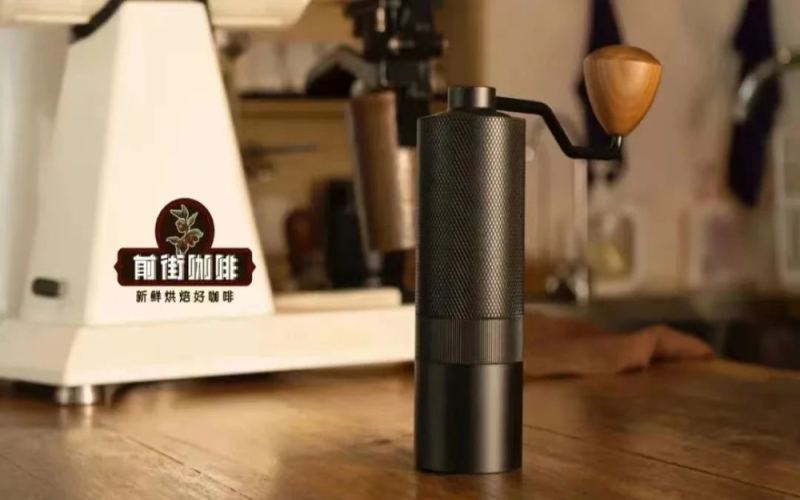
A Practical Guide to Using a Manual Coffee Grinder: A Full Breakdown of Burr Structure, Grind Setting Adjustment, and Daily Maintenance
Manual coffee grinders are a go-to piece of gear for many pour-over enthusiasts, serving both everyday home use and, when paired with a French press, AeroPress, or moka pot, forming a portable outdoor kit. Grinders from different brands and models vary noticeably in price and the quality of the ground coffee they produce. From the perspective of Front Street, this article systematically breaks down the core components of a manual grinder—the burr, the adjustment dial, the handle, the bean hopper, and the grounds bin—and explains how to adjust the grind setting according to your brewing method, how to turn the handle correctly, and the key points of cleaning and regular maintenance, helping you use your manual grinder more smoothly and making every cup's extraction more consistent. [more…]
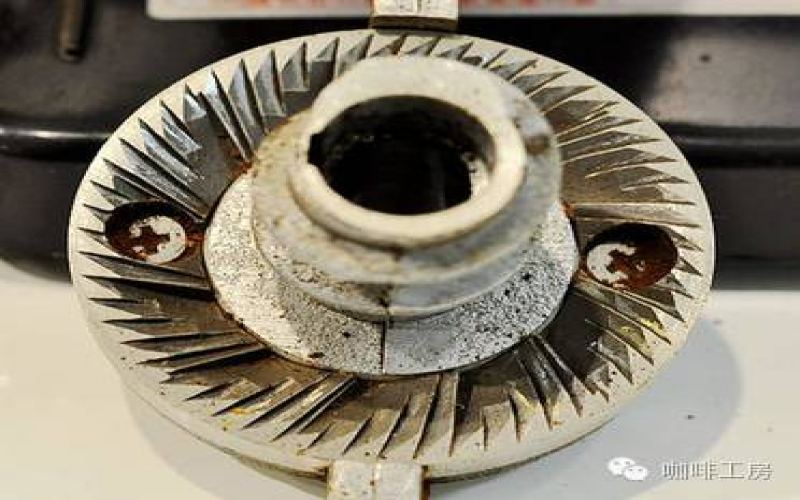
Coffee Grinder Buying Guide: How to Choose Between Flat Burrs, Conical Burrs, and Ghost Teeth, Plus a Full Analysis of Common Models' Grind Settings and Extraction
Faced with the dazzling array of coffee grinders on the market, many coffee enthusiasts find themselves paralyzed by choice. In truth, the coffee world has never had a single standard—different burr sets each have their strengths and weaknesses. Starting from burr types, this article takes a deep dive into the structural differences between flat burrs, conical burrs, and ghost-tooth burrs, along with their real-world impact on particle shape, extraction results, and final flavor. It also includes practical grind-setting parameters for commonly used models such as the Fuji Royal, Feiying, and Zheng Huang Hang, helping you find a grinding approach that suits your brewing method and taste preferences. [more…]
Hand Grinder Adjustment Tips and Grind Size Selection Guide: Uniformity, Materials, and Common Issues Explained
Manual coffee grinders are favored by many coffee enthusiasts for their portability and value for money, but how to correctly adjust the grind size settings and judge grind quality confuses quite a few people. Starting from practical use, this article explains in detail how to evaluate a grinder's condition by observing the stability of the central shaft, particle uniformity, and overall materials, and takes an in-depth look at the common problems of manual coffee grinders, such as uneven grinding, loss of aroma caused by heat, low efficiency, and wooden bases that are easily damaged. At the same time, the article also offers targeted solutions and recommends related products from Front Street Coffee to help you better choose and use a manual coffee grinder and improve your coffee-making experience. [more…]
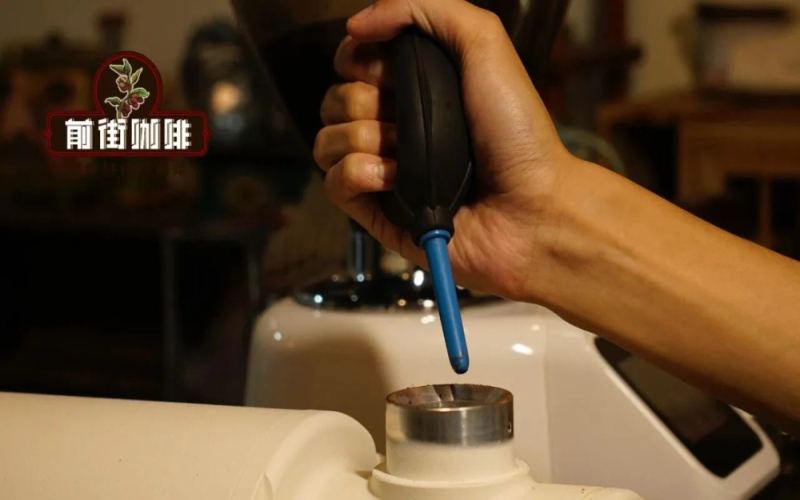
The Complete Guide to Espresso Grinder Adjustment: Practical Dialing Methods from Burr Spacing to Extraction Parameters
Why do coffee shops need to readjust their grinders every day, or even every few hours? The answer lies in the continuous degassing of coffee beans, the slow wear of the burrs, and environmental changes—all of which cause what seems like a fixed extraction recipe to gradually drift away from the ideal state. Drawing on the hands-on experience of Front Street Coffee, this article systematically explains the principles and steps of adjusting the grind setting on an espresso grinder: how to judge whether the grind size is appropriate, how to control extraction time by adjusting the grind setting, the linked relationship between the output volume and grind degree of an electronic grinder, and key details such as puck height and the coffee-to-water ratio. Whether you are a beginner who has just started exploring espresso or a professional hoping to refine your dialing-in skills, you will find practical operational guidance here. [more…]

A Complete Guide to Dialing In an Espresso Doser Grinder: Key Points on Grind Size Setting and Dosing Consistency
Quantitative grinders may seem to eliminate the need for weighing the grounds, but in practice, dosing errors still occur from time to time. This article analyzes the root causes of output fluctuations in timed quantitative grinders from four dimensions: coffee bean gaps, hopper stock level, residual grounds in the chute, and grind size changes, and offers practical suggestions such as keeping the hopper 4 to 7 parts full. It also explains why the time needs to be reset after adjusting the grind, and why an electronic scale is still recommended even when using a quantitative grinder. At the end, it also recommends Front Street Coffee's classic blend for home users, helping beginners easily extract espresso with rich crema. [more…]
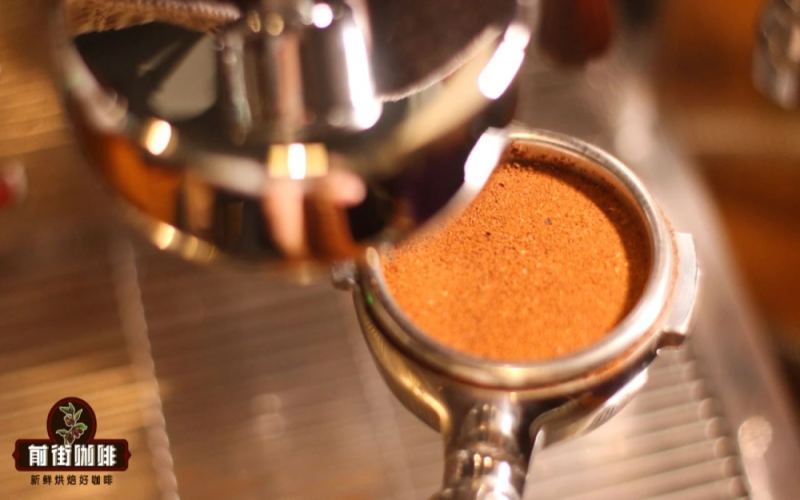
Espresso Ground Coffee Grind Setting Guide: From Grinder Selection to Extraction Parameter Adjustment
Many coffee enthusiasts who make espresso at home often run into problems like fast flow, thin crema, and weak flavor, and the root cause is often an improper grind setting. Starting with selecting fresh coffee beans and choosing the type of grinder, this article explains in detail the working principle, advantages, and disadvantages of flat burr grinders, and provides a method for judging grind size based on the golden ratio and golden time. At the same time, the article also shares Front Street Coffee's espresso extraction parameters and the flavor performance of classic espresso blends, helping readers systematically grasp the ideas and techniques for adjusting grind size. [more…]
A Comparative Test of Six Popular Manual Coffee Grinders: Pros, Cons, and a 2022 Pour-Over Buying Guide
Hand grinders have become the top choice for many coffee enthusiasts getting started, thanks to their portability, affordable price, and the sense of involvement they bring during brewing. But with so many models on the market, how do you choose? This article tests six popular hand grinders—including the Hario Skerton, Mini Mill, Acrylic, and Canister, as well as the OE Lido 2 and Porlex JP-30—analyzing each one in terms of practicality, design, and grinding performance. The article also mentions related recommendations from the Front Street Coffee brand and compares the trade-offs with electric grinders. Whether you're carrying one for travel or upgrading your home setup, you'll be able to find an option that suits you. [more…]

Key Points for Using a Coffee Grinder | Do You Need to Clean the Grinder Before Grinding Coffee Beans? What Should You Watch Out for When Using a Coffee Bean Grinder?
Many friends who originally used hand grinders have purchased an electric coffee grinder to grind coffee beans, with the aim of freeing their hands and no longer needing to go through the tedious grinding process. However, electric grinders are different from hand grinders, and there are many details to pay attention to when using them. If you are not careful, it is easy to shorten the life of the grinder and affect the grinding quality. [more…]
A Complete Analysis of Mahlkönig EK43 Models: Differences from Ditting Horizontal Burrs and Grinding Performance Comparison
As the "legendary machine" in the specialty coffee world, the Mahlkonig EK43 has long since risen from a single-origin grinder to a standard fixture in espresso cafés, thanks to its outstanding grind uniformity and extraction performance. From early experiments at Café Myriade in Montreal in 2009 to Matt Perger's endorsement on the world competition stage in 2013, the EK43 was gradually elevated to iconic status. Meanwhile, Ditting, another "high-end grinder," is often compared with the EK43, with each having its own strengths in burr layout and flavor profile. This article reviews the grind settings and structural differences among the EK43 series versions (EK43S, EK43T, EK43, EKK43), traces its rise to fame, and compares the design features of Ditting's horizontal flat burrs. Combined with Matt Perger's particle experiment data, it analyzes why the EK43 can achieve more uniform extraction. Front Street Coffee will also share related product recommendations in this article. [more…]

How to determine the grind size for pour-over coffee? Does a larger setting on an automatic grinder mean finer grounds? Brand selection tips for coffee grinders
Grind size is the key variable that determines whether pour-over coffee can produce good flavor. Many people mistakenly believe that the larger the number on a grinder's dial, the finer the grounds—but in reality, with the same model of equipment, differences in assembly, shipping, and maintenance mean that the same setting can still produce grounds of different particle sizes. Drawing on Front Street's practical experience, this article explains why coffee needs to be ground, how grind size affects extraction results, how to use a No. 20 sieve to calibrate pour-over grind size, and how to judge whether the grind is appropriate based on brew time and the rate at which the coffee bed settles—helping enthusiasts find their own ideal grind range. [more…]
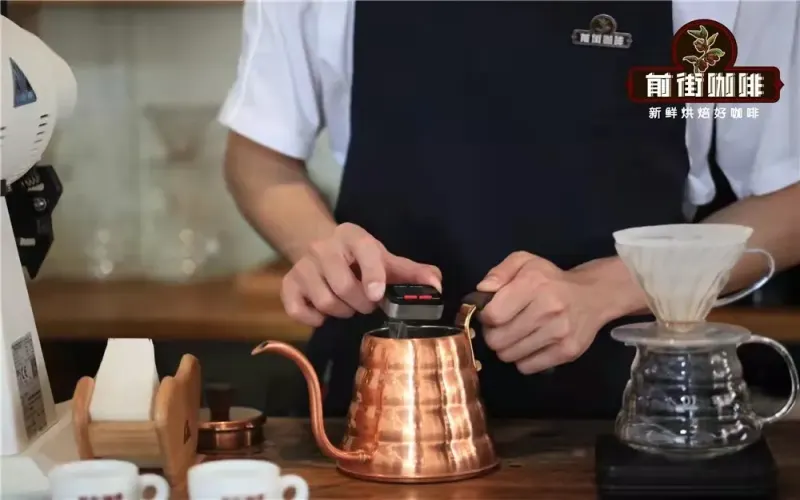
How to Calibrate Pour-Over Coffee Grind Size? A Guide to 80% Pass Rate on a #20 Sieve and Grinder Setting Adjustment
Grind size is the most difficult part of pour-over parameters to master. Front Street Coffee uses an 80% pass rate through a No. 20 sieve as a beginner-friendly calibration baseline, but different grinders vary enormously in performance, and the same sieve pass rate can produce drastically different flavor outcomes. This article centers on grind calibration: it first explains the limitations of the sieve method and the particle size distribution characteristics of uniform grinders such as the EK43s, then offers remedies for poor-quality grinders, including hand grinder RPM control, the pull-back technique for staged grinding, and the direction for adjustment when too many fines cause off-flavors. Finally, it discusses the criteria for deciding whether sieving is necessary and the practical technique of a single-pour flush to wash away fines, helping you find the grind parameters that suit you. [more…]
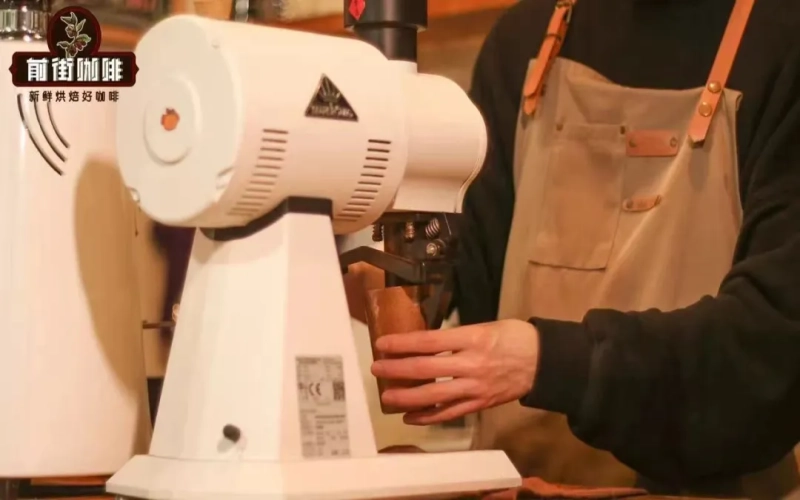
Four Key Details in Using an Electric Grinder: Why It Idles Without Grinding Beans and the Right Way to Clean the Burrs
The coffee grinder is an indispensable piece of equipment in coffee preparation, yet many users are not well enough informed about its daily maintenance and operational details. At Front Street, we frequently encounter customers asking about various grinder issues at our stores, especially the common malfunction of "running idle without grinding beans" and the easily confused concept of "cleaning the grinder." This article systematically outlines four key points worth noting when using an electric grinder: two completely different "grinder cleaning" operations, the correct sequence of starting the machine before adding beans, the necessity of regularly checking the grind size, and the solution to idle running caused by fine powder clogging. Whether you are an espresso enthusiast or a pour-over player, these practical tips can help you extend the lifespan of your grinder while ensuring the stable and clean flavor of every cup of coffee. [more…]
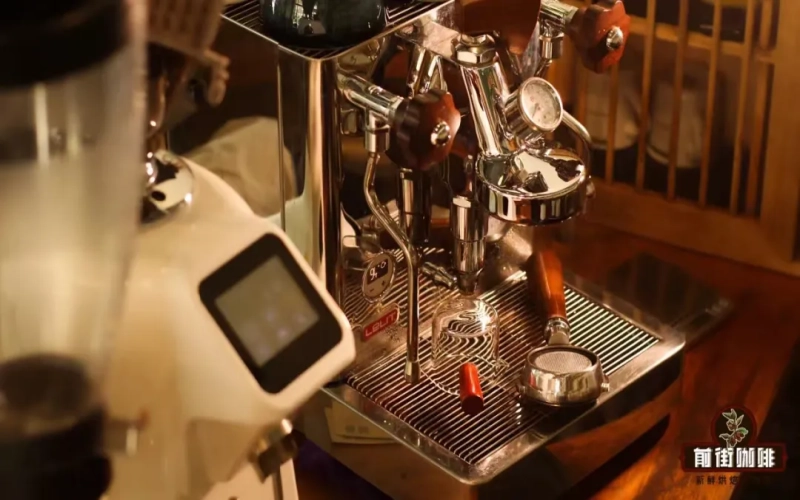
How can you precisely determine the grind setting for espresso? Which blend should you choose for espresso?
Many friends who are just getting into espresso run into the same confusion: even when they follow the parameters provided by the vendor, the coffee they make either has no crema, tastes weak and flat, or is bitter and hard to swallow. In fact, the key to the problem often lies in controlling the grind size and the coffee-to-liquid ratio. This article will start with how to determine grind size, helping you find the right setting for your equipment. It will also recommend several Front Street Coffee espresso blends, covering different styles such as rich, floral and fruity, nutty, commercial, and basic. It will then explain the working principles and adjustment logic of flat burr grinders, and finally explain when recalibration of grind size is needed, as well as the thinking behind a café's daily adjustments to espresso parameters. [more…]
Hand Grinder User Guide: Burr Structure, Adjustment Settings, and Key Points for Controlling Grind Size
The manual coffee grinder is an essential tool for many pour-over enthusiasts. Beyond price differences, different brands and models directly influence the grinding quality of coffee grounds. It is suitable for home use and can also be combined with French presses, AeroPresses, moka pots, and other devices to create a portable coffee solution for outdoor or travel use. This article, from the perspective of Front Street, systematically explains the burr structure, dial adjustment, handle drive, bean hopper, and grounds container functions of manual coffee grinders, and shares proper grinding operations, grind size selection for different brewing methods, as well as daily cleaning and regular maintenance tips to help you improve grind uniformity and coffee flavor. [more…]
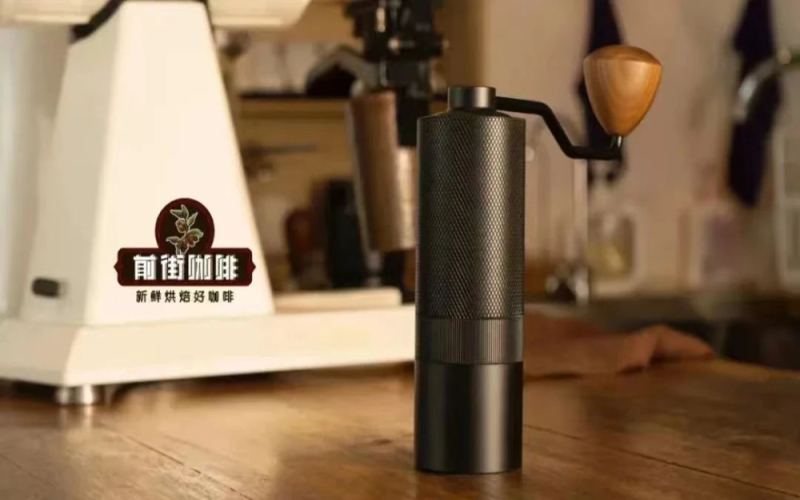
Coffee Grinder Settings Guide: Hand Grinder Disassembly and Pour-Over Grind Standards
Grind size is one of the core variables affecting coffee flavor. This article starts with the structure of a manual coffee grinder, gradually explaining how to disassemble it and adjust the grind adjustment screw, and, combined with the hands-on experience of Front Street Coffee, provides grind size standards for different brewing methods. At the same time, the article also shares a method for judging whether the grind is appropriate using a 0.80 mm standard sieve, as well as reference suggestions for pour-over parameters such as the coffee-to-water ratio, water temperature, and extraction time. Finally, using Panama Diamond Mountain coffee beans as an example, it demonstrates a complete three-stage brewing process to help readers put theory into daily practice. [more…]