







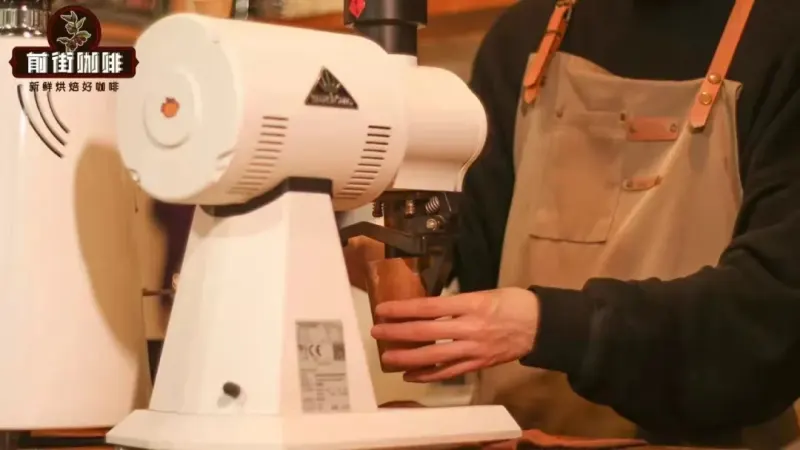
Does size of a coffee bean change grinder care?
Electric grinders need routine attention that many owners skip. The common failure is a grinder spinning without grinding beans, usually caused by fine powder clogging the burrs. Front Street Coffee lists four points: the two different meanings of washing the grinder, starting the motor before adding beans, checking grind coarseness regularly, and clearing fine powder to fix the no-grind problem.
Bean size and roast level matter here. Darker roasts leave more oil and aroma on the burrs, and residual powder stays trapped in internal gaps, so a small purge of beans before brewing keeps the next batch clean. Grinding a few beans first also flushes old grounds, which keeps flavor consistent whether the beans are large or small.
The grinder is an indispensable piece of equipment in coffee-making, yet many users don't fully understand its routine maintenance and operational details. At Front Street Coffee's stores, we frequently encounter customers asking about various grinder issues, especially the common malfunction of "spinning without grinding beans," as well as the easily confused concept of "washing the grinder." This article will systematically cover four key points worth noting when using an electric grinder: two completely different "washing the grinder" operations, the correct sequence of starting first and then adding beans, the necessity of regularly checking grind coarseness, and the solution for spinning without grinding caused by fine powder clogging. Whether you're an espresso enthusiast or a pour-over player, these practical tips can help you extend the life of your grinder while ensuring every cup of coffee has stable and clean flavor.
Recently at the store, Front Street Coffee has encountered quite a few friends coming to ask about grinder usage, so we decided to organize some of the experience we've accumulated in operating electric grinders and chat with you about those easily overlooked details.
1. Two kinds of "washing the grinder," very different meanings
The "washing the grinder" that Front Street Coffee is talking about here actually refers to two things. Although both are related to cleaning the grinder, their specific operations and purposes are completely different.
Let's start with the first one, which occurs during daily grinding. If you often go to cafés for pour-over, you've probably noticed that before grinding the beans they're actually going to use, baristas often grab a few coffee beans and grind them first, then put in the beans they're going to brew with.
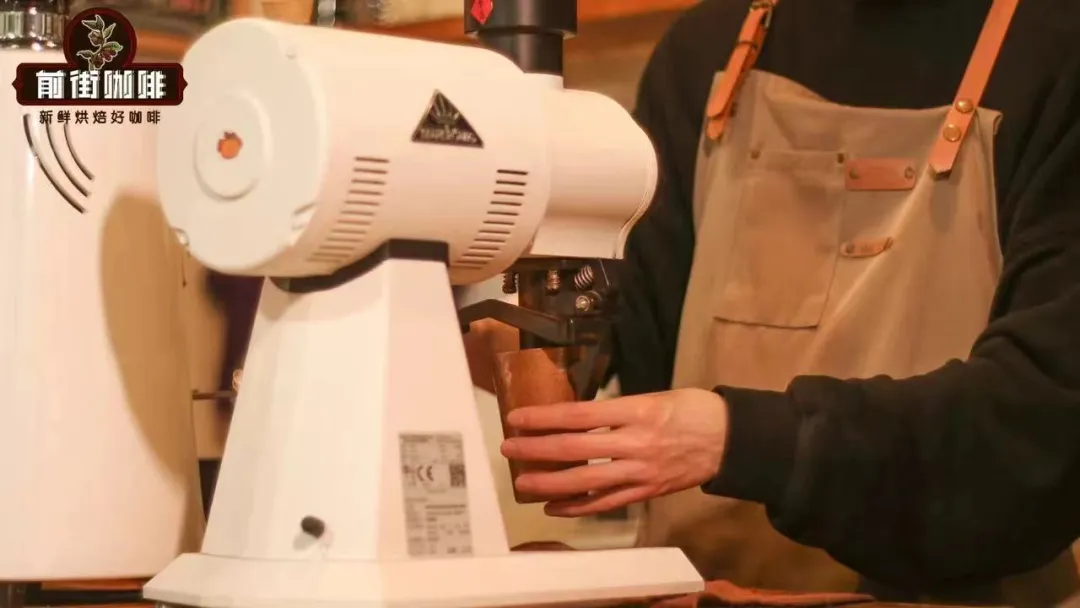
This step isn't to check the grind setting, but to do a quick "cleaning" of the burrs. Because even the best grinder has a "bean-eating" phenomenon—the ground powder is always a little less than the beans put in. The reason is that some coffee powder remains trapped in the burrs or internal gaps and can't be expelled. At the same time, darker-roasted or intensely flavored beans will leave oils and aromas attached to the burrs.
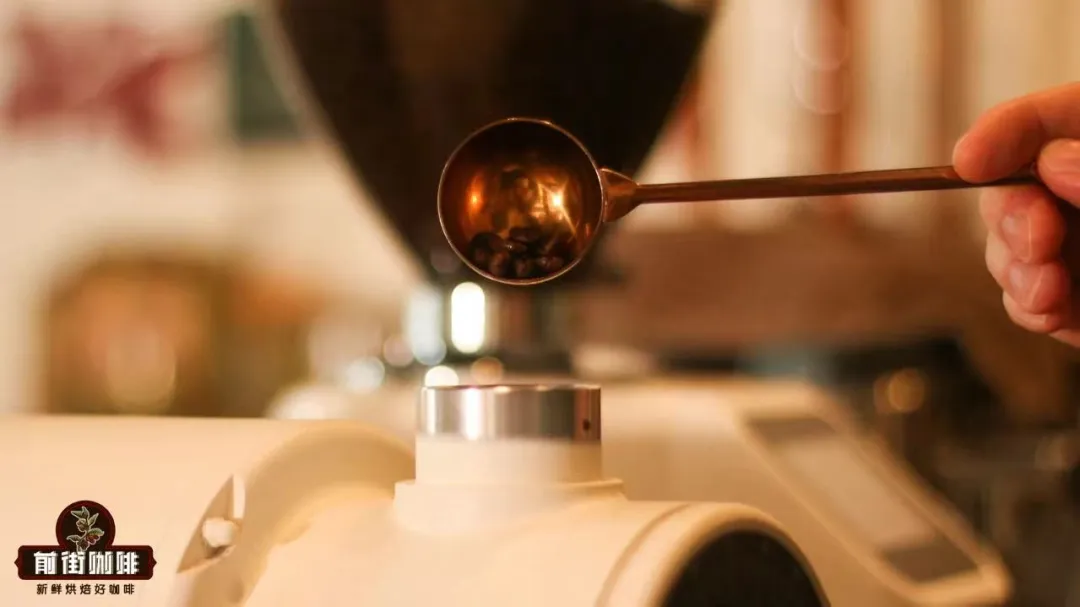
If you don't clean it, these residual aromas, oils, and coffee powder will mix into the next batch of beans being ground, directly affecting the taste and cleanliness of the coffee. So before the formal grind, we need to use a small amount of beans to carry these residues out. Front Street Coffee generally uses 1–2 grams, that is, 3–4 coffee beans, to wash the machine. Too few won't do the job; too many is wasteful. But if you frequently grind dark-roasted beans, you'll need regular deep cleaning—this is the second kind of "washing the grinder" mentioned earlier.
Dark-roasted beans usually have more oils, and these oils can't be cleaned out by simply grinding a few beans. If the oils remain in the burrs for a long time, they will produce off-flavors due to oxidation and also worsen the bean-eating phenomenon, leaving more powder inside the machine. So the more frequently you grind dark-roasted beans, the more often you should clean the grinder accordingly. As for the specific cleaning method, Front Street Coffee has shared it in previous articles, and you can search for it yourself. However, different grinders have different structures, so it's best to ask the manufacturer for a cleaning tutorial.
2. Start first, then add beans
This is an operating habit that Front Street Coffee often emphasizes. When grinding coffee beans, it's best to let the grinder start spinning first, then pour in the beans. This has two benefits:
First, it reduces the risk of burr wear and jamming. When the grinder starts, the burrs go through a brief transition from standstill to stable rotation, with the duration depending on machine quality, generally around 0.5–1 second.
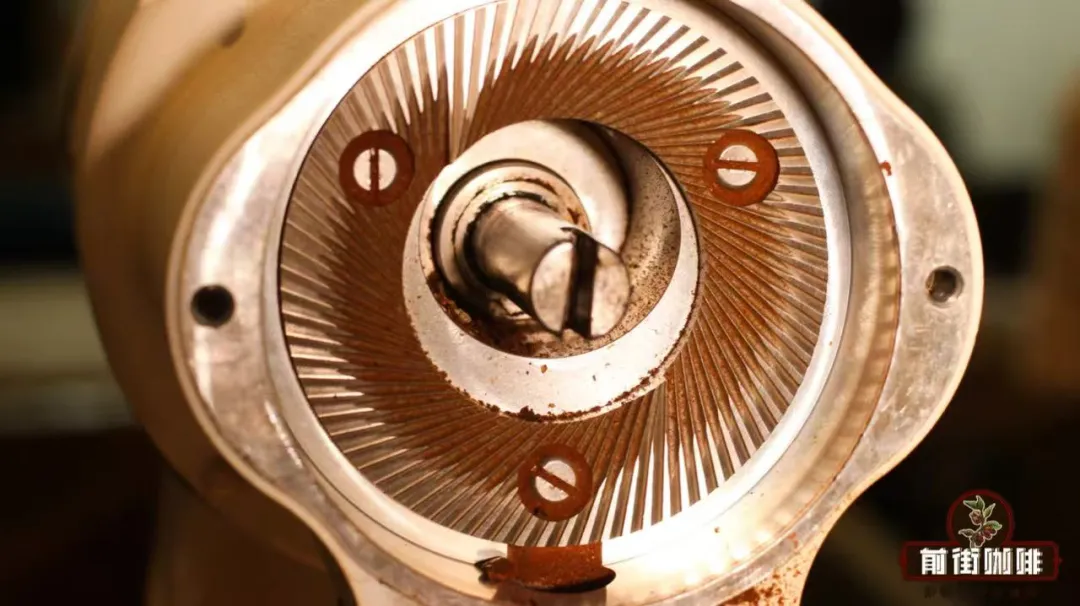
If you add beans first and then start it, the coffee beans will add resistance to the burrs' startup, increasing the load on the motor. For small household grinders, if the beans are dense, it's very easy to jam or malfunction due to motor overload. In addition, this accelerates burr wear and shortens lifespan. Although the wear each time is negligible, it adds up over time.
So Front Street Coffee suggests that when grinding, start the grinder first, and only add beans after the burr speed has stabilized. This not only extends the life of the grinder and burrs, but the quality of the coffee powder will also be more uniform because the speed is consistent.
3. Regularly check the coarseness of the ground coffee powder
Front Street Coffee often suggests buying a No. 20 sieve to measure the sifting rate of coffee powder. This is not only for unifying brewing parameters, but also for calibrating the grinder's grind settings.
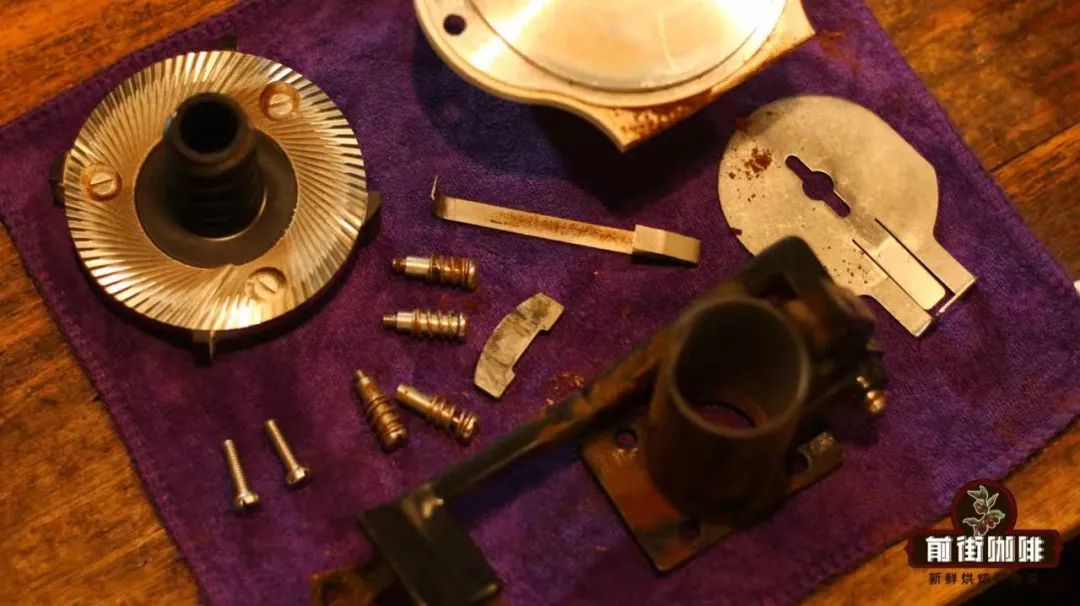
I wonder if you've noticed that after a grinder has been used for a long time, the particles it produces get coarser and coarser, or the brewed coffee gets weaker and weaker, starting to show under-extraction?
This is caused by burr wear. Each grind causes slight wear to the burrs, and after many times, the gap between the burrs gradually increases, so the powder ground at the same setting becomes coarser and coarser.
After the grind becomes coarser, fewer substances are extracted under the same parameters, and the coffee's taste and mouthfeel are no longer as rich and full as they were initially. If you want to restore the original flavor, you need to adjust the grind finer until it's close to the previous level. Through the No. 20 sieve, we can directly find the corresponding grind setting. It's worth mentioning that this situation is most obvious on espresso grinders—just look at the dial and you'll know, the value will be much smaller than before.
4. Watch out for spinning without grinding caused by fine powder clogging
"Spinning without grinding beans" is a common situation on espresso grinders. Simply put, after starting the grinder, the burrs are spinning, but no coffee beans are being ground.

When this happens, it's most likely because the grind is too fine and the coffee powder has clogged the burrs. If you encounter this problem, the first step is to confirm whether it's caused by fine powder clogging. If so, there are two solutions: one is to directly adjust the grind coarser and increase the burr gap so grinding can proceed again; the other is to clean the grinder as mentioned earlier, clearing out the fine powder blocking the burrs, and the machine will resume grinding.
(Don't copy this)
The above are some small details to pay attention to when using an electric grinder. If you have anything to add, feel free to leave a comment and discuss.
- END -
The above content is compiled by CoffeeHunters, a coffee news website.


