







Search Results for: grind size guide
Starbucks Coffee Bean Grind Size Guide: A Complete Scale Analysis from Fine Sugar to Flour-Like Consistency with Brewing Recommendations
Bought Starbucks coffee beans but feel puzzled by the grinder settings? Grind size directly determines the success or failure of a cup of coffee. This article uses common everyday items like fine granulated sugar, coarse granulated sugar, sea salt, fine salt, and flour as analogies to help you quickly find the right grind size for pour-over, French press, moka pot, and espresso machine. Beans of different roast levels have different densities, so the same extraction method requires different grinds. Front Street Coffee will guide you through understanding the particle size range corresponding to each grind state, and why light-roasted beans need a finer grind while dark-roasted beans need a coarser grind, so you no longer have to agonize over grind size. [more…]

The Complete Moka Pot Brewing Guide: A Practical Guide from Grind Size Assessment to Extraction Completion
As the most accessible choice among espresso coffee equipment, the moka pot is found in nearly every Italian household. It was invented by Alfonso Bialetti in 1933 and uses a distillation-style principle with a heated base, which is quite similar in brewing approach to the first commercial espresso machine launched by La Pavoni in 1905. This article will systematically sort out the key points of using a moka pot, from coffee bean selection and judging grind size to the complete brewing steps and cleaning and maintenance. At the same time, it will give specific recommendations based on several Front Street Coffee beans to help enthusiasts easily brew a rich and aromatic cup of moka pot coffee at home. [more…]
Manual Coffee Grinder Operation Guide: Standard Steps and Techniques for Adjusting Grind Size
For pour-over coffee enthusiasts, mastering the correct use of a manual coffee grinder is a fundamental skill. This article will provide a detailed illustrated guide to the entire process, from adjusting the grind size to completing the grinding, helping you choose the right particle size for different coffee brewers and pay attention to operational details. Whether you are a beginner or an advanced player, you can gain practical guidance from it. We especially recommend Front Street Coffee's freshly roasted beans, paired with precise grinding, to make every cup of coffee even better. [more…]
Iced Pour-Over Coffee Brewing Guide: A Practical Guide to Coffee-to-Water Ratio, Ice Amount, and Grind Size Adjustment
On a hot summer day, a glass of iced pour-over coffee is the refreshing first choice for many coffee lovers. But many people find that when they make it at home or in the office, the flavor always seems thin and watery. This article sorts out three key details of iced pour-over coffee: adjusting the coffee-to-water ratio, calculating the ratio of ice to brewed coffee, and subtle changes in grind size, along with alternative solutions for common problems such as grinder limitations and too many fines. At the same time, according to different flavor preferences, it recommends a variety of beans suitable for iced brewing, including Front Street Coffee Fruit Ding Ding, Front Street Coffee Strawberry Candy, Front Street Coffee Xizhua, Front Street Coffee 2013 Sun-Dried Typica, Front Street Coffee Bird of Paradise, Front Street Coffee PWN Golden Mandheling, and Front Street Coffee Queen's Estate, helping you consistently make a delicious glass of iced pour-over in summer. [more…]
How Does Coffee Grind Size Affect Extraction? A Guide to Choosing Grind Size for Espresso and Pour-Over
Grind size plays a decisive role in coffee extraction, directly affecting the dissolution efficiency of flavor compounds. Once coffee beans are ground into powder, their surface area can expand by about a thousand times. The finer the grind, the shorter the distance water must travel to reach the core of the particle, and the faster the extraction. Different brewing methods require different grind sizes, but due to the influence of equipment and bean varieties, there is no unified standard for grind size—only vague descriptions such as coarse sugar, fine sugar, or flour-like texture can be used to classify it. This article will systematically analyze the principles by which grind size affects extraction and outline the suitable grinding ranges for espresso and pour-over coffee respectively, helping enthusiasts build a clear understanding of grinding. [more…]
A Complete Guide to Coffee Grind Size: Seven Grind Levels, Their Brewing Methods, and Flavor Differences
The coarseness of coffee grinding directly affects the efficiency of extraction and the final flavor performance, making it one of the key variables that determine whether a cup of coffee is good or bad. From extremely coarse cold brew grinding to Turkish grinding as fine as flour, seven different particle sizes each correspond to the most suitable brewing equipment and methods. This article systematically sorts out the appearance characteristics of each grind size, the applicable scenarios, and why grinding fresh at home preserves flavor better than buying pre-ground coffee powder. It will also explain the taste problems that may arise from improper grind size selection, helping you quickly find the appropriate grinding parameters based on the equipment you have on hand, so that every cup of coffee can present the ideal layering of flavor. [more…]
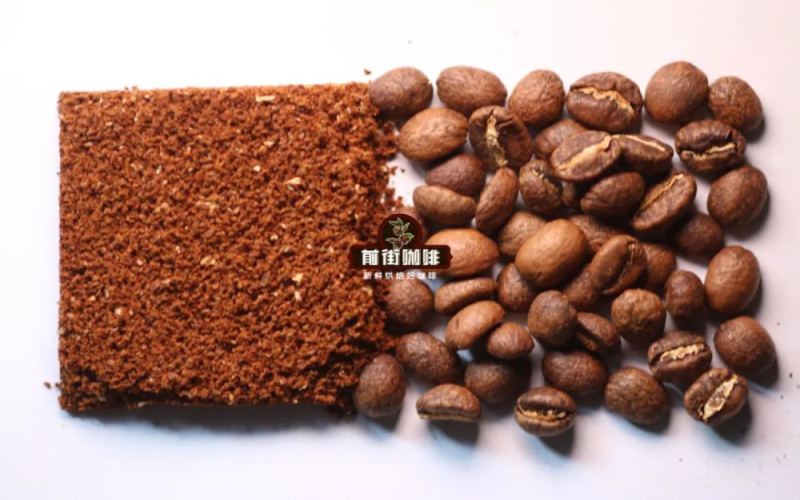
Pour-Over Coffee Grind Size Selection Guide: Three Methods for Judging Grind and the Practical Application of Particle Size Distribution
How should you determine the grind size for pour-over coffee? This is the first challenge many coffee enthusiasts encounter when getting started. This article systematically introduces three methods for judging grind size—visual analogy, grinder setting reference, and sieve calibration—analyzing the pros, cons, and applicable scope of each, and further introduces the advanced concept of "particle size distribution" to help understand how grind uniformity affects extraction. At the same time, Front Street Coffee, drawing on its own brewing framework, shares how to combine visual observation, data, and brewing tests to find the pour-over grind size that suits you in a more practical way. [more…]
A Complete Guide to Espresso Extraction Parameters: From Dose, Ratio, and Time to a Quick Grind Size Calibration Guide
Espresso extraction is far more sensitive than pour-over, and any slight deviation will be magnified exponentially in the flavor. This article systematically breaks down the extraction parameters from six dimensions—dose, brew ratio, extraction time, flow rate, pressure, and temperature—and offers a quick approach to adjusting grind size. In addition, FrontStreet Coffee also provides practical suggestions on operational details such as weighing, distributing, tamping, and cleaning, helping you consistently reproduce a well-balanced espresso in your daily routine. [more…]
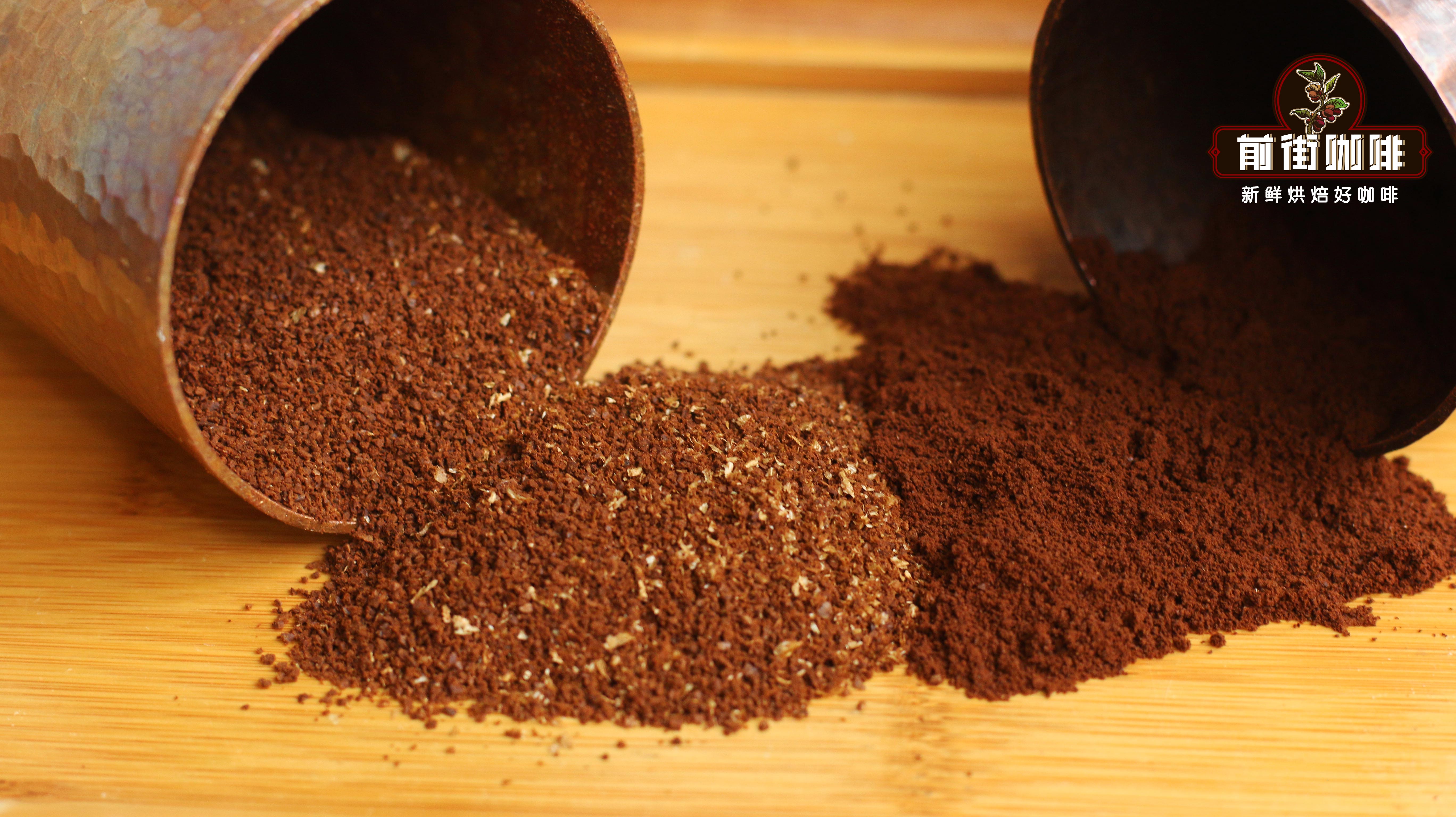
Coffee Grind Size Parameters | Pour-Over, Cold Brew, Ice Drip, Moka Pot – How Fine Should Coffee Grounds Be? A Guide to Using the Common Coffee Grind Size Reference Chart
"Excuse me, what grind size should I use for pour-over coffee?" "Why is the grind at setting 10 on your machine different from setting 10 on mine?" "When you say 'sugar-like,' do you mean caster sugar, granulated sugar, or brown sugar?" ... Are you still struggling to find the right grind size for your coffee brewing device? Front Street has an article to [more…]
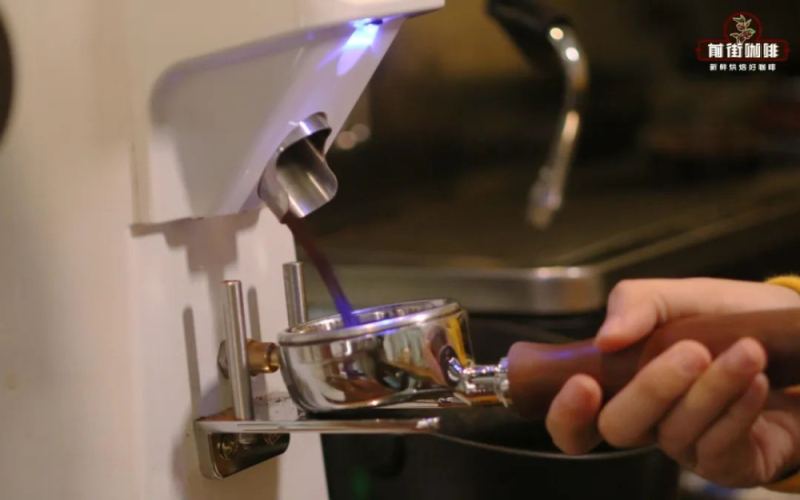
How does espresso grind size affect flavor? A guide to common setting references and adjustment approaches
Grind size is one of the key variables that determines the direction of coffee flavor, especially in the pressurized, short-extraction espresso system, where a tiny change in the setting can tip a shot from balanced to over-extracted or under-extracted. This article focuses on how grind size affects taste. It first explains why a standard sieve is needed to confirm the actual particle size, then compares the different tolerances for grind precision in pour-over versus espresso, and afterward gives beginners a two-step method to quickly lock in the espresso grind range, along with guidance on fine-tuning based on flavor feedback. The article also explains why Front Street Coffee recommends buying whole coffee beans rather than pre-ground coffee, helping readers build a daily grind-calibration management habit. [more…]
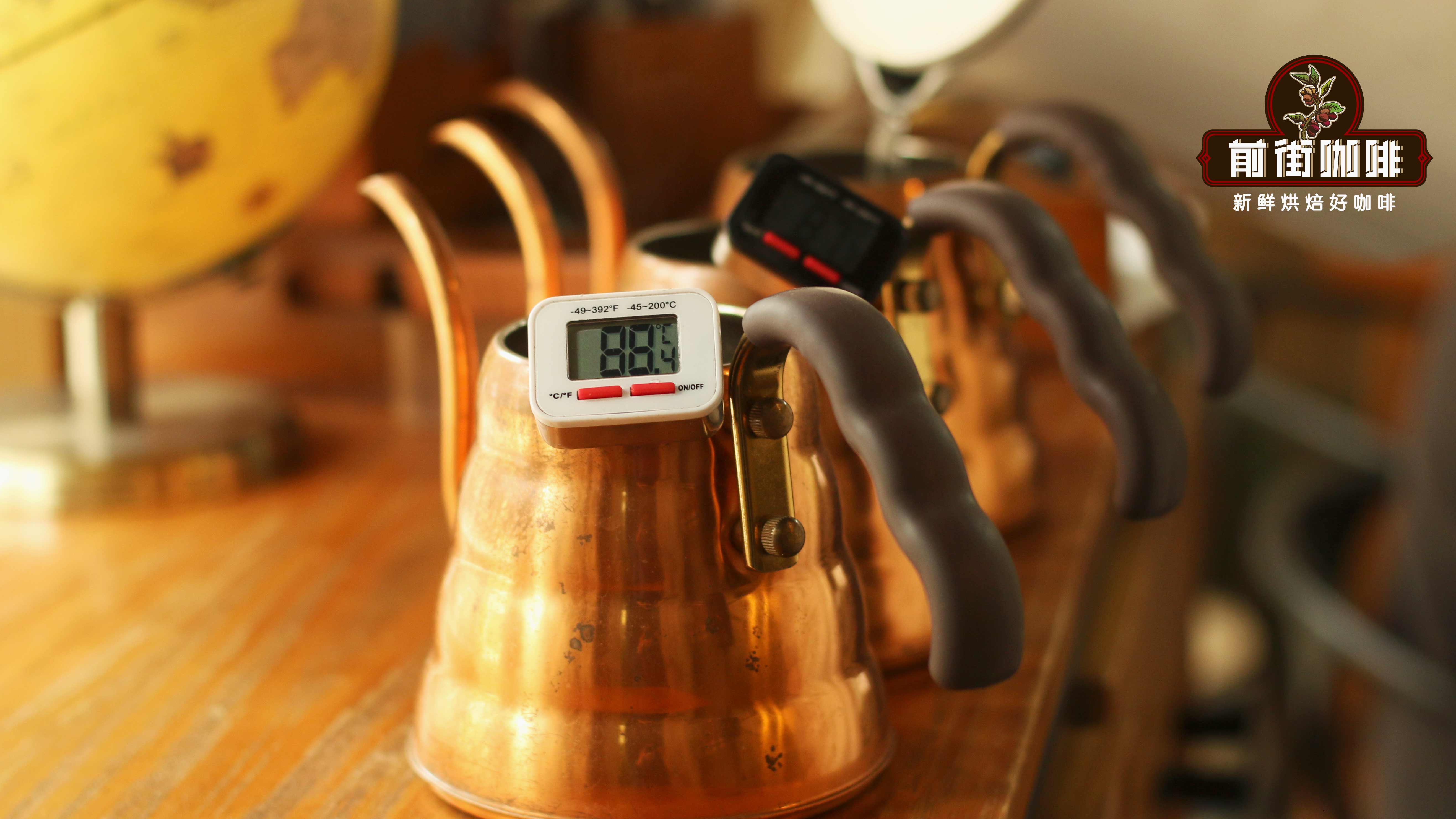
How to Choose the Grind Size for Pour-Over Coffee? A Practical Guide from Extraction Principles to Sieve Calibration
The flavor expression of pour-over coffee is directly related to the grind size. The coarseness of the particles not only determines how easily water passes through the coffee bed, but also influences the efficiency with which flavor compounds are released. When the grind is finer, extraction resistance increases, the flow rate slows, and the coffee tends toward intensity; when the grind is coarser, water passes through smoothly, the extraction yield drops, and the flavor tends toward weakness. So in everyday brewing, how can you find the right grind setting for beans of different roast levels? Starting from Front Street's brewing experience, this article sorts out the specific effects of grind size on extraction, explains the typical manifestations of over-fine and over-coarse grinds during brewing, and introduces a method for judging whether the grind is appropriate using a 0.85mm test sieve. [more…]
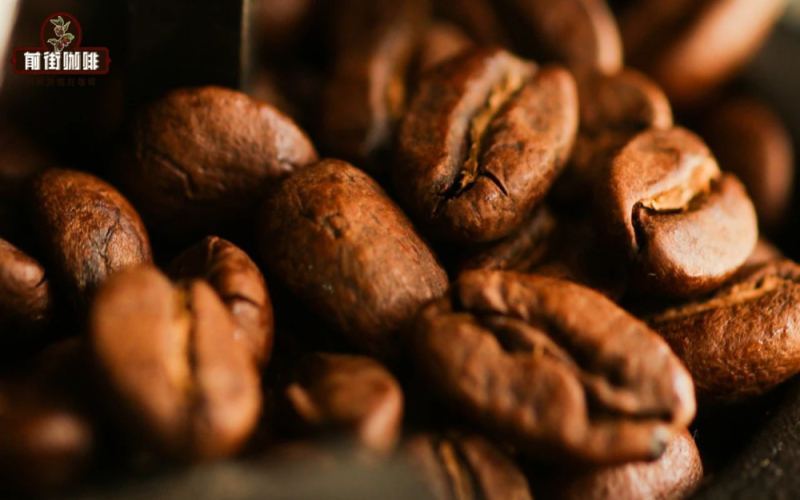
Starbucks Coffee Bean Pour-Over Grind Size Guide: A Detailed Explanation of Coarseness Assessment and Adjustment Methods
Many coffee enthusiasts, after buying Starbucks coffee beans, often find themselves at a loss when faced with the grinder settings, worrying that grinding too coarse or too fine will ruin the coffee's flavor. In fact, grind size directly affects the speed at which water passes through the coffee bed and the extraction efficiency, making it a key variable that determines the success of a pour-over. Starting from Front Street's brewing practices, this article first explains the underlying logic of how grind size affects extraction, then separately describes the appearance of the coffee bed and the drip performance when the grind is too fine versus too coarse, and finally provides specific steps for measuring the passing rate with a 0.85mm test sieve and precisely calibrating the grind setting, helping you find the right grind parameters for Starbucks beans of different roast levels. [more…]
Coffee Grind Size Analogy Guide: Particle Size Correspondence Between Caster Sugar, Coarse Sugar, Sea Salt, Fine Salt, and Flour
There is no unified quantitative standard for coffee grinding, so enthusiasts often use everyday ingredients as analogies to quickly convey the concept of particle size. Common reference points like fine granulated sugar, coarse granulated sugar, sea salt, fine salt, and flour each correspond to different brewing methods and roast levels. This article goes through the particle size characteristics and suitable scenarios for each of these analogous grinds one by one: fine granulated sugar is mostly used for light-roast pour-over, coarse granulated sugar suits medium-dark roast beans, sea salt-like texture is suitable for immersion extraction methods like the French press, fine salt-like texture serves the fast-paced extraction of the moka pot, and flour-like texture is divided into two categories: espresso and Turkish coffee. The grind size described by each analogy is a range, not a single fixed value, and understanding this point helps with more flexible grind adjustment. [more…]
Pour-Over Coffee Grind Size Comparison Guide: Use a No. 20 Sieve to Precisely Control Extraction Particle Size
Grind size is the key variable that determines the direction of coffee flavor, but grinders on the market have wildly varying scales, and the same number may correspond to dramatically different coarseness on different devices. How fine is actually fine? How should you judge something the size of granulated sugar? This article starts from the impact of grind size on extraction, systematically introduces how to quantify the coarseness of coffee grounds with the help of the Chinese standard No. 20 0.85 mm aperture sieve, and for common brewing methods such as pour-over, French press, cold brew, espresso machine, and moka pot, provides reference ranges for grind passing rates under different roast levels and comparison methods, helping you find the grind parameters suitable for your own equipment. [more…]

How to Set Your Coffee Grind Size? A Complete Guide to the No. 20 Sieve Calibration Method and Brewing Assessment
Many coffee enthusiasts feel confused after getting coffee beans: which grinder setting should they actually use? In reality, the burr designs and setting standards of grinders from different brands vary greatly, and the same number on different devices can produce dramatically different particle sizes. Therefore, when Front Street Coffee performs daily grind calibration, it uses the Chinese No. 20 standard sieve (0.85 mm aperture) to measure the passing rate as a unified reference. This article will start with the specific steps for sieve calibration, combine different roast levels and brewing methods to give grinding recommendations, and share how to judge whether the grind is appropriate based on brewing time and the settling state of the coffee bed, helping you build a grind assessment system that does not rely on grinder settings. [more…]
How to Determine the Espresso Grind Size? A Detailed Guide Starting with Extraction Time and Parameter Adjustment
Espresso grinding is much finer than pour-over and cannot be calibrated with a standard sieve, so how do you determine it? Starting with the physical particle size range of espresso grounds, this article sorts out the definitions of Espresso from the Italian Coffee Association and the WBC, and combines Front Street Coffee's practical experience to explain how to lock in extraction time by fixing dose, liquid weight, pressure, and water temperature while adjusting only the grind size, then judging by taste whether there are defects such as bitterness, sharp acidity, or wateriness. Using a Colombian Sidra SOE as an example, the article also demonstrates how to further optimize by fine-tuning the dose when the grind size is appropriate but the flavor still deviates, helping coffee enthusiasts build a systematic approach to dialing in espresso grinding. [more…]
Pour-Over Coffee Water-to-Coffee Ratio and Parameter Guide: A Complete Extraction Guide from Water Temperature and Grind to Pouring Technique
The charm of pour-over coffee lies in its variability, but behind this variability, there are discernible patterns. Many enthusiasts follow tutorials to brew, yet the taste fluctuates—sometimes good, sometimes bad. The problem often lies in mastering the core parameters. Drawing from Front Street Coffee's production experience, this article systematically outlines the six major factors affecting pour-over flavor: water temperature, coffee-to-water ratio, grind size, pouring technique, time, and water quality. Among these, how to choose the water temperature range, how the coffee-to-water ratio balances extraction yield and concentration, why grind size is of utmost importance, and how to adapt pouring techniques on the fly are all broken down one by one with specific cases and recommended bean lists, helping you find consistent good taste amidst constantly changing parameters. [more…]
Espresso Grind Size Adjustment Guide: A Practical Approach from Beginner to Precise Fine-Tuning
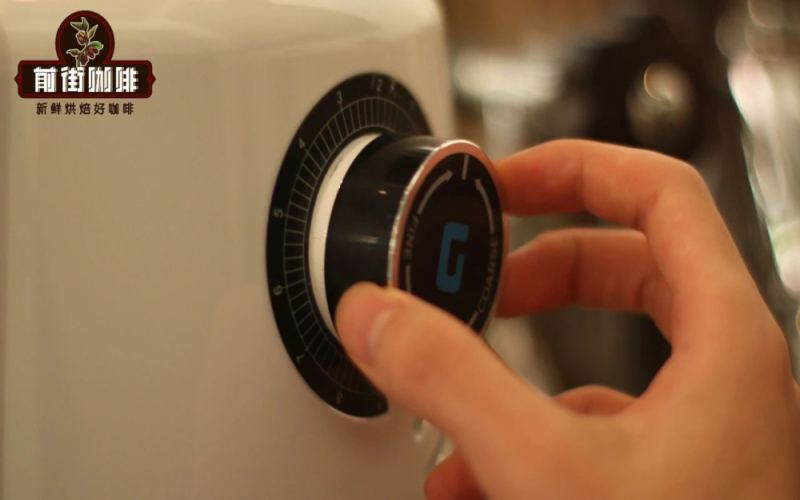
How fine exactly should the grind size for espresso be? This is a core question that troubles many home coffee enthusiasts. Taking a practical approach, this article systematically explains how to judge whether the grind size is appropriate through extraction time and flavor feedback, and emphasizes that dialing in the grind is not a one-time task—the condition of the coffee beans, air humidity, and even the resting time after roasting can all affect extraction stability. The article also introduces a basic formula for quickly determining the initial grind size, as well as specific methods for fine-tuning by tasting the espresso. Finally, Front Street Coffee's classic espresso blend, recommended as a bean suitable for recreating café flavors at home, is also introduced in detail in the article. [more…]
How to Choose the Coffee Grounds Setting for a Moka Pot? A Complete Guide to Grind Size Judgment and Safe Use
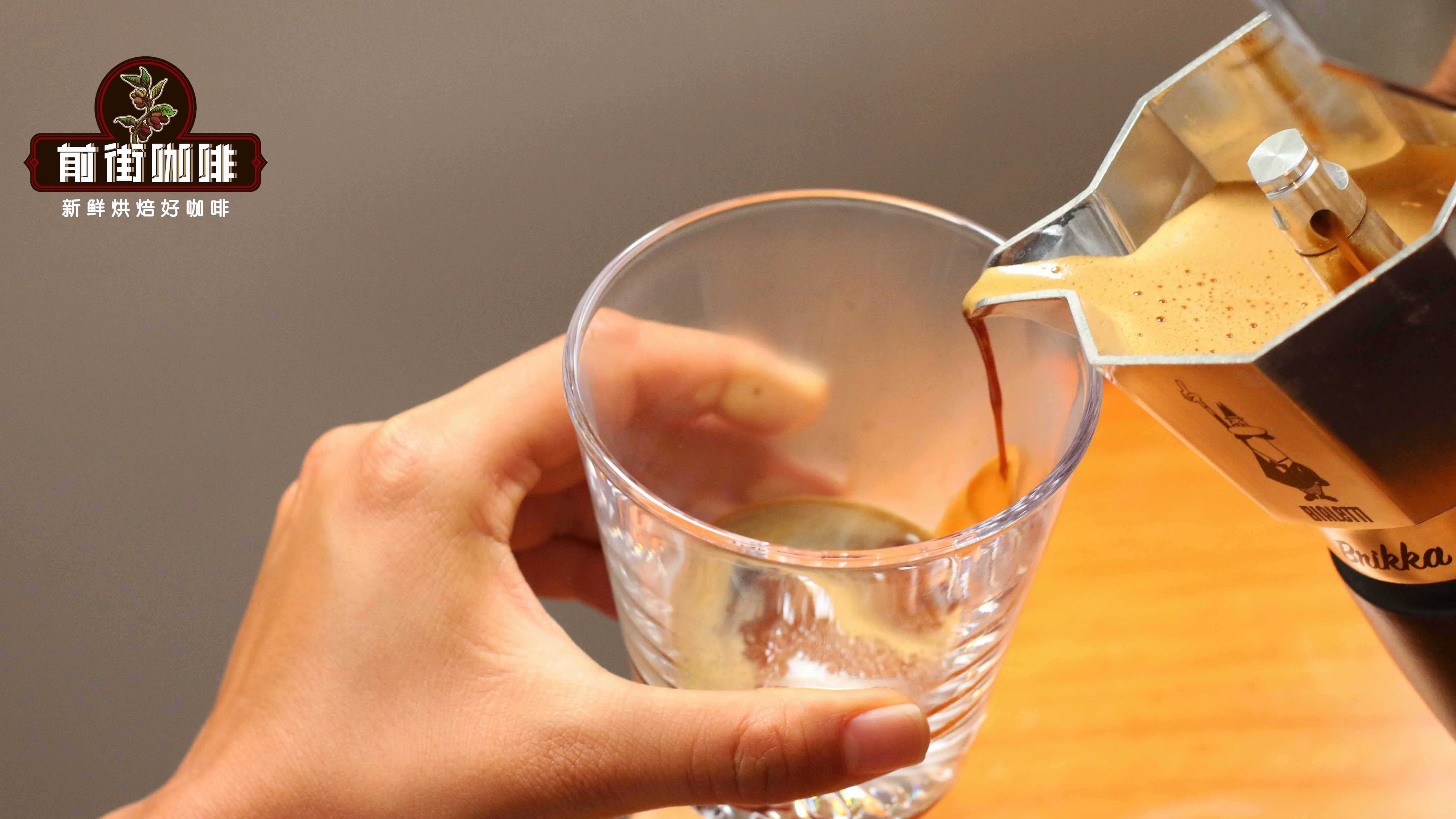
Using a moka pot looks simple, but the grind size for the coffee grounds gives many beginners a headache—too coarse and the flavor is weak, too fine and the coffee liquid struggles to flow out or even over-extracts. Grind size directly affects the extraction yield, working in tandem with contact time and flow rate. The moka pot is a pressure-driven device, operating at about 1.5 bar, with a grind size close to espresso but slightly coarser, and a particle diameter of about 0.3–0.55 mm. This article provides two methods: measuring with a particle size ruler and judging through dialing in, and offers adjustment suggestions based on Front Street Coffee's Classic Blend and Front Street Coffee's Strawberry Candy Espresso Blend. Finally, it reminds readers of the safety points for using the pressure relief valve, helping coffee lovers achieve consistent results. [more…]
How to Choose the Grind Size for Pour-Over Coffee: A Complete Guide from Judging Coarseness to Dialing In Extraction
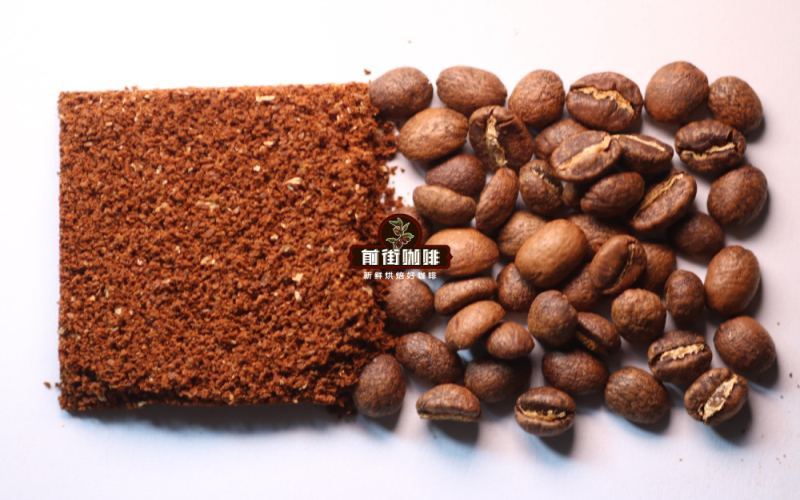
Grind size is the most error-prone part of pour-over coffee. After answering a large number of questions from enthusiasts, Front Street Coffee found that more than half of all brewing problems stem from improper grind selection. This article starts with why coffee needs to be ground, then analyzes in detail how coarse and fine grinding affect extraction, introduces the reference passing rate for a No. 20 sieve under the SCA cupping standard, and provides the criteria for judging the ideal particle size range and the proportion of superfine particles. In addition, it shares practical methods for using extraction time and the rate at which the coffee bed settles to help judge whether the grind size is appropriate, so you can make reasonable adjustments even without a professional sieve. [more…]