







How do coffee particles and grind size change pour-over extraction?
Grind size sets how fast water moves through the coffee bed and how much flavor it carries out. A finer grind packs the grounds tighter, slows the flow, extends contact time and produces a more intense cup. A coarser grind opens gaps between coffee particles, so water passes quickly, extraction yield falls and the flavor turns thin.
Roast level guides the starting point. A practical check is a 0.85mm test sieve: shake a sample and judge whether the coffee shape and particle spread look even. Too-fine and too-coarse grinds each show clear signs during brewing, so adjusting one variable at a time keeps results reproducible.
The flavor expression of pour-over coffee is directly related to the grind size. The coarseness of the particles not only determines how easily water passes through the coffee bed, but also influences the efficiency of flavor compound release. When the grind is finer, extraction resistance increases, flow rate slows, and the coffee tends toward intensity; when the grind is coarser, water passes through smoothly, extraction yield drops, and the flavor tends toward thinness. So during daily brewing, how can you find the right grind setting for beans of different roast levels? Based on Front Street's brewing experience, this article sorts out the specific effects of grind size on extraction, explains the typical performance of too-fine and too-coarse grinds during brewing, and introduces the operation method of using a 0.85mm test sieve to judge whether the grind is appropriate.
When Front Street talks about pour-over coffee, it always mentions several key variables that influence extraction results and flavor direction, such as water temperature, grind size, coffee-to-water ratio, and so on. Among them, grind size determines the size and uniformity of coffee particles and is also directly related to how quickly water carries flavor compounds out of the coffee grounds. So when brewing different beans normally, how do you find the grind setting that matches a particular coffee? Below, Front Street will discuss the thinking behind adjusting pour-over coffee grind size.
The effect of grind size on coffee extraction
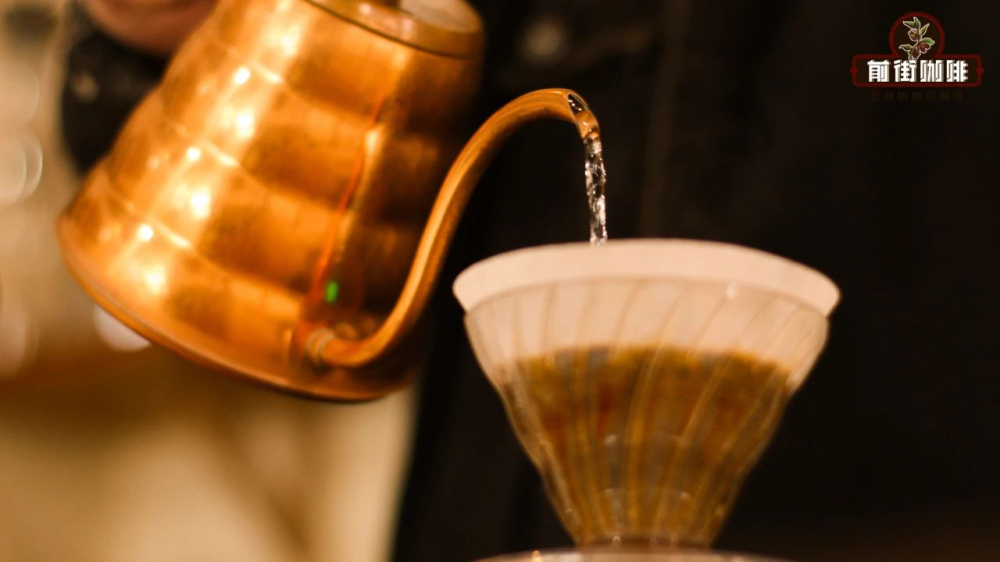
Front Street has done many brewing comparisons, and the conclusion is: when the grind is finer, coffee grounds are more likely to pile up on the filter paper, the water encounters greater resistance, so the flow rate slows and extraction time is prolonged. The dissolution rate of soluble substances in the coffee increases, and the brewed coffee is also more intense; conversely, when the grind is coarser, the gaps in the coffee bed are larger, there is less coffee grounds that hot water can contact, resistance is weaker, dripping speed is faster, extraction yield is lower, and the coffee flavor is therefore thinner. So when the grind is too fine or too coarse, how does each perform during brewing?
Pour-over coffee beans What happens when the grind is too fine?
From the appearance of the particles, the powder size is smaller, and the distance between particles is also shortened, making it harder for water to pass through, so the drip filtration time during brewing is noticeably extended. A finer grind makes the particles smaller, and after the coffee grounds contact water they easily become paste-like; after brewing, the coffee bed makes it difficult to distinguish complete coffee particles, and the paste-like state dominates.
Pour-over coffee What happens when the beans are ground too coarse?
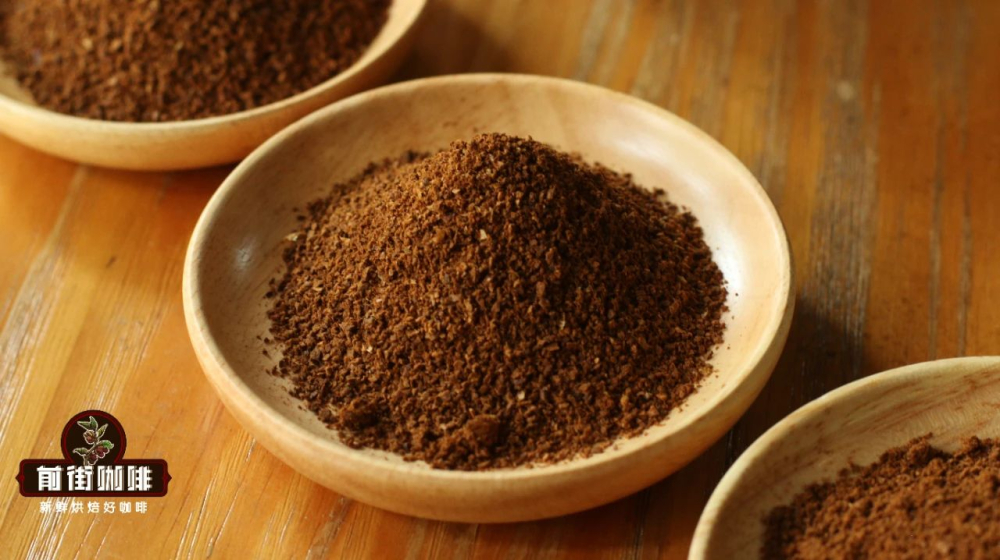
From the appearance of the particles, the powder size is larger, and the spacing between particles is widened, making it easier for water to pass through the coffee grounds, so the filtration time during brewing is shorter. A coarser grind makes the particles larger, and after brewing the coffee particles in the coffee bed are clearly distinguishable; the coffee bed finds it difficult to form a complete structure and may also show gaps or breaks.
The effect of grind size on coffee extraction
Grind size represents both the shape and size of the coffee after being ground and the size of the surface area. The finer the coffee is ground, the larger the surface area, and the area where water contacts the coffee increases accordingly, so more substances can be extracted. The increase in surface area also gives the carbon dioxide inside the coffee beans more outlets for release.
How do we adjust the grind size for pour-over coffee?
During daily grinding, even coffee powder that looks uniform has a difference between its largest and smallest particles of at least 0.6mm. Generally, particles larger than 0.85mm are classified as coarse particles, and particles smaller than 0.25mm are classified as extremely fine particles. If these two types of powder account for more than 40% of your total dose, then it is not suitable for pour-over. Don't understand? No problem! Front Street Coffee (FrontStreet Coffee) suggests everyone prepare a test sieve with an aperture of 0.85mm.
How do you use a sieve to determine coffee grind size?
Weigh 10g of coffee beans, first set a rough grind size and grind them into powder, then pour it into the sieve and sift, and weigh the coffee powder that comes out of the sieve (be sure to sift until no more coffee powder can pass through the sieve before considering the sifting complete). A pass rate of 75%-80% (7.5-8g sifted from 10g of powder) corresponds to the most suitable grind size for medium-light roasted coffee beans; a pass rate of 65%-70% (6.5-7.0g sifted from 10g of powder) corresponds to the most suitable grind size for medium-dark roast. If it exceeds the suitable sifting rate, adjust the grind size coarser appropriately; if it does not reach the suitable sifting rate, adjust the grind size finer appropriately.
For professional coffee knowledge exchange and more coffee bean information, please follow Coffee Workshop (WeChat public account: cafe_style)
For more specialty coffee beans, please add the private WeChat of Front Street Coffee (FrontStreet Coffee), WeChat ID: kaixinguoguo0925
The above content is compiled by CoffeeHunters, a coffee news website.


