







How does grind size shape coffee extraction methods?
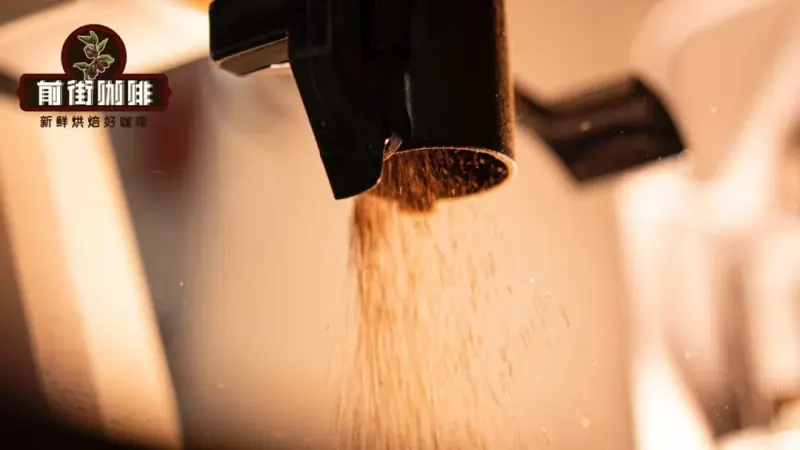
Grind size decides how fast flavor compounds dissolve, because grinding expands bean surface area by roughly a thousand times. Finer particles shorten the path water travels to the center and speed up coffee extraction, while coarser particles slow it down. Each brewing method needs a matching grind, from espresso to pour-over.
Because equipment and bean type vary, there is no universal grind standard, so roasters describe settings as coarse sugar, fine sugar or flour-like. In espresso, a fine grind builds the resistance needed for pressure; in pour-over, a medium grind keeps flow even. Setting grind first, then adjusting dose and time, gives the clearest control over the cup.
Grind size plays a decisive role in coffee extraction, directly affecting the dissolution efficiency of flavor compounds. Once coffee beans are ground into powder, the surface area can expand by about a thousand times. The finer the grind, the shorter the distance water must travel to reach the core of the particle, and the faster the extraction. Different brewing methods require different grind sizes to match, but due to the influence of equipment and bean type, there is no unified standard for grind size, and it can only be divided using vague descriptions such as coarse sugar, fine sugar, or flour-like. This article will systematically analyze the principle of how grind size affects extraction, and sort out the suitable grind ranges for espresso and pour-over coffee respectively, helping enthusiasts build a clear understanding of grinding.
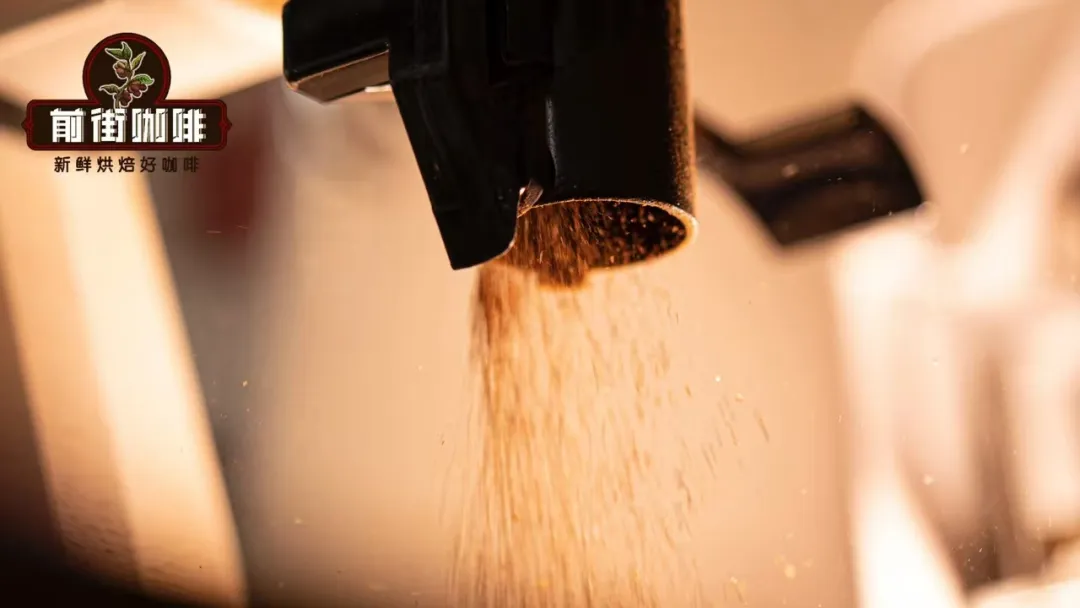
Among the many variables in coffee extraction, grind size is often placed ahead of other parameters. The reason is that, as Front Street mentioned at the beginning, particle size determines how quickly flavor compounds dissolve. Scientific research shows that after coffee beans are ground, their total surface area expands by about a thousand times compared with the original. The finer the grind, the greater the increase in surface area, and the shorter the straight-line distance for water to travel from the surface of the particle to its center (this process is also affected by the structure of the burrs); conversely, the coarser the grind, the more limited the expansion of surface area, and the longer the path for water to enter the core of the particle.
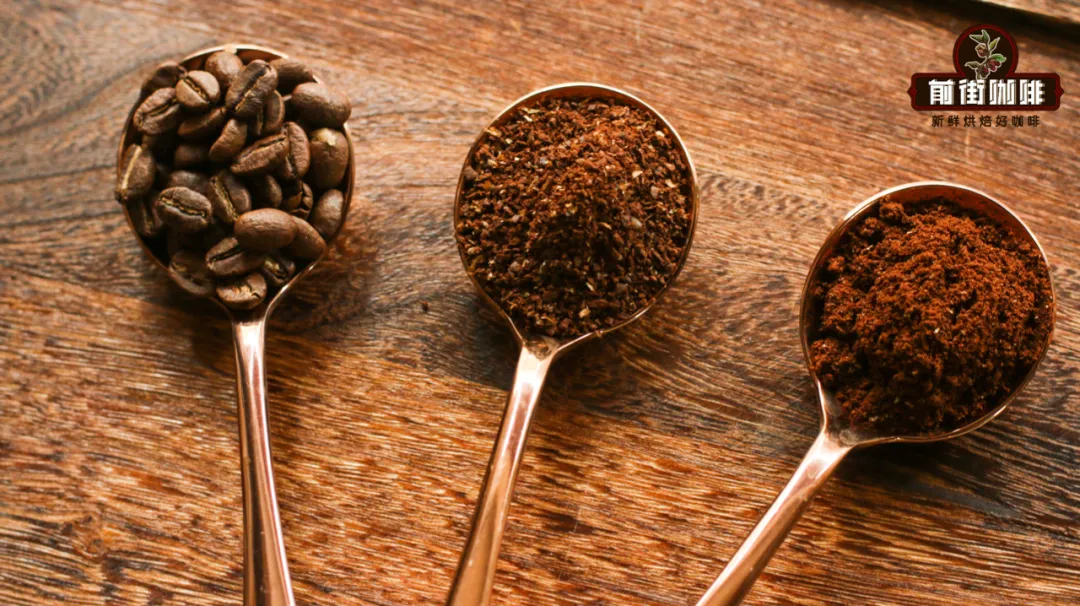
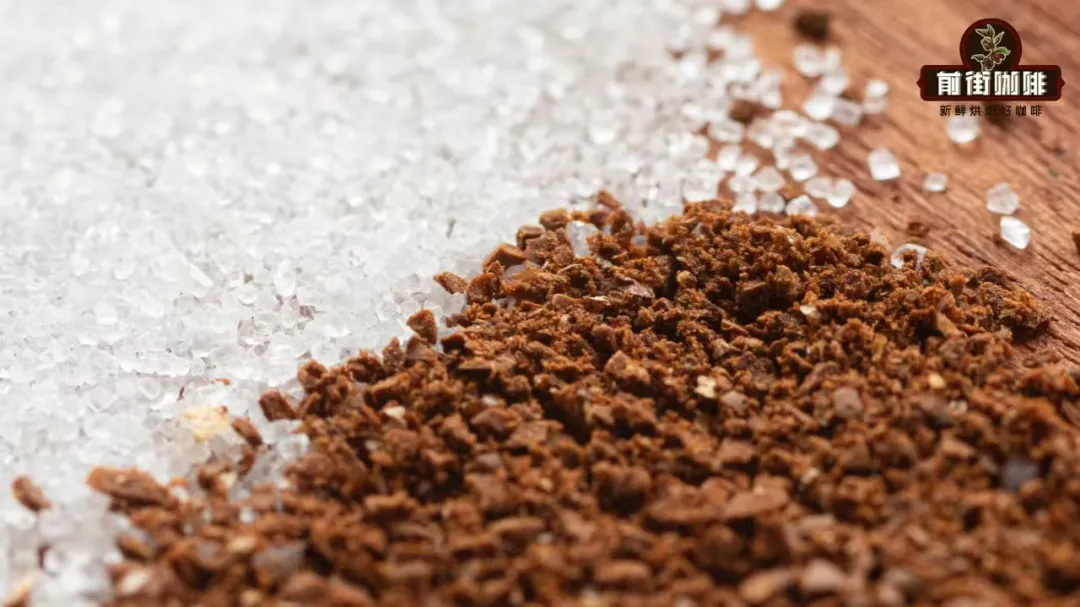
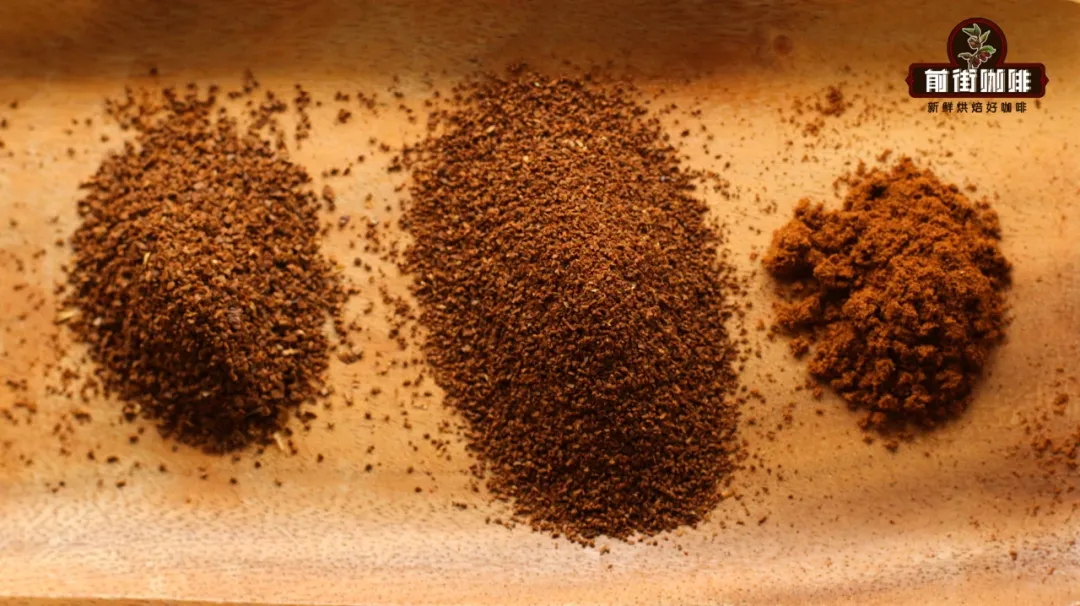
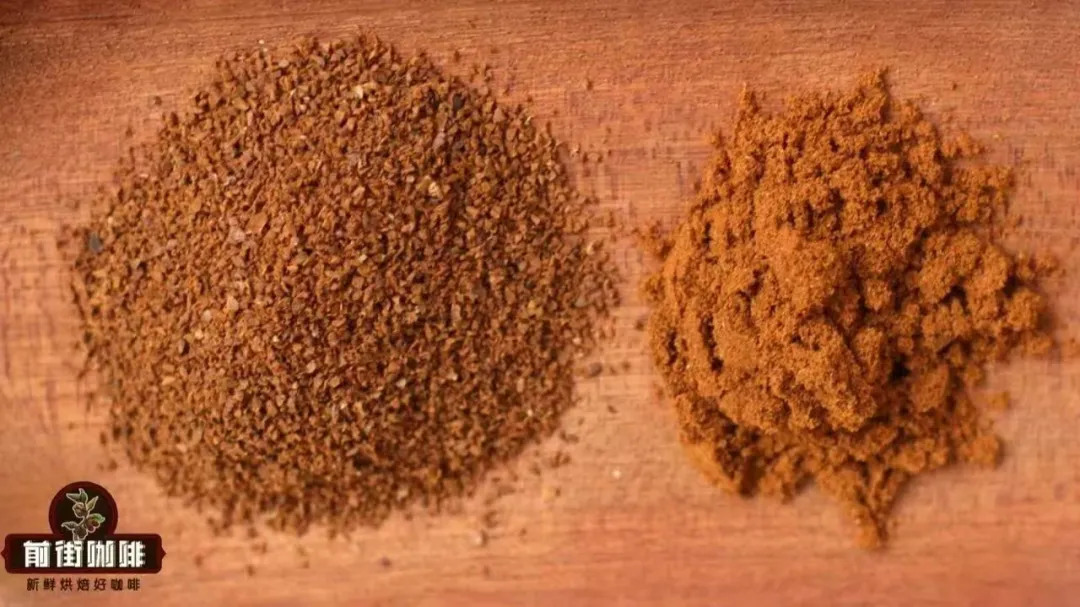
An increase in surface area means that there are more areas where coffee grounds can contact water, while the straight-line distance from the surface to the center determines how long it takes for water to penetrate into the inside of the particle. In other words, when coffee is ground finer, the contact area is larger and the distance for water to reach the interior is shorter, so hot water naturally dissolves flavor compounds faster, and vice versa. For this reason, no matter which extraction method is used, grind size usually has the highest priority. Only after first finding the grind size that matches the extraction method is it possible to make a delicious cup of coffee. So what grind sizes correspond to different coffee extraction methods? This question must have puzzled quite a few people. However, because the grinder and coffee beans each person uses are different, grind size itself cannot be given an absolute standard, so it can usually only be described with a broad range, such as coarse sugar-like, fine sugar-like, or flour-like grind, and so on.
Front Street Coffee (FrontStreet Coffee)
No. 10, Bao'an Front Street, Yandun Road, Dongshankou, Yuexiu District, Guangzhou, Guangdong Province
The above content is compiled by CoffeeHunters, a coffee news website.


