







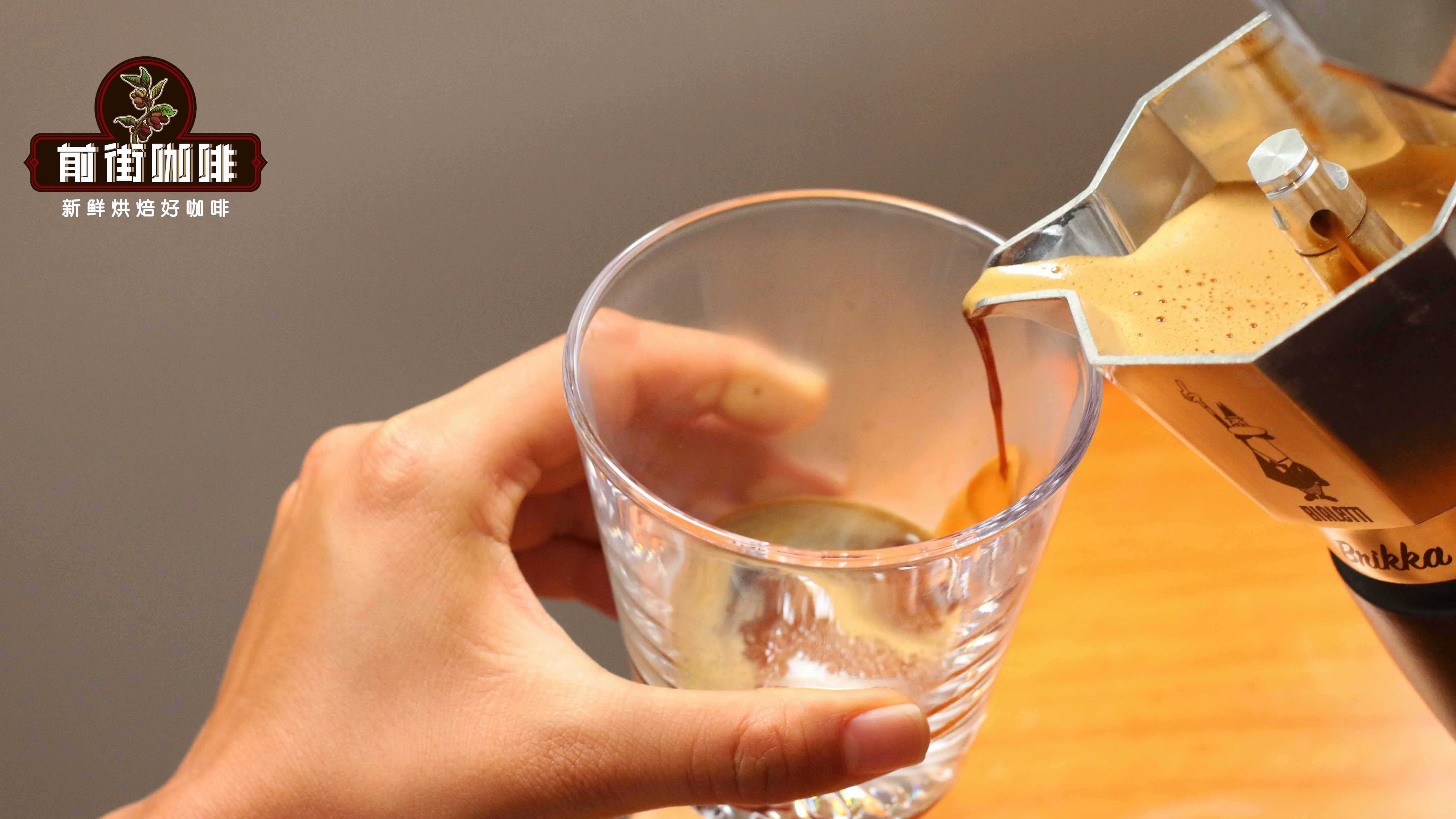
Operating a moka pot looks simple, but the grind size of the coffee grounds gives many beginners a headache—too coarse and the flavor is weak, too fine and the coffee liquid struggles to flow out or even over-extracts. Grind size directly affects the extraction yield and works in tandem with contact time and flow rate. The moka pot is a pressure-driven device, with a pressure of about 1.5 bar, and its grind size is close to espresso but slightly coarser, with a particle diameter of about 0.3-0.55 mm. This article provides two methods: measuring with a grind size ruler and judging through adjustments, and combines Front Street Classic Blend and Front Street Strawberry Candy Espresso Blend to give adjustment suggestions. Finally, it reminds you of the key safety points for using the pressure relief valve, helping coffee lovers achieve consistent results.
Using a moka pot isn't complicated, but many people new to it always struggle with how fine to grind the coffee: grind too coarse, and the brewed coffee is weak and tasteless; grind too fine, and the coffee liquid refuses to flow out, resulting in over-extraction. So how do you find the right setting?
Grind size and extraction are closely related. The finer the grounds, the higher the extraction yield; the coarser the grounds, the lower the extraction yield. This involves three variables: contact time, extraction yield, and flow rate. They restrain each other—change one, and the other two change as well.
1. The larger the surface area of the coffee grounds, the higher the extraction yield.
2. So-called increased surface area means grinding finer; decreased surface area means grinding coarser.
3. The finer the grind, the higher the extraction yield, and therefore the shorter the contact time needed.
4. The finer the grind, the slower the water flow and the longer the contact time; the coarser the grind, the faster the water flow and the shorter the contact time.
Since different grind sizes correspond to different brewing devices, you need to adjust the coarseness according to the device you have. The moka pot and the espresso machine are both pressure-driven devices, but the moka pot's pressure is only 1.5 bar, far less than the coffee machine's 9 bar, so its grind size is close to espresso but slightly coarser than espresso.
From practical brewing experience, the suitable particle diameter for a moka pot is about 0.3 to 0.55 mm. Simply put, it's coarser than an espresso machine and much finer than pour-over. Because the particle diameter is too small to judge by eye, here are two methods to determine the grind. The first is to buy a grind size ruler to measure, or directly use moka-specific coffee grounds as a reference for comparison.
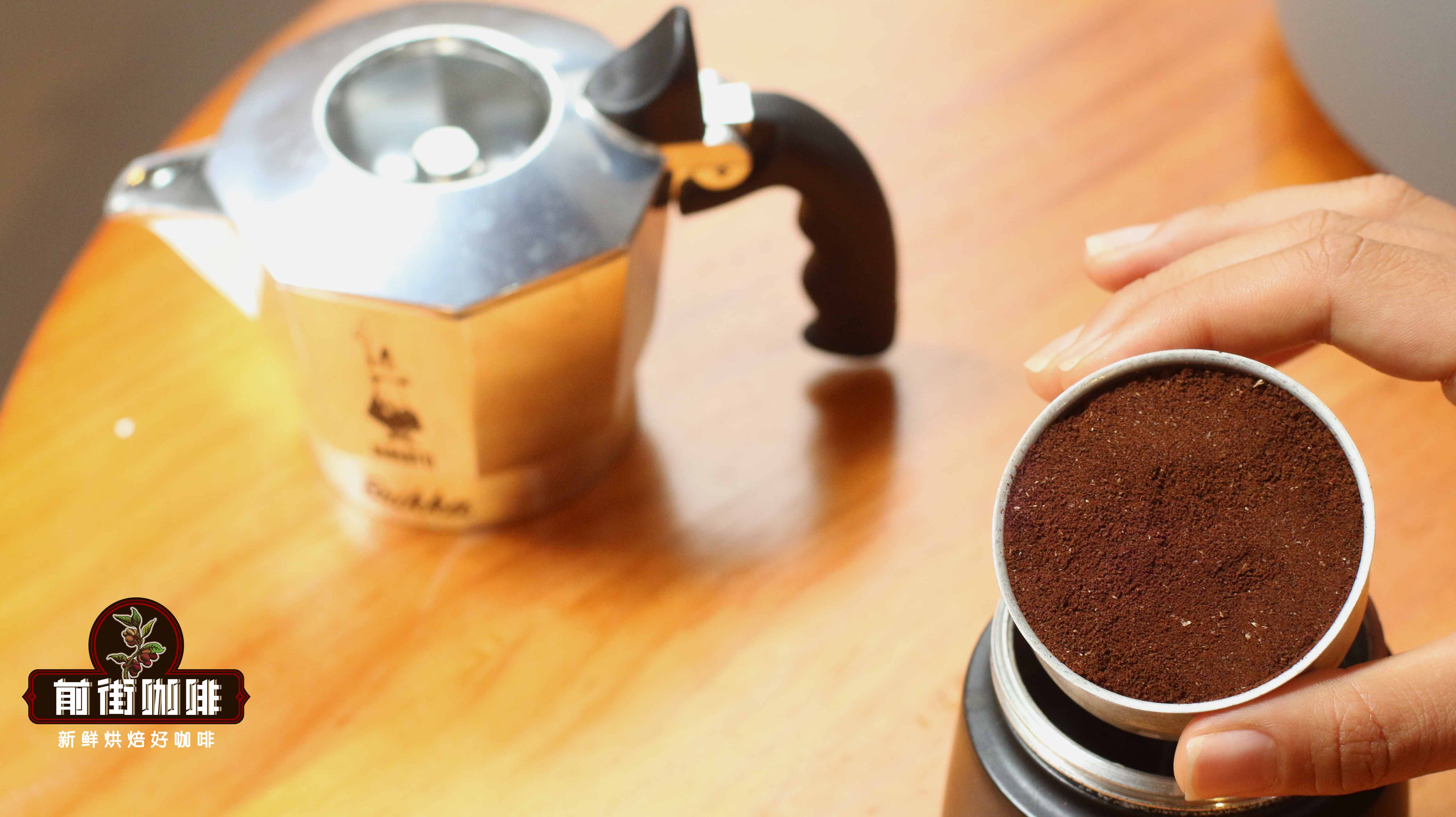
The second is to confirm through repeated adjustments. If the coffee liquid gushes out like a fountain, it means the grind is too coarse and the water flow meets too little resistance; if you hear a "whirring" sound but the coffee liquid doesn't rise for a long time, immediately remove the moka pot from the heat source and take safety precautions. This means the grind is too fine and needs to be adjusted coarser in time.
Once the grind setting is roughly determined, you can make fine adjustments based on different coffee beans:
If you prefer moka pot coffee with rich crema, you can choose Front Street. Front Street Classic Blend. This bean is medium-dark roasted with a longer heating time. To avoid releasing too many bitter substances during extraction, grind it a bit coarser (slightly coarser than fine salt); if you want moka pot coffee with rich fruity aromas, you can get Front Street. Strawberry Candy Espresso Blend and grind it finer (close to the degree of fine salt), which helps more rose fragrance and tropical fruit aromas enter the coffee.
When making coffee with a moka pot, you must pay attention to safety. Anyone who has carefully observed the lower chamber of a moka pot should notice there is a small protruding hole on it.
That is the moka pot's pressure relief valve. The pressure relief valve's function is to prevent certain situations (such as coffee grounds being too fine) from causing excessive pressure inside the pot and triggering an explosion. Once the water level rises above the valve, the pressure relief valve can no longer relieve pressure, and the risk of explosion increases accordingly.
The above content is compiled by CoffeeHunters, a coffee news website.


