







Why Does Espresso Grind Size Change the Flavor?
Grind size decides whether an espresso shot lands balanced or tips into over- or under-extraction. Because espresso is a pressure-based, short-time brew, it magnifies every variable. A grind slightly too fine slows water through the coffee bed and causes over-extraction; slightly too coarse speeds it up and causes under-extraction, sometimes from a 0.1 setting change.
Pour-over tolerates more error: a 70-80 percent pass rate through a No. 20 sieve can still yield a good cup. Espresso demands tighter control, so a standard sieve helps confirm actual particle size. Beginners can start near a flour-like coarseness, feel the grounds for softness, then adjust in small steps using flavor feedback, ideally with whole beans ground fresh.
Grind size is one of the key variables that determines the direction of coffee flavor, especially in the pressure-based, short-time extraction of the espresso system, where a tiny change in the setting can push a shot of espresso from balanced to over-extracted or under-extracted. This article focuses on the impact of grind size on mouthfeel. It first explains why a standard sieve is needed to confirm the actual particle size, then compares the different tolerances for grind precision between pour-over and espresso, and afterward provides a two-step method for beginners to quickly lock in the espresso grind range, along with how to make fine adjustments based on flavor feedback. The article also explains why Front Street Coffee recommends buying whole coffee beans rather than pre-ground coffee, helping readers build a daily habit of grind calibration and management.
How Coffee Grounds Coarseness Affects Taste - Common Grind Size Chart
It is especially important to note that even for the same brand, each grinder will not produce exactly the same particle size at the same setting due to differences in equipment condition. Therefore, it is very necessary to have a standard sieve to verify the actual particle size.
For pour-over grind sizes, we can use a sieve for calibration, and the tolerance for error is relatively large. A 70-80% pass rate through a No. 20 sieve can still produce a good cup of coffee. But because espresso is a pressure-based short-time extraction, it also means that it magnifies everything—the good is magnified, and the flaws are magnified too. As a result, the requirements for grind size are much stricter. If the grind is slightly too fine, water passes through the coffee bed more slowly, making over-extraction easy. If the grind is slightly too coarse, water passes through the coffee bed more easily, making under-extraction easy. Such a deviation may be caused by a difference of only 0.1 grind setting.
If you are a beginner and want to quickly find the right espresso grind size, you can follow the method introduced below by Front Street Coffee step by step. Step 1: Initially lock in the grind range This is the step for beginners who have just started working with espresso. First adjust the grind setting to a coarseness resembling the feel of flour. You can feel the coffee grounds by hand; it should be soft and fluffy, with no gritty texture.
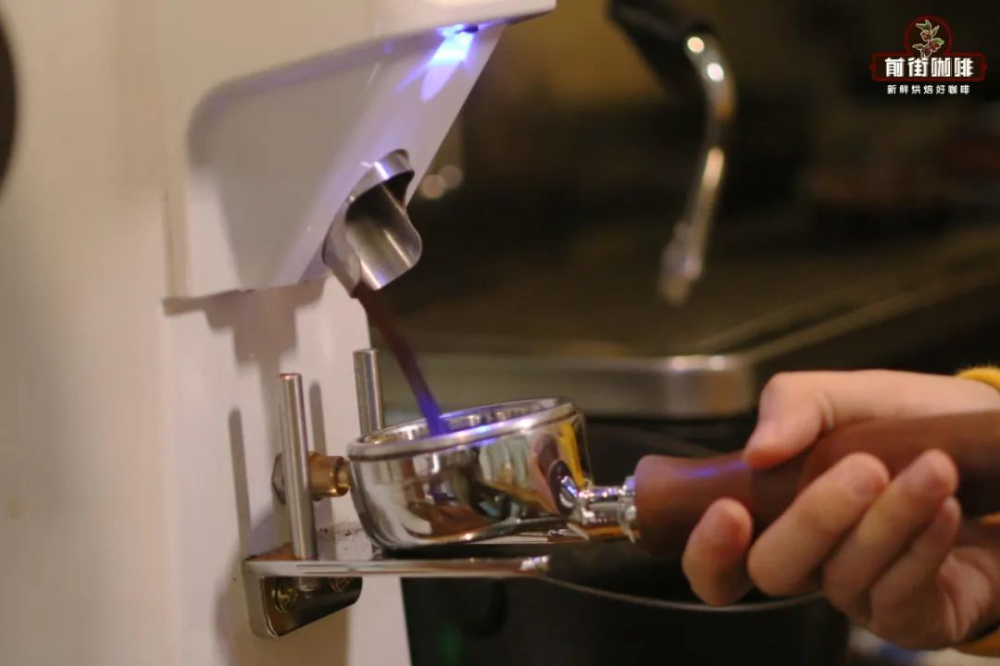
Then apply the commonly used espresso extraction parameter formula, namely a coffee-to-liquid ratio of 1:2 and a time between 20-30 seconds. For the dose, you can refer to the standard dose marked on the basket; for example, an 18g basket takes 18g of coffee, and a 20g basket takes 20g. After fixing both the dose and the ratio, adjust the grind size to keep the extraction time within 20-30 seconds. If this extraction takes more than 30 seconds, the next extraction needs a coarser grind; if this extraction takes less than 20 seconds, the next extraction needs a finer grind. Step 2: Adjust based on flavor and extraction state feedback When you successfully find a grind setting that extracts coffee in 20-30 seconds, you can move on to the next step—making fine adjustments based on actual results. Because that commonly used extraction formula is only an ideal state. In reality, due to differences in coffee beans, coffee machines, and so on, even if it fits the formula, it is not necessarily going to taste good (if you taste it and there is no problem, then this step is not needed). So we need to taste it and then make fine adjustments based on the flavor performance.
At this point, the only thing to adjust is the grind size, while dose and ratio are also included in the adjustment targets. If the espresso tastes strongly sour and the mouthfeel is not heavy enough, then the grind needs to be adjusted finer. If the coffee shows a burnt bitterness, then you can make the grind coarser, or increase the ratio, for example to 1:1.8.
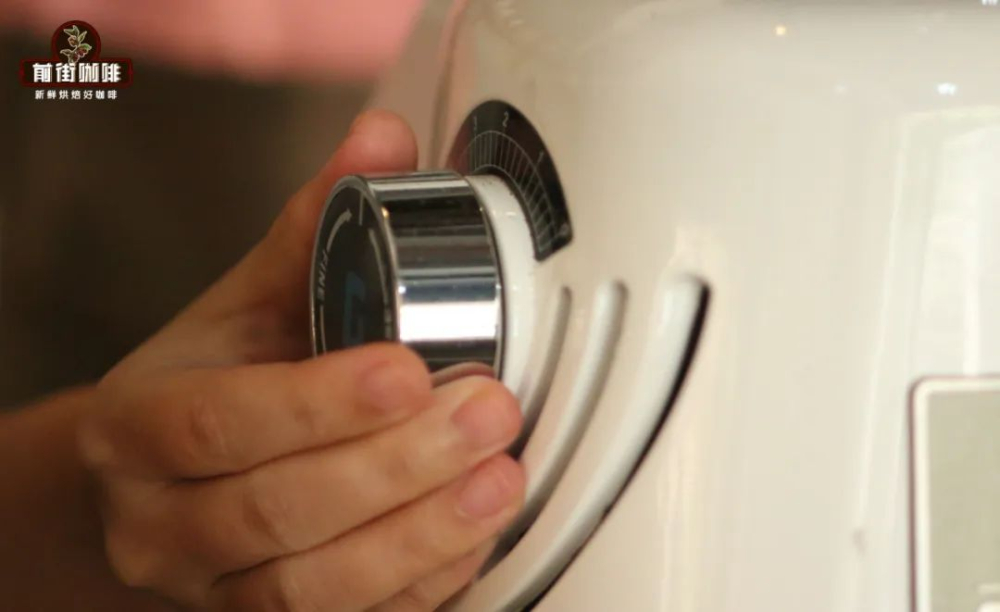
When it is adjusted to a taste that suits you, the current setting is the espresso grind size you need. Some friends ask Front Street Coffee, "I don't know how to adjust the grind size. Can you grind the coffee into powder and send it over?" Although Front Street Coffee can grind coffee on behalf of customers, we usually recommend that everyone buy coffee beans and grind them at home. There are two reasons for this. The first is freshness. Espresso grind particles are much finer than pour-over, which means the coffee's flavor compounds dissipate faster and carbon dioxide is released faster as well. When the gas has mostly escaped, it becomes difficult to extract crema, and the coffee's flavor is also not very pleasant.
The second reason is that espresso grind size is not fixed. In fact, the grind size of espresso beans is affected by the degree of degassing and weather conditions, and the grind setting almost needs fine adjustment every day to ensure the extraction quality of the coffee. If you use pre-ground coffee powder, the parameters may still be normal for the first few days, but afterward they become less stable. Therefore, if everyone wants to make espresso themselves, learning to adjust the grind size yourself and buying whole espresso beans are the best approaches.
The above content is compiled by CoffeeHunters, a coffee news website.


