







Search Results for: golden cup extraction
A Complete Guide to the Golden Cup Standard for Pour-Over Coffee: The Golden Ranges for Extraction Yield and Strength, Plus Practical References
You often hear the "Golden Cup Standard" mentioned in coffee circles—what exactly does it mean? Simply put, it's an extraction reference range derived by Dr. Lockhart in the last century through extensive sampling surveys—when coffee's extraction yield and concentration fall within a specific range, most people find it tastes good. After subsequent research revisions, the optimal extraction yield was ultimately determined to be 18%~22%, and concentration 1.15%~1.35%. However, Front Street would like to remind everyone that the Golden Cup Standard is only a reference benchmark for beginners, not the sole criterion for whether coffee tastes good. This article will break down in detail the origins of the Golden Cup Standard, the meaning of extraction yield and concentration, and why coffee outside this range isn't necessarily bad—helping you understand the extraction logic of pour-over coffee more flexibly. [more…]

A Complete Guide to the Golden Cup Extraction Theory: From Its Historical Origins to the Practical Application of Concentration and Extraction Yield
The Golden Cup extraction is a concept often mentioned in coffee circles. It uses two indicators—concentration and extraction yield—to judge whether a cup of coffee has been properly extracted. This theory can be traced back to 1952, when it was developed through collaborative research by the American coffee association and Dr. Lockhart of MIT. After multiple revisions, the Golden Cup range currently recognized by the SCAA is: extraction yield 18%-22%, concentration 1.15%-1.35%. But the Golden Cup numbers are only a reference tool, not an absolute formula for brewing delicious coffee. This article will walk you through the origins and development of Golden Cup extraction, the meaning of concentration and extraction yield, how to calculate extraction yield using formulas, and why you should not be limited by the Golden Cup range. [more…]
Why Is the 1:16 Pour-Over Coffee-to-Water Ratio Called the Golden Ratio? The Golden Cup Extraction Standard and Practical Parameters Explained
In discussions about pour-over coffee, the 1:16 coffee-to-water ratio is often dubbed the "golden ratio," so some friends are surprised that Front Street Coffee uses 1:15 in its daily routine. Behind this lies the Golden Cup extraction theory—Dr. Lockhart's research indicates that most people prefer coffee with a concentration between 1.15% and 1.35%, and an extraction yield between 18% and 22%. The Golden Cup extraction chart visually illustrates the relationship between coffee-to-water ratio, concentration, and extraction yield, and 1:16 happens to be a ratio that easily falls within the ideal range. However, the Golden Cup standard is only a reference, not an absolute rule: tastes vary from person to person—1:14 or even 1:10 suits those who prefer a strong brew, while 1:17 to 1:20 is better for those who enjoy a lighter taste. Front Street Coffee chooses 1:15 to make the flavors more concentrated and the mouthfeel more substantial, and it adjusts the water temperature and grind based on the roast level. This article will provide a complete analysis of the origin of the golden coffee-to-water ratio, the true meaning of Golden Cup extraction, and Front Street Coffee's specific brewing parameters for beans such as Huakui, Geisha, Queen's Estate, and Golden Mandheling. [more…]
The Origin and Calculation Method of the Golden Cup Extraction Standard: How Extraction Yield and Strength Define a Good Cup of Coffee
The Golden Cup extraction is a widely circulated concept in the coffee world, defining an extraction range that most people find acceptable. This concept originated from a large-scale preference survey in the United States in the 20th century, promoted by the Brewing Committee established by the American Coffee Association in collaboration with Dr. Lockhart of the Massachusetts Institute of Technology. The survey found that about 30% of coffee beans are soluble substances, while the remaining 70% are insoluble fibers. After two rounds of testing with ordinary people and coffee experts, the Golden Cup range was ultimately determined as an extraction yield of 18% to 22% and a concentration of 1.15% to 1.35%. This article will sort out the origins and development of the Golden Cup standard, the calculation methods for extraction yield and concentration, and explain why the Golden Cup range can only serve as a reference rather than an absolute standard, helping you view coffee extraction more rationally. [more…]

Pour-Over Coffee Grounds-to-Water Ratio and the SCA Golden Cup Theory: Extraction Yield, Concentration Standards, and Common Misunderstandings
Brewing a good cup of coffee, the coffee-to-water ratio and extraction yield are core parameters that cannot be avoided. The SCA Golden Cup extraction theory gives an ideal range of 18%-22% extraction yield and 1.2%-1.45% concentration, but many enthusiasts easily misunderstand it as "as long as you copy the Golden Cup coffee-to-water ratio, you will definitely brew a good cup of coffee." This article starts with a simple calculation of the coffee-to-water ratio, guides you to understand the meaning of the Golden Cup extraction range, clarifies the boundary between over-extraction and under-extraction, and explains the true value of learning the Golden Cup theory—not rigidly sticking to a certain ratio, but using it to adjust brewing variables and more flexibly approach the flavor you want. Front Street Coffee also shares related products and brewing ideas in the article for coffee enthusiasts' reference. [more…]
Analysis of the SCA Golden Cup Extraction Standard: The Calculation Logic and Practical Demonstration of Pour-Over Coffee Concentration and Extraction Yield
The Golden Cup extraction system is a quality reference framework widely recognized in the global coffee industry, and its core lies in controlling the concentration and extraction yield of the coffee liquid within a specific range. Compiled by FrontStreet Coffee, this article systematically reviews the origins of the Golden Cup standard and the differences in national standards, explains in detail the formulas for extraction yield and concentration, and uses a VST refractometer and a brewing example with Ethiopia Huakui 4.0 to demonstrate how to measure concentration and calculate extraction yield. At the same time, the article also discusses the influence of the pour-over coffee grounds-to-water ratio on flavor, gives a recommended ratio of 1:15 suitable for most bean varieties, and helps coffee enthusiasts build a quantifiable approach to brewing adjustments. [more…]
Why Is the Pourover Coffee Grounds-to-Water Ratio Commonly 1:15? A Professional Interpretation from Golden Cup Extraction to Practical Parameters
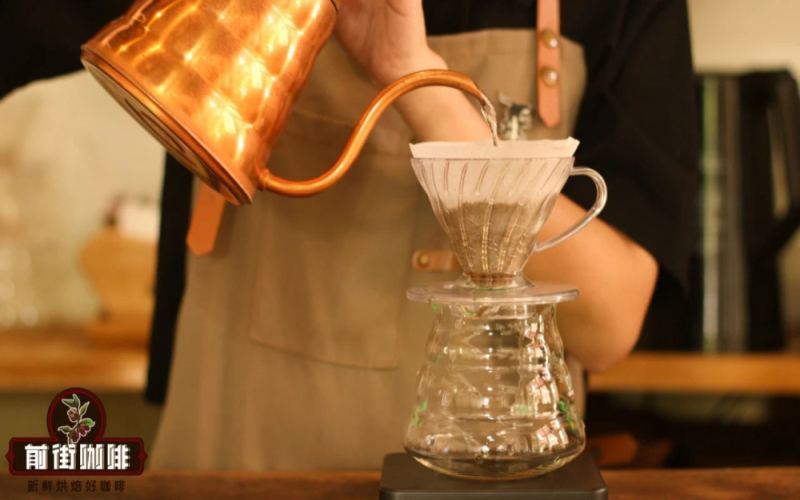
The coffee-to-water ratio for pour-over is a core question every enthusiast will face. Where exactly does the 1:15 ratio come from? Does it truly conform to the SCA Golden Cup extraction standard? Starting from Front Street's daily brewing practice, this article first clarifies two basic concepts—the coffee-to-water ratio and the water absorption rate of coffee grounds—then, combined with the Golden Cup extraction chart, analyzes the difference between the ideal range and actual output, explaining why 1:15 has become a stable and conservative choice. At the same time, the article also discusses whether tail-end truncation is necessary, and how ordinary enthusiasts should view this operation. [more…]
How Are Coffee Extraction Yield and Strength Measured? An Analysis of the Practical Significance of the Golden Cup Extraction Standard
Extraction yield and concentration are the two core quantitative metrics for assessing the state of a cup of coffee, and they also form the foundation of the Golden Cup extraction theory. However, the Golden Cup range is not an absolute standard for good taste—it is more like a helpful reference ruler that helps us determine where a coffee's problems lie. In this article, Front Street will systematically explain the definitions, calculation logic, and practical applications of extraction yield and concentration, clarify why coffee falling within the Golden Cup range is not necessarily tasty and coffee outside the range is not necessarily unpleasant, and explain how to use these two values to find reasonable directions for brewing adjustments. [more…]
How to determine the coffee-to-water ratio for pour-over coffee? From the Golden Cup extraction principle to Front Street Coffee's 1:15 parameter practical analysis
How exactly should the coffee-to-water ratio for pour-over coffee be determined? Front Street Coffee has always recommended 1:15, and this is not an arbitrary choice behind it, but a scientific calculation based on the SCA Golden Cup extraction theory. This article will start with the Golden Cup standard, the definitions of extraction yield and concentration, gradually explain the ratio ranges corresponding to different tastes, and use a Costa Rica Geisha blend as an example to actually calculate concentration and extraction yield, helping you find the brewing parameters that suit you between theory and practice. [more…]
How Is the Extraction Yield of Pour-Over Coffee Calculated? A Complete Guide to the Golden Cup Extraction Theory's Formula and Practical Methods
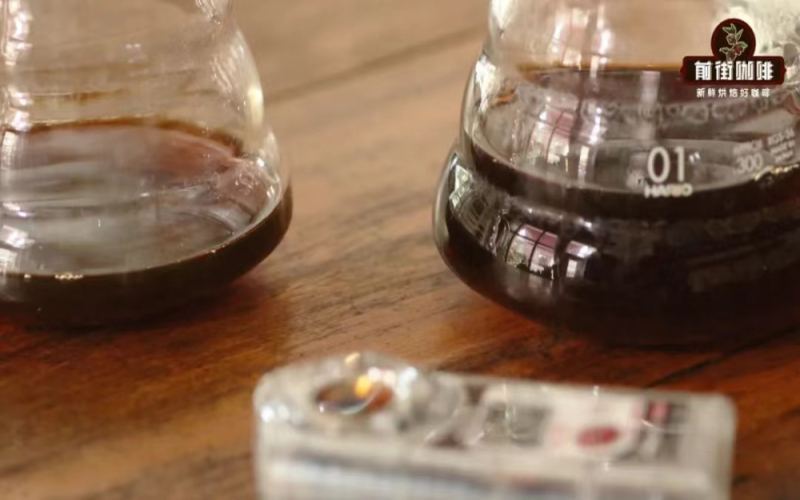
Should brewing coffee rely on feeling or on data? With the maturation of extraction theory, pour-over coffee has gradually moved from empiricism toward a scientific approach. As a classic reference, the Golden Cup extraction standard, although some of the ranges in its 1.0 version are no longer fully suited to the present, still leaves behind extraction yield and concentration calculation formulas that remain practical today. From Front Street's perspective, this article first reviews the background of the Golden Cup standard and Lockhart's research journey, then focuses on explaining two methods for calculating extraction yield: the traditional dry weighing method, and the method of using a TDS meter to infer extraction yield from concentration. The article also summarizes the definitions of concentration and extraction yield, their interrelationship, and conversion formulas, and reminds that for drip coffee, the water absorbed by the coffee bed requires correcting the weight of the brewed liquid, helping you more accurately evaluate the performance of a cup of pour-over. [more…]

A Complete Guide to Indonesian Mandheling Pour-Over: The Flavor Code and Extraction Essentials of PWN Golden Mandheling
Mandheling coffee has always been known for its rich, full-bodied intensity, standing out among the many single-origin coffees. This article will guide you through an in-depth look at two classic producing regions in Sumatra, Indonesia—the Golden Mandheling of Lake Tawar in Aceh and the Lintong Mandheling by Lake Toba—analyzing the unique flavors that the wet-hulling method imparts to the coffee beans, and explaining in detail PWN Company's rigorous grading standards for Golden Mandheling and how to identify the genuine article. At the same time, Front Street Coffee will share a complete pour-over recipe for extracting Golden Mandheling with a KONO dripper, 88°C water temperature, and a 1:15 coffee-to-water ratio, helping you brew a cup of Mandheling at home that is clean, bright, and with a pronounced caramel sweetness. [more…]
Coffee-to-Water Ratio | How to Calculate the Pour-Over Coffee-to-Water Ratio, Cold Brew Pour-Over Coffee-to-Water Ratio
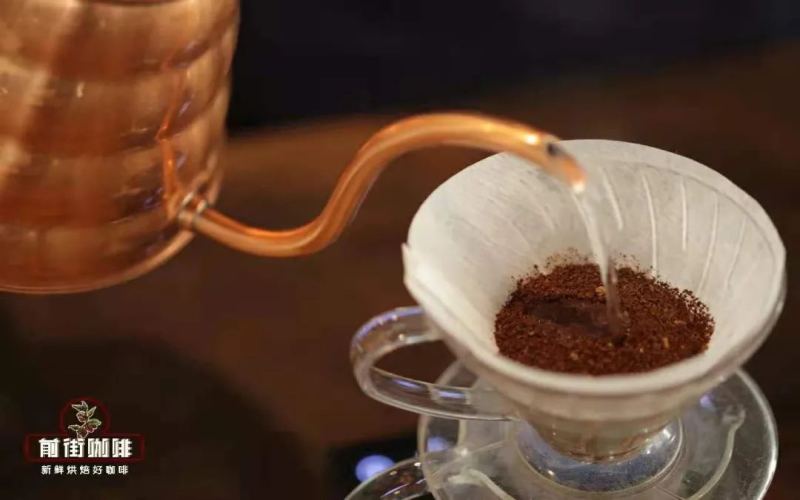
Without adding sugar or milk, how to hand-brew a delicious and distinctive cup of coffee is a difficult challenge for many enthusiasts just starting out in coffee. Pour too much water and the coffee will be weak; pour too little and it will be very strong and harsh on the throat. Therefore, you must pay attention to the coffee-to-water ratio. So exactly how much water should be used to brew a cup of coffee? The coffee-to-water ratio is probably what every [more…]
How Is the Golden Cup Extraction Yield for Pour-Over Coffee Calculated? A Detailed Explanation from Concentration Measurement to Front Street Coffee Practical Cases
How exactly should the extraction yield and strength of pour-over coffee be calculated? The golden cup extraction yield range defined by the SCAA is 18% to 22%, corresponding to a TDS strength of about 1.15% to 1.35%, while the coffee-to-water ratio falls within the range of 1:12 to 1:15. This theory originates from Dr. Lockhart's scientific experiments in the 1950s, in which he quantified coffee flavor and laid the foundation for the golden cup standard. This article starts from the daily brewing at Front Street Coffee, explains the definitions of extraction yield and strength, the conversion formulas, and how to use a refractometer, and, using beans from Panama's Elida Estate as an example, fully demonstrates the parameter settings, pouring rhythm, and extraction yield calculation process of a staged pour-over, helping coffee enthusiasts understand the practical application and reference value of the golden cup theory. [more…]
PWN Golden Mandheling Pour-Over Technique Explained: Is It Suitable for Brewing Before the Resting Period Is Complete?
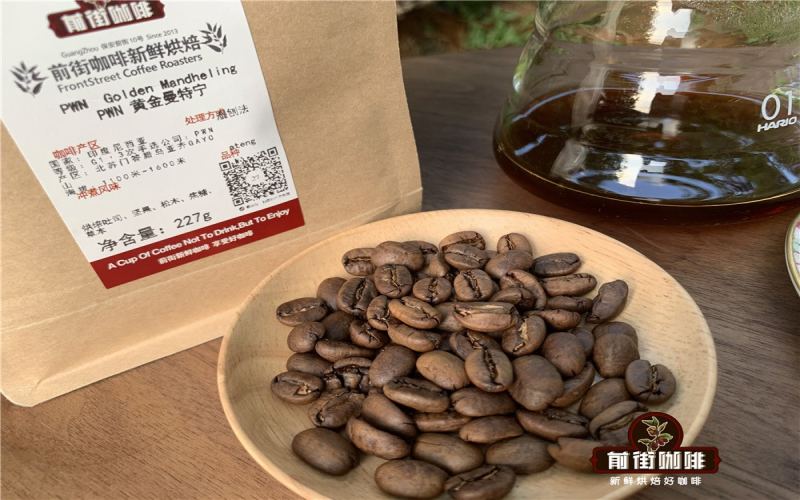
Golden Mandheling, as a representative of Indonesian specialty coffee, is favored by coffee enthusiasts for its mellow, clean taste and long-lasting finish. But to brew an ideal cup of Golden Mandheling at home, besides choosing the right beans, you also need to master key parameters such as water temperature, grind size, coffee-to-water ratio, and pouring technique. At the same time, many friends ask: if the coffee beans haven't passed their resting period yet, can they still be brewed? In this article, Front Street will focus on PWN Golden Mandheling coffee beans, breaking down everything from the bean's background and processing method to the three-pour brewing technique, and explaining the relationship between the resting period and coffee flavor, to help you more confidently enjoy a good cup of coffee at home. [more…]
ATAGO Refractometer Operation Guide: How to Convert TDS Readings to Golden Cup Extraction Yield
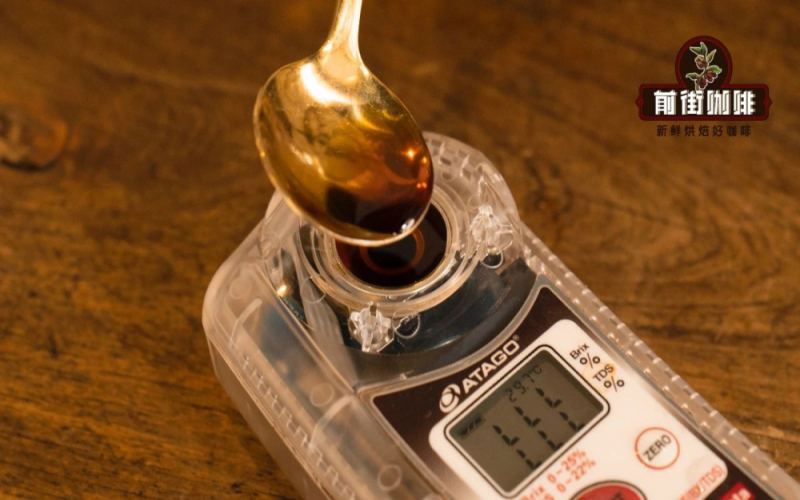
Front Street Coffee received a question from an enthusiast who wants to know how to get started with coffee concentration measuring instruments like ATAGO. This article will demonstrate the operating procedure of the instrument step by step, explain the meaning of the two readings, Brix and TDS, and show how to use the measured TDS value to calculate the coffee's extraction yield. The article will also introduce the two core standards of the Golden Cup theory—extraction yield of 18%–22% and concentration of 1.2%–1.45%—as well as the flavor characteristics brought by under-extraction and over-extraction, helping you more accurately judge whether a cup of coffee falls within the ideal range in your daily brewing. [more…]
Indonesian PWN Golden Mandheling Dark Roast Pour-Over Techniques: A Detailed Guide to Grind Size, Water Temperature, and Pulsed Extraction Parameters
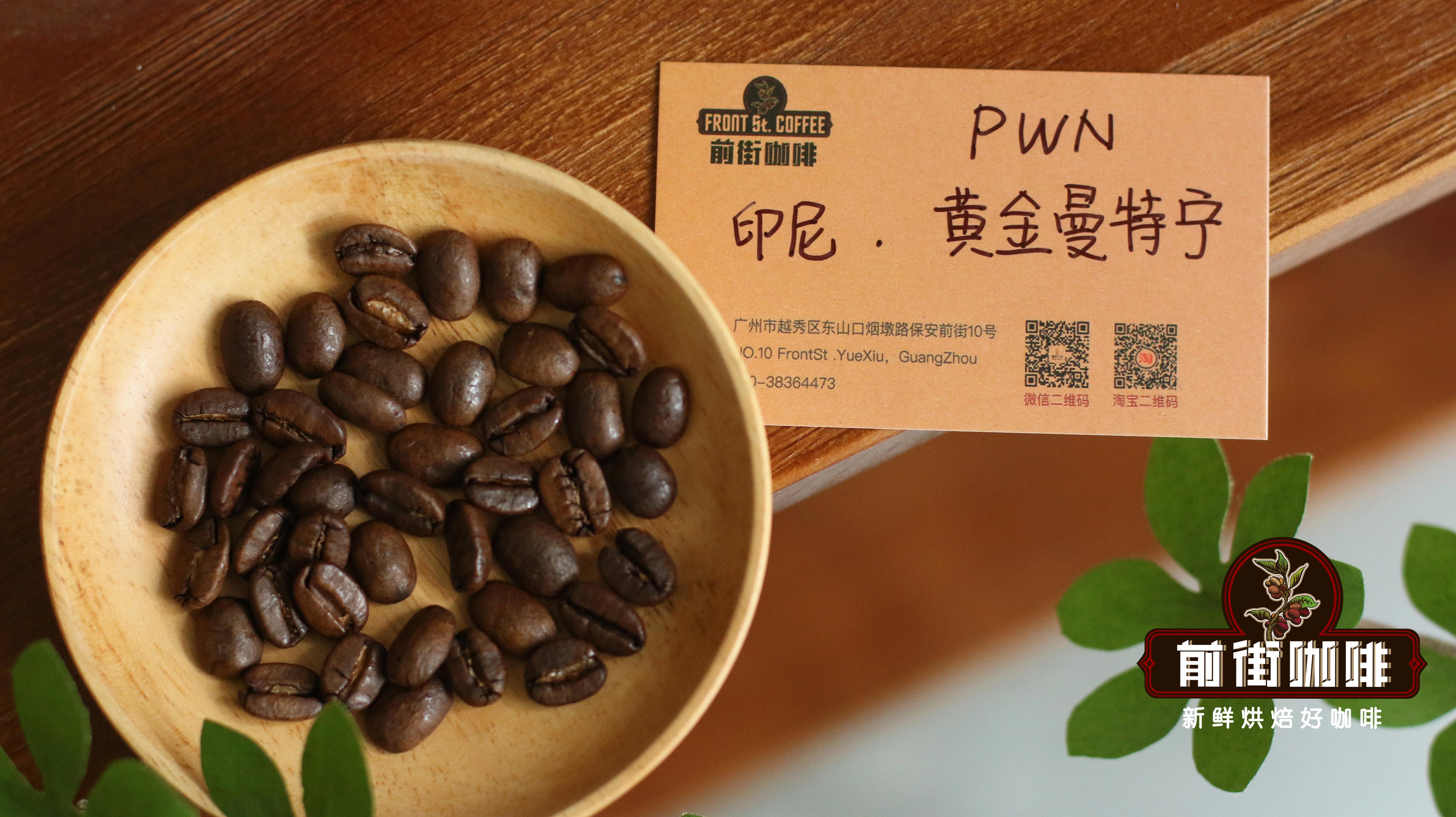
Golden Mandheling is one of the flagship Indonesian coffees and a best-selling specialty everyday bean at Front Street Coffee. However, the pour-over method for dark-roasted beans is quite different from that for light-roasted beans—water temperature, dripper, and grind size all need to be adjusted accordingly. Drawing on the practical experience of Front Street Coffee, this article first outlines the growing region, variety, and wet-hulling process of Golden Mandheling, then shares in detail the pour-over parameters for PWN Golden Mandheling—including a water temperature of 88°C, a 1:15 coffee-to-water ratio, medium-fine grind, and the specific steps for segmented extraction using a Kono dripper—as well as the resulting nutty, caramel, and chocolate flavor profile, helping you consistently brew a rich, clean cup of Golden Mandheling at home. [more…]
How to Determine the Coffee-to-Water Ratio for Pour-Over Coffee? A Full Analysis from the Golden Cup Extraction Chart to Front Street Coffee's Recommended Parameters
The coffee-to-water ratio for pour-over coffee has always been a hotly debated topic among enthusiasts. Faced with the classic Golden Cup extraction chart, many people wonder: why is the recommended 1:17 on the chart not commonly seen in actual brewing? Can a 5ml difference in water volume really be tasted? And what ratios should be used for light-roast and dark-roast coffee beans respectively? This article will guide you through reunderstanding the origins and development of the Golden Cup extraction chart, analyze the impact of subtle differences in water volume on flavor, and, drawing on Front Street Coffee's brewing experience, provide practical ratio ranges for light-roast and dark-roast coffee, helping you find the cup of good coffee that truly suits you. [more…]
How Are Indonesian Coffee Bean Grades Classified? G1 and G2 Standards and Key Points for Choosing Golden Mandheling
The price of Indonesian coffee beans largely depends on their green bean grading system. G1 and G2 are common grade indicators, and G1 is often further subdivided based on whether it has undergone multiple rounds of hand sorting. Starting from the flavor characteristics of Mandheling and the wet-hulling process, this article systematically introduces the differences between coffee from two well-known Sumatran origins—Lake Tawar in Aceh and Lintong in Lake Toba—and focuses on analyzing PWN company's Golden Mandheling trademark registration, G1 grade, 18+ screen size specification, and triple hand-sorting standard. At the same time, Front Street Coffee shares the cupping performance and brewing parameters of Golden Mandheling to help readers understand the basis for judging the quality and price of Indonesian coffee beans. [more…]

Distinguishing the Mandheling Family: The Differences Between Golden Mandheling and Golden Gold Top Mandheling and a Detailed Guide to Pour-Over Parameters
Mandheling coffee is deeply sought after by enthusiasts for its intense, multifaceted flavors, but the Mandheling on the market varies widely in quality, and names like Golden Mandheling and Golden Jinding Shang Mandheling are even more bewildering. This article will systematically sort out the differences between Mandheling, Golden Mandheling, and Golden Jinding Shang Mandheling, reveal the origin of the name Golden Mandheling and the trademark registration background of PWN, and provide a detailed analysis of the cupping flavors, pour-over parameters, and three-stage pouring technique of Front Street Coffee's PWN Golden Mandheling, helping you brew a cup of rich, clean, sweet-finishing Golden Mandheling at home. [more…]
Essential Course for Pour-Over Coffee Beginners: Dissolution and Diffusion Principles, Three-Stage Extraction Flavors, and Golden Cup Standard Parameters Explained
To brew a good pour-over coffee, you first need to understand the principles behind it. Dissolution and diffusion are the two core mechanisms of extraction: after roasting, various aroma and flavor compounds are generated inside the coffee beans, and they gradually dissolve out when the grounds are soaked in water, while diffusion explains why grind size, blooming, and stirring are so crucial. During extraction, flavors are released in sequence—first come floral and fruity acidity, then sweetness and caramelized compounds, and only at the end do bitter and off-flavors appear. Mastering the golden range of 18%~22% extraction yield and 1.2%~1.45% concentration allows you to judge whether a cup of coffee is under-extracted or over-extracted. This article takes you through a systematic introduction to pour-over coffee, from basic principles to practical parameters, and also incorporates product recommendations from Front Street Coffee to help you avoid detours. [more…]