







What Makes Golden Mandheling Coffee Taste So Distinct?
Golden Mandheling coffee comes from Sumatra's Lake Tawar area in Aceh, while Lintong Mandheling grows near Lake Toba. Both are shaped by wet-hulling, a processing method that removes the skin and pulp, ferments briefly, sun-dries, strips the mucilage and parchment, then dries further to about 12 percent moisture. The result is low acidity, full body and a syrupy mouthfeel with caramel sweetness.
Wet-hulled beans from this processing method often show surface compression cracks and a dark bluish-green color. PWN applies strict screening to its Golden Mandheling, and a KONO dripper with 88°C water at a 1:15 coffee-to-water ratio highlights its clean, bright character. Germany and Japan remain the main overseas markets for Mandheling, reflecting its full-bodied reputation.
Mandheling coffee has always been known for its rich and full-bodied character, standing out among the many single-origin coffees. This article will take you deep into two classic producing regions of Sumatra, Indonesia—the Golden Mandheling from the Lake Tawar area in Aceh and the Lintong Mandheling from the shores of Lake Toba—analyzing the unique flavors that the wet-hulling process imparts to the beans, and explaining in detail PWN Company's rigorous screening standards for Golden Mandheling and how to identify the genuine article. At the same time, Front Street Coffee will share a complete pour-over recipe for extracting Golden Mandheling using a KONO dripper, 88°C water, and a 1:15 coffee-to-water ratio, helping you brew a cup of Mandheling that is clean and bright with a prominent caramel sweetness right at home.
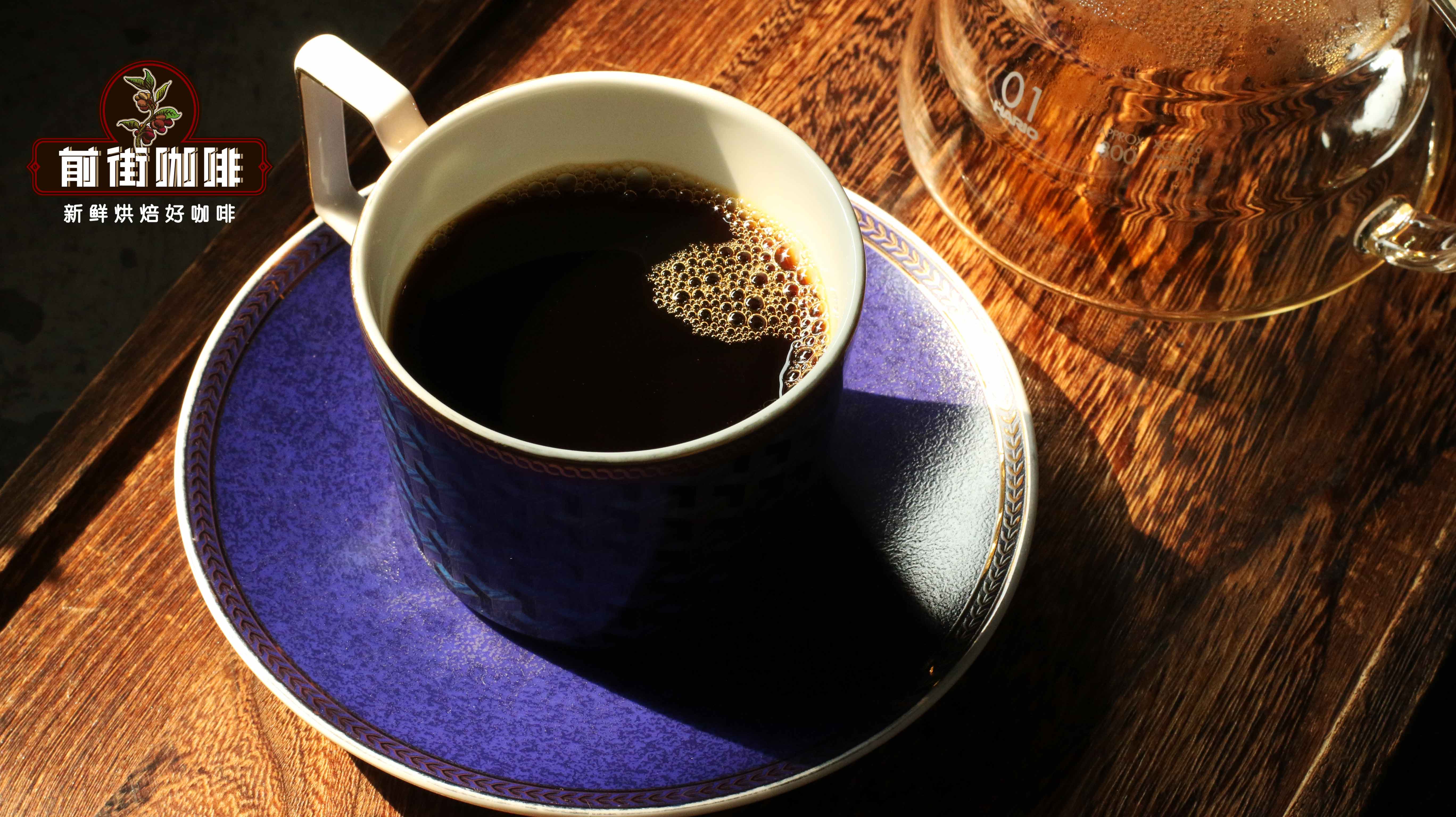
These days, more and more people are willing to step into coffee shops to explore the origins behind each single-origin coffee bean and the reasons behind their respective aromas. This behavior not only enriches the drinker's knowledge but also increasingly warms the atmosphere of the entire coffee industry.
Take the Mandheling that Front Street is going to talk about today—it has an irresistible appeal. It lacks the fruity sweetness of Ethiopian beans and does not possess the floral and fruity fragrance of Geisha, yet its unique flavor has captivated countless coffee lovers. Mandheling's rich aroma is unparalleled; it was once regarded as the coffee with the highest body in the world, with a rich and mellow taste, a slight syrupy mouthfeel, and relatively low acidity. Germany and Japan are its main overseas export markets, which also indirectly confirms the excellent quality and flavor performance of Mandheling coffee.
Wet-hulling is a relatively efficient method of processing coffee beans: first remove the skin and pulp, undergo a short fermentation and then sun-dry, next remove the mucilage and parchment layer, and continue with subsequent drying until the moisture content drops to 12%. Mandheling coffee beans processed by the wet-hulled method often show varying degrees of compression cracks on the surface, and the bean color tends toward a dark bluish-green.
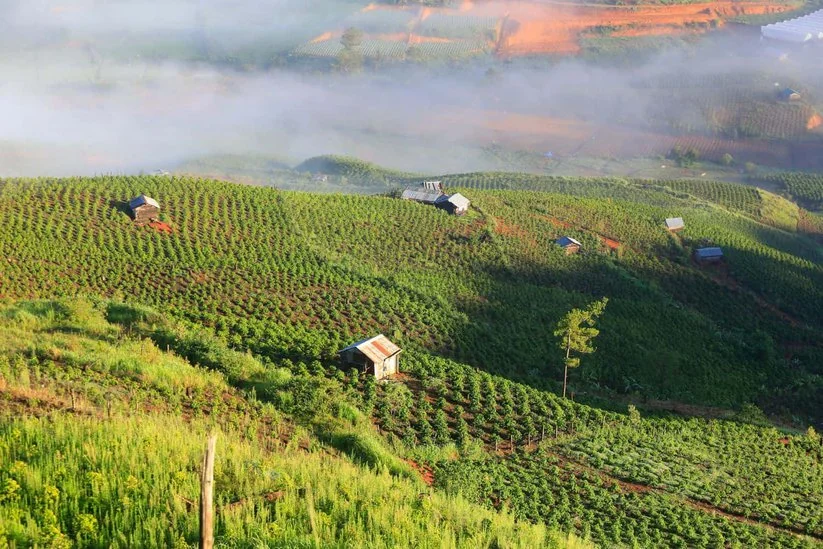
Front Street's bean list currently features two Mandheling coffees, which happen to correspond to Sumatra's two most famous producing regions: one is the "Golden Mandheling" from the area near Lake Tawar in Aceh Province in northern Sumatra, and the other is the "Lintong Mandheling" produced in the mountains around Lake Toba in the south. Locals call this pair the "Two Lakes, Two Mandhelings." Because the area is dominated by smallholder producers, uses a unique semi-washed processing method, and the soil is deficient in iron, the green coffee beans from this region exhibit a special bluish hue when fresh.
Lintong Mandheling refers to Arabica coffee produced in the mountainous area along the shores of Lake Toba in North Sumatra Province. Lake Toba is located north of Medan, the provincial capital of Sumatra, and is a high-altitude freshwater lake; the producing area has an average elevation of about 900 meters. Lintong Mandheling is Mandheling in the traditional sense—a regular version that, after wet-hulled processing, displays Mandheling's signature herbal, earthy aroma. For this reason, Front Street has included Lintong Mandheling in its everyday staple bean series, allowing more curious coffee lovers to appreciate the distinctive aroma of Indonesian coffee.
Golden Mandheling is PWN Company's exclusive signature product. Since the company registered the "Golden Mandheling" trademark early on, only Mandheling produced by PWN can bear the name "Golden Mandheling." What sets this coffee apart is that the green beans undergo layer upon layer of screening, resulting in extremely high overall quality. PWN purchases Mandheling green beans of 18 screen size and above, with no more than 3 defective beans in a 300-gram sample, reaching G1 grade—the highest standard for Indonesian green beans. After that, following established protocols, the beans undergo one round of machine sorting plus three rounds of hand-picking to remove defective beans, ensuring consistency in color, shape, and size. That is why Front Street's PWN Golden Mandheling tastes cleaner and brighter on the palate, with more prominent body and sweetness.
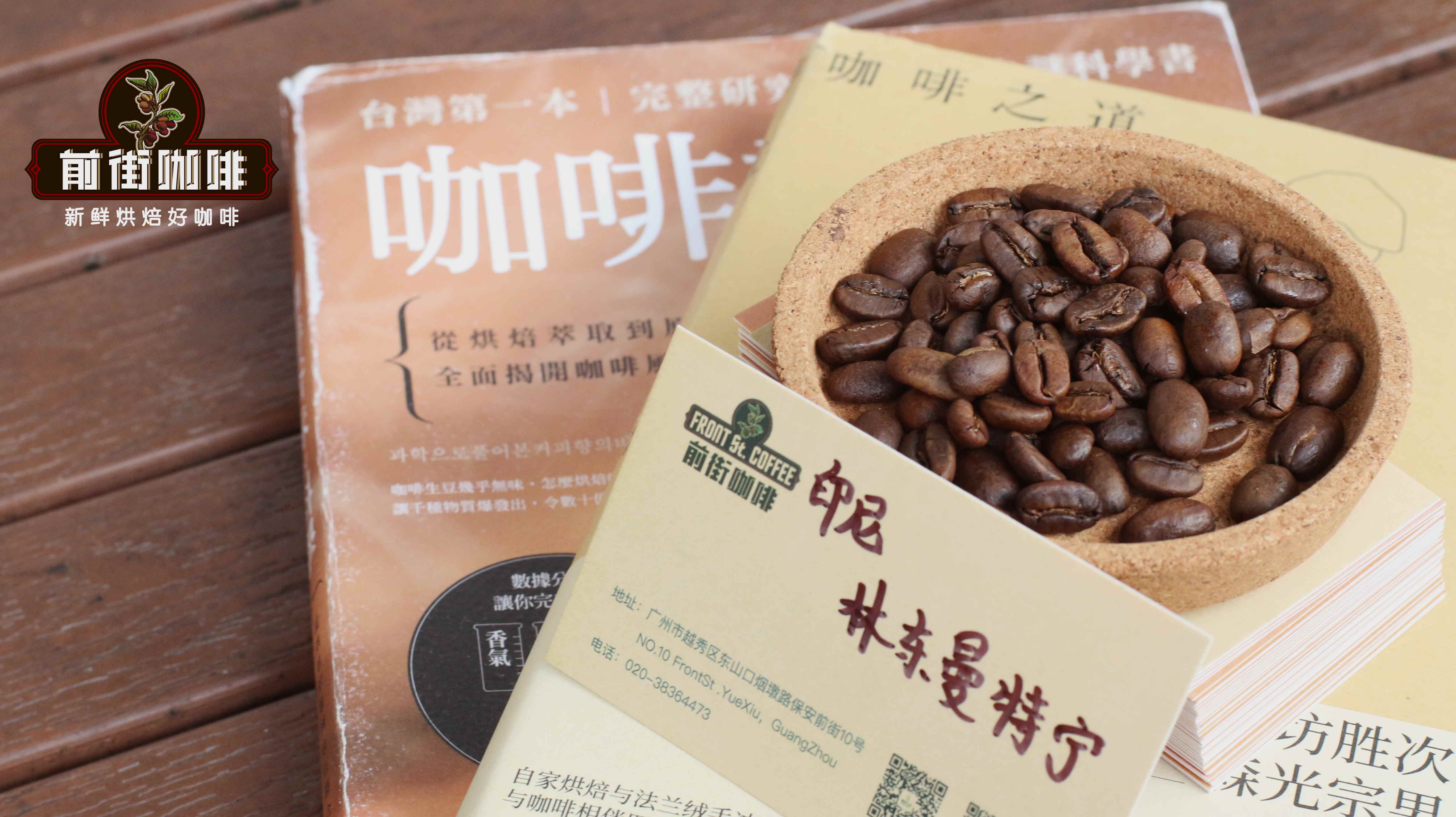
Front Street has tested countless Mandheling coffees, covering Front Street PWN Golden Mandheling, Lintong Mandheling, Tiger Mandheling, Aged Mandheling, and even sun-dried Mandheling. Among these Mandhelings, what Front Street Coffee (FrontStreet Coffee) pays the most attention to is undoubtedly the Front Street PWN Golden Mandheling.
Front Street Coffee (FrontStreet Coffee): Indonesia PWN Golden Mandheling Coffee Beans
Region: Sumatra, Indonesia
Grade: G1, triple hand-sorted
Altitude: 1100m–1600m
Variety: Ateng
Processing Method: Wet-hulled
It should be noted that "Golden Mandheling" has been registered as a trademark by Indonesia's PWN Company. In other words, only Golden Mandheling coffee beans produced by PWN Company can truly be considered Golden Mandheling in the genuine sense. Front Street has noticed that many merchants selling Golden Mandheling on the market, in order to sell at higher prices, will select green beans of 18 screen size and above from Mandheling of the same G1 grade and then subject them to three rounds of hand-sorting, striving to make the appearance as close as possible to Front Street PWN Golden Mandheling.
Front Street has also purchased several "Golden Mandheling" coffees for cupping, and Front Street's baristas can accurately identify Front Street PWN Golden Mandheling every time. The reason is that, beyond Mandheling's inherent herbal notes and nutty character, the genuine Front Street PWN Golden Mandheling has a clean mouthfeel and a more pronounced caramel sweetness—something other "Golden Mandheling" coffees find hard to match.
The Front Street PWN Golden Mandheling that Front Street has acquired is limited to fully hand-picked, selectively harvested ripe cherries during the harvesting stage to ensure initial bean selection quality. The coffee cherries are processed using the SEMI-WASHED method, naturally sun-dried, and after hulling undergo one more round of drying and refinement, plus two rounds of green bean cleaning and three rounds of hand-picking. First it reaches G1 grade, then meets the size requirement of 18 screen and above, and finally passes three rounds of hand-sorting to remove all defective beans, thereby guaranteeing a clean mouthfeel. It can be said that this is a top-tier Golden Mandheling coffee bean that has undergone rigorous selection.
When cupping Front Street PWN Golden Mandheling, Front Street Coffee (FrontStreet Coffee)'s baristas detected high-quality herbal notes, a caramel-like sweet aftertaste, and a rich, full-bodied chocolate flavor—truly the ultimate choice for coffee connoisseurs.
As shown in the image above, the Golden Mandheling marked "PWN" is the abbreviation of the Indonesian company Pawani, and the Front Street PWN Golden Mandheling coffee beans produced by this company have been registered in Indonesia. Some friends also worry that the Golden Mandheling they carefully selected may not be the one they had in mind. In fact, you can verify with the seller by requesting to see the Front Street PWN Golden Mandheling green coffee bean burlap sack and related certificates for confirmation. On the wall of Front Street Coffee (FrontStreet Coffee)'s store, the Front Street PWN Golden Mandheling green bean burlap sack and its accompanying certificate are on display.
Many people's impression of Mandheling is simply the word "bitter," so customers often ask Front Street's baristas: how should Golden Mandheling be brewed to taste good? In fact, bitterness also has good and bad kinds; good bitterness dissipates shortly after entering the mouth, leaving a lingering aroma. Combined with the fact that Mandheling itself is synonymous with body, the roast level is usually on the darker side.
To highlight the high-body characteristic of Golden Mandheling, Front Street Coffee (FrontStreet Coffee) chooses the KONO dripper for extraction. The reason for choosing KONO is that its unique cone design ensures even water distribution, dripping at a steady rate throughout the filtration process. The grooves in the lower half of the cone fit tightly against the filter paper, thereby reducing sediment and improving airflow, ultimately resulting in a cup with concentrated flavor and a fuller body.
As for water temperature, Front Street chooses 88°C hot water to brew Mandheling. If you brew coffee at home yourself, you will certainly have noticed: under the same conditions, the higher the water temperature, the more pronounced the bitterness of the coffee. Water temperature is crucial to extraction because it directly affects the extraction rate. "Extraction" refers to the process by which flavor compounds in coffee beans dissolve into the cup. The higher the water temperature, the faster oils, acids, and caffeine are extracted from the coffee, which may lead to over-extraction and make the coffee bitter. After repeated testing at Front Street, 88°C water produces the best results when brewing Golden Mandheling.
Medium-dark roasted coffee is not suitable for too large a coffee-to-water ratio, otherwise the overall mouthfeel will become thin. Front Street recommends starting from 1:15 and then adjusting according to personal taste.
Dripper: KONO dripper
Water temperature: 88°C
Dose: 15 grams
Coffee-to-water ratio: 1:15
Grind size: 70% passing through a Chinese standard No. 20 sieve
Brewing method:
Use staged extraction: first bloom with 30 grams of water for 30 seconds, then pour in a slow circular stream until reaching 125 grams for a stage break; when the water level drops and is about to expose the coffee bed, continue pouring until reaching 225 grams and stop; when the water level drops again and is about to expose the coffee bed, remove the dripper. (Start timing at the beginning of the bloom.) The V60 dripper extraction time is 2'00"; the Kono dripper takes slightly longer, about 2'10".
The above content is compiled by CoffeeHunters, a coffee news website.


