







Search Results for: flow cutoff

What Exactly Is Flow Cut-off in Pour-Over Coffee? An In-Depth Look at Why It's Not Recommended to Cut the Flow Casually
In the world of pour-over coffee, the technique of "flow cutoff" is regarded by many beginners as a clever trick to avoid over-extraction—by simply removing the dripper early during the extraction, it seems you can shut bitterness out. However, Front Street Coffee has found that this seemingly smart approach actually hides a misconception: flow cutoff cannot truly stop the release of bitter compounds, and it may instead strip away the coffee's rich layers and lingering aftertaste. So how exactly is bitterness dissolved? Why can't flow cutoff stop bitterness? In what scenarios is using flow cutoff correct and necessary? This article, drawing on Front Street Coffee's brewing experience, will answer these questions one by one, helping you make a clearer brewing decision between the coffee-to-water ratio and the coffee-to-beverage ratio. [more…]
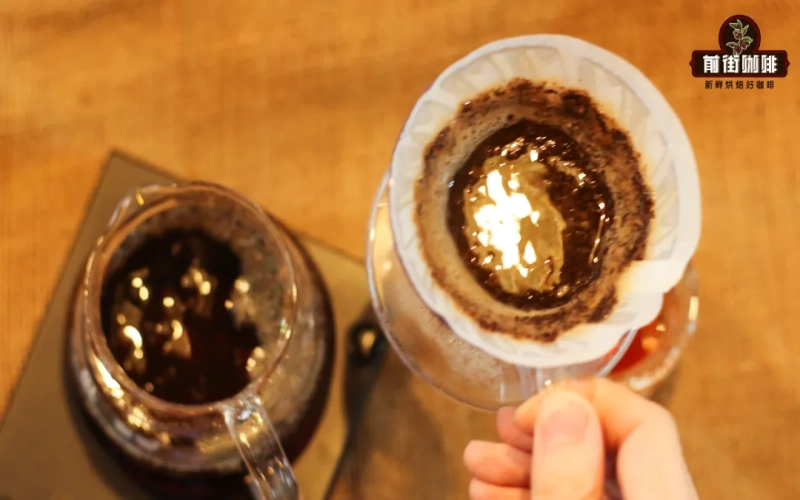
What Is the Second Pour Cutoff in Pour-Over Coffee? A Full Breakdown of the Principle and Practical Parameters
In pour-over coffee, bypassing is usually only applied at the end of extraction to avoid undesirable flavors. But at last year's world coffee competitions, some competitors tried "double bypass"—in addition to bypassing the tail end, they also removed the coffee liquid from the blooming phase. It is said that this approach can reduce acidity and bitterness while enhancing sweetness, and many bloggers who replicated it reported that it was indeed effective. This article starts from Front Street Coffee's perspective, combines dissolution rate theory, analyzes the feasibility of this operation, and uses Front Street Kenya Small Tomato to conduct comparative experiments between regular brewing and double bypass, recording differences in liquid weight, flavor, and mouthfeel, for coffee enthusiasts' reference. [more…]
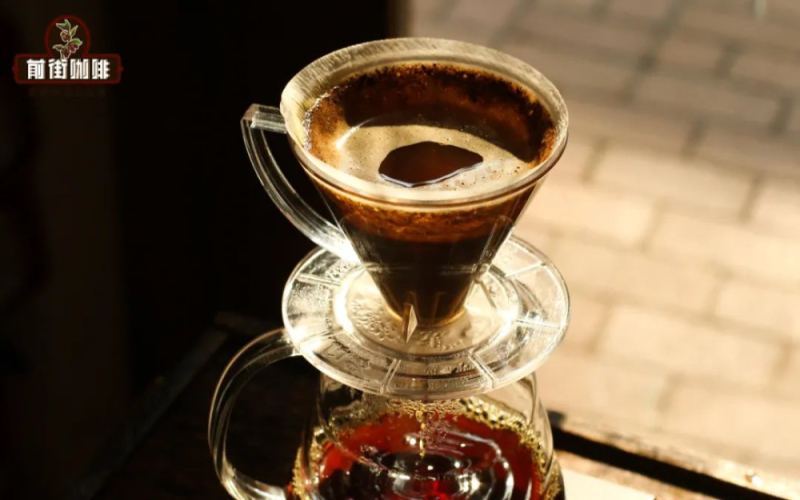
Fine Migration Clogging and Three-Stage Extraction: Analyzing the Common Causes of Clogging in Pour-Over Coffee and the Logic of Flow Cutoff
During pour-over brewing, water pooling in the dripper, a sudden drop in flow rate, or even a complete stall are tricky situations many enthusiasts have encountered. Once this kind of clogging happens frequently, it not only disrupts the brewing rhythm but also makes the final flavor direction hard to predict. What exactly causes water to be unable to pass smoothly through the coffee bed? Drawing on years of brewing and troubleshooting experience, Front Street Coffee has summarized three key influencing factors, among which fine particles blocking the filter paper pores is especially common. At the same time, why the three-pour method is widely used and what the flow-cutoff action is intended to achieve are also worth clarifying. This article will break down the principles behind these steps one by one to help you locate problems faster and make targeted adjustments the next time you brew. [more…]
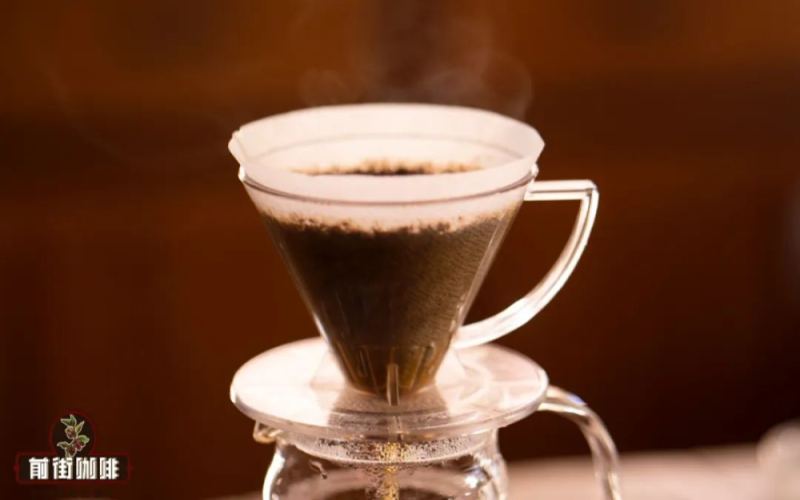
Five Common Misconceptions When Learning Pour-Over Coffee on Your Own: A Comprehensive Analysis from Brewing Logic to the Golden Cup Extraction
On the journey of learning pour-over coffee on your own, information is scattered and channels are many. Without guidance, it is easy to fall into certain deep-rooted misconceptions. Today, Front Street Coffee will sort out five of the most common "knowledge minefields" for everyone: from blindly pursuing brewing techniques and confusion over bloom timing, to judging freshness by the dome, using flow cutoff to avoid bitterness, and then to excessive superstition about the Golden Cup extraction. These misconceptions may seem minor, but they directly affect your understanding of extraction principles and the final presentation of flavor. Only by clarifying the underlying logic and understanding the interactive relationship among water temperature, grind size, and coffee-to-water ratio can you truly master different brewing methods and let every bean release the brilliance it deserves. [more…]
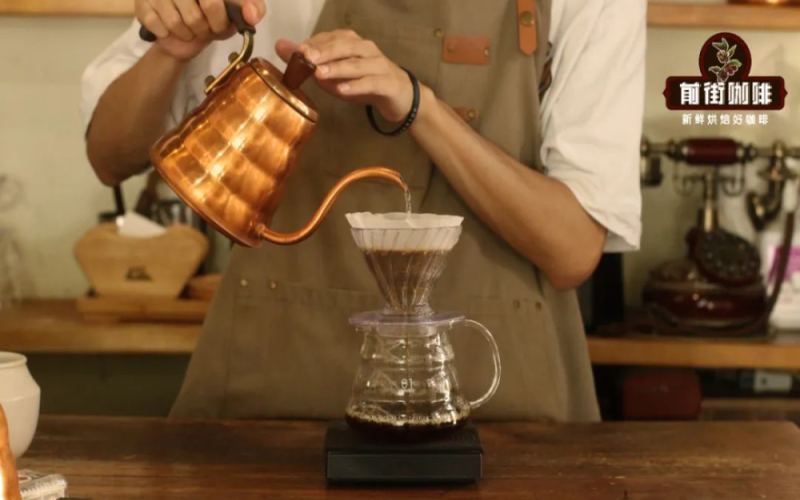
Avoid these pour-over coffee self-learning pitfalls, and only then will your brewing skills improve steadily.
Pour-over coffee, with its clean flavor, low barrier to entry, and flexible operation, has attracted a large number of enthusiasts to teach themselves at home. Although there are many tutorials online, they are often scattered and lack a systematic structure, causing many people to unknowingly fall into pitfalls during practice. From parameter control to bloom timing, from observing the "hamburger" to the direction of circling, and then to the timing of flow cutoff and the trade-offs of the Golden Cup theory, every step can affect the final flavor. This article sorts out six common misconceptions in self-taught pour-over brewing, analyzing them one by one based on practical brewing experience, to help you avoid detours on your self-learning journey, truly understand the essence of extraction, and thereby brew a cup of coffee that satisfies you. [more…]
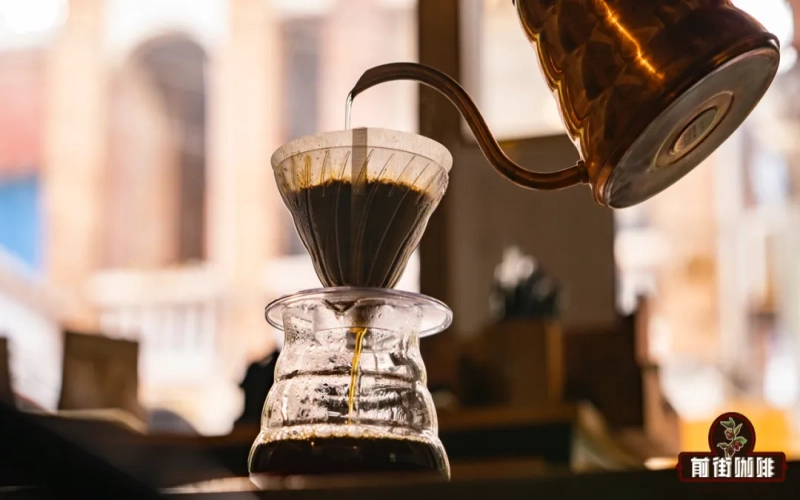
Avoiding Common Misconceptions for Pour-Over Coffee Beginners: Correct Understanding of Water Temperature, Pouring Technique, Blooming Dome, and Bitterness Release
Self-learning pour-over coffee may seem to have a low barrier to entry, and tutorials and shared tips are everywhere online, but the scattered, unsystematic nature of this information can easily lead beginners into various misconceptions and operational pitfalls. This article compiles the frequently asked questions Front Street Coffee has recently received, covering common myths one by one: understanding extraction parameters, the habit of washing the coffee bed wall while pouring, the pros and cons of pouring from a high position, whether a lack of blooming means the beans are not fresh, and whether bitterness is only released in the final phase. Whether you are just starting out with pour-over or have been brewing for a while but still find the flavor falls short of expectations, you can use this to check yourself, avoid these easily stumbled-into traps, and make your extraction more stable and your coffee taste better. [more…]
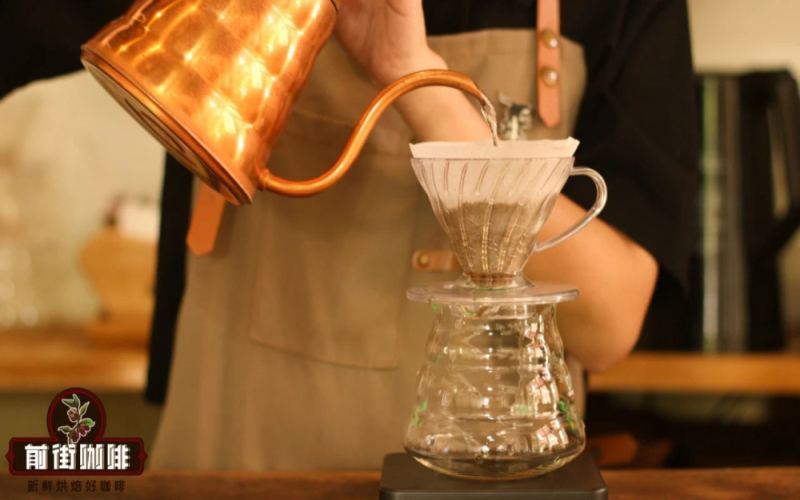
Why Is the Pourover Coffee Grounds-to-Water Ratio Commonly 1:15? A Professional Interpretation from Golden Cup Extraction to Practical Parameters
The coffee-to-water ratio for pour-over is a core question every enthusiast will face. Where exactly does the 1:15 ratio come from? Does it truly conform to the SCA Golden Cup extraction standard? Starting from Front Street's daily brewing practice, this article first clarifies two basic concepts—the coffee-to-water ratio and the water absorption rate of coffee grounds—then, combined with the Golden Cup extraction chart, analyzes the difference between the ideal range and actual output, explaining why 1:15 has become a stable and conservative choice. At the same time, the article also discusses whether tail-end truncation is necessary, and how ordinary enthusiasts should view this operation. [more…]
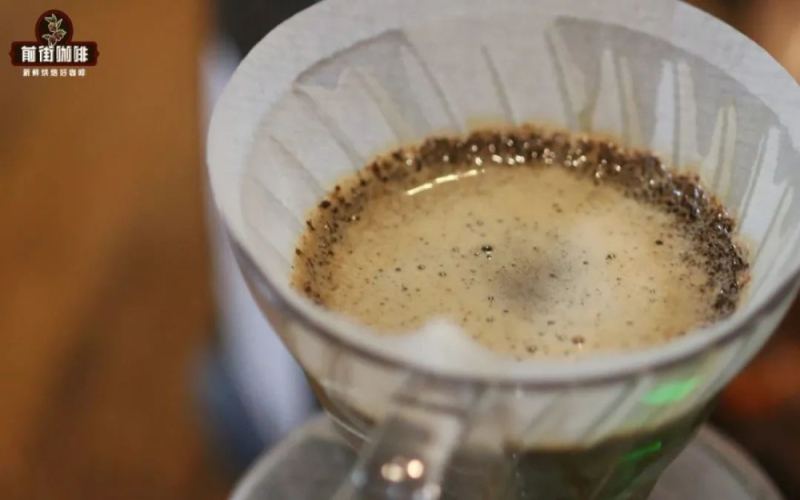
Three key time points for judging whether water accumulation will occur during the pour-over brewing process
One of the most frustrating problems in pour-over coffee is water pooling. Once clogging occurs in the final stage of brewing, the coffee's flavor often turns bitter and undrinkable. In fact, before the pouring is finished, there are several time windows where you can predict in advance whether pooling will happen. As long as you master these judgment methods, you can adjust your pouring strategy in time and avoid ending up in a passive position. This article will focus on three key time points—the degree of bloom expansion, the foam performance during pouring after the bloom, and the speed at which the water level drops before the final pour—to explain one by one how to identify the risk of pooling and give corresponding countermeasures. It will also introduce the ultimate solution when all methods fail—flow cutoff—and how to deal with the problems of overly high coffee concentration and missing flavor after flow cutoff. [more…]
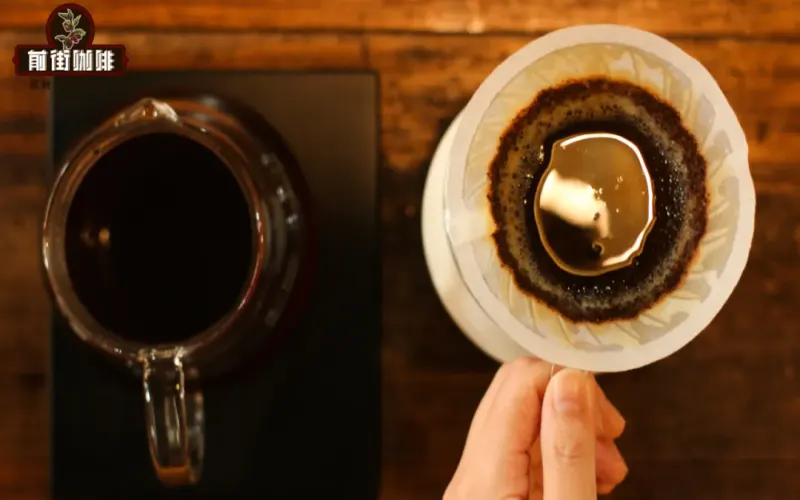
A Complete Guide to Bypass Brewing in Pour-Over Coffee: The Difference Between Coffee-to-Water Ratio and Coffee-to-Beverage Ratio, and When to Use Bypass Correctly
In the practice of pour-over coffee, "cutting off" the brew is a technique that is often mentioned. Many enthusiasts believe that the tail-end coffee liquid carries bitterness, and so habitually remove this portion at the end of brewing. However, cutting off the brew is not a universal key—improper use can instead destroy the coffee's complete flavor. From the perspective of Front Street, this article takes a deep dive into the dissolution patterns of bitter substances, explains why the tail end does not produce negative flavors under reasonable parameters, and distinguishes in detail between the two concepts of coffee-to-water ratio and coffee-to-liquid ratio, while also sorting out the two scenarios in which cutting off the brew truly applies—actively incorporating the cutoff into the brewing framework, and being forced to cut off due to clogging. By understanding these principles, coffee enthusiasts can use the cutoff more scientifically and improve their brewing quality. [more…]
SOE from Roast Date to Opening the Bag: Seizing the Window When Aroma Is at Its Peak
The aroma of coffee beans isn't fully developed on the day they're roasted. After SOE is bagged, it continues to release carbon dioxide; in the first few days it smells very lively, yet during extraction it may expand too quickly and the flow rate can be erratic. Understanding the relationship between the roast date, the opening date, and the drinking timeline is more important than just looking at the shelf life in determining whether the cup is clear and sweet. [more…]
From roast date to opening date: planning the drinking clock for espresso blend beans
Espresso blend beans begin a period of change from the moment roasting is complete: in the early stage they release a large amount of carbon dioxide, in the middle stage the aroma and extraction gradually open up, and in the latter stage they slowly lose their vibrancy. When beginners choose beans, they don't need to treat "the closer to the roast date, the better" as a rule; instead, they should let the dates of arrival, opening the bag, and finishing the beans fall within a suitable flavor window. [more…]
How to Deal with Clogging and Water Pooling in Pour-Over Coffee? Three Key Signals to Watch for When Brewing Light Roast Beans
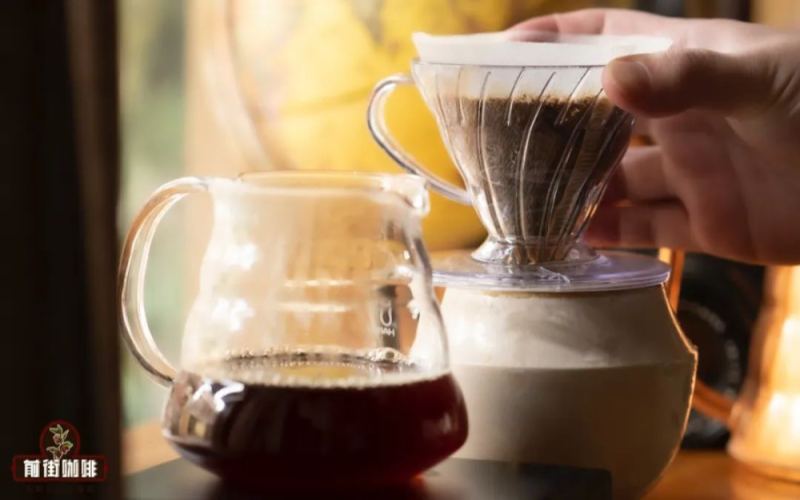
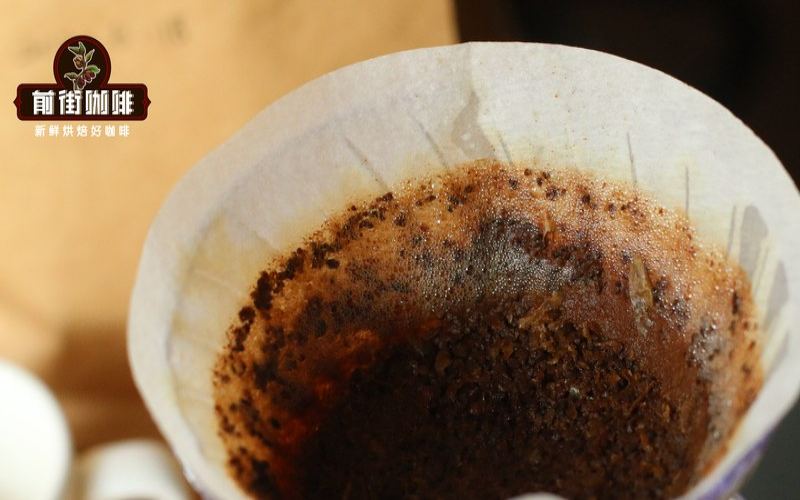
During pour-over brewing, when fine particles clog the filter and drainage slows down, you often have no choice but to cut off the flow as an emergency measure—but if you're even slightly late, the bitter, over-extracted taste ruins the entire cup. Rather than reacting passively, it's better to anticipate the clog before it happens. Drawing on the characteristics of light-roasted beans, Front Street Coffee shares how to judge whether water will pool during brewing based on three aspects—the degree of expansion during blooming, the foam behavior, and the rate at which the water level drops—and offers corresponding adjustment techniques to help you reduce the negative impact when a clog occurs, while also getting to the true root of the problem. [more…]
Bialetti Moka Pot Body: How to Arrange the Beans from Roasting to Cup
When coffee brewed with a moka pot has a layer of fine bubbles on its surface, it is often called crema. It is not the same as the crema of espresso; rather, it is foam formed together by carbon dioxide, coffee oils, and fine particles that hot water carries out as it passes through the coffee bed. The freshness of the beans directly affects the amount, fineness, and dissipation of this layer of foam. [more…]
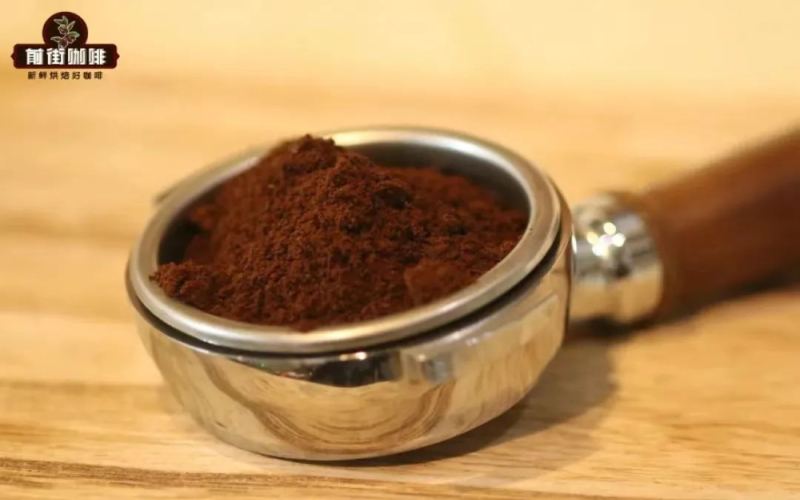
Does Espresso Need Pre-Infusion? Analyzing the Role, Timing, and Parameter Adjustment of Pre-Infusion
Does the bloom in pour-over coffee have a significant impact on flavor? Does espresso also require a similar step? In fact, there is no such thing as blooming in espresso, but in recent years pre-infusion has gradually become an important part of the extraction process. This article starts from the traditional approach to stable espresso extraction, analyzes the extraction fluctuations caused by the shortened resting period of coffee beans, and then explains in detail the three core functions of pre-infusion: releasing active gases, reducing the probability of channeling, and broadening the ways to adjust extraction. It will also explain how to judge manual pre-infusion, and that there is no fixed standard for pre-infusion duration—it needs to be flexibly adjusted according to the resting condition and grind ratio. [more…]
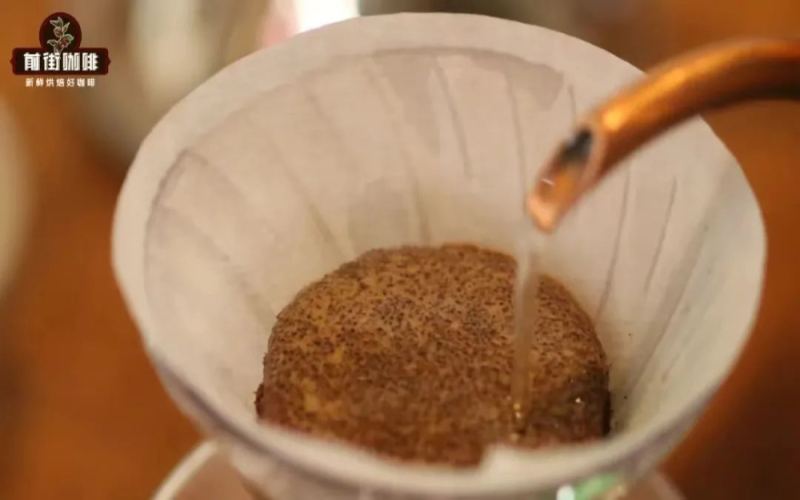
Five Common Operational Mistakes in Self-Learning Pour-Over Coffee, Analyzed One by One by Front Street Coffee with Correct Practices
In the process of learning pour-over coffee on their own, many enthusiasts unconsciously develop some not-so-correct operating habits. Front Street Coffee has summarized the five most common misconceptions: the choice of the starting point for bloom timing, imitating baristas in swirling and pouring water, mistakenly believing that a small stream is the most stable, using a large stream to wash down the coffee bed at the end, and removing the dripper before the coffee liquid has finished draining. These practices may each seem reasonable, but in fact they all have a negative impact on the final flavor. This article will analyze the principle behind each misconception one by one, explain why these operations cause problems, and give the correct alternatives recommended by Front Street to help everyone establish more scientific and more stable brewing habits. [more…]
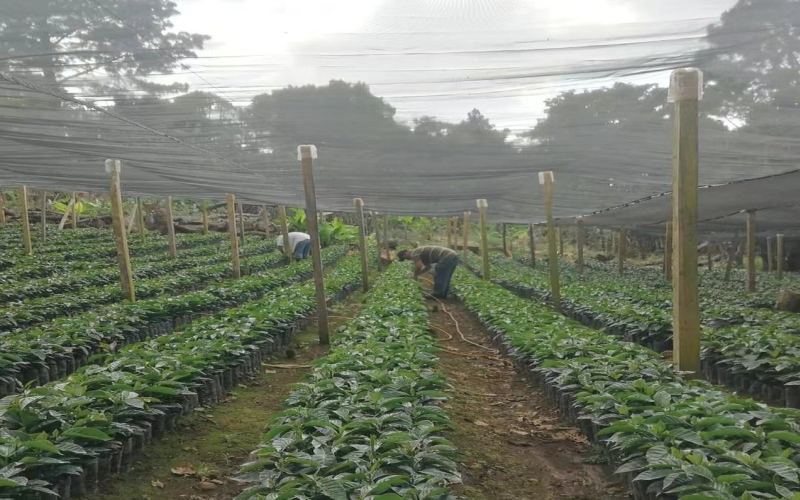
The Flavor Countdown in the Bean Hopper of a Fully Automatic Coffee Machine
From the moment coffee beans finish roasting, their aroma is constantly changing. Right after roasting, they contain more carbon dioxide, then they enter a stage where the aroma opens up and the sweetness becomes clear, before gradually leveling off. Although fully automatic coffee machines are convenient to operate, when the beans go into the hopper still affects the crema, intensity, and aroma in the cup. On the packaging [more…]
After the roast date, blends and SOE each have their own drinking calendar.
After coffee beans leave the roaster, they continue to release carbon dioxide, and their aromas are still in a phase of recombination. Freshly roasted beans do not necessarily mean better taste right away: when there is too much gas, espresso can be erratic, and the pour-over coffee bed will visibly puff up. Understanding the changes after the roast date makes it easier to plan out the drinking rhythm for a bag of beans. [more…]
When to drink washed coffee beans after buying them home for the best flavor
The crispness, floral notes, and fruity acidity of washed coffee beans often need the right fresh stage to be expressed. Freshly roasted beans do not reach their peak right away; brew them too early and the aroma may dissipate while the acidity tends to taste sharp; leave them too long and the brightness in the cup gradually fades. When buying beans, the roast date matters more than the vague [more…]
From opening the bag to peak flavor for sun-dried beans, plan your drinking rhythm like this
The aroma of sun-dried coffee beans often comes through vividly, with berry, tropical fruit, floral, and fermented sweetness notes easily detectable when the bag is opened. However, freshly roasted beans do not necessarily reach their ideal state right away. After roasting, the bean mass continues to release carbon dioxide, and when there is too much gas, hot water struggles to penetrate the coffee bed evenly, and the cup may present [more…]
Coffee Grinder Brand Recommendations | Does a Larger Grind Setting on a Coffee Grinder Mean Finer Powder? Is There a Difference in Grind Size Between Strawberry Candy Geisha Blend and Golden Mandheling Coffee?
Coffee beans need to be freshly ground to fully appreciate their aroma, which shows how important grinding is for coffee beans. When grinding, many people have a misconception—namely, which setting they should choose. Generally, the largest number means a coarser grind, and the smallest number means a finer grind. However, every coffee machine, during assembly, transportation, and [more…]