







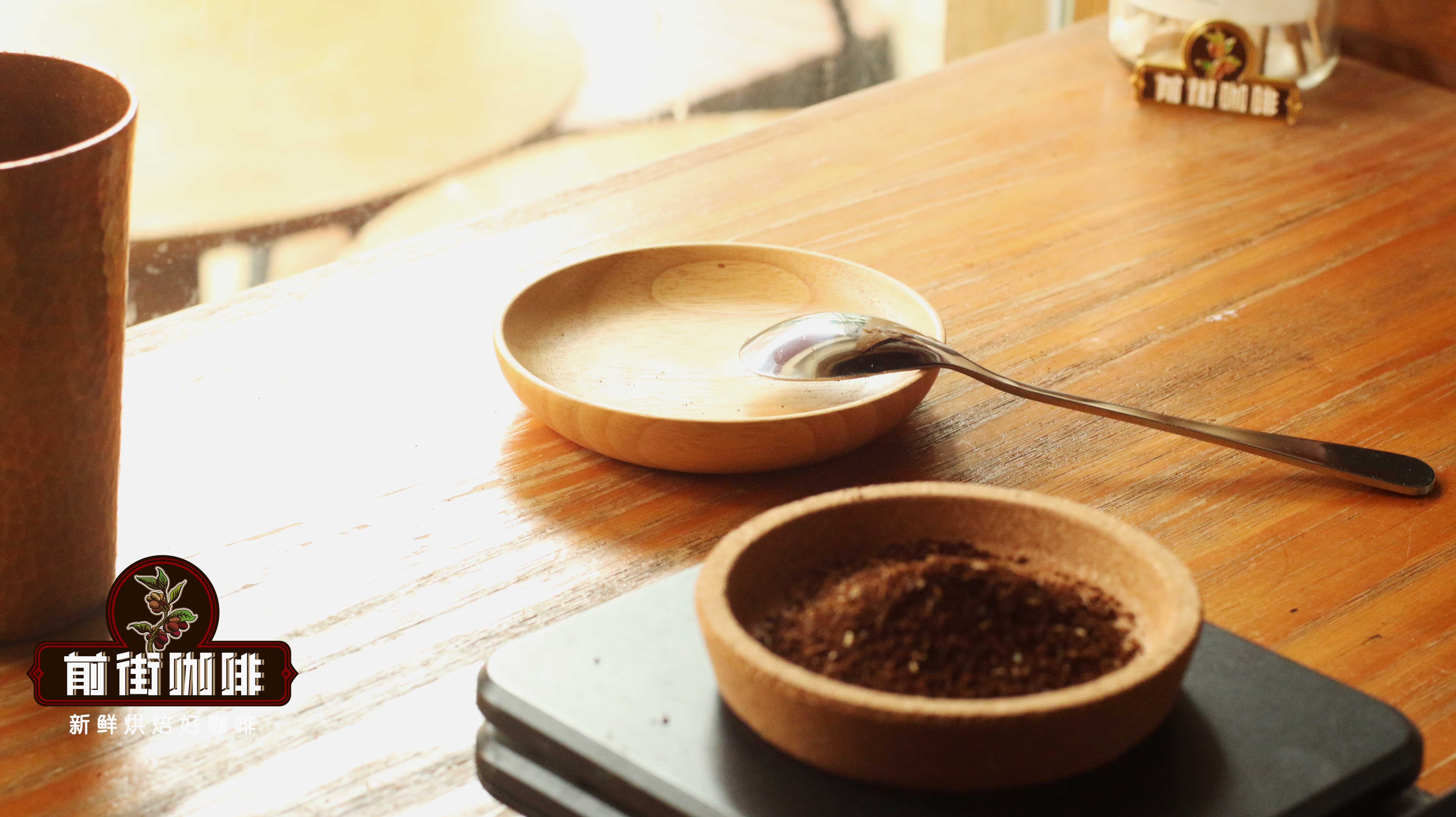
Coffee beans need to be ground fresh to fully appreciate their aroma, which shows just how important grinding is for coffee beans. When grinding, many people have a misconception—namely, which setting they should choose. Usually, the larger the number, the coarser the grind, and the smaller the number, the finer the grind. However, every coffee grinder differs in assembly, transport, use, and maintenance. Even with the same brand and model of grinder, the same setting can produce grounds of two different sizes.
Coffee grind size is a hurdle everyone has to get past. Based on Front Street Coffee's answers to so many friends' questions, more than half of the cases of poor brewing come down to problems with grind size.
Why does coffee need to be ground?
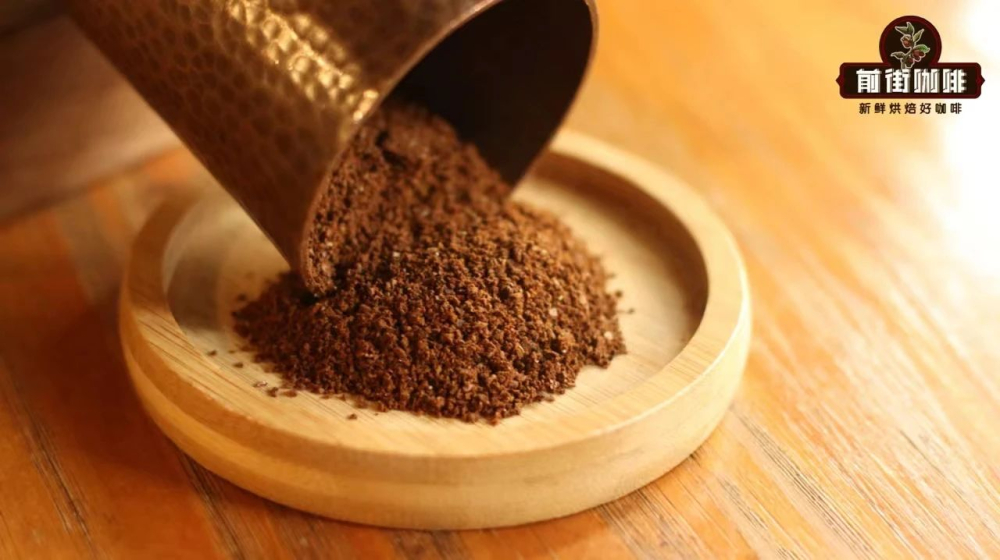
Friends who don't usually know much about coffee may still think of coffee as instant coffee, but the coffee you can buy in cafés now is basically brewed from freshly roasted coffee beans that have been ground, and it has grounds. Coffee needs to be ground into powder before brewing because this releases coffee compounds much faster than brewing whole beans.
The finer the grind, the larger the surface area of the coffee particles, and the faster the coffee compounds are released.
How coarse? How fine?
As mentioned before, pour-over coffee is a filtration-style extraction. If the coffee is ground too fine, the coffee grounds block the water from passing through. On one hand, a fine grind releases compounds more easily; on the other hand, the water drains more slowly, so the brewing time is longer. This makes the coffee prone to over-extraction, resulting in a heavier taste, stronger bitterness, stronger acidity, and an easily astringent flavor.
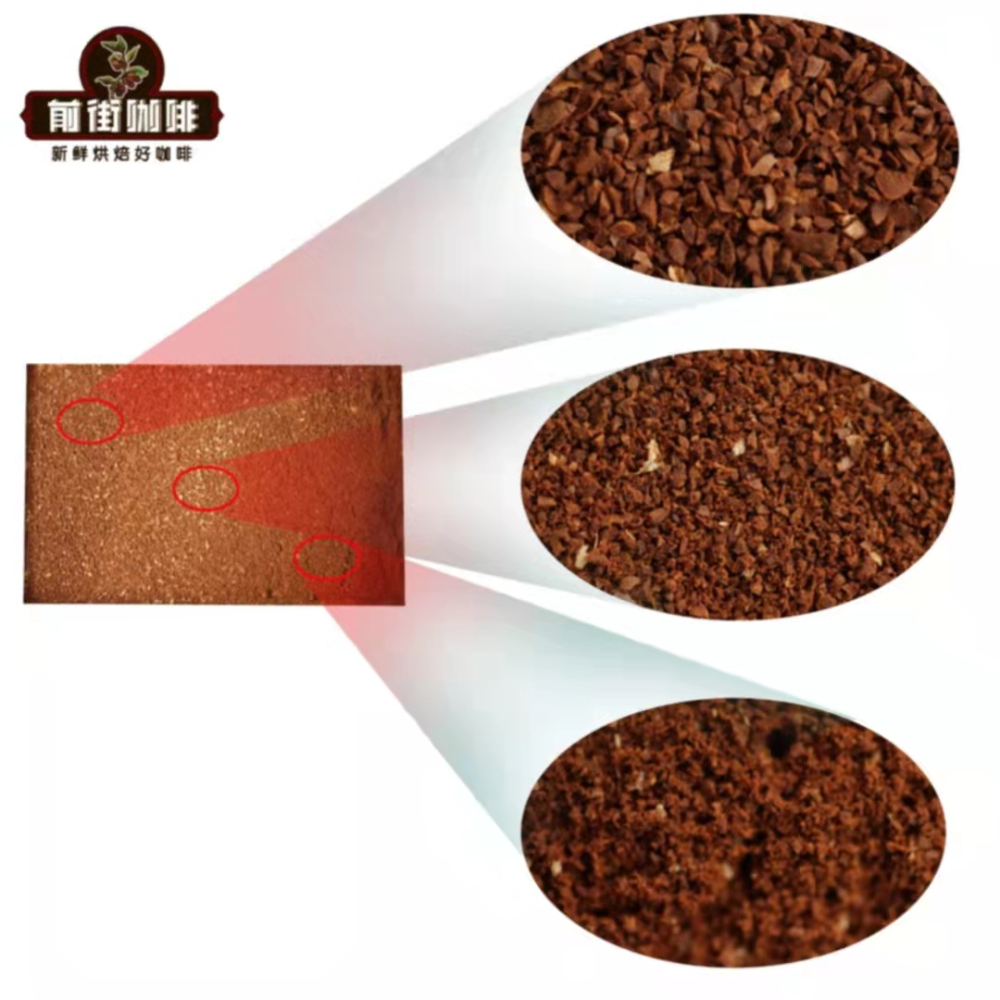
If the grind is too coarse, the gaps between the coffee particles are also larger. On one hand, a coarser grind releases coffee compounds more slowly; on the other hand, the water drains faster. This makes the coffee prone to a lighter body, weaker bitterness, weaker acidity, fewer off-flavors, and a clean, bright cup.
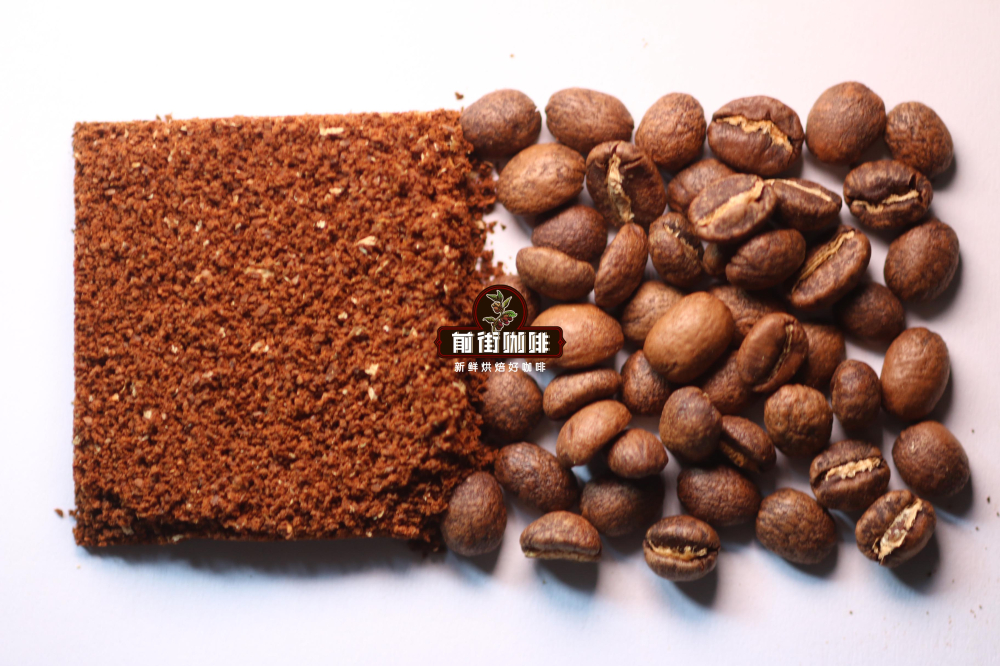
Therefore, a grind size suitable for pour-over needs to balance particle size and drainage speed. Generally, the extraction time for 1–2 servings of pour-over coffee is controlled at around 2 minutes. According to the SCA cupping grind calibration standard (cupping grind requires a 70–75% pass-through rate on a No. 20 sieve), pour-over grinding is required to be finer than cupping grind. Therefore, the pour-over grind size is a 75–80% pass-through rate on a No. 20 sieve. This grind setting can be roughly understood as what major shops call fine pour-over grind.
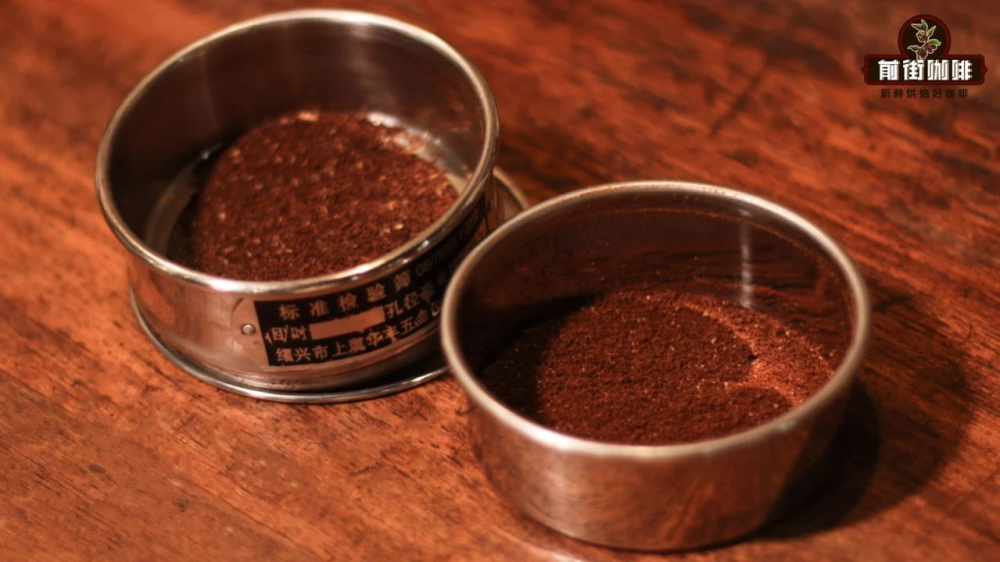
One drawback of No. 20 sieve calibration is that it can only separate coffee particles larger than 0.85 mm from those smaller than 0.85 mm. As for how the various particle-size ranges below 0.85 mm are distributed, it cannot distinguish them. We generally consider the ideal pour-over grind particle size to be between 0.6 and 0.8 mm—that is, the larger the proportion of coffee grounds in this range, the better. Therefore, if your budget allows, you can buy several sieves with different mesh sizes.
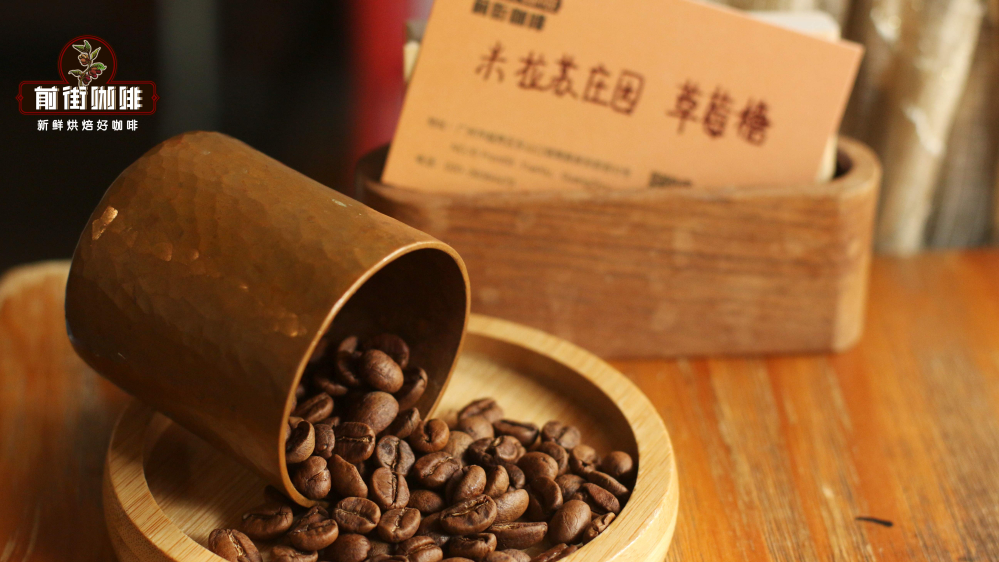
Take our two coffee beans as examples. Front Street Coffee's Strawberry Candy coffee beans, a medium roast, need to be ground to a fine granulated sugar consistency for hot pour-over, corresponding to an 80% pass-through rate on a No. 20 sieve; Front Street Coffee's Golden Mandheling coffee beans, a dark roast, need to be ground to a coarse granulated sugar consistency for hot pour-over, corresponding to a 70% pass-through rate on a No. 20 sieve.
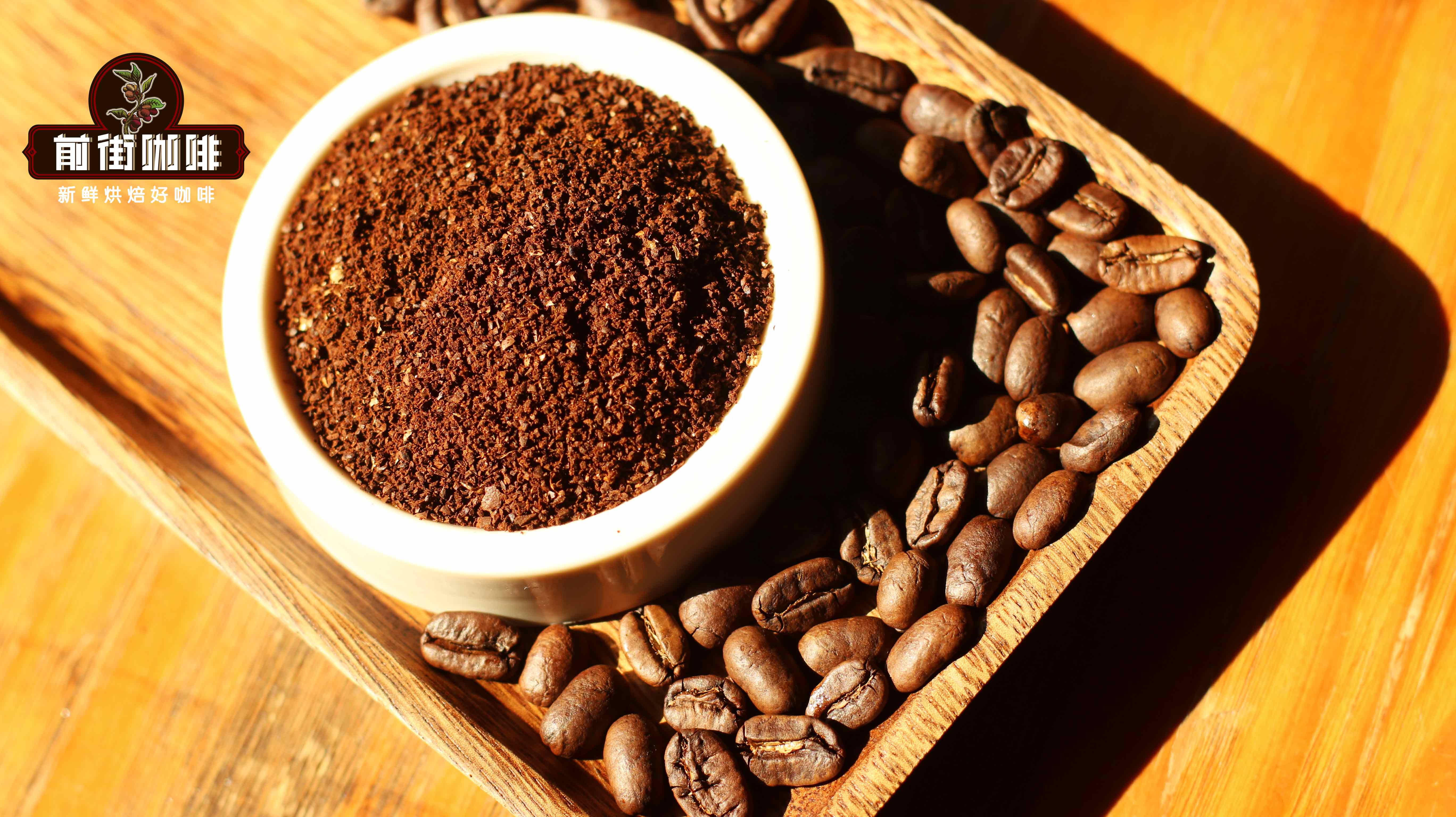
Particles smaller than 0.3 mm are called extra-fine particles. An appropriate amount of fine particles can enrich the coffee's flavor, but too many extra-fine particles will seriously affect the coffee's flavor. As for how to define this threshold, Front Street Coffee considers 7% as the cutoff (there is no absolute value).

Perhaps we can still rely on experience to judge
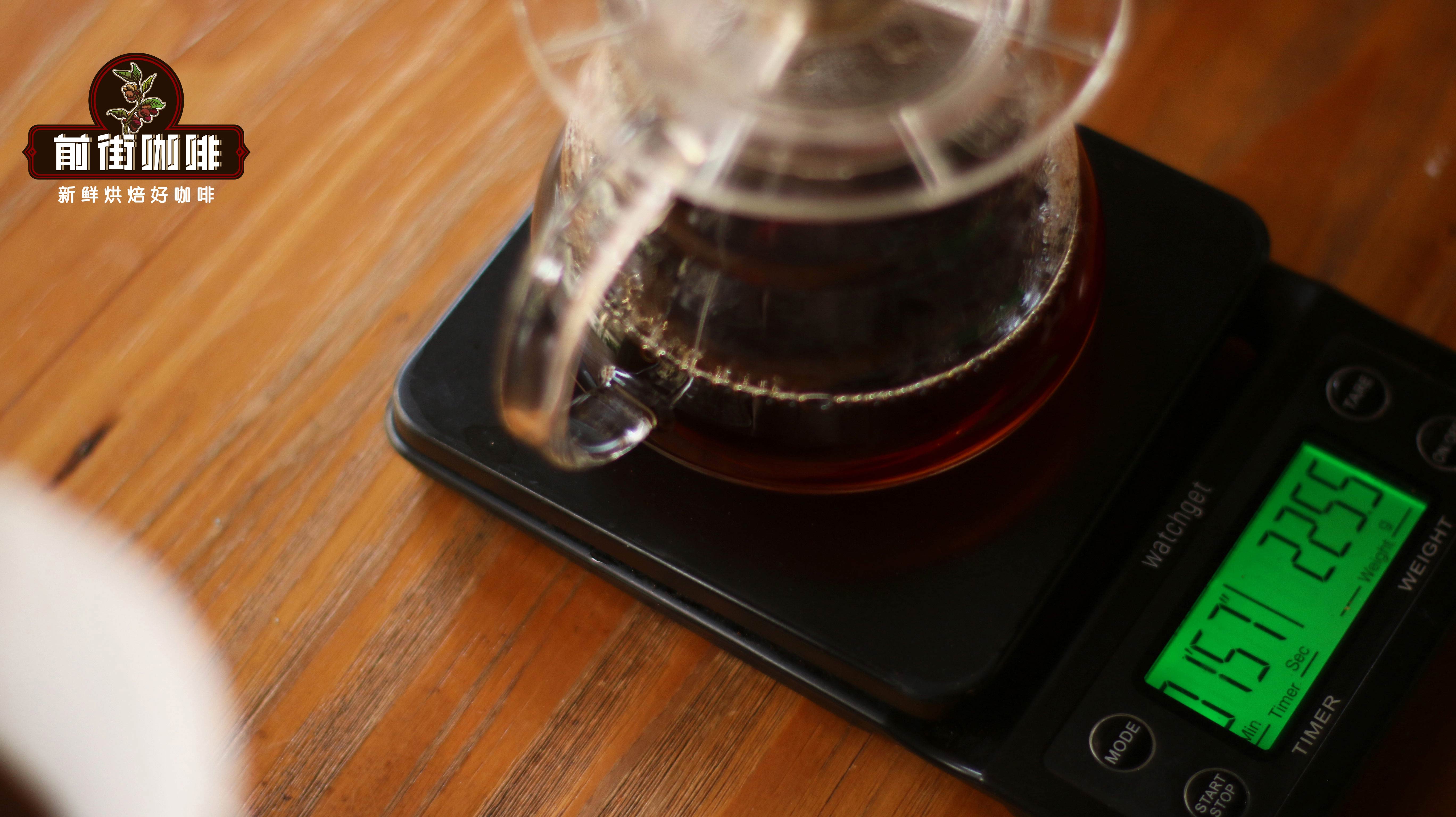
Of course, in addition to judging coffee grind coarseness through data, we can also judge whether the grind is appropriate based on the coffee brewing process. First, brewing time can provide a reference for grind coarseness. According to Front Street Coffee's brewing parameter standards, the normal extraction time for 1–2 servings of coffee is about 1 minute 50 seconds to 2 minutes 10 seconds. If the grind is too fine, the extraction time will be prolonged; if the grind is too coarse, the extraction time will be shortened. In this way, you can make an initial judgment about whether the coffee grind is appropriate based on extraction time.
You can also observe the water flow rate through the coffee bed during brewing. Under normal circumstances, the coffee bed descends at a steady, slow rate. If you find that it descends quickly, the grind may be too coarse; if it descends more and more slowly, or even clogs, then the grind may be too fine or there may be too many fine particles, and the bottom of the coffee bed will appear muddy.
The above content is compiled by CoffeeHunters, a coffee news website.


