







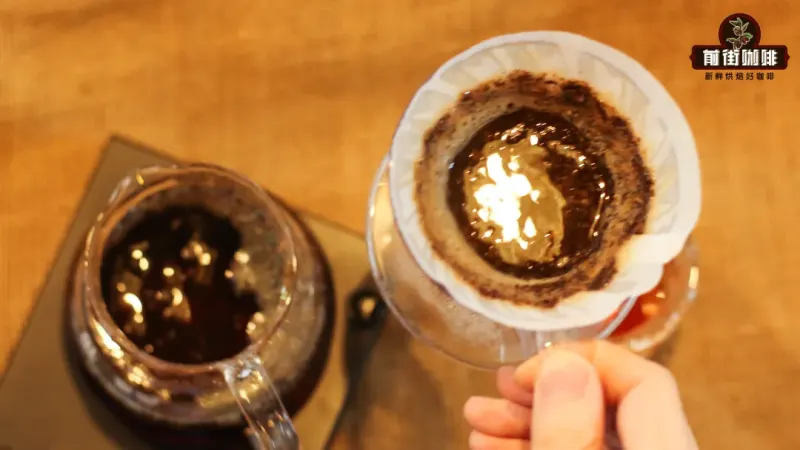
Why Are Coffee Enthusiasts Trying Double Cutoff?
Double cutoff is a pour-over technique that removes two portions of liquid instead of one: the coffee that seeps out during the bloom is discarded, along with the usual tail end of the brew. A World Coffee Championship competitor used this approach, which is said to curb acidity and bitterness while boosting sweetness, and bloggers who copied it reported that it works.
The theory rests on dissolution rates: sour-tasting molecules are the smallest and dissolve fastest, sweet compounds follow, and bitter molecules are the largest and slowest, which is why bitterness dominates the end of extraction. Cutting both the first and last portions of liquid can therefore lower sourness and bitterness while lifting sweetness. Front Street tested this with a Kenya coffee, comparing liquid weight, flavor, and mouthfeel against regular brewing.
In pour-over coffee, flow cutoff usually only appears at the end of extraction, with the goal of avoiding unpleasant flavors. But at last year's World Coffee Championship, a competitor tried "double cutoff"—in addition to cutting off the tail end, he also removed the coffee liquid from the blooming stage. It is said that this approach can reduce acidity and bitterness while enhancing sweetness, and many bloggers who replicated it reported that it really works. From Front Street's perspective, this article combines dissolution rate theory to analyze the feasibility of this operation, and uses Front Street Kenya Small Tomato to conduct comparative experiments between regular brewing and double cutoff, recording differences in liquid weight, flavor, and mouthfeel for coffee enthusiasts' reference.
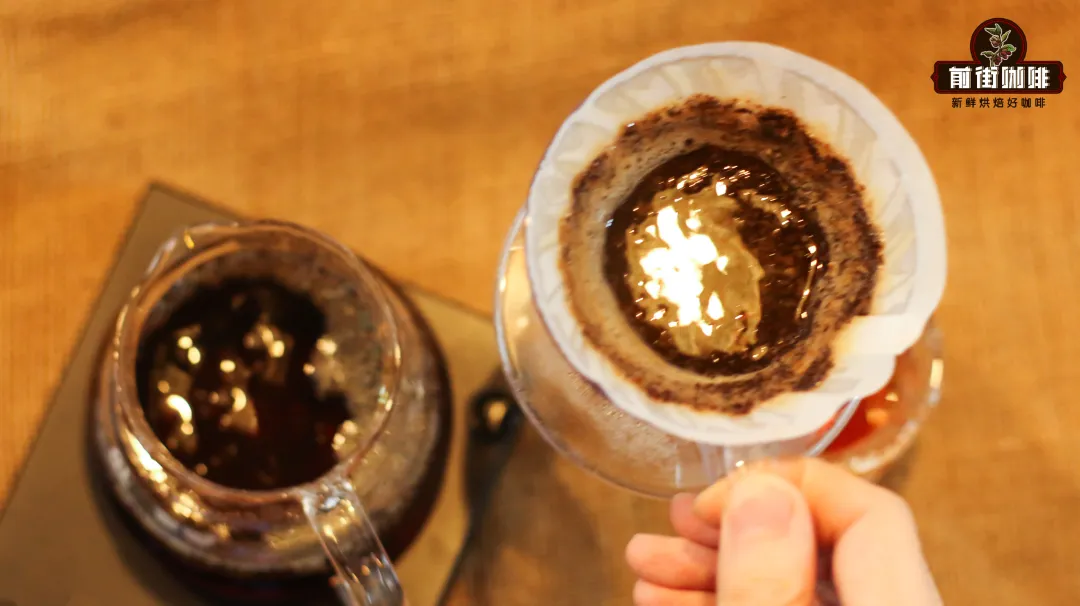
The core purpose of flow cutoff is to avoid those unpleasant negative flavors, so that the final coffee tastes and feels better. The conventional approach only cuts off the flow at the end of extraction. However, at last year's World Coffee Championship, a competitor adopted a "double cutoff" technique. What exactly is that? Simply put, he performed two cutoffs in the same brew: in addition to the usual cutoff at the end, he also discarded the coffee liquid that seeped out during the first blooming stage.
Reports say this operation not only weakens the coffee's bitterness, but also lowers acidity, making sweetness more prominent. Many bloggers who replicated it also agreed with this claim after trying it themselves, saying the brewed coffee had strong sweetness and a clearer flavor profile. So many coffee enthusiasts became intrigued and wanted to try this technique themselves to see what kind of cup it would produce. From a theoretical perspective, this really can effectively reduce acidity, because the dissolution rate of flavor substances in coffee is closely related to molecular size.
Sour-tasting molecules are the smallest and dissolve the fastest, so they are released in large amounts right at the beginning of brewing; sweet-tasting molecules come next; bitter-tasting molecules are the largest and dissolve the slowest. So even if sweet and sour substances have already fully dissolved, bitter components may still not have been completely released. This is also why bitterness tends to account for the highest proportion at the end of extraction. According to this logic, cutting off the first and last portions of the coffee liquid can indeed effectively reduce sourness and bitterness, thereby enhancing sweetness. But is coffee brewed this way really good?
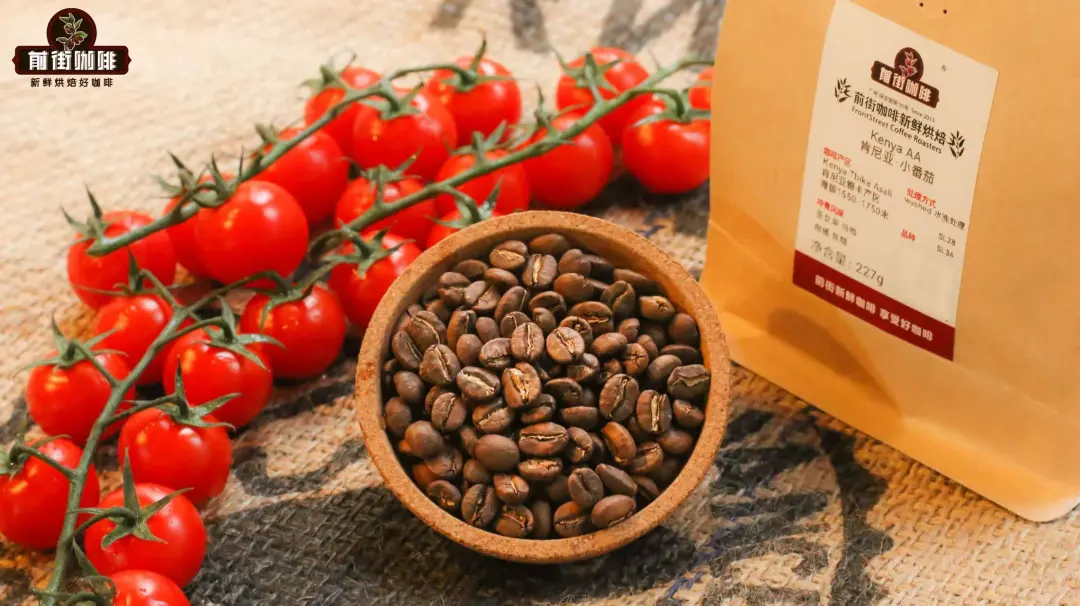
Today Front Street will test it for everyone and see whether this "double cutoff" can really make coffee taste better. Brewing Share Since it is said to reduce acidity, Front Street chose a bean famous for its full-bodied sweet-and-sour profile this time—Front Street Kenya Small Tomato.

Front Street Kenya Small Tomato is a medium-light roasted Kenyan bean, with the classic Kenyan varieties SL28 and SL34, and it is processed using the traditional Kenyan washed method. The coffee brewed with it has very typical Kenyan-style acidity and aroma of small tomato and smoked plum, which is very appealing. This time Front Street will brew two pots of coffee for comparison: one brewed with conventional methods and parameters, and the other using double cutoff, to see exactly what kind of gap the two will show. The parameters are as follows.
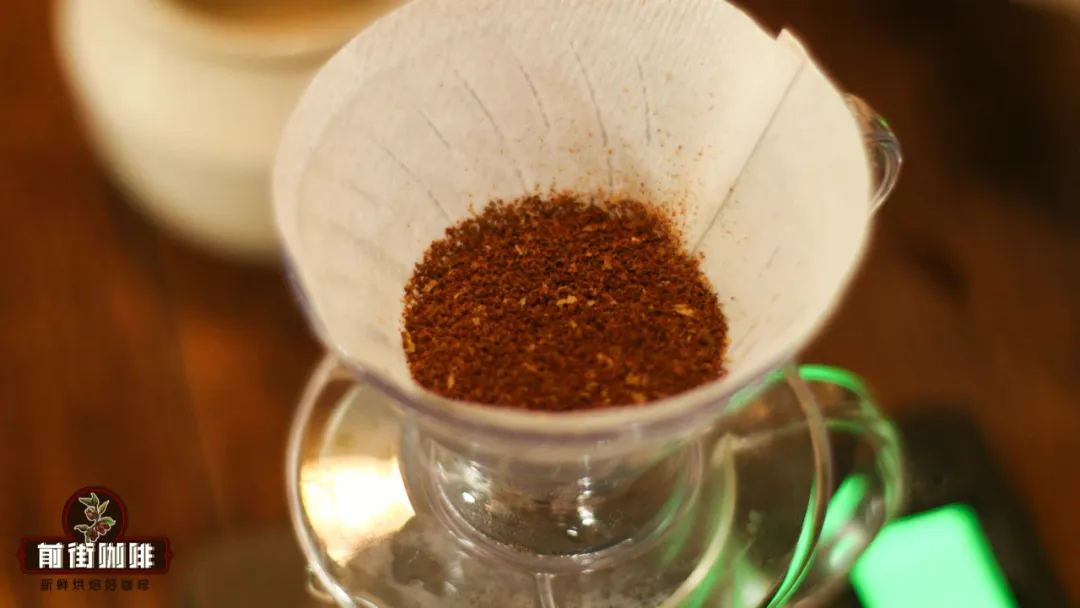
Conventional brewing parameters: 15g dose, 1:15 coffee-to-water ratio, grind size with 75%–80% passing through a No. 20 sieve, water temperature 92°C, V60 dripper, three-pour brewing. "Double cutoff" brewing parameters: 15g dose, 1:15 coffee-to-water ratio, grind size with 80% passing through a No. 20 sieve, water temperature 93°C, V60 dripper, three-pour brewing + "double cutoff." Conventional brewing has been shared many times, so here Front Street will only introduce the brewing process with "double cutoff" added. First, bloom with water at twice the coffee dose for 30 seconds.

After the bloom ends, pour the coffee liquid that dripped during the bloom into another cup, then tare the electronic scale to zero, and use a medium flow to pour the second stage of hot water in a large circular motion, totaling 120ml for this stage.
After the second stage of water is poured, switch to a smaller flow and pour the third stage of hot water in a small circular motion, totaling 75ml for this stage. When the hot water is almost finished draining, remove the dripper, cut off the flow, and brewing is complete.
The final liquid weight of the conventionally brewed Front Street Kenya Small Tomato was 197ml, and it tasted of full-bodied small tomato and smoked plum acidity, with prominent sweetness, a yellow sugar-like aroma, and a finish of oolong tea and black plum flavors. The overall mouthfeel was rich and full, with a lasting sweet aftertaste, performing quite well. The pot with double cutoff added had a final liquid weight of 176ml, 21ml less than the former. Although there was not much difference in appearance, once you taste it you will find the difference is quite obvious.
As bloggers everywhere have said, the coffee brewed this way indeed has outstanding sweetness. Compared with the regular version, the acidity is noticeably lower, and the bitterness is also much weaker. In terms of strength, there is not much difference when drinking it, but the flavor direction is slightly different. Because the sweetness is higher, the flavors tasted lean more toward the sweeter tomato and fruit notes, which could be called another style. In the above brewing, Front Street only removed the bloom liquid and a small amount of coffee liquid from the tail end from the original recipe, without making major adjustments. Even so, the coffee already showed very significant differences. This shows that the "double cutoff" approach has great potential and is worth further exploration.
So if you are interested, you might as well try this brewing method, paired with different pouring techniques and parameters, and perhaps you can brew a cup of coffee with a unique style.
Of course, before brewing you can prepare a clean cup and keep the removed coffee liquid. If you find the coffee brewed with double cutoff not to your taste, you can also pour these coffee liquids back in and mix them together again, so that you can get a normally delicious cup of coffee.
- END -
The above content is compiled by CoffeeHunters, a coffee news website.


