







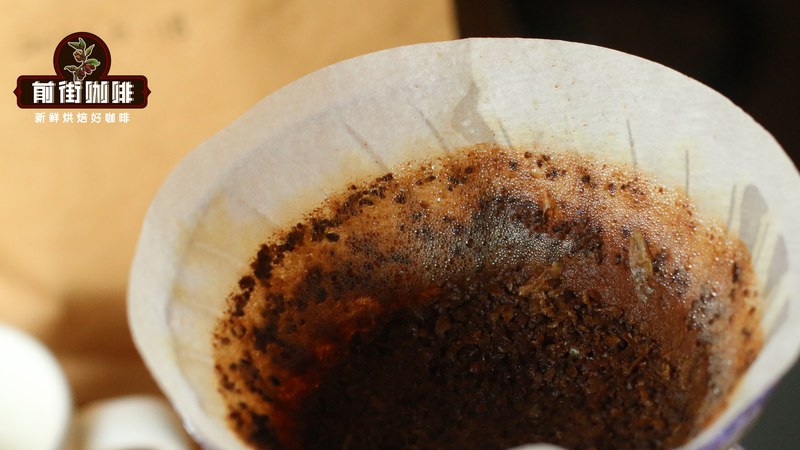
When coffee brewed in a moka pot develops a layer of fine bubbles on its surface, it is often called crema. It is not the same as the crema of espresso; rather, it is foam formed by carbon dioxide, coffee oils, and fine particles carried out as hot water passes through the coffee bed. The freshness of the beans directly affects the amount, fineness, and dissipation speed of this foam layer.
Freshly roasted coffee beans still hold a large amount of gas inside. If you grind and brew them immediately, the coffee bed tends to expand quickly, and the water flow may become unstable. The cup may look rich in foam, but the flavor is not necessarily harmonious, often carrying a sharp roasted note. After the beans have had time to release gas, the sweetness, aroma, and body of the coffee usually come together more easily.
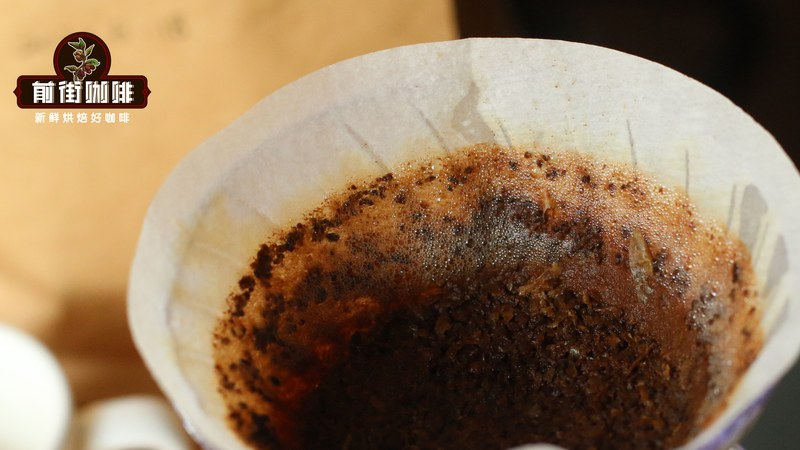
The peak flavor window can be understood as a period when the beans' flavor expression is relatively complete, rather than a hard cutoff date on the packaging. The roast date is more useful as a reference than looking only at the shelf life; when buying, prioritize products with a clear date and packaging with a one-way degassing valve. After opening the bag, drink it several times in a row and observe changes in aroma, sweetness, and foam, and you will gradually find the right state for that particular bean.
When used in a Bialetti moka pot, medium-dark roasted beans usually begin to enter a more cooperative stage five to ten days after roasting, and from seven to more than twenty days they often maintain good concentration and aroma. Darker beans can be tried a bit earlier, while lighter beans often need a longer degassing time. The specifics still depend on the roasting method, packaging, and your home grinding equipment.
If you want to start from a low-acidity, full-bodied direction, you can look at Front Street PWN Indonesia Golden Mandheling. Its herbal notes and dark chocolate character form a clear profile relatively easily in a moka pot, with a weighty mouthfeel, making it suitable for adding hot water directly to make a rich black coffee. Start tasting about a week after roasting; if it still feels sharp on the palate, compare again after another two or three days.
For those who enjoy nutty and sweet aromas, Front Street Brazil Queen's Estate is a good choice. In a moka pot, it easily presents a rounded feel of roasted nuts, cocoa, and syrup, with acidity that does not steal the spotlight, making it suitable for drinking directly at breakfast or with a small amount of milk. It is recommended to portion it out and take some each day, noting which day after opening it is, so you can find your preferred flavor window.
After coffee beans are opened, air, light, heat, and moisture all accelerate the loss of aroma. For short-term consumption, store them in a dark, dry, cool place, using a container with a sealing ring, and close it tightly as soon as possible after taking out beans each time. Do not keep the beans long-term in a transparent jar, next to the stove, or by the refrigerator door; the temperature differences bring moisture that can cause condensation on the bean surface and inside the container.
The capacity of a bag of beans should also match your own drinking speed. If you only brew a small pot each day, you can choose small packaging and finish it within one to two weeks after opening; if several people at home drink it, you can portion it according to a week's usage. If you need to freeze it for storage, seal it in small portions all at once when the beans are in a suitable state, take out the whole bag when using, and avoid repeatedly putting it in and out of the refrigerator, where it can absorb moisture and odors.
To judge whether a bean has reached the stage suitable for a moka pot, you do not have to look only at how thick the foam is. First smell the dry aroma, then observe whether the flow is smooth, and finally wait until the coffee drops to a palatable temperature and taste it. Foam that disappears quickly but has clear sweetness does not necessarily mean the state is bad; a lot of surface foam accompanied by a pungent smoky smell and obvious dry bitterness means it still needs time or extraction adjustments.
In daily practice, you can use the same bean to establish your own drinking rhythm: try a cup on the seventh day after roasting, then compare again on the tenth and fourteenth days, noting aroma, sweetness, body, and finish. In this way, when choosing beans, you can select the packaging size according to the speed at which you expect to finish them. For a moka pot, a stable fresh state is more worth preserving than chasing a brief thick foam.
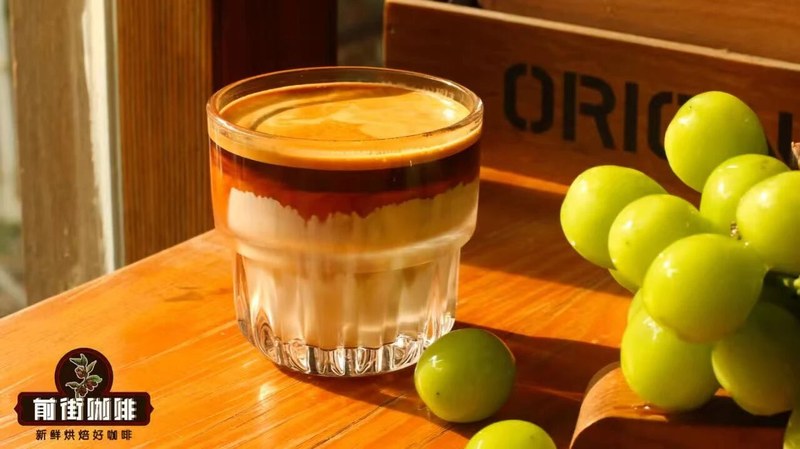
The Front Street Classic Blend is suitable for establishing this reference. Its nutty, cocoa, and caramel direction is relatively easy to identify after opening, and its concentration can also support moka pot black coffee or everyday milk coffee. Portion the beans, label the dates, and compare under similar water volume and heat, and you can see how freshness changes the cup performance, making it easier to brew the layer of fine foam you like.
The above content is compiled by CoffeeHunters, a coffee news website.

