







How to make coffee from a coffee machine with pre-infusion
Espresso has no blooming step, but pre-infusion has become a common part of extraction. When beans rest for a shorter time, carbon dioxide remains inside, producing rougher crema and unstable shots. Adding a pre-infusion stage before full pressure releases active gases, lowers the chance of channeling, and gives more room to adjust how to make coffee from coffee machine settings.
The classic scheme was 1 ounce of espresso in 20 to 30 seconds, and with dose, liquid volume, and time fixed, output stayed consistent. Today, resting periods have shortened from half a month to a month down to just days, so pre-infusion duration has no fixed standard. It is judged by hand and adjusted to the bean's resting condition and the grind ratio.
Pour-over coffee's blooming significantly affects flavor, so does espresso also require a similar step? In fact, espresso has no such thing as blooming, but in recent years pre-infusion has gradually become an important part of the extraction process. This article starts from the traditional approach to stable espresso extraction, analyzes the extraction fluctuations caused by the shortened resting period of coffee beans, and then explains in detail the three core functions of pre-infusion: releasing active gases, reducing the probability of channeling, and broadening the ideas for extraction adjustment. It will also explain how to judge manual pre-infusion, and that there is no fixed standard for pre-infusion duration—it needs to be flexibly adjusted according to the bean resting condition and the grinding ratio.
Some friends are puzzled: pour-over coffee's blooming plays such a big role in shaping the final flavor, so does espresso also need blooming?
In fact, there is no blooming step in the espresso process. When an espresso machine extracts, the coffee grounds are pressed into a firm puck, and then under 9 bar of water pressure they are "pressed" into a rich coffee liquid. Because of this, espresso has long been known for stable extraction. The classic espresso extraction scheme in the past was to obtain 1 ounce of coffee liquid within 20 to 30 seconds. Theoretically, as long as the three variables of dose, liquid volume, and time are fixed, the flavor of espresso can maintain consistent output.
However, as the roast levels of beans used for espresso become more diverse, and as everyone's requirements for coffee bean freshness continue to increase, espresso extraction is no longer as stable as before.
For example, in the past, the resting period for espresso beans was as short as half a month and as long as a month. The active gases inside the beans had basically been released, and the state of well-rested beans did not change noticeably, so the extraction performance was very stable.
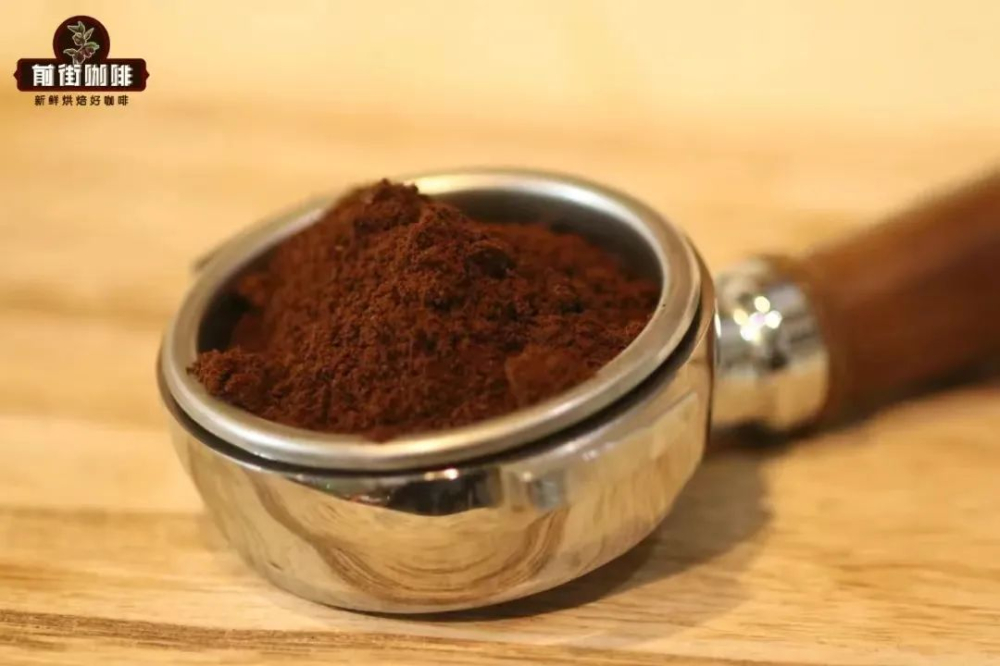
Nowadays, in order to highlight freshness, the resting period has been shortened, and during extraction there may still be more carbon dioxide remaining in the beans, resulting in rougher crema and unstable extraction.
As a result, the practice of adding a "pre-infusion" stage when extracting espresso has become increasingly popular. Pre-infusion extraction refers to locking in the portafilter, first starting unpressed water release to wet the puck, waiting for a period of time, and then beginning formal pressurized extraction. You can understand it as espresso's "blooming." The effects of pre-infusion are quite intuitive: the first is to release active gases. Just like coffee beans that have not rested enough, overly active carbon dioxide will interfere with extraction stability, so before formal extraction, pre-infusion is done first to release this portion of carbon dioxide in advance, so it will not hinder subsequent extraction.
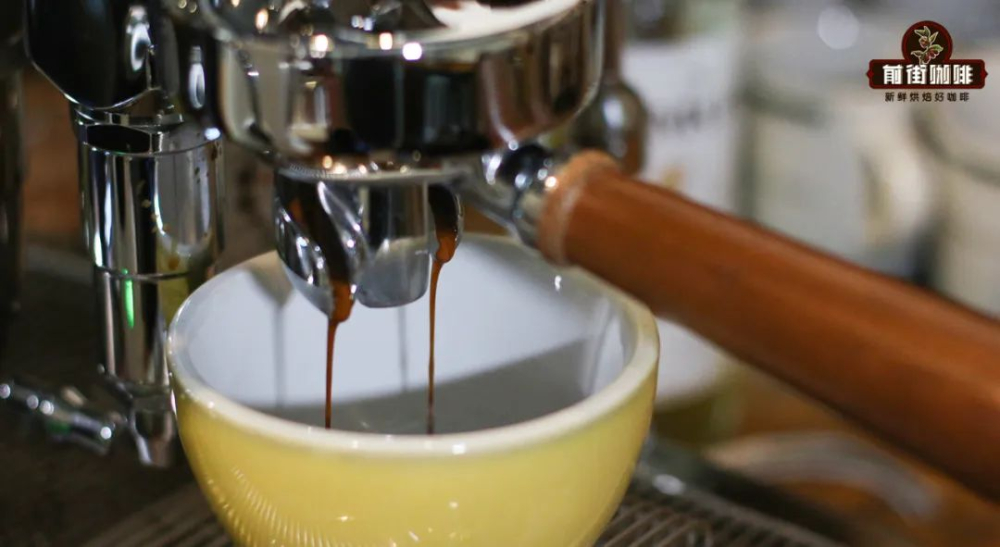
The second is to reduce the probability of channeling. The 9 bar water pressure is very strong. If the puck is not tamped evenly enough, the water flow can easily break through weak spots and form channeling. By performing pre-infusion first, the coffee puck absorbs water and expands, becoming denser, which can reduce the occurrence of channeling.
Third, the application of pre-infusion makes espresso extraction schemes no longer singular. For example, in the past when extraction encountered sharp acidity, the only adjustment methods were changing the grind size or ratio. Now pre-infusion can also be used to improve subsequent extraction efficiency. The prerequisite for using pre-infusion is that the coffee machine itself has this function. Some machines can be set for one-touch pre-infusion extraction, while others require manual operation. If you are using manual mode, you can judge the water cutoff time by observing the point when liquid starts to flow. For example, Front Street observes through a bottomless portafilter that coffee liquid seeps out from the bottom at about the 3rd to 4th second, so water can be cut off at the 3rd second and pre-infusion begins.
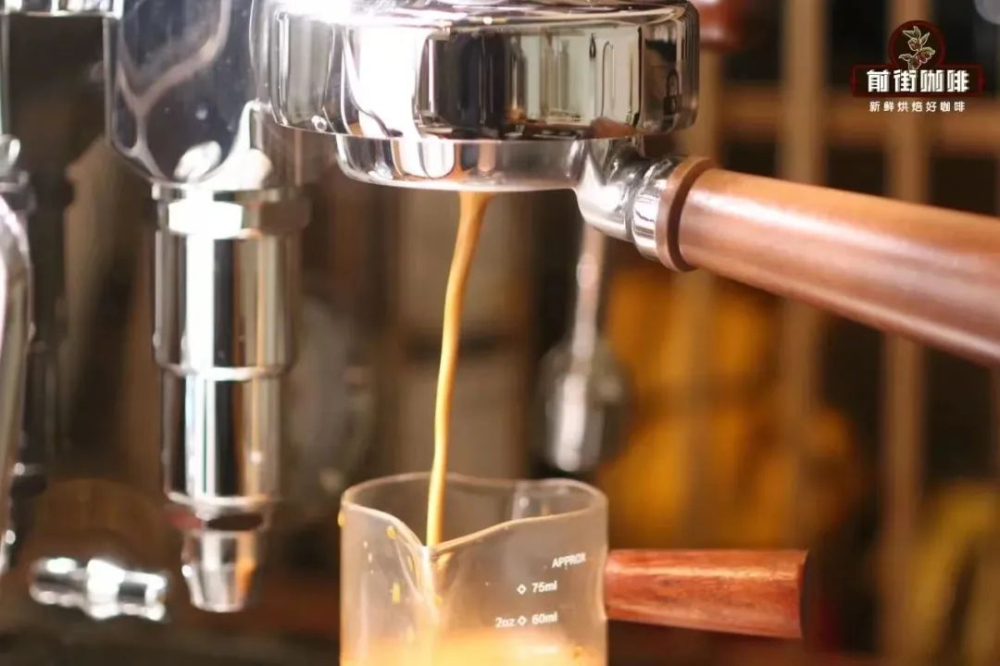
As for how long pre-infusion needs to last before switching to formal extraction, there is no standard answer to this question. It can be soaked for 5 seconds, 10 seconds, or even 30 seconds. This depends on the resting condition of the coffee beans, as well as the flavor performance after coordinating parameters such as grind size and ratio.
The above content is compiled by CoffeeHunters, a coffee news website.


