







Search Results for: aspects

Flavor Characteristics of Pour-Over Coffee | How Can Coffee Beginners Taste a Cup of Pour-Over Black Coffee? From Which Aspects Should You Describe the Flavor of Single-Origin Coffee?
Introduction: Tasting coffee is like tasting wine. When we savor a cup of specialty coffee, we naturally have the desire to discern its flavors and express them. How should one taste a cup of coffee? This question can be broken down into two aspects: one is about the process of tasting coffee, and the other is about the perspective from which to approach [more…]
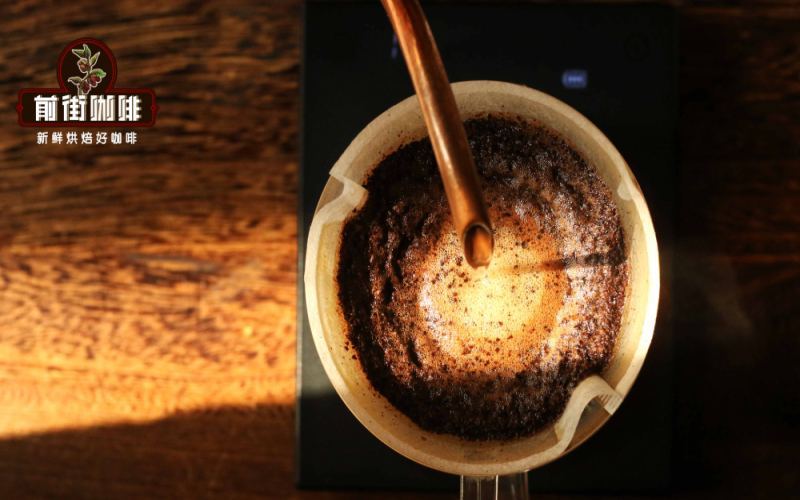
Pour-over coffee tastes too weak and watery? Analyzing the causes and adjustment methods from two aspects: under-extraction and low concentration.
Many coffee enthusiasts have encountered the situation during pour-over brewing where the coffee tastes bland and drinks like water, and even experienced veterans find it hard to completely avoid. There are two main categories of reasons why coffee turns out too weak: one is under-extraction, and the other is too low concentration. Starting from Front Street Coffee's brewing experience, this article first helps you determine whether the coffee beans you've chosen match your taste preferences, then takes a deeper look at how under-extraction and too-low concentration each manifest and what causes them, and offers specific adjustment ideas for parameters such as grind size, water temperature, coffee-to-water ratio, and brewing time. As long as you understand the underlying logic of extraction, no matter whether the coffee is too strong or too weak, you can quickly identify the problem and correct it. [more…]

What Exactly Does Balance in Pour-Over Coffee Mean? The Balanced Advantage of the Typica Variety, Seen Through the High Price of Blue Mountain Coffee
In coffee cupping, "balance" is an important scoring dimension, but what it measures goes far beyond the simple harmony of acidity, sweetness, and bitterness. The interrelationship among four elements—acidity, sweetness, body, and aftertaste—is the true criterion for judging balance. Blue Mountain coffee has always been renowned for its balance; even though it may not excel in any single aspect on its own, it delivers the most comfortable overall experience. Starting from Front Street Coffee's cupping experience and drawing on specific cases, this article analyzes the meaning of balance, and explores the reasons behind Blue Mountain coffee's high price as well as the unique advantages of its Typica variety. [more…]

Coffee Tasting | Is coffee flavor pseudoscience? How do you describe the taste and mouthfeel of a good single-origin coffee? From what aspects should you taste pour-over coffee?
Many customers have told Front Street Coffee that they actually can't taste the flavors in coffee, and even after watching many coffee tasting tutorials, they only "understand it while watching, but don't know where to start when it comes to actually doing it." If this sounds like you, you might want to take a look at some of Front Street Coffee's insights on coffee tasting. Tasting coffee ≠ describing flavors. Many [more…]

What exactly is coffee balance? From cupping standards to brewing water temperature, even beginners can understand a balanced taste that is neither sour nor bitter
Many people's first reaction when drinking a medium-roast coffee is "this cup is very balanced." But a coffee's sense of balance is far more than simply not standing out in acidity, sweetness, or bitterness. In professional cupping, Balance is a comprehensive indicator measuring the harmony among acidity, sweetness, body, and aftertaste, while also examining the coffee's stable performance from hot to cool. Beans with poor balance may excel in one aspect but have obvious weaknesses; beans with good balance are simply pleasant across the board. Through cupping examples of multiple beans, Front Street breaks down the evaluation logic of balance and recommends several coffees with excellent balance, including Front Street's Bird of Paradise, known as the "Little Blue Mountain." [more…]
Over 1,600 Starbucks Yunnan coffee farms have passed C.A.F.E. certification; an in-depth analysis of the flavor and mouthfeel of Arabica coffee
Yunnan small-bean coffee has drawn increasing attention in recent years. Since establishing its first Asia-Pacific Farmer Support Center in Pu'er in 2012, Starbucks has continued to promote the sustainable development of the local coffee industry. By introducing the C.A.F.E. Practices certification system, it strictly monitors four aspects: product quality, economic responsibility, social responsibility, and environmental protection. To date, 1,678 farms have passed certification, covering more than 16,000 hectares of cultivated area, with nearly 17,000 person-times of cumulative training for coffee farmers. Starbucks incentivizes farmers to sort and process coffee beans according to the principle of "high quality, high price," enhancing the overall quality and image of Yunnan coffee. This article will provide an in-depth interpretation of the flavor and taste characteristics of Yunnan small-bean coffee under this certification system, along with recommendations from Front Street Coffee, to give you a comprehensive understanding of the rise of Yunnan coffee. [more…]
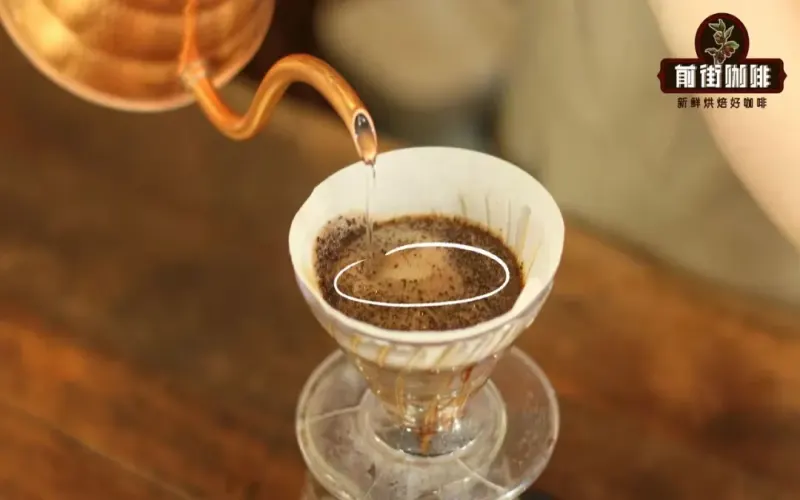
The Principles and Practice of Circular Pouring in Pour-Over Coffee: How the Pouring Path Affects Extraction
The unique aspect of pour-over coffee lies in the need for manual pouring to complete the extraction. Beyond common parameters such as time, ratio, grind size, and water temperature, the pouring path also plays a role in the final flavor that cannot be ignored. Many people naturally pour in a circular motion during brewing, but may not fully understand the logic behind this action. In this article, Front Street provides a detailed analysis of the two main reasons for circular pouring, explaining how the water flow path changes the concentration distribution and the rate of substance release within the dripper, helping coffee enthusiasts understand the practical impact of this basic operation on extraction results, so they can more consciously control their pouring method in daily brewing. [more…]

To what extent should milk foam be steamed for latte art? Analyzing the key causes of foam blurring and rapid defoaming
The quality of milk foam has a far greater impact on a latte than one might imagine—it not only determines the success or failure of latte art patterns, but also directly shapes the mouthfeel and flavor expression when the coffee is sipped. Fine, delicate milk foam brings a smooth texture and clean latte art lines, while rough, unstable foam easily leads to blurry lines, rapid deflation, and foggy patterns. From the perspective of Front Street, this article systematically sorts out the specific effects of milk foam thickness on mouthfeel, analyzes why rough foam ruins latte art results and the drinking experience, and points out several core aspects to focus on when steaming quality milk foam, helping coffee enthusiasts more accurately grasp the ideal degree of milk frothing. [more…]

Why are young people so keen on starting a coffee shop business? What preparations are actually needed to open a coffee shop?
In recent years, from film and television stars to recent college graduates, more and more people have come to see opening a coffee shop as their first choice for entrepreneurship. Coffee shops are not only popular venues for leisure and socializing, but also carry the dream of opening a shop for many people. However, behind the seemingly simple coffee shop lie many aspects, including professional coffee knowledge, shop operations, location and positioning, and fundraising. This article starts from the phenomenon of celebrities opening coffee shops, analyzes why coffee shops are so favored, and sorts out what is truly needed to prepare for opening a coffee shop, helping coffee enthusiasts view this entrepreneurial direction more rationally. [more…]
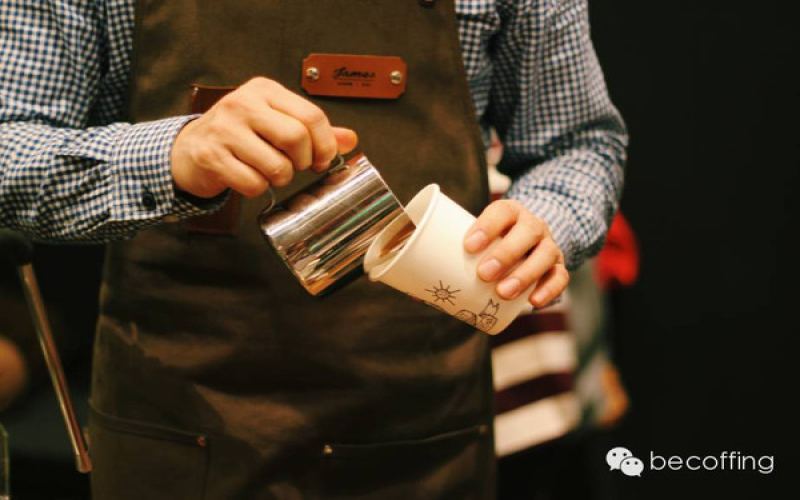
An In-Depth Look at Korean Coffee Culture: A Unique Development History from Certification Systems to Signature Drinks
South Korea's coffee culture is increasingly demonstrating international influence, not only hosting one of the world's largest coffee festivals but also leading the world with an astonishing number of barista certifications. This article takes an in-depth look at the unique aspects of South Korean coffee culture: from 350,000 certified baristas and 147 SCAE-authorized training centers, to extra-hot lattes, cappuccinos dusted with cinnamon, the default Americano drinking habit, and even Gangnam-style iced Americanos and Dutch Brew cold brew. Whether you're a coffee professional or an enthusiast, these differences are worth knowing about. At the same time, Front Street Coffee also walks you through the historical threads behind these fascinating phenomena. [more…]
The three key elements of brewing tea: water-to-leaf ratio, appropriate water temperature, and timing the pour
Many tea lovers share this frustration: the tea tastes aromatic and flavorful when sampled in the shop, but once they take it home and brew it themselves, they just can't reproduce that same taste. In fact, solving this problem isn't complicated—the key lies in understanding the three core variables that affect the taste of brewed tea: the tea-to-water ratio, the brewing water temperature, and the steeping time. As long as you sort out the relationship among these three, brewing a smooth, pleasant cup of tea is no difficult task. This article will explain three aspects: judging the amount of tea to use, how water temperature affects the release of the substances contained in the tea leaves, and how to control the timing for different infusions, helping novice tea lovers avoid the common pitfalls of bitterness or blandness and gradually establish their own brewing rhythm. [more…]
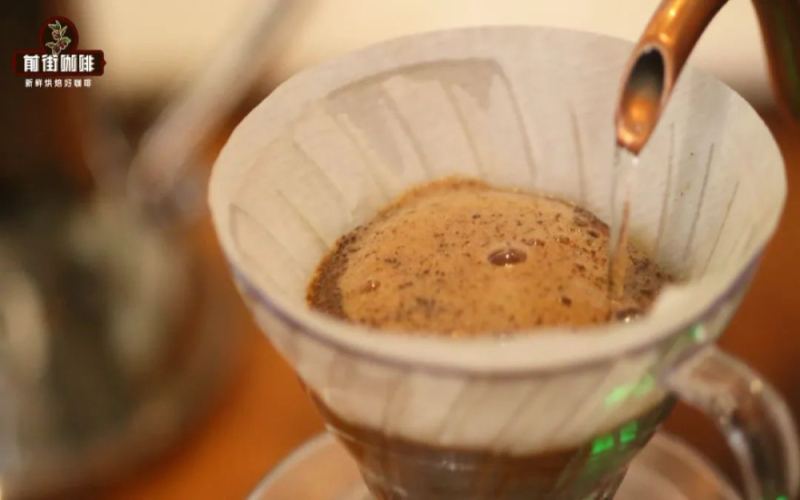
How Pour Height Shapes Pour-Over Coffee Flavor—A Practical Analysis of Extraction Force, Temperature, and Water Stream Verticality
When brewing pour-over coffee, do you tend to keep the spout close to the surface of the liquid, or pull out a long stream of water? Front Street has found that most enthusiasts' pouring height fluctuates between 0 and 7 centimeters. A seemingly tiny difference can profoundly change the flavor expression in the final cup through three aspects: penetration force, degree of heat loss, and the verticality of the water stream. This article will break down the actual effects of different pouring heights from a physical perspective, and combine them with Front Street's comparative experiment data to help you understand the pros and cons of high-position and low-position pouring. Whether you are a beginner pursuing stable extraction or an advanced player looking to refine your technique, you can find a pouring strategy that suits you. [more…]
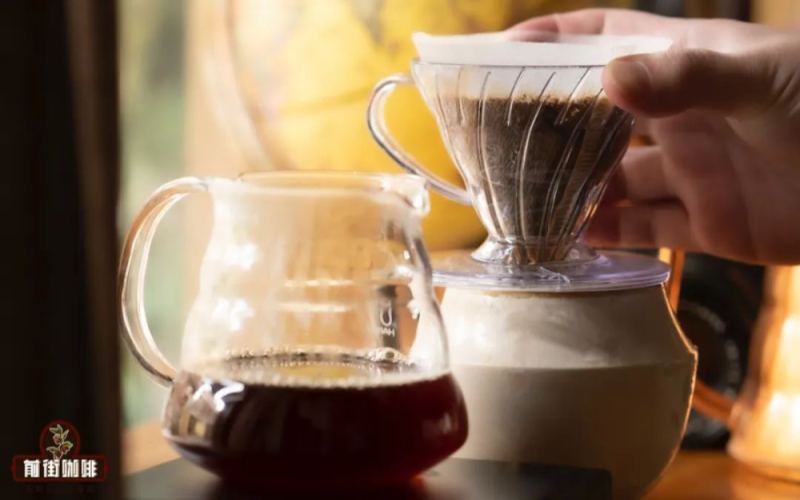
How to Deal with Clogging and Water Pooling in Pour-Over Coffee? Three Key Signals to Watch for When Brewing Light Roast Beans
During pour-over brewing, when fine particles clog the filter and drainage slows down, you often have no choice but to cut off the flow as an emergency measure—but if you're even slightly late, the bitter, over-extracted taste ruins the entire cup. Rather than reacting passively, it's better to anticipate the clog before it happens. Drawing on the characteristics of light-roasted beans, Front Street Coffee shares how to judge whether water will pool during brewing based on three aspects—the degree of expansion during blooming, the foam behavior, and the rate at which the water level drops—and offers corresponding adjustment techniques to help you reduce the negative impact when a clog occurs, while also getting to the true root of the problem. [more…]
Want to become a professional barista? First, understand the skills and commitment this career requires.
Many people envy baristas for being able to taste all kinds of coffee, operate expensive equipment, and even experiment with different drinks, but this profession is far from as easy as it looks on the surface. To become a qualified barista, you not only need solid coffee knowledge, but also have to go through systematic training and become familiar with every aspect of store operations. From tasting extensively to ensure consistent quality, to handling multiple tasks at once and coordinating seamlessly with the team, to the physical wear and tear caused by standing for long hours and repetitive movements, as well as the tedious cleaning work, each one is a required lesson. If you are also thinking of entering the industry, you might first take a look at this realistic portrayal to understand the dedication and persistence behind the glamour. [more…]
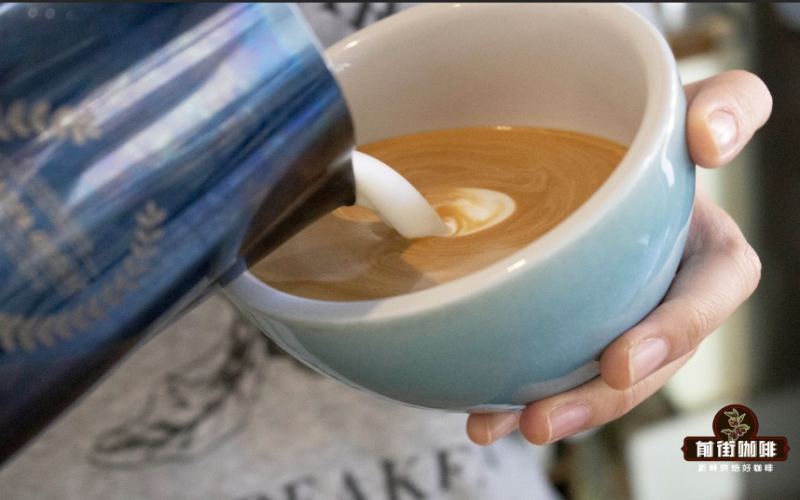
Coffee latte art patterns always off-center? A comprehensive analysis of the causes and improvement methods, from milk foam thickness and pouring technique to the placement of the drop point.
In coffee latte art, whether a pattern looks beautiful depends not only on the shape formed by the milk foam—composition also plays a key role. Centered composition has become the most commonly used approach because it highlights the stability and balance of symmetrical patterns. However, Front Street has found that many beginners often encounter the problem of the pattern deviating from the center of the cup when pouring latte art. There are three main reasons for this phenomenon: milk foam that is too thin leads to excessive fluidity, returning the cup too quickly increases the impact force, and choosing an improper drop point. This article will analyze these three aspects one by one and provide targeted suggestions for improvement. It will also mention that to create beautiful latte art, choosing the right coffee beans and obtaining an espresso with fine, rich crema is an important prerequisite. Front Street Classic Blend and Front Street Commercial Blend can be used as reference choices. [more…]
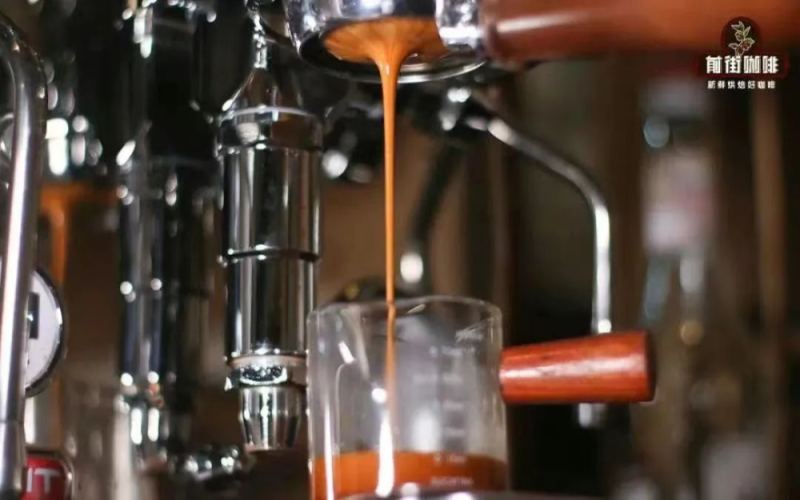
Analysis of the Reasons for Thin Espresso Crema and Recommendations of Coffee Beans Suitable for Espresso Machines
When extracting espresso with a coffee machine, watching the golden, rich crema flow out slowly is the most enjoyable moment for many coffee lovers. But if one day you find the crema has become thin or even almost disappeared, and the flavor of the output has also plummeted, the problem often lies in a few key areas. This article analyzes the causes of thinning crema one by one from five aspects: the freshness of the coffee beans, the machine's pressure setting, the grind size and dose, the extraction water temperature, and the roast level of the beans, and offers corresponding adjustment ideas. At the same time, taking into account the characteristics of home coffee machines, it recommends blend bean options suitable for making espresso and milk coffee, helping you maintain consistent performance in your daily brewing. [more…]
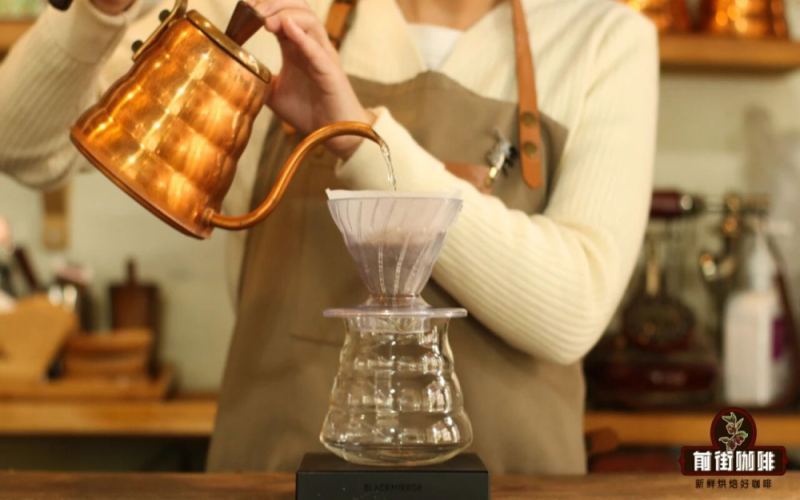
Is it better to choose coffee beans or ground coffee? Six practical tips to help you make a wise choice
Faced with a dazzling array of coffee products, should you buy whole coffee beans or already ground coffee powder? This is a question that many coffee lovers often struggle with when making a purchase. The aroma of coffee is closely tied to freshness, and the right purchasing and storage methods directly affect the final flavor in the cup. This article will analyze the pros and cons of coffee beans versus coffee powder, and provide six practical purchasing suggestions, covering key aspects such as matching brewing equipment, communicating taste preferences, identifying the roast date, the advantages of storing whole beans, and buying on demand. The article also offers specific Front Street Coffee product recommendations for different brewing methods and flavor preferences, helping you avoid detours in your daily shopping and easily enjoy a fresh and rich coffee experience. [more…]
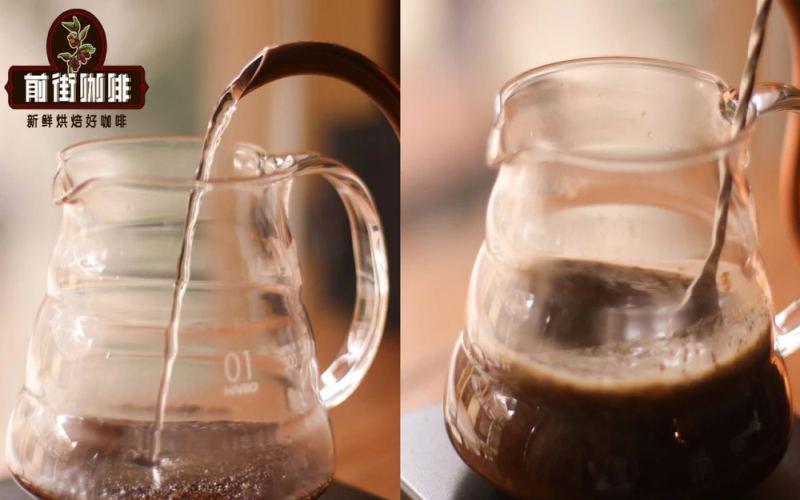
Cold Brew Coffee Making | Can Espresso Grounds Be Used for Cold Brew Black Coffee? What Is the Water-to-Coffee Ratio and Steeping Time for a Cold Brew Coffee Maker?
Cold brew coffee is arguably the easiest of all coffee extraction methods and requires no technical skill whatsoever, making it a way for any coffee novice to easily brew delicious iced coffee. Front Street Coffee has shared quite a few articles about various aspects of cold brew knowledge, and has also conducted studies of various scales on the parameters involved. [more…]

Cold Brew Coffee Bean Recommendations | Can Espresso Coffee Powder Be Used to Make Cold Brew? What Are the Characteristics of Cold Brew Coffee? Which Coffee Beans Are Suitable for Making Cold Brew?
Making cold brew coffee can be said to be the easiest among all the many coffee extraction methods, and it doesn't require any technical skill—it's a way for every coffee novice to easily brew delicious iced coffee. Front Street Coffee has shared quite a few articles about various aspects of cold brew knowledge, and has also conducted studies of various sizes on the parameters involved. [more…]
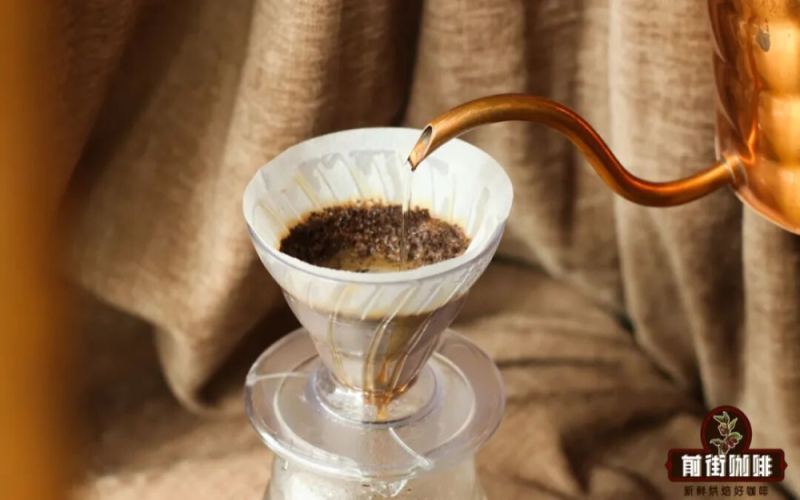
Analyzing the Causes of Abnormal Pour-Over Flow Rate: Seven Major Factors from Dripper and Filter Paper to Bean Quality and Water Flow
When brewing pour-over coffee, the drip rate of the coffee liquid often reflects the quality of the extraction. If the flow is too fast, it may lead to under-extraction and a weak, bland flavor; if the flow is too slow, it tends to over-extract, producing bitterness and off-flavors. So what exactly are the factors that influence the flow rate of coffee? Front Street Coffee will break down the key elements affecting flow rate one by one from seven aspects: the pairing of dripper and filter paper, the density and processing method of the coffee beans, the roast level, the grind size, the pouring technique, and the water level inside the dripper. Understanding the relationships among these variables will help you quickly identify the root cause the next time you encounter an abnormal flow rate and make targeted adjustments, bringing every cup of coffee closer to the ideal flavor. [more…]