







Search Results for: flavor expression

Advantages of espresso blend beans | What should coffee beginners pay attention to when making Espresso? What are the steps for espresso extraction?
For more specialty coffee knowledge, please follow our WeChat official account: Front Street Coffee (FrontStreet Coffee). To extract a delicious espresso, you need suitable coffee beans, the right dose, ratio, time, grind size, water temperature, and pressure. Although it is currently very popular to use [more…]
Interpreting the Ten Major Categories of the Coffee Flavor Wheel: A Tasting Guide and Descriptive Methods from Fruit to Floral
When drinking coffee, have you ever felt that the taste is familiar yet hard to put into words? The coffee flavor wheel is exactly the tool that helps us transform vague perceptions into precise descriptions. This article systematically analyzes the ten major categories in the Coffee Taster's Flavor Wheel developed by SCAA and created by Counter Culture Coffee, covering fruity, chocolate, sweet, nutty, grain, roasted, spice, aroma, vegetal, and floral. It also combines examples from several Front Street Coffee beans to explain how different producing regions and roast levels shape flavor expression. At the same time, it shares tasting methods and brewing suggestions to take you from hot to cold, from acidity to sweetness, and gradually build your own coffee taste memory. [more…]
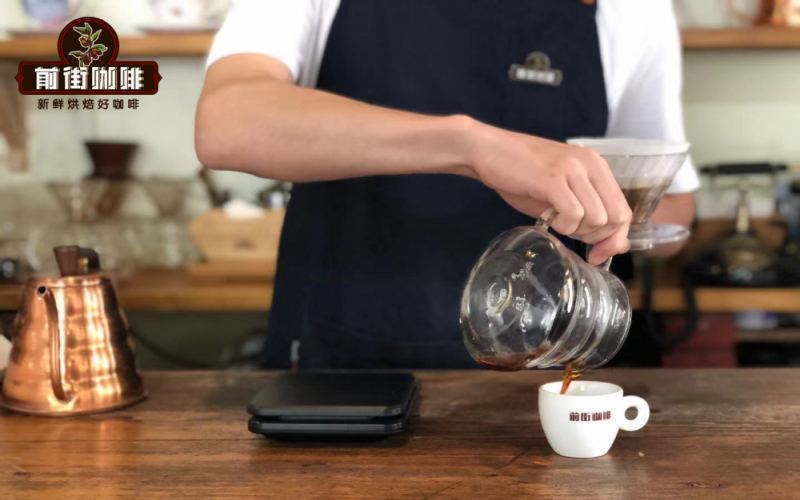
Hand Drip Coffee | What is the difference between hand drip coffee and Americano? Is hand drip coffee tastier than the black coffee made by an espresso machine?
Recently, a fan left a comment asking about the flavor differences when using the same coffee beans to make pour-over coffee versus Americano. In this article, Front Street Coffee will answer this question~ Before we begin, we first need to distinguish the differences between pour-over coffee and Americano. Pour-over coffee in English is pour ov [more…]
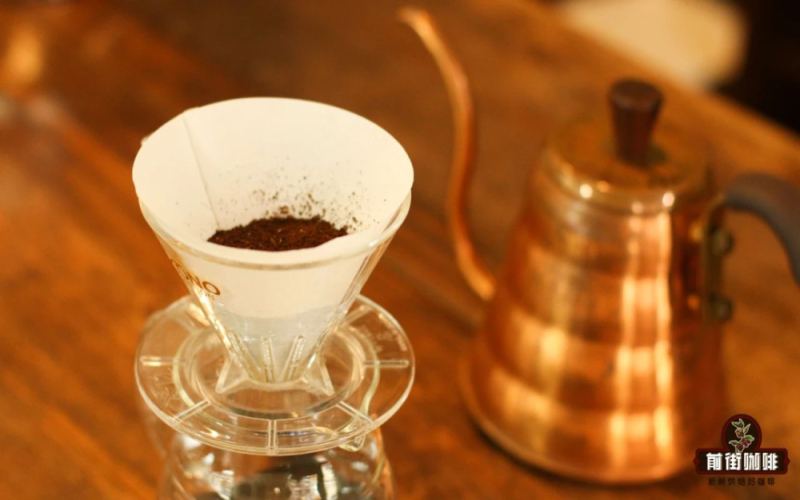
A Guide to Clarifying English Expressions for Pour-Over Coffee and Buying Entry-Level Single-Origin Beans
Pour-over coffee is one of the most common brewing methods in the specialty coffee world, yet its English name has several variations—pour over, hand drip, and filter coffee each have their own origins. This article begins with the origins of pour-over coffee, sorts out the differences between these English expressions, and then systematically introduces the equipment setup and brewing essentials for pour-over, including key parameters such as coffee-to-water ratio, grind size, and water temperature. At the same time, for enthusiasts who are just getting into pour-over, it compiles a beginner-friendly single-origin coffee bean recommendation list provided by Front Street Coffee, covering producing regions such as Brazil, Ethiopia, Panama, Costa Rica, and Colombia, helping novices find a flavor direction that suits them at a reasonable cost. [more…]

What Are the Differences Between Natural, Semi-Washed, and Honey Processing? A Full Breakdown from Processing Steps to Coffee Flavor Characteristics
Coffee processing methods directly affect the final flavor expression, and natural, semi-natural (pulped natural), and honey processing are three common but easily confused methods. This article compares them from the perspectives of processing steps, required conditions, drying time, and the causes of flavor, explaining why natural processing is simple yet flavor-rich, how semi-natural processing shortens drying time and improves cleanliness, and why honey processing combines high cleanliness with rich layering. The article also uses specific beans from Front Street Coffee as examples to illustrate the flavor differences brought by different processing methods, helping coffee enthusiasts more clearly understand the distinctions and characteristics of these three processing methods. [more…]

What does "layering" mean in pour-over coffee? How can you improve the layering of coffee?
When tasting coffee, we focus on flavor, mouthfeel, and aftertaste, but when it comes to complexity, few people understand what it means. In this article, Front Street Coffee will help you understand complexity in coffee!! When a coffee is rich in complexity, it means that in one sip, you can clearly perceive multiple flavors, that is, [more…]

Types of Iced Coffee | Is There a Big Difference Between Ice-Drip Coffee and Cold Brew? What Is the Extraction Principle of Cold Brew and Ice-Drip Coffee? An Introduction to the Flavor, Taste Characteristics, and Methods of Cold Brew and Ice-Drip Coffee
For more specialty coffee knowledge, please follow our WeChat official account: FrontStreet Coffee. Many customers who come to Front Street to drink coffee discuss whether there is a difference in taste between ice drip coffee and cold brew coffee. These are both common methods of making cold coffee, but these two kinds of coffee [more…]
Front Street Coffee Colombia Pine Tree Estate Anaerobic Dried Fruit Natural Coffee Beans: Fruit Wine Flavor and Castillejo Variety Analysis
This anaerobic dried-fruit natural coffee from Finca El Pino in Antioquia, Colombia, brought to you by Front Street Coffee, is a micro-lot custom-flavored bean from the 2019 harvest. It uses the Castillo variety and, through a refined anaerobic dried-fruit natural process, presents rich layers and extremely high sweetness. This coffee, named "Fruit Brew," is intended to express notes of ripe dried fruit and fruit wine. Front Street designed a well-developed light roast profile for it, striving to maintain a clear and intense flavor expression from high to low temperatures, with excellent smoothness and sweetness. This article will introduce in detail the background of Finca El Pino, the characteristics of the anaerobic dried-fruit natural process, and the flavor profile and roasting approach of this coffee, taking you deeper into the charm of this unique micro-lot coffee. [more…]

A Complete Guide to Brazilian Coffee Roast Curves: Roast Levels and Flavor Expression Through Queen's Farm Yellow Bourbon
The roast profile is the key factor determining the direction of a coffee's flavor, and the same bean can present a completely different personality at different roast levels. Brazil, as the world's largest coffee-producing country, is known for its coffee's low acidity, heavy body, and nutty-chocolate notes. This article takes the Yellow Bourbon from Queen's Farm in Brazil's Mogiana region as a sample, and from the region's background, variety characteristics, and pulped natural process to Front Street Coffee's roast analysis and brewing parameters, it presents a complete picture of the roasting logic and flavor expression of Brazilian coffee. Whether you are a beginner just getting into pour-over or someone who wants to understand more deeply how roast level affects what's in the cup, this article offers practical reference. [more…]
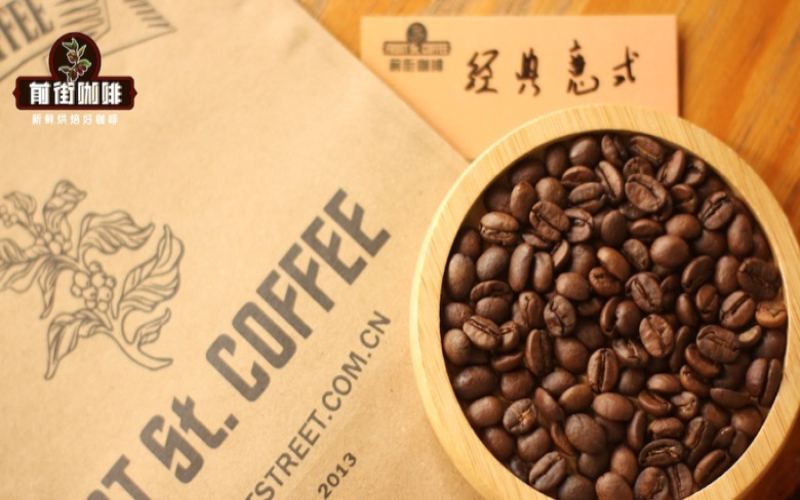
The Espresso Face of Typica and Bourbon: An Italian Expression of Heirloom Varieties
On the bean lists of specialty coffee, variety names like "Typica" and "Bourbon" are appearing more and more frequently. They are two of the older major variety families in the Arabica world, and pour-over enthusiasts can recite their flavors with great familiarity, but their performance in espresso is still not much discussed. This article covers the "espresso [more…]
Espresso Beginner's Guide: From Flavor Characteristics to Extraction Parameters, Plus a Discussion of Mouthfeel Differences with Americano
Espresso is one of the most fundamental coffee categories in cafés worldwide, serving as the base for drinks such as Americanos, lattes, and cappuccinos. From the perspective of Front Street Coffee, this article introduces espresso's flavor characteristics, how it tastes, and the production directions best suited to blends versus single-origin beans (SOE). The article also provides initial reference parameters for espresso extraction and explains the differences in mouthfeel between Americano and espresso, helping coffee enthusiasts understand espresso more systematically and choose a suitable way to drink it based on their own preferences. [more…]
An Analysis of the Bitterness Difference Between Espresso and Americano: Brewing Methods, English Expressions, and a Discussion of Hot Americano's Taste
Many friends who are new to coffee often can't tell the difference between espresso and Americano. Although both fall under the category of black coffee, they differ significantly in flavor, strength, and brewing method. Starting from their historical origins, extraction parameters, and actual taste, this article will analyze in detail the bitterness differences between espresso and Americano, while also introducing the English expression for American black coffee and whether hot Americano tastes good. The article also specifically shares Front Street Coffee's espresso blend bean recommendations and standard extraction process, helping coffee enthusiasts gain a deeper understanding of these two classic coffee drinks. [more…]

Introduction to Coffee Tasting: Flavor Description Methods and Characteristics of Pour-Over Coffee, from Aroma to Aftertaste
Tasting specialty coffee is like tasting wine: you must not only drink it, but also learn to perceive and express it. This article unfolds from two levels: the tasting process and the tasting dimensions. First, it lays out the complete steps of smelling dry aroma, wet aroma, and tasting at high and low temperatures; then, drawing on the subdivided COE cupping categories—aroma, cleanliness, sweetness, acidity, mouthfeel, flavor, aftertaste, and balance—it explains one by one how to describe the flavor of a cup of coffee. At the same time, it answers why we use "flavor" rather than "taste" to express coffee, and introduces the characteristics of pour-over coffee in terms of aroma layering and mouthfeel performance. The article also combines recommended products from Front Street Coffee to help enthusiasts build a systematic tasting framework, making every brew a well-grounded sensory exercise. [more…]
How to Describe Coffee Flavor? Analyzing the Sensory Characteristics and Brewing Key Points of Specialty Huakui
Huakui coffee beans have attracted much attention since winning the TOH championship in 2017. DW Company has launched the X.0 series year by year, making many enthusiasts curious about its flavor evolution. This article will start with the origin and naming logic of Huakui, sort out the origin of small-bean Huakui, and the flavor foundation brought by natural processing, and combine Front Street Coffee's cupping and brewing practices to share Huakui's flavor performance and extraction parameters. At the same time, the article will also help you build a taste framework for judging whether coffee is good or bad, and understand the negative flavors corresponding to under-extraction and over-extraction, so that you can more accurately describe a cup of coffee when tasting it. [more…]

What Exactly Does Coffee Cleanliness Mean? Interpreting the Key Indicators of Specialty Coffee Evaluation Standards
In the evaluation system of specialty coffee, cleanliness is a core indicator that cannot be overlooked, yet many coffee enthusiasts have misunderstandings about it. Some believe that cleanliness means a single flavor profile, while others equate it with the clarity of the coffee liquid. In fact, cleanliness is closely tied to coffee quality—it requires both the absence of negative defect flavors and the presence of forward flavors that are sufficiently clear and distinguishable. Front Street Coffee will start from cupping standards to systematically sort out the two-layer evaluation logic of cleanliness, helping everyone re-understand this key concept in specialty coffee evaluation and understand why it can directly reflect the overall quality level of coffee. [more…]
SOE Specialty Coffee Beans Recommendation | What's the Difference Between SOE Coffee Beans and Espresso Blend Coffee Beans? Can Ethiopian Natural Red Cherry SOE Single-Origin Beans Be Used for Pour-Over Coffee?
For more specialty coffee knowledge, please follow the WeChat official account: Front Street Coffee (FrontStreet Coffee). In recent years, as the wave of specialty coffee has swept in, SOE coffee has also begun to gather momentum, so recently quite a few coffee enthusiasts visiting Front Street have asked why Front Street's shop doesn't offer SOE coffee. [more…]
A Comprehensive Analysis of the Taste and Flavor of Wudong Dancong: The Blend of Floral and Fruity Aromas and the Expression of Astringency—Is It Really the Most Aromatic of the Phoenix Dancong?
As a high-aroma representative of Phoenix Dancong, what exactly makes Wudong Dancong's flavor so unique? Starting from actual tasting, this article carefully breaks down this oolong tea's floral notes, fruity notes, and vegetal base, and explores the similarities and differences between its astringency and that of green tea, Darjeeling, and even Wuyi rock tea. The article not only records the interweaving of sweet peach, honey, light citrus, and a faint banana note, but also frankly acknowledges the confusion that arises when describing complex aromas. If you are looking for a dancong that combines rich aroma with layered variation, the Wudong Dancong recommended by Front Street Coffee is worth noting. Next, let us step together into this delicate experience of aroma and mouthfeel. [more…]
How to Taste and Describe Coffee Aftertaste? Methods for Judging Sweetness Persistence and Flavor in Pour-Over Coffee
Many people focus only on flavor and mouthfeel when tasting coffee, overlooking an important sensory dimension: the aftertaste. In fact, aftertaste is the combined expression of the aroma, taste, and tactile sensation that linger in the mouth after swallowing coffee. Some people can perceive it but don't know how to describe it, while others simply don't notice it at all. From Front Street's perspective, this article helps you understand the definition of aftertaste, its causes, perception techniques, and how to judge whether an aftertaste is good or bad based on its duration and positive or negative flavors. The article also uses specific beans such as Golden Mandheling and washed Yirgacheffe to illustrate the typical aftertaste performance under different roasting profiles, helping you describe "the feeling after drinking" more professionally. [more…]

The Difference Between Cold Brew Coffee and Ice Drip Coffee: A Comprehensive Analysis from Brewing Methods to Flavor Expression
As Cold Brew gains popularity in the coffee world, more and more enthusiasts are starting to pay attention to the differences between cold brew coffee and iced coffee. Many people only realize after trying them that these two are completely different in terms of brewing method and taste presentation. At Front Street Coffee, you can easily find both types of coffee, but the products they represent may be entirely different. This article will start from the brewing principles of ice drip and iced brewing, compare the two in terms of extraction yield, flavor performance, and visual differences, and also discuss the method of iced pour-over, helping you understand the world of iced coffee more comprehensively. [more…]

How does the coffee extraction method affect flavor expression? Where do cold brew and ice drip differ?
The flavor presentation of coffee often depends on the choice of extraction method. Different brewing techniques bring completely different taste experiences—from hot brew to cold brew, from immersion to drip filtration, each method shapes the unique personality of the coffee. Although cold brew and ice drip both fall under the category of cold water extraction, they have obvious differences in operating principles and final flavor. Starting from the extraction principles, this article will systematically analyze the effects of various coffee-making methods on taste, and deeply compare the similarities and differences between cold brew and ice drip coffee, helping coffee enthusiasts more clearly understand the flavor logic behind different brewing methods. [more…]