







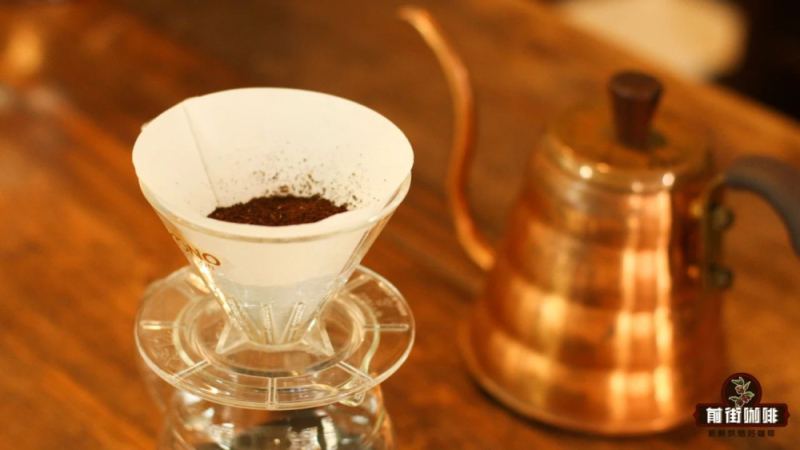
What does hand drip coffee mean in English?
Hand drip coffee is one of several English names for the same method: a dripper and pouring kettle extract coffee while filter paper or another medium traps the grounds. The other common terms are pour over coffee and filter coffee. The practice traces back to Frau Melitta in Germany, who combined her son's blotting paper with a perforated copper pot to keep sediment out of the cup.
Brewing a cup calls for a pouring kettle, dripper, server, grinder, filter paper, digital scale, thermometer, and freshly roasted beans, with attention to coffee-to-water ratio, grind size, and water temperature. Beginners choosing a first bag can look at single-origin options from Brazil, Ethiopia, Panama, Costa Rica, and Colombia to find a flavor direction at a reasonable cost.
Pour-over coffee is the most common brewing method in the specialty coffee world, yet its English name has several variations—pour over, hand drip, and filter coffee each have their own origins. This article begins with the origins of pour-over coffee, sorts out the differences between these English expressions, and then systematically introduces the equipment setup and brewing essentials for pour-over, including key parameters such as coffee-to-water ratio, grind size, and water temperature. At the same time, for enthusiasts who are just getting into pour-over, we have compiled a beginner-friendly single-origin coffee bean recommendation list provided by Front Street Coffee, covering producing regions such as Brazil, Ethiopia, Panama, Costa Rica, and Colombia, to help novices find a flavor direction that suits them at a reasonable cost.
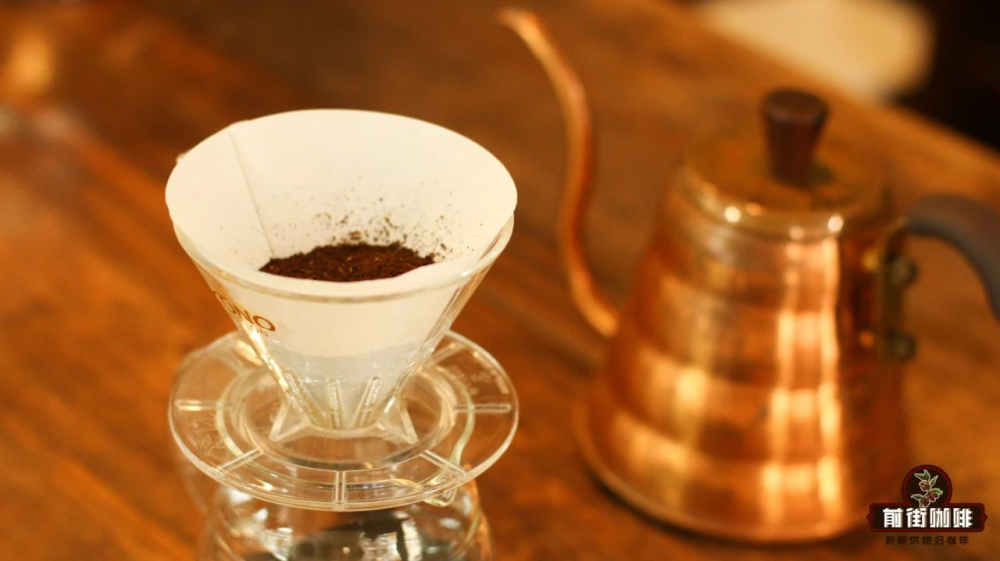
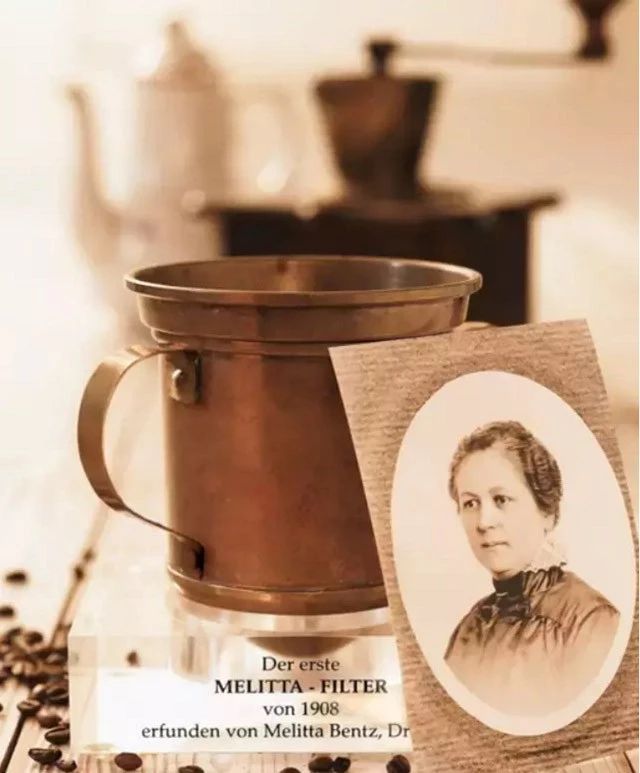
Pour-over coffee, in essence, is the method commonly seen in cafés where a dripper is used together with a pouring kettle to extract coffee. It has one notable feature: with the help of a dripper plus filter paper or another filtering medium, it intercepts the coffee grounds. This practice can be traced back to a flash of inspiration from Frau Melitta in Germany—she loved coffee but strongly disliked the coffee grounds mixed into her cup, so she combined her son's blotting paper with a perforated copper pot to make a filtering device. This is probably the prototype of the first coffee dripper in human history. After the brewed coffee passed through it, the result was a clean cup of coffee without sediment.
As the specialty coffee wave has continued to advance, pour-over coffee is no longer anything rare, and you can find it in cafés almost regardless of their size. However, if you pay close attention, you will notice an interesting phenomenon: in Chinese it is all called "手冲咖啡," but the corresponding English terms vary widely—some write "pour over coffee," some write "hand drip coffee," and there is also the expression "filter coffee." What each of these terms points to is worth discussing.
What do you need to prepare to make a cup of pour-over coffee?
Broadly speaking, the following equipment is needed: a pouring kettle, a dripper, a server, a grinder, filter paper, a digital scale, a thermometer, and a bag of freshly roasted coffee beans.
Front Street Coffee offers more than 50 kinds of freshly roasted coffee beans, all roasted within 5 days and shipped within 24 hours. Its product line covers high-scoring single-origin beans from multiple mainstream producing regions and varieties, as well as highly cost-effective everyday beans, so customers can taste the flavors of classic producing regions at affordable prices. For beginners who are just starting out, it is recommended to begin with beans that offer good value for money, which saves money and also helps us quickly build experience.
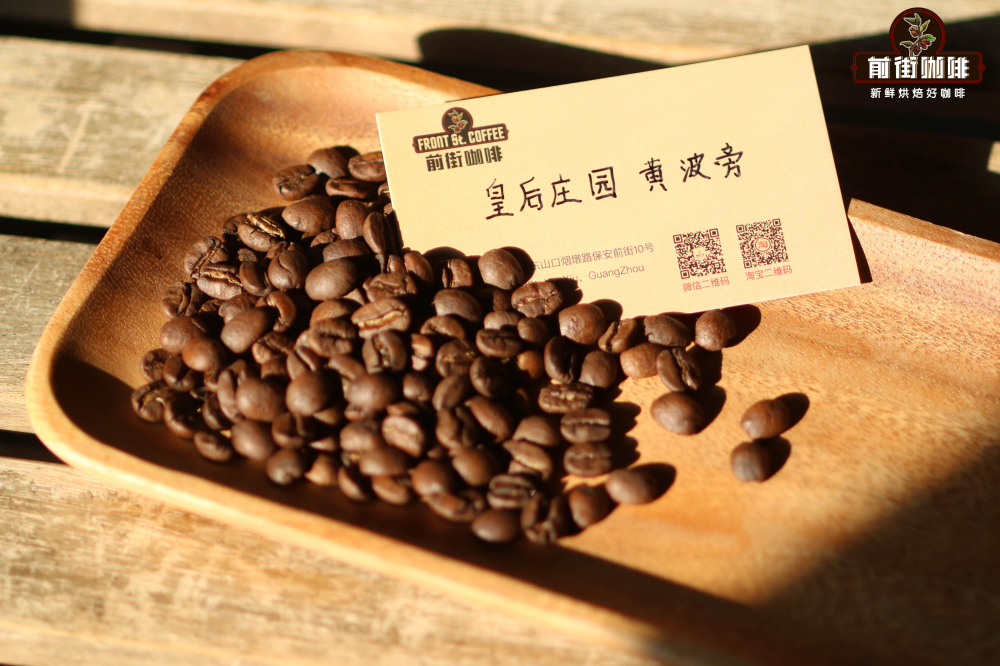
Coffee bean recommendation one: Front Street Coffee Brazil Queen's Estate Yellow Bourbon
Recommendation rating: ★★★★☆
Reason for recommendation: The flavor is clean, sweet, and mellow, easy to brew, reasonably priced, and highly cost-effective.
Coffee bean recommendation two: Front Street Coffee Ethiopia Yirgacheffe
Recommendation rating: ★★★☆☆
Reason for recommendation: Classic Yirgacheffe flavor, extremely high cost-performance, the top choice for beginners who love acidity.
Coffee bean recommendation three: Front Street Coffee Panama Butterfly
Recommendation rating: ★★★★★
Reason for recommendation: A people's Geisha, the king of value for money.
Front Street Costa Rica Strawberry Candy
Recommendation rating: ★★★☆☆
Reason for recommendation: Prominent floral and fruity flavors, easy to leave a memorable impression.
Coffee bean recommendation five: Front Street Colombia Huila
Recommendation rating: ★★★★☆
Reason for recommendation: Classic flavor, a top choice for beginners who love a full-bodied cup, and easy to master in brewing.
Among this equipment, the dripper and filter paper are responsible for intercepting coffee grounds while also absorbing part of the coffee oils, making the mouthfeel cleaner. Front Street Coffee uses the V60 and Kono drippers for its daily café service: light-roasted coffee beans are handled by the V60 dripper, while dark-roasted coffee beans are handled by the Kono dripper.
The digital scale is used to weigh the coffee beans and the amount of water poured. Only by digitizing every parameter can the process be replicated, thereby ensuring consistent output. The same principle applies to the thermometer: before each pour, you must confirm that the water temperature falls within the appropriate range. When brewing lighter-roasted beans with a V60 dripper, use a water temperature of 90 to 92 degrees Celsius; for darker-roasted beans, use 88 to 89 degrees Celsius.
The grinder is likewise not to be overlooked, as the coarseness of the coffee grounds directly affects the taste of a cup of pour-over. If the grounds are too coarse, the flavor will be weak; if too fine, the flavor will be bitter. Front Street Coffee recommends controlling the pour-over grind to medium-fine, with a pass rate of about 80% when measured with a 0.85 mm standard sieve.
How exactly do you brew pour-over coffee?
The brewing process itself is not complicated. The key lies in controlling several variables that affect flavor: coffee-to-water ratio, grind size, water temperature, and extraction time.
When brewing, Front Street Coffee first weighs 15 grams of coffee beans and sets the coffee-to-water ratio at 1:15, which means pouring 225 grams of hot water.
Before the official brewing begins, first rinse the filter paper with hot water so that the dripper and filter paper fit more closely together. Then grind the coffee beans to the medium-fine level mentioned earlier.
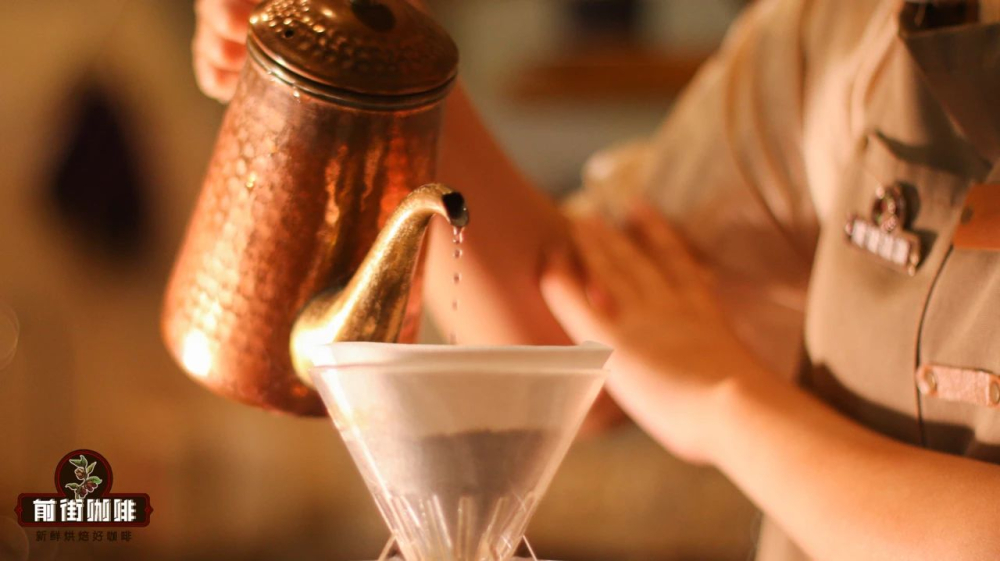
Pour the ground coffee into the dripper, and once the water temperature reaches the brewing requirement, you can begin. The entire pouring process is divided into three stages: in the first stage, pour 30 grams of water for blooming to ensure all the coffee grounds are saturated, with the bloom lasting 30 seconds, the purpose being to release carbon dioxide so that the subsequent water flow can extract the coffee more fully; in the second stage, pour water until 125 grams, then wait for the coffee liquid to drop by half; finally, pour the third stage of water until 225 grams, and likewise wait for the coffee liquid to finish filtering, with the total extraction time controlled at 2 minutes.
For more specialty coffee beans, please follow: Front Street Coffee
The above content is compiled by CoffeeHunters, a coffee news website.


