







Search Results for: Different
Yirgacheffe Coffee Beans | What Are the Coffee Processing Methods for Natural and Washed? How Do the Flavors of Yirgacheffe Differ After Brewing with Different Processing Methods?
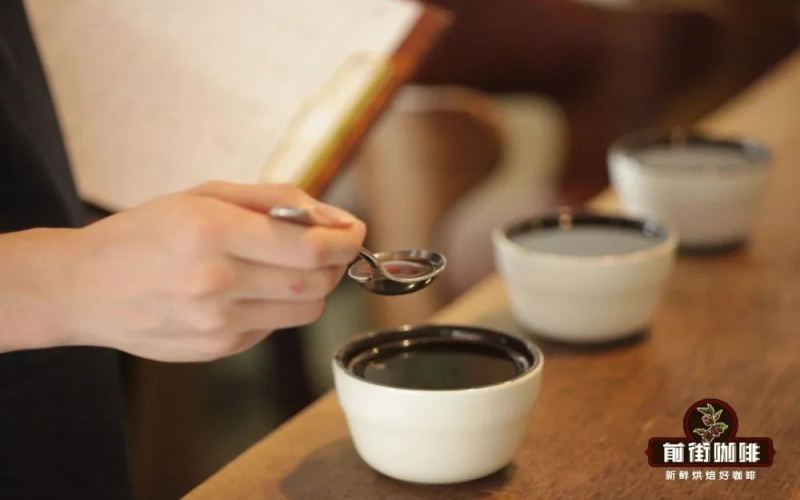
When buying coffee beans, aside from paying attention to origin and flavor, we also choose coffee beans that have undergone different processing methods. This is because different processing methods bring out different flavor characteristics in coffee; even coffee from the same origin, when processed by washed and natural methods respectively, will display different mouthfeels. For example, on the Front Street Coffee menu, [more…]
Only tasting bitterness in your coffee? Master this sensory training method to easily distinguish the flavor differences between different coffees.
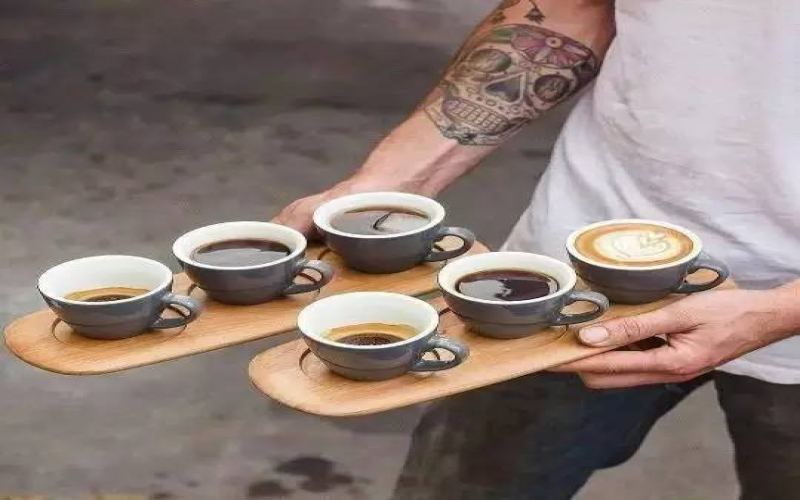
Many people drink coffee every day, yet they can only ever taste bitterness and find it hard to distinguish the flavor differences between different beans. In fact, tasting ability is not innate—through scientific and systematic sensory training, everyone can gradually discern the unique tastes of coffees with different roast levels, from different regions, and processed by different methods. This article will share a practical set of tongue training methods, from buying coffee and brewing comparisons to recording taste impressions, to help you gradually improve your sensitivity of taste and smell. It will also remind you of precautions during training, such as keeping your nasal passages clear and the importance of quitting smoking. As long as you keep practicing, you will find that the world of coffee is far richer and more wonderful than you imagined. [more…]
Where Does the Geisha Flavor Come From? An Analysis of the Variety, Origin, and Processing Differences Between Ethiopian and Panamanian Geisha
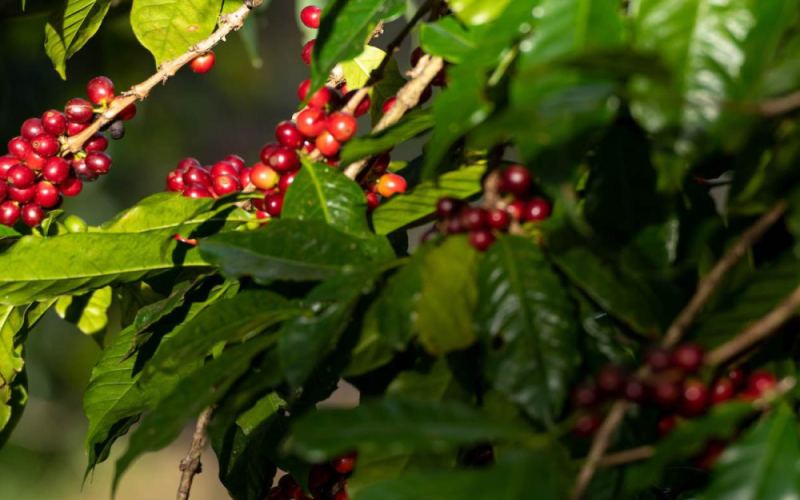
Geisha coffee has won over coffee lovers worldwide with its jasmine, citrus acidity, and honey-like body, but not every coffee called Geisha delivers the signature "Geisha flavor." This article systematically analyzes the root causes of the flavor differences between Ethiopian Geisha and Panamanian Geisha from three dimensions—varietal genetics, growing origin, and green bean processing—and includes Front Street Coffee's Geisha brewing suggestions and parameter demonstration to help readers understand why coffees sharing the name Geisha can taste so strikingly different. [more…]

Black Coffee Bean Varieties | What's the Difference Between Single-Origin Pour-Over Beans and Espresso Blend Beans? Can Espresso Blend Coffee Beans Be Used for Pour-Over Black Coffee?
With the development of specialty coffee, more and more people are falling in love with single-origin coffee. Two types of coffee have emerged on the market: single-origin coffee beans and blended coffee beans. Single-origin coffee beans are generally used for making pour-over coffee, though many specialty coffee shops also use single-origin coffee beans to make espresso. Blended coffee beans [more…]
Double-chamber filter paper overturns pour-over blending logic: a new way to brew two coffee beans in one pot and the price controversy
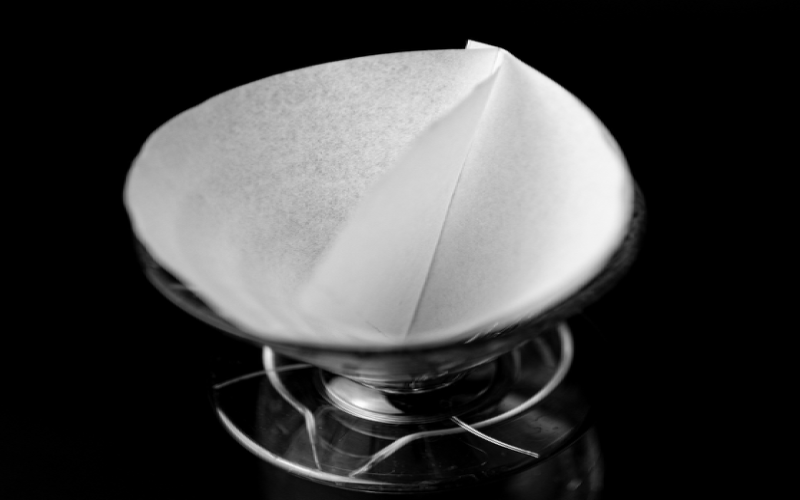
The usual way to make a pour-over blend is to mix different beans together and then grind and brew them as one, but a dual-chamber filter paper launched by Spanish accessory maker Sibarist breaks that convention. The filter has a paper wall down the middle that splits the original bed of grounds into two, letting baristas brew two different coffees at the same time, or the same bean at two different grind sizes, and ultimately fuse a brand-new flavor in a single cup. After the product appeared at the SCA Expo in Chicago, its price was announced: a pack of 30 sheets costs 30.94 euros, or about 8 yuan per sheet, which had plenty of enthusiasts saying they could not bring themselves to pay it. Chinese netizens, meanwhile, saw in its unfolded shape a resemblance to a double-flavor hot pot, and their imaginations ran to a "mandarin duck latte"玩法 in which coffee grounds go on one side, tea leaves on the other, and hot milk is poured through to brew it. [more…]

What Is the Ideal Water Temperature for Pour-Over Coffee? An Experimental Analysis of How Different Temperatures Affect Extraction Flavor
Many coffee enthusiasts who brew pour-over at home habitually estimate the water temperature by feel, without using a thermometer. As a result, the taste comes out a little different every time, and they start to wonder whether the beans are stale or the quality is problematic. In fact, water temperature has a far greater impact on pour-over extraction than one might imagine—the same beans can present completely different flavor directions at different water temperatures. In this article, Front Street Coffee uses a washed Yirgacheffe Gedingding Cooperative coffee bean from Ethiopia as the sample, brewing comparison tests at five water temperatures—80°C, 86°C, 90°C, 93°C, and 96°C. Through actual tasting, it records the flavor differences at each temperature, analyzes the principles by which water temperature affects extraction, and finally provides a recommended temperature range for everyday brewing. [more…]
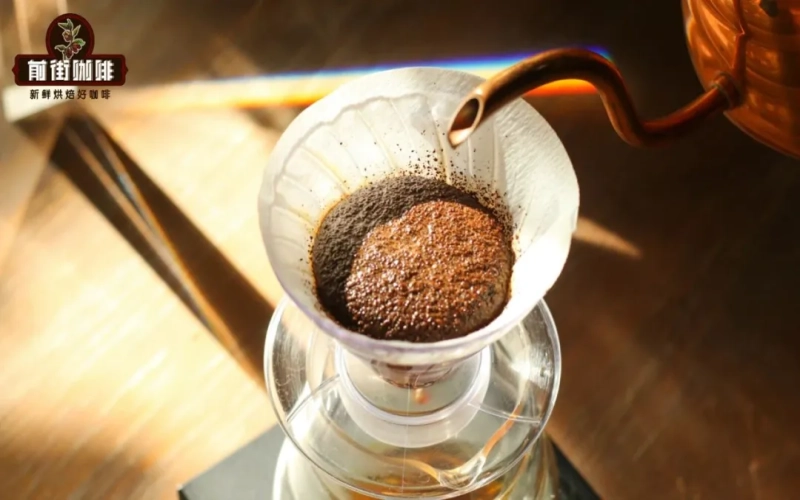
How Do Pour-Over Coffee Bed Depth and Shape Influence Flavor? A Detailed Explanation of the Differences Between Flat-Bottom Drippers and Conical V60
In the world of pour-over coffee, the shape of the coffee bed is often overlooked, yet it profoundly influences the final flavor expression. Starting from cases previously shared by Front Street Coffee, this article systematically sorts out the specific effects of coffee bed thickness and shape on extraction efficiency, stability, and coffee taste. You will learn why the same beans present completely different layers or balance in different drippers, and also understand why every dripper has a recommended dose. Through a comparative brewing example of Front Street Coffee Ethiopia Huakui, we will intuitively see the flavor differences brought by conical drippers and flat-bottom drippers, helping you understand more thoroughly the logic behind dripper selection, so you can brew a good cup of coffee more confidently. [more…]
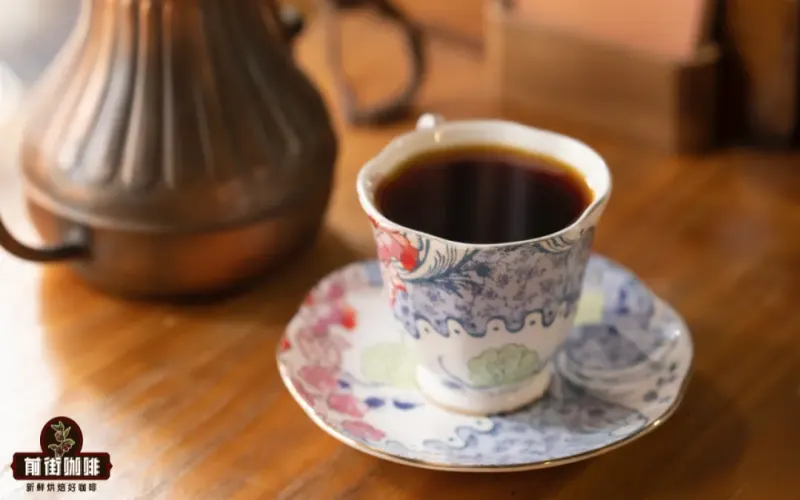
Same Coffee Bean, Different Brews: What Exactly Changes with Espresso, Americano, Pour-Over, and Cold Brew? A Complete Guide to Black Coffee Types and Flavor
Black coffee is not simply "coffee without milk or sugar." Although Americano, espresso, pour-over, and cold brew are all made from just water and coffee, they end up presenting completely different aromas, flavors, and mouthfeels because of the different extraction methods. This article uses Front Street Coffee's Strawberry Candy Espresso, a blended bean, as an example to break down one by one the brewing parameters and flavor performance of four common types of black coffee, and also offers coffee bean recommendations suitable for espresso, Americano, pour-over, and cold brew respectively. Whether you are just starting out or want to adjust your brewing plan, you can find practical references here and understand why the same bean can create such dramatically different landscapes in the cup. [more…]

Why does the same cup of Americano taste so drastically different when enjoyed hot versus iced?
The recipe for an Americano looks simple enough—just espresso diluted with water. But what's interesting is that merely switching the water from hot to iced makes it taste like two completely different drinks. A hot Americano is steady and full-bodied, while an iced Americano is crisp and lively—even the flavor direction shifts. The reason behind this doesn't lie in differences in extraction method, but in how temperature affects our sense of taste and smell. Starting from a hot-versus-cold comparison of Front Street Coffee's Warm Sun blend, this article walks you through why hot and iced Americanos can develop such distinctly different styles, and why this difference naturally divides coffee lovers into two camps. [more…]
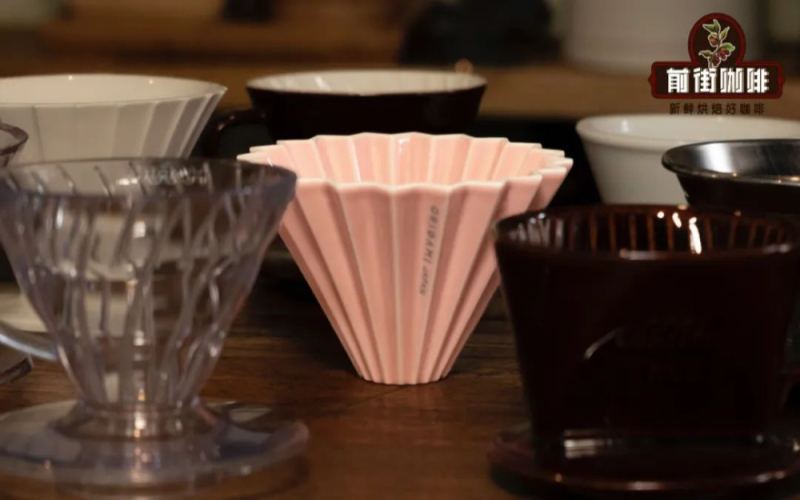
A Complete Analysis of the Flavor Differences and Pros and Cons of the Origami Dripper with Different Filter Papers
With its distinctive angular shape, the Origami dripper is highly recognizable among the many coffee drippers out there, and it can be seen in both coffee shops and world-class competitions. Designed by Yasuo Suzuki, this dripper's standout feature is that it can be paired with two different types of filter paper—conical and cake—and switching the paper directly affects the extraction rhythm and the final flavor direction. This article will start from the design origins of the dripper, combine a hands-on tasting with Geisha beans, compare the mouthfeel differences brought by the two types of filter paper, and objectively analyze the Origami dripper's strengths in terms of versatility as well as points to note when choosing a dripper stand. It also includes Front Street Coffee's store information, offering coffee enthusiasts a complete reference. [more…]
Pour-Over Coffee Tasting | Does Coffee Taste Differ with Different Cup Shapes? Which Cup Shape of Coffee Tasting Cup Should Be Paired for Tasting Different Coffees?
As the saying goes, a good horse deserves a good saddle, and good tea belongs in a fine jar. As the main vessel for holding coffee, the impact of different cup designs on tasting has gradually drawn people's attention. Some coffee shops even spend lavishly on a set of coffee cups dedicated to serving, in order to create a dual experience for the eyes and the palate. Just like wine, cups [more…]
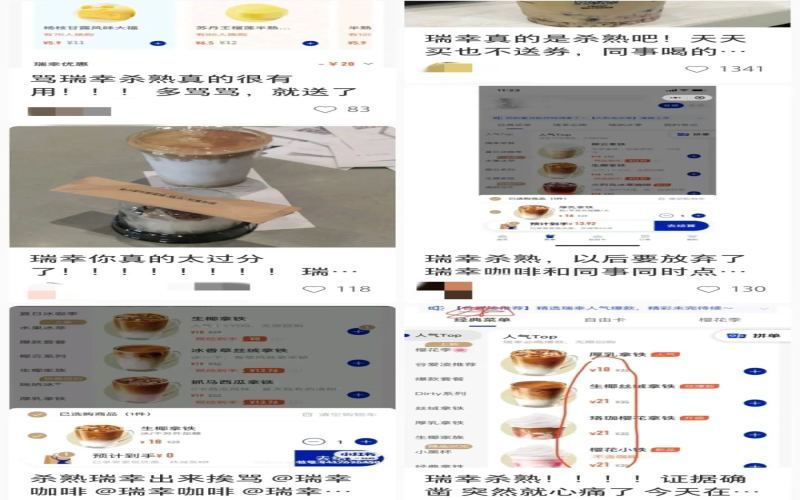
Luckin's Raw Cheese Latte Accused of Price Discrimination, Official Response Cites Comprehensive Factors
For professional coffee knowledge exchange and more coffee bean information, please follow Coffee Workshop (WeChat public account: cafe_style) For more specialty coffee beans, please add the personal WeChat of Front Street Coffee (FrontStreet Coffee), WeChat ID: qjcoffeex Recently, Luckin Coffee has been thrust into the spotlight over price discrepancies for its cheese latte. Some consumers reported that the same drink was priced vastly differently across accounts, ranging from 9.9 yuan to 18 yuan, sparking allegations of "big data price discrimination against existing customers." Luckin officially responded that the price differences stem from store operating costs and randomly issued system discounts, denying any price discrimination. However, this is not the first time Luckin has fallen into such controversy; as early as 2021, the media exposed similar cases. This article will sort through the course of the incident, the views of various parties, and the industry background, to explore the issue of price fairness in online consumption. [more…]
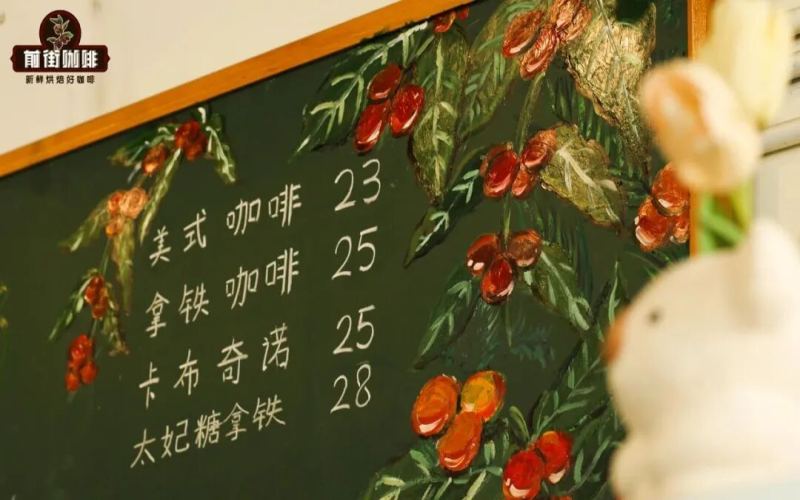
Americano | Why does the Americano taste noticeably different at different coffee shops? What characteristics should a delicious cup of Americano have?
Starting a refined day for the working crowd often takes just a cup of freshly ground coffee, and an Americano is the top choice for countless office workers. No matter what factors are at play, the Americano is always the "pillar" of any coffee shop, so its taste often directly shapes people's first impression of the place—sometimes even prompting the thought, "They can't even make a decent [more…]
Single-Origin vs. Espresso Blend Beans: Can Blends Handle Pour-Over?
In today's world of increasingly popular specialty coffee, single-origin beans and blended beans each play an important role. The former is often used for pour-over, showcasing the terroir of its region; the latter is mostly used for espresso, pursuing stability and balance. But can blended beans really not be used for pour-over? And is it feasible to use single-origin beans for espresso? This article will, from the perspective of Front Street Coffee, deeply analyze the essential differences between the two, answer the feasibility of using blended beans for pour-over, and at the same time emphasize the importance of coffee bean freshness. Whether you are a pour-over enthusiast or an espresso player, you can gain practical ideas for choosing beans and brewing from it. [more…]
There's an art to adding sugar to coffee: which coffees are best suited to white sugar, brown sugar, and caramel?
Many people are used to adding sugar to their coffee to neutralize the bitterness, but with so many different types of sugar out there, which one pairs best with coffee? There's actually no absolute answer. Because of differences in production methods and composition, different sugars bring entirely different levels of sweetness, aroma, and mouthfeel to coffee. The sugars commonly found in coffee shops are mainly white sugar, brown sugar, and caramel, and each suits a different type of coffee. White sugar is pure and versatile, brown sugar retains the flavor of sugarcane and is better suited to black coffee, while caramel adds an extra layer of toasted aroma. Today Front Street Coffee will talk about the finer points of using these sugars, to help you find the sweet companion that best suits your cup of coffee. [more…]
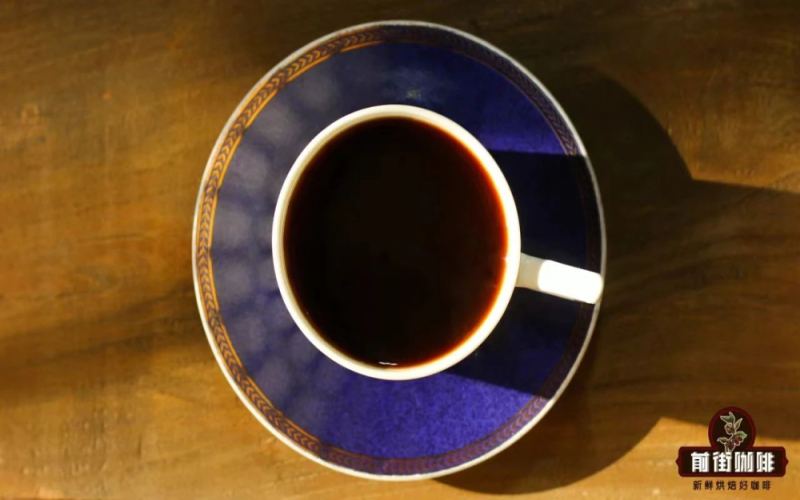
What is the core difference between Americano and Latte? A Complete Breakdown from the Espresso Base to Front Street Coffee's Blend Beans
The difference between Americano and Latte ultimately comes back to the shared base of Espresso. An Americano is espresso diluted with water, while a Latte is espresso blended with milk — the two head in completely different flavor directions. From the perspective of Front Street Coffee, this article first breaks down the extraction logic and tasting approach of Espresso, then explains the key points of making a Latte and milk steaming techniques, and finally systematically introduces the recipe concepts and flavor profiles of Front Street Coffee's four espresso blends — Black Cocoa Blend, Specialty Blend, Commercial Blend, and Warm Sun Blend — helping coffee lovers understand the complete chain of a delicious cup of espresso from beans to cup. [more…]
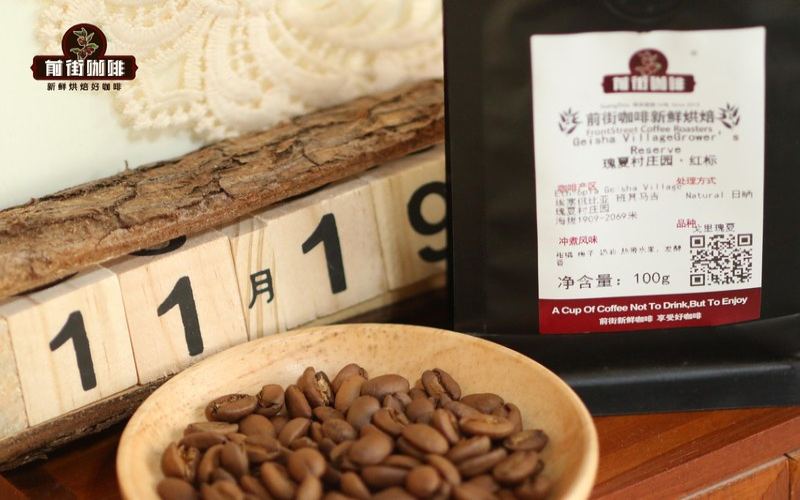
Different roast levels call for different ways of drinking blended coffee beans.
For blended coffee beans, you can start by looking at the roast level. With a lighter roast, the cup often retains brighter aromas and a lighter mouthfeel; as the roast deepens, notes like nuts, cocoa, and caramel become more prominent, and the sip carries more weight. First decide whether you prefer something crisp or rich, then look at specific bean options—your choices will have more direction. [more…]
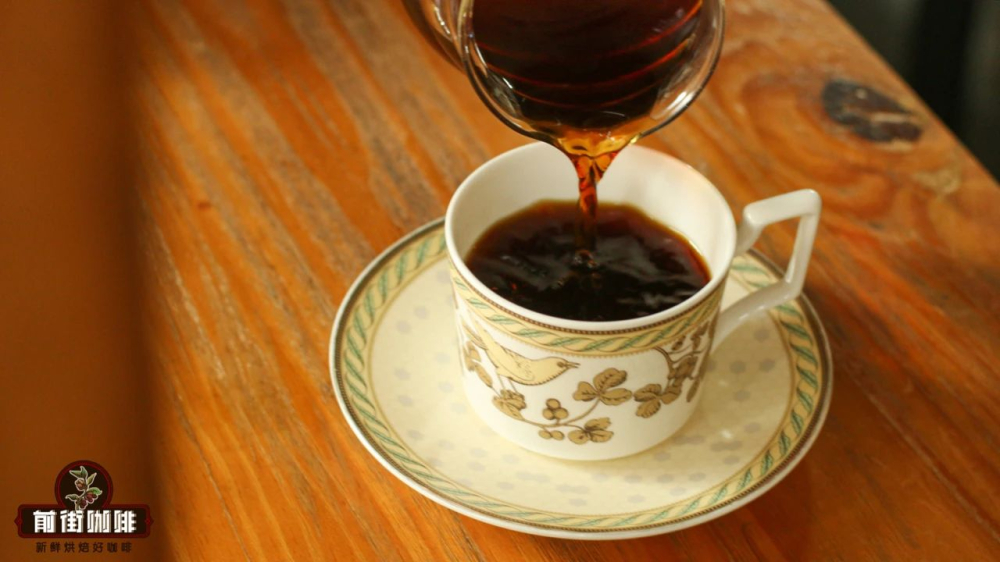
Pour-over black coffee drinking method | What is the best temperature for tasting coffee? Is there a big difference in coffee flavor at different temperatures? Can pour-over coffee be reheated after it cools down?
The saying "coffee should be drunk while it's hot" is something people often keep on their lips, and not without reason! Front Street Coffee remembers a coffee friend describing coffee after it had gone cold like this: "After one sip my head hurt so much, that bitter/sour + woody taste lingered in my mouth and wouldn't go away, and it made me withdraw for a long time~" Hot coffee left to cool [more…]
The Blending Principles and Purposes of Espresso Blend Coffee Beans, and Whether Blend Beans Are Suitable for Pour-Over Coffee
In the specialty coffee wave, single-origin beans and blended beans each have their own followers. Single-origin beans often appear in the pour-over realm, while blended beans mainly target espresso, safeguarding flavor consistency. But why exactly are beans blended? Can blends handle pour-over? And is it feasible to use single-origin beans for espresso? This article starts from Front Street Coffee's fresh-roasting philosophy, clarifies the conceptual boundaries between blends and single-origin, analyzes the process differences between pre-roast blending and post-roast blending, addresses the bean selection and roasting key points for SOE, and explains the rationale for using blended beans in pour-over along with Front Street's specific blending approach. [more…]
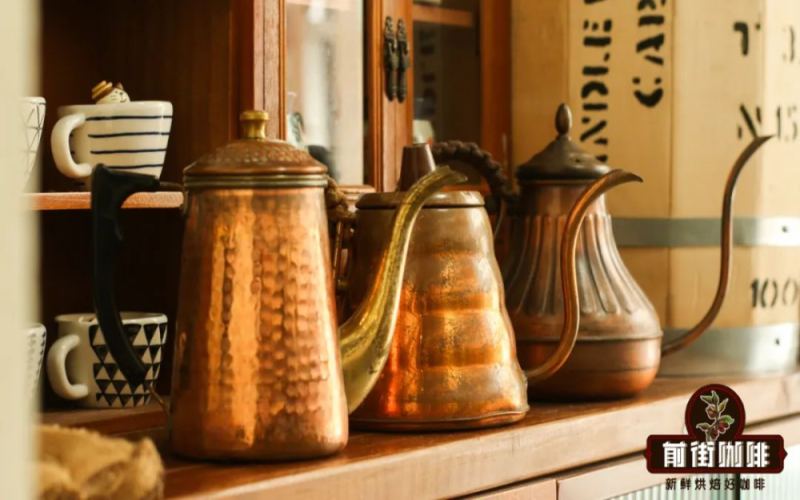
How to Choose a Pour-Over Coffee Kettle Spout? An Analysis of How Different Spouts Affect Water Flow and Brewing Results
Many friends who are just getting into pour-over coffee often encounter this confusion: with the same technique and the same parameters, why does the brewed cup taste different? Front Street Coffee recently had such a customer at one of its stores, and in the end the problem turned out to be the spout of the pour-over kettle. Differences in spout shape directly change the state of the water stream, which in turn affects how easy it is to pour and the final extraction result. This article will start from the size and width of the spout and other angles, analyzing in detail the water flow characteristics corresponding to different spouts, to help everyone make a choice that suits them better when buying a pour-over kettle—especially for beginners, this knowledge is particularly crucial. [more…]