








For more specialty coffee knowledge, please follow our WeChat official account: Front Street Coffee (FrontStreet Coffee)
Many customers who come to Front Street for coffee often discuss whether there is a difference in taste between ice drip coffee and cold brew coffee. Both are common methods of making cold coffee, but their production methods and flavor expressions differ. Below, Front Street will introduce in detail the characteristics and differences between ice drip and cold brew!
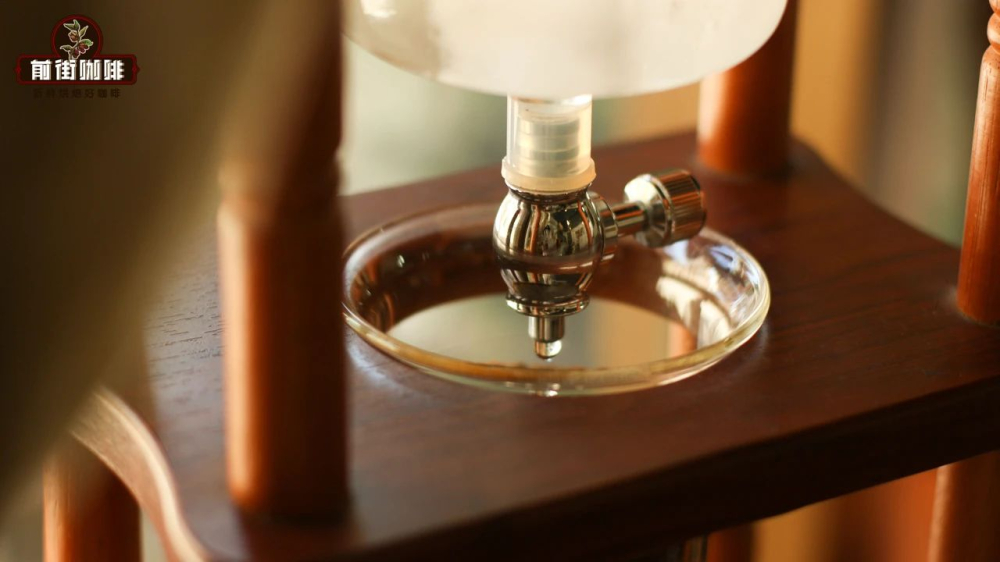
Simply put, ice drip coffee is a drip extraction method, while cold brew coffee is an immersion extraction method.

Ice drip coffee uses ice water dripping drop by drop through the coffee grounds layer to extract the rich coffee substances. The process is relatively long and requires specialized ice drip equipment. Front Street's general parameters for making ice drip coffee are: 60 grams of coffee powder, a grind size finer than pour-over, with 85% passing through a No. 20 sieve, and a drip rate of 7 drops per 10 seconds, producing 600ml of ice drip coffee in about 6 hours. The dripped coffee liquid should be stored in the refrigerator for 12 hours before drinking.
Many friends ask Front Street how much water and how much ice to add. On this question, Front Street says that as long as the entire process uses an ice-water mixture, it's fine, because we adopt the method of ending extraction once the target amount of coffee liquid is reached, so the excess ice water in the upper pot will not affect the coffee liquid.

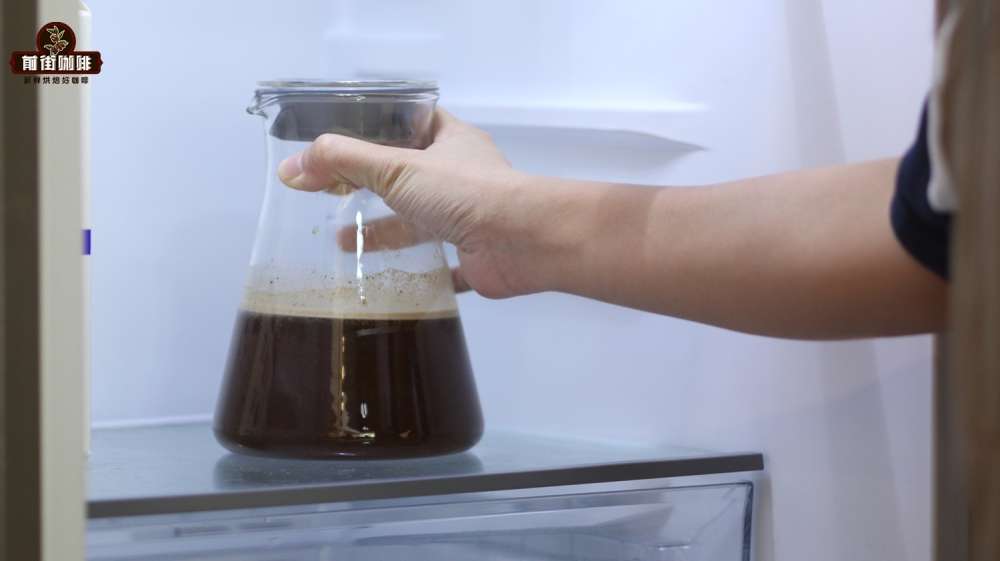
Cold brew coffee, also called cold water brew coffee, as the name suggests, is made by soaking and extracting coffee with cold water. Front Street recommends a coffee-to-water ratio of 1:12, with the coffee grind size also slightly finer than pour-over, at 85% passing through a No. 20 sieve. Put the coffee powder into a sealed bottle, add 12 parts water, shake well, and refrigerate for 12 hours. Then use a filtering device to filter out the coffee grounds thoroughly. Place the clean coffee liquid in the refrigerator for 4 hours before drinking.
Because of the difference in methods, their forms and flavor expressions are also somewhat different. Ice drip coffee appears clearer and more translucent.
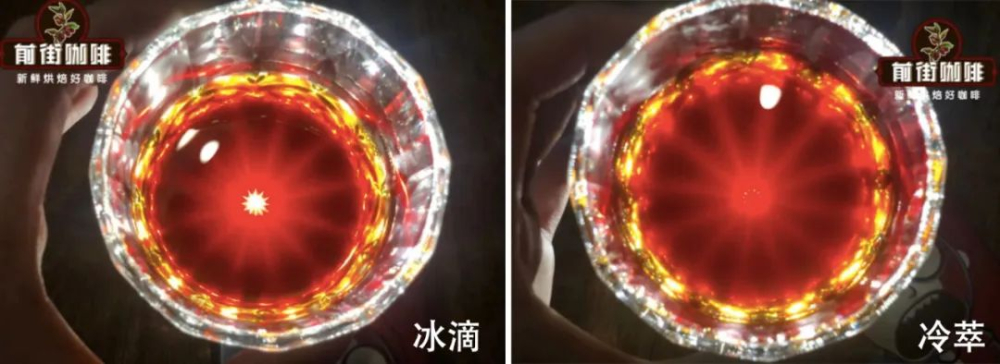
In terms of flavor, the expression of the same coffee bean also differs. After a night of fermentation, ice drip coffee has a stronger fermented aroma, tastes more refreshing, with an alcoholic fermentation flavor. Cold brew coffee retains more of the coffee bean's own flavors (for example, coffee beans with fruity flavors can retain rich fruitiness) and has a fuller mouthfeel.
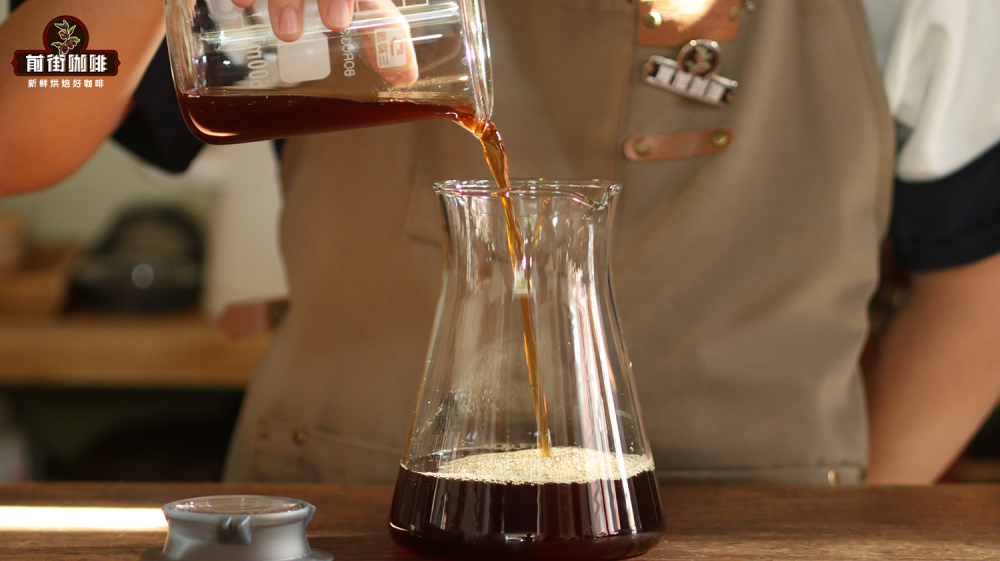
Using the same light-roast Front Street washed Yirgacheffe to make ice drip coffee and cold brew coffee respectively, their flavor expressions are as follows:
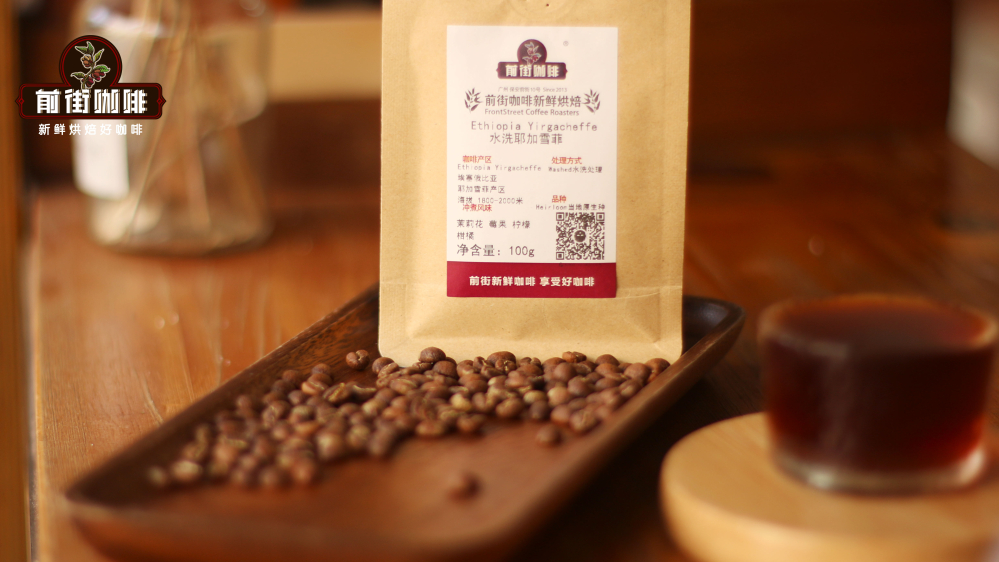
Ice drip flavor: refreshing, clean mouthfeel, rich fermented aroma, with some alcoholic notes. A slight berry sweet-and-sour taste.
Cold brew flavor: relatively full mouthfeel, relatively uniform flavor, with a very obvious fruity sweetness. The fermented note is not very strong.

Ice drip coffee and cold brew coffee each have their own strengths in expression. If you want to try the iced coffee flavor expression of coffee beans, you can try cold brew coffee. If you want to try the characteristic flavor expressed by the production method, you might as well try ice drip coffee.
The above content is compiled by CoffeeHunters, a coffee news website.


