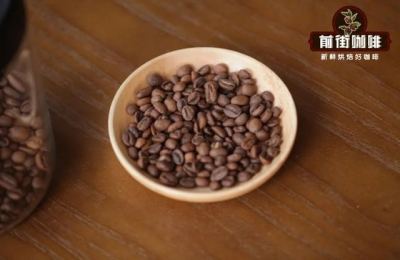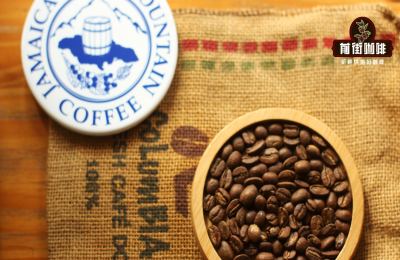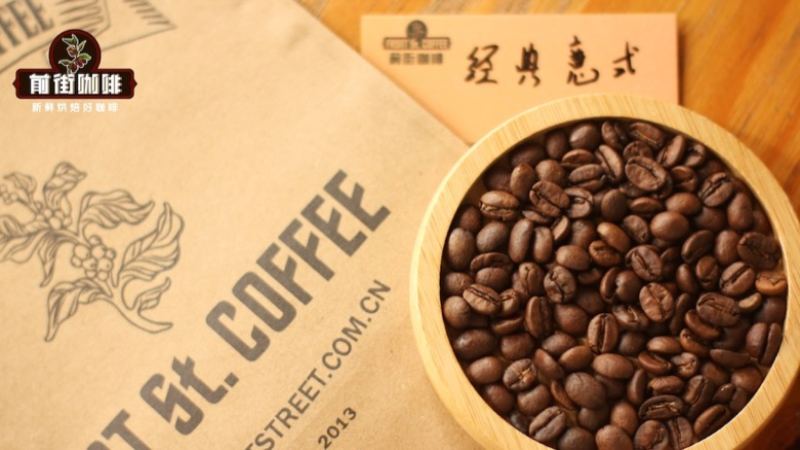
On specialty coffee bean lists, varietal names like "Typica" and "Bourbon" are appearing more and more frequently. They are two of the older major varietal families in the Arabica world, and pour-over enthusiasts know their flavors inside out, but not many people talk about how they perform in espresso. This article sorts through the "espresso faces" of several representative varieties, looking at how old varieties express themselves in new scenarios.
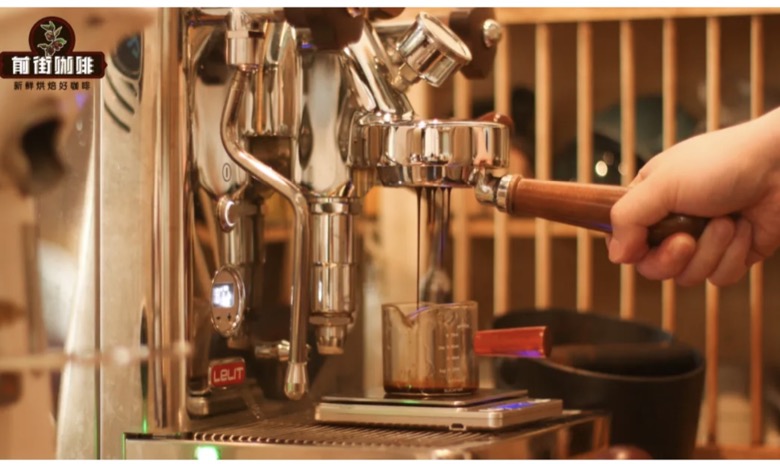
Typica: The full-bodied school of classic structure. As the progenitor variety of Arabica, Typica's plant morphology (tall, thin, conical) and low yield have made its legendary status and price, and its flavor labels are "clean, delicately sweet, classic." Moving over to espresso extraction, Typica performs surprisingly steadily: the main body of Blue Mountain No. 1's blend is Typica-lineage beans, and its trait in espresso is pure sweetness and a clean mouthfeel—no off-flavors, no sense of defects, with the structure of acidity, bitterness, and sweetness as proper as a textbook. Front Street Coffee Yunnan Typica as SOE is also a common approach in recent years: the brown sugar and grain sweetness shows a caramelized thickness under espresso concentration, and the SOE version of 2013 Front Street Coffee Yunnan natural Typica has a steady following. The keyword for Typica espresso is "proper"—it is not stunning, but it stands up to being drunk every day.
Bourbon: The approachable school of rounded sweetness. The Bourbon family (Red Bourbon, Yellow Bourbon, etc.) is renowned for its sweetness on the cupping table, and Brazil's Yellow Bourbon is especially a regular in espresso. Bourbon beans' face in espresso is "rounded sweetness": for Bourbon-lineage single origins such as Front Street Coffee Brazil Queen's Estate, the espresso output has a full and solid sweetness of milk chocolate and nuts, medium to fuller body, and no perceptible acidity. This face makes Bourbon an ideal bean for the crowd that believes "coffee should be fragrant and sweet"—it reconciles the contradiction between espresso's concentration and approachable sweetness very well.
Geisha: The sharp school with floral aroma that cuts through. When Hacienda La Esmeralda-grade Geisha is made into SOE, the floral and citrus notes in espresso are still distinguishable—this kind of flavor penetration is hard for other varieties to match. But Geisha SOE is a double-edged sword: extract it properly, and it is the ceiling of flavor; deviate in extraction, and the sharp acidity and imbalance are magnified too. It suits players with mature parameter control, as the "experience slot" on a bean list.
SL lines: The distinctive school of intense fruit acidity. The espresso of Kenya's SL28 and SL34 is synonymous with fruit acidity at its most concentrated: the sweet-and-sour impact of blackcurrant is strong, and the body is fuller than most African beans. SL-line SOE mixed with milk to make a fruity latte has quite a market, while drinking it straight tests the palate's acceptance of concentrated fruit acidity.
The common lesson of turning old varieties into espresso: variety determines the "base color" of flavor, while roasting and extraction determine the "light and shade" with which that base color appears. Typica's propriety and Bourbon's sweet smoothness both need espresso-designed roast profiles to magnify them; for the same variety, the espresso performance of a pour-over roast version and an espresso roast version can be as different as two beans. When buying varietal beans for SOE, making sure it is "espresso roast" matters more than making sure of the varietal name—the new faces of old varieties are painted by the roaster.
The above content is compiled by CoffeeHunters, a coffee news website.