








How Does Coffee Quality Relate to Cleanliness in Cupping?
Cleanliness in coffee cupping does not mean a single dominant flavor or a clear-looking liquid. It means a cup free of negative, defective flavors, paired with enough clarity that positive flavors remain recognizable. Both the SCAA and COE cupping forms score clean cup as a key item because it reflects overall coffee quality.
Defects can enter at any stage, from cultivation and processing to roasting and brewing. Unripe quakers, for example, bring hay or roasted-seed notes, and beans stored in high humidity can develop off flavors. Front Street Coffee explains that a specific, easy-to-identify flavor can signal good cleanliness, but that does not require reducing flavor richness in specialty coffee.
In the evaluation system of specialty coffee, cleanliness is a core indicator that cannot be overlooked, but many coffee enthusiasts have misunderstandings about it. Some believe that cleanliness means a single flavor, while others equate it with the clarity of the coffee liquid. In fact, cleanliness is closely linked to coffee quality, requiring both the absence of negative defective flavors and the sufficient clarity and recognizability of positive flavors. Front Street Coffee will start from cupping standards and systematically sort out the two-layer judging logic of cleanliness, helping everyone re-understand this key concept in specialty coffee evaluation and understand why it can directly reflect the overall quality level of coffee.

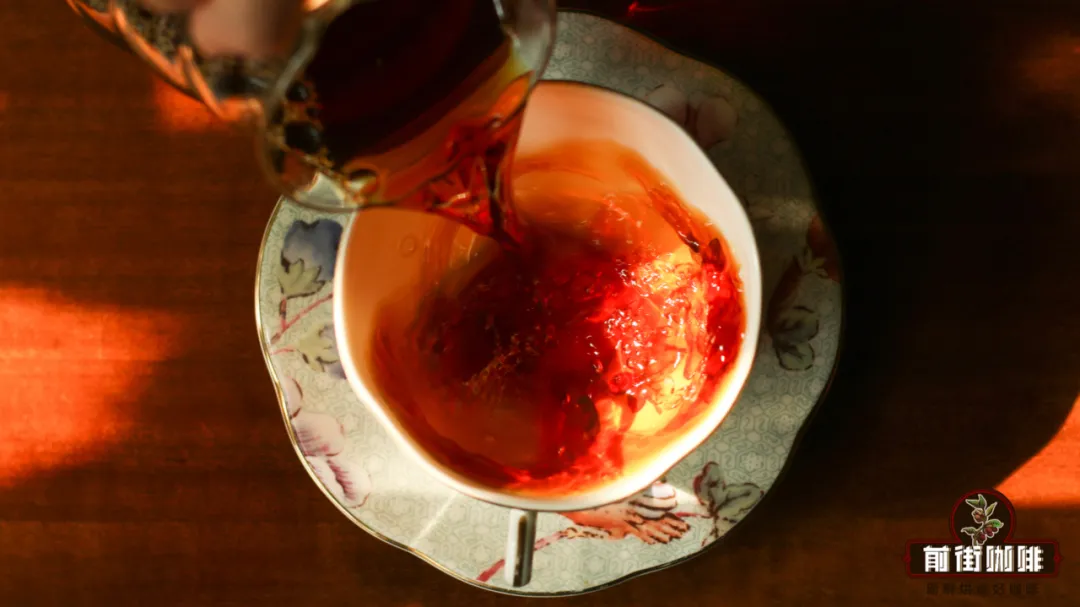
Front Street Coffee recently discovered that many friends have misunderstandings about the "cleanliness" of coffee. Some think that cleanliness means fewer flavor layers in coffee, but one particular taste is especially prominent and easy to identify. Because the complexity is not high, a specific flavor can be tasted immediately, and this is considered a manifestation of high cleanliness. Is that actually the case?
Of course not. Being able to capture a very specific flavor from a cup of coffee does indeed indicate good cleanliness, but this does not mean that the richness of flavors must be reduced to achieve it. In addition, some friends understand cleanliness as whether the coffee liquid looks clear or transparent, which is likewise a misreading.
No worries. Today Front Street Coffee will guide everyone through a fresh look at what coffee cleanliness really refers to.
What does coffee cleanliness mean?
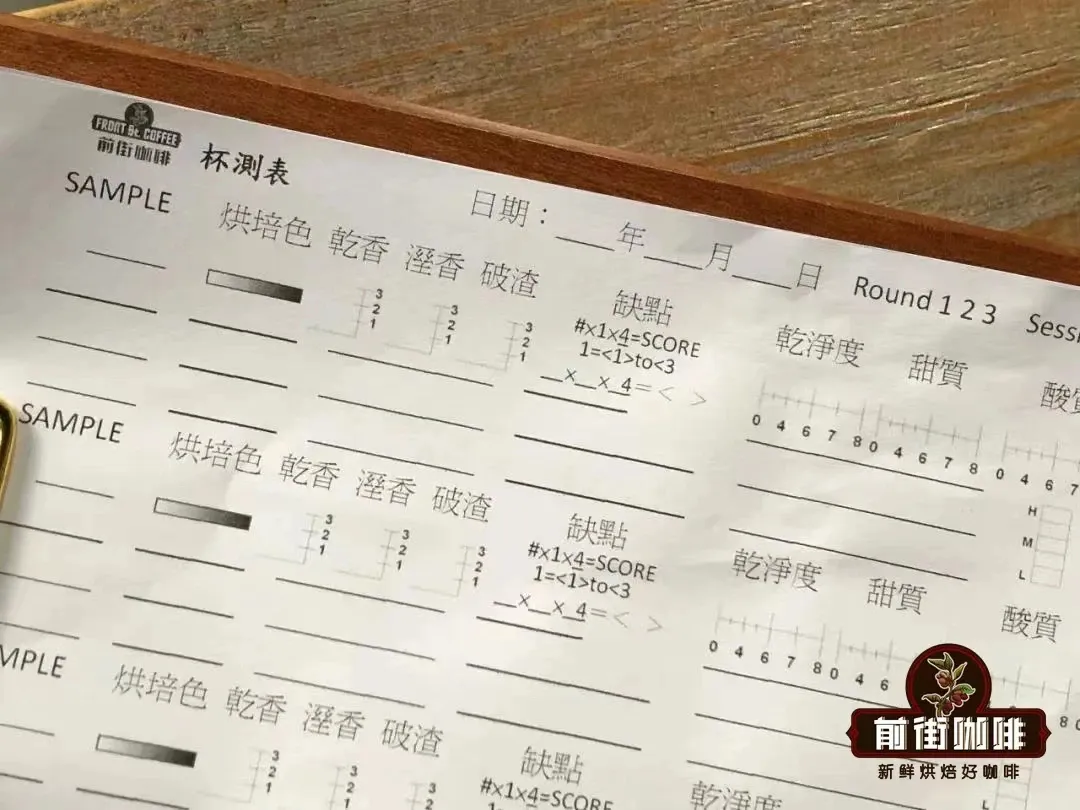
Whether in the SCAA cupping form or the COE cupping form, "Clean cup" is a key scoring item. The reason is that whether coffee is "clean" is directly related to its quality.
For a cup of coffee to pass on cleanliness, the first requirement is that it must not carry any negative, defective flavors.
Front Street Coffee also explained in detail in another article discussing factors affecting coffee cleanliness that, from cultivation, processing, roasting to brewing, improper operation at any stage may cause unpleasant negative expressions in coffee. For example, if unripe quakers are mixed in, the coffee will bring out the smell of hay or roasted seeds; beans kept in a high-humidity environment for a long time during processing are prone to becoming moldy beans, thereby producing a moldy smell; if the heat is too strong during roasting and the bean surface is scorched, it will bring a burnt bitter taste; if the extraction rate is too high during brewing, or if the beans used are too fresh, it is easy to produce uncomfortable sensations such as miscellaneous, astringent, and dry...
These negative factors not only greatly reduce the coffee-drinking experience, but also hinder our recognition of the coffee's positive flavors. Therefore, to judge whether a cup of coffee is clean, the first thing is to see whether it has negative expressions.
After confirming that the coffee has no negative expressions, cleanliness enters the second layer of judgment—the clarity of flavor. Whether there are defective flavors can only show whether the coffee quality meets the standard; the clarity of flavor is the main basis for measuring cleanliness.
The clearer and richer the coffee's flavor, the higher the cleanliness score.
If, after the coffee enters the mouth, we cannot clearly associate it with a specific flavor, feel it is very vague, and cannot even describe which major category it belongs to, then the cleanliness of this cup of coffee is destined not to be very high;
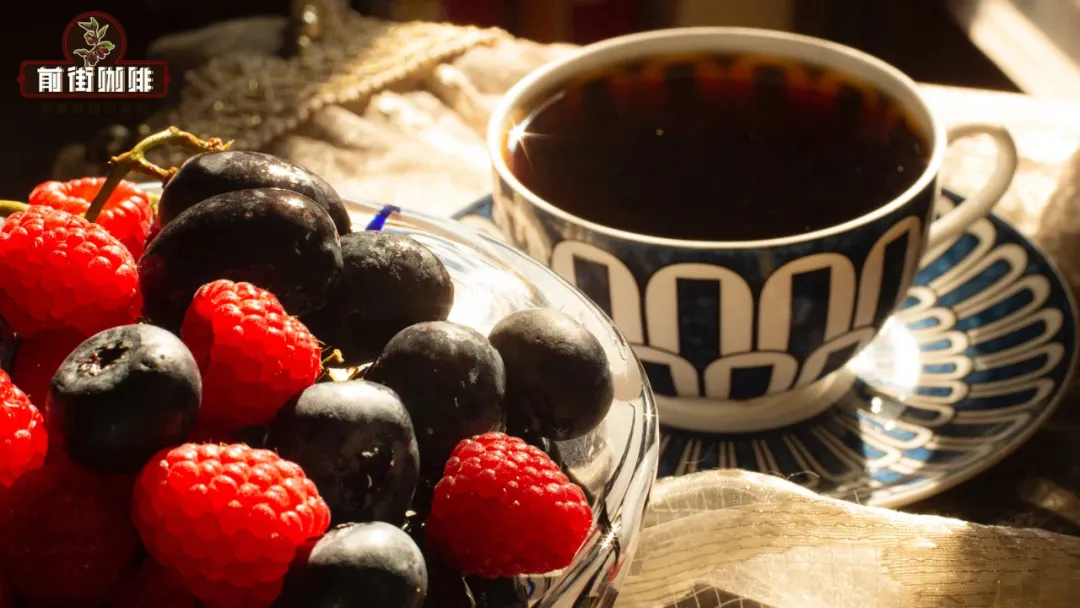
If, after the coffee enters the mouth, we can roughly determine which category the flavor belongs to, such as berries, tropical fruits, or white floral notes, then the cleanliness will be somewhat higher than the former;
If specific flavors can be clearly tasted directly from the coffee, such as orange, citrus, cherry tomato, jasmine, etc., and there are no other negative expressions, then it shows that the cleanliness of this cup of coffee is very high.
In other words, we can also understand "cleanliness" as the "degree of purity" in the coffee's overall expression. Just like what the phrase "clear enough to see the bottom" expresses—because the water quality is clean enough, one can directly see the riverbed through the water, rather than seeing only impurities that make the river turbid at a glance. The same principle applies to coffee.
So we understand why coffee cleanliness is equivalent to coffee quality: the higher the coffee quality, the higher the cleanliness.
- END -
The above content is compiled by CoffeeHunters, a coffee news website.


