When tasting coffee, we focus on flavor, mouthfeel, and aftertaste, but when it comes to layering, few people understand what it means. In this article, Front Street Coffee will guide you through understanding layering in coffee!!
Rich layering in coffee means that when you take a sip, you can clearly perceive multiple flavors, which is what we often call flavor complexity.This term might feel a bit abstract. Perhaps Front Street Coffee can help you understand what layering means by showing a set of images. Through the visual comparison (below), we can sense that the right image appears more three-dimensional with more layers—the green forest in the foreground shows clearly distinguishable layers, and the same goes for the sky. In the left image, the layers are somewhat fewer; the green forest in the foreground is hard to separate into layers and blends into one, while the sky is a hazy gray forming a backdrop.
 Visually, rich layering means being able to clearly distinguish more layers in a single image. When it comes back to tasting layering in coffee, it means clearly distinguishing more flavors through taste buds and olfactory cells. The key lies in clarity and multiple flavors.
 For example, when drinking a Geisha coffee, taking a sip and letting it swirl in the mouth, you first perceive a citrus-like acidity, followed by a hint of jasmine fragrance, and from it you can distinguish the sweetness of honey and the faint fresh scent of green tea. These flavors clearly coexist—this is rich layering.
So what does a coffee lacking in layering look like? The first type is a single, flat flavor—such coffee's flavor can be clearly identified, but not many flavors are expressed; it comes across as one-dimensional. This type of coffee is generally not about its flavors but about other qualities. For example, Blue Mountain coffee—layering is not its strength; balance, cleanliness, and body are the characteristics that make it beloved.
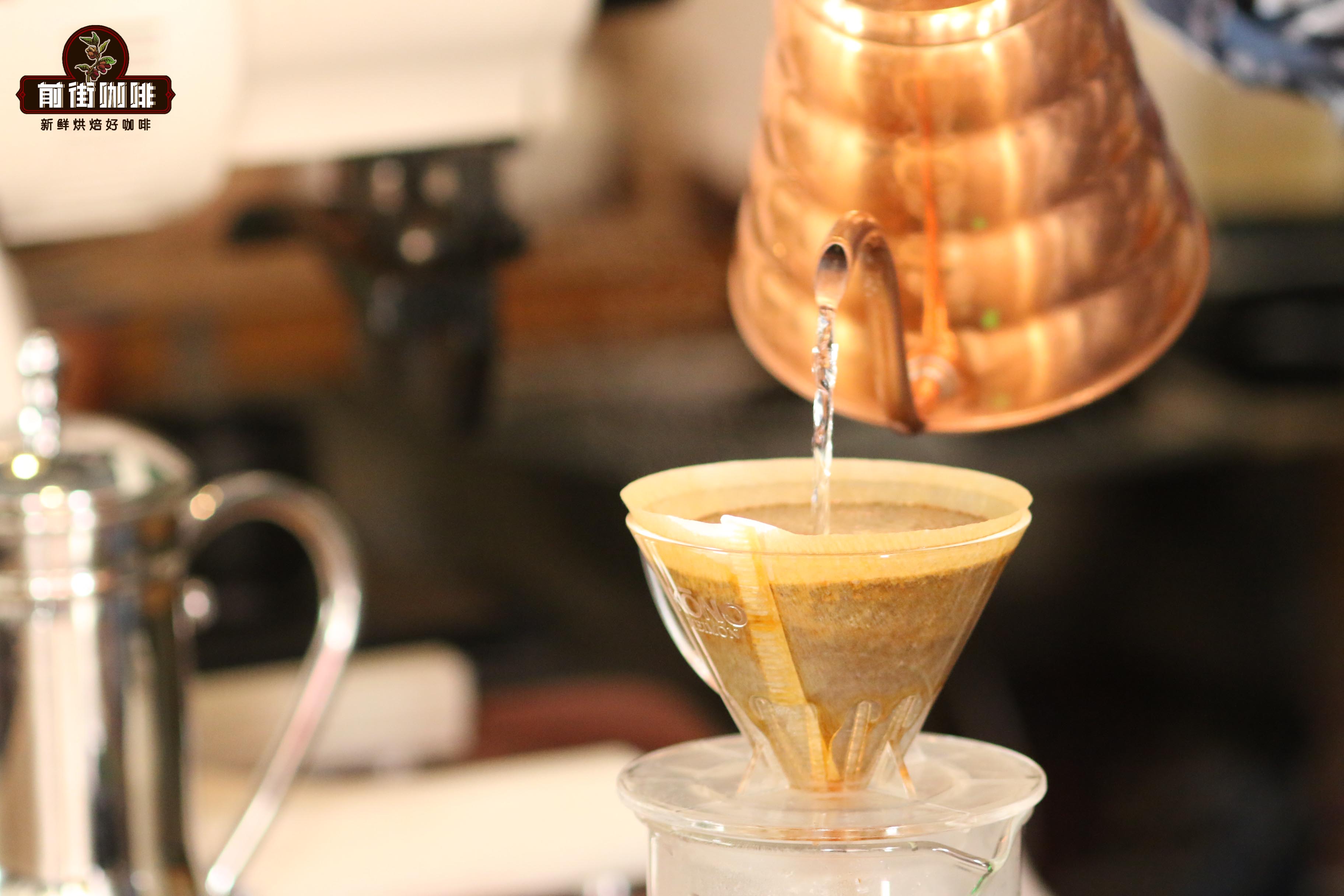 The second type is having many flavors, but the flavors are very vague and hard to distinguish, creating a muddy sensation. Coffee in this situation is considered bad coffee, usually the result of problems during brewing.
Therefore, Front Street Coffee shares a few methods to help you brew coffee with layering.
Coffee beans grown at higher altitudes tend to express richer layering. This is because the higher the altitude, the denser the coffee beans, and the richer the flavor compounds.
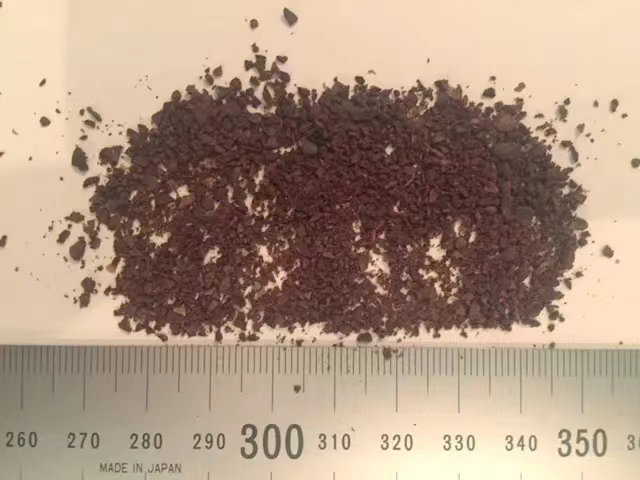
The more substances involved in fermentation, the richer the layering expression. Natural process coffee beans have an advantage over washed process coffee beans in layering expression. Note that we say advantage—it doesn't mean natural beans necessarily have stronger layering than washed beans. This layering expression comes from rich flavors, and the extent of flavors depends on the substances involved in fermentation and the duration. So on the track of layering, coffee beans with a high degree of fermentation have a natural advantage.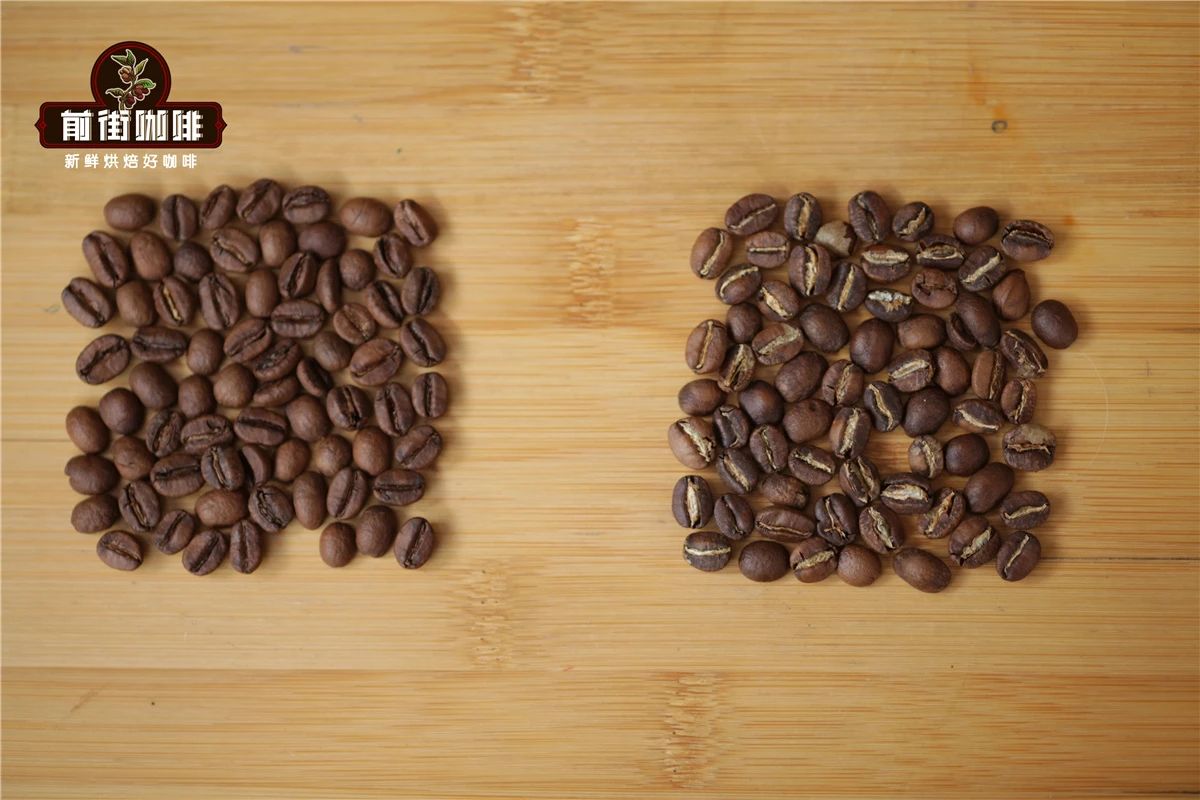 - Retain an appropriate amount of finesGenerally, coffee particles smaller than 0.3mm are called fines. Fines are like a double-edged sword—excessive fines make coffee bitter. An appropriate amount of fines can add considerable flavor and enhance the layering of coffee.This is actually caused by uneven extraction. Imagine that different particle sizes lead to different rates of flavor release. Smaller particles release substances faster, while larger particles release substances slower. This results in different flavors being released from different particles, creating diverse flavors.Many people ask, "Aren't coffee grounds for brewing supposed to be as uniform as possible? Why are you saying inconsistent grind sizes are good?" This is a bit like "talking about toxicity while ignoring dosage." Even the most expensive grinder cannot produce absolutely uniform coffee grounds—there will naturally be coarse and fine particles, but the relative difference and proportion will be smaller. The "appropriate amount" of fines mentioned earlier, expressed in data, is about 5% of the total.
 Staged pouring can also effectively enhance the layering of coffee. We can draw this conclusion from comparative experiments between the "one-pour" and "three-pour" brewing methods.
The three-pour staged pouring distributes the "stirring" action of the water stream across three different time periods. In subsequent periods, the coffee bed can also tumble, releasing more substances. This way, the overall coffee layering expression becomes richer. - Increase the coffee-to-water ratioFront Street Coffee mentioned this earlier when sharing knowledge about concentration, but when coffee is too strong, flavors become blurry and hard to distinguish, creating a muddy sensation. The solution is very simple: increase the coffee-to-water ratio. For example, if you use a 1:15 ratio and the coffee flavors are blurry, next time try a 1:16 or 1:17 ratio.
The above content is compiled by CoffeeHunters, a coffee news website.