







Search Results for: factor

Coffee Brewing Time | Why Do You Need to Time Your Pour-Over Coffee? What Factors Affect the Extraction Time When Brewing Coffee?
When brewing the vast majority of coffees, we always casually press the timer function that comes with the scale to start counting time—this is something that seasoned baristas have emphasized since the very beginning. But for some friends, this behavior is incomprehensible, because they believe that recording time has no effect on the coffee. [more…]

Pour-over Coffee Brewing Parameters | What Factors Affect the Flavor and Mouthfeel of Pour-over Coffee? How Can Coffee Beginners Learn Pour-over Coffee?
Coffee mysticism has long become a commonplace topic in coffee circles, and the most discussed aspects are flavor mysticism and brewing mysticism. Front Street is here to help everyone unveil the surface-level mysticism and reveal the underlying science. Flavor mysticism generally refers to when you drink a cup of coffee and only taste bitterness and sourness, while the person next to you [more…]
Coffee Futures Trading and Price Fluctuations: An Analysis of Key Factors Such as Supply, Climate, and Policy, and Market Trends
Coffee is a commodity second only to crude oil in global trading volume, and its futures price fluctuations affect the politics and economies of producing countries while also attracting countless investors. This article systematically examines the major core factors influencing coffee bean prices: changes in supply, climate and pests, government policies of various countries and measures by the International Coffee Organization, strikes and market rumors, and seasonal patterns. At the same time, it provides an in-depth analysis of the special position of major producing countries such as Brazil, revealing the market logic and investment opportunities behind the key break-even line of $1 per pound. [more…]

Espresso Extraction Principles | How to Extract Espresso with a Semi-Automatic Coffee Machine? What Factors Affect Espresso Extraction Parameters?
For more specialty coffee knowledge, please follow our WeChat official account: FrontStreet Coffee. Front Street has noticed that many friends have fallen in love with espresso topped with golden crema and hope to make it at home as well. Compared with pour-over, espresso is made using steam pressure. [more…]
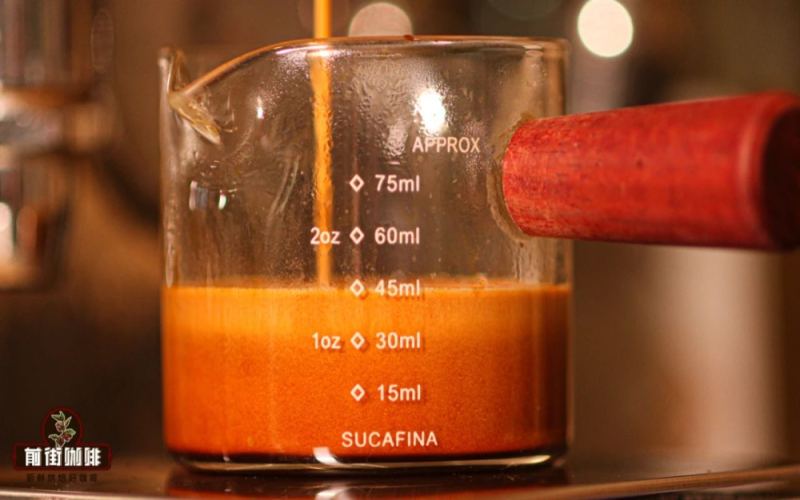
Espresso Extraction Yield | What Is Golden Cup Extraction? What Factors Affect the Flavor of Espresso Extraction? How Is Coffee Extraction Yield Calculated?
For more specialty coffee knowledge, please follow our WeChat public account: Front Street Coffee (FrontStreet Coffee). Those who have read Front Street's popular science articles may have noticed that Front Street rarely specifies exact extraction times the way it does when explaining pour-over coffee, because espresso extraction is about more than just [more…]
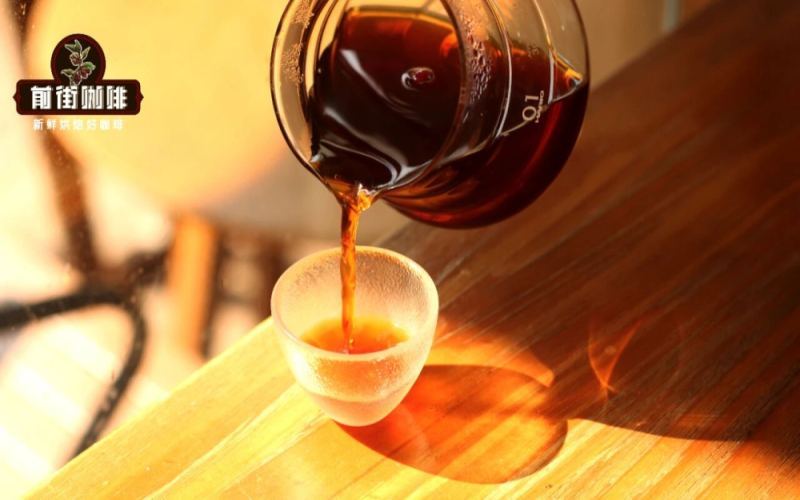
What Is Coffee Body? A Full Analysis of the Factors Affecting Body and Brewing Methods
When drinking coffee, people often describe the mouthfeel as "rich," "light," or "full," and behind this lies a professional term—body. It is not a specific flavor of coffee, but rather the weight and tactile sensation of the coffee liquid in the mouth. Starting from the definition of body, this article sorts out the factors that affect richness, including green bean processing methods, bean varieties, roast levels, and brewing equipment, and shares how to achieve an ideal body experience through different brewing methods. The article also recommends two single-origin coffees suited to experiencing a rich mouthfeel—Front Street PWN Golden Mandheling and Front Street Queen's Estate—and, combined with a siphon brewing example, helps coffee enthusiasts build a systematic understanding of body. [more…]
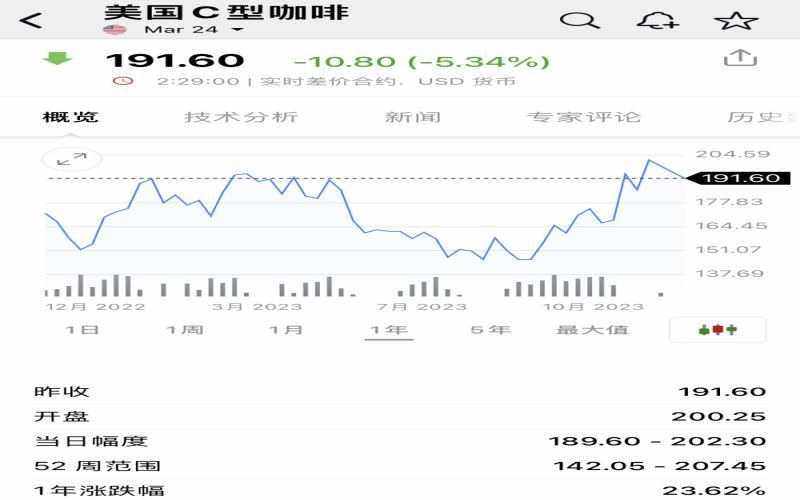
Analysis of U.S. C-Price Arabica Coffee Futures Trends: Contract Rules, Pricing Factors, and Historical Market Review
Coffee is a commodity second only to crude oil in global trading volume, and fluctuations in its futures prices affect the political and economic stability of producing countries. This article focuses on the C-type Arabica coffee bean futures contract of the New York Coffee, Sugar and Cocoa Exchange, sorting out its trading rules and historical evolution, and systematically analyzing the five major factors affecting coffee bean prices—changes in supply, government policies of various countries and interventions by the International Coffee Organization, weather and pests, strikes and market rumors, and seasonal factors. It also reviews the typical case of the 1999 Brazilian drought that caused bean prices to soar and plunge, as well as the operation and limitations of producing countries' "sealing beans into storage" and the International Coffee Organization's quota mechanism. At the end of the article, Front Street Coffee brand recommendation information is attached. [more…]
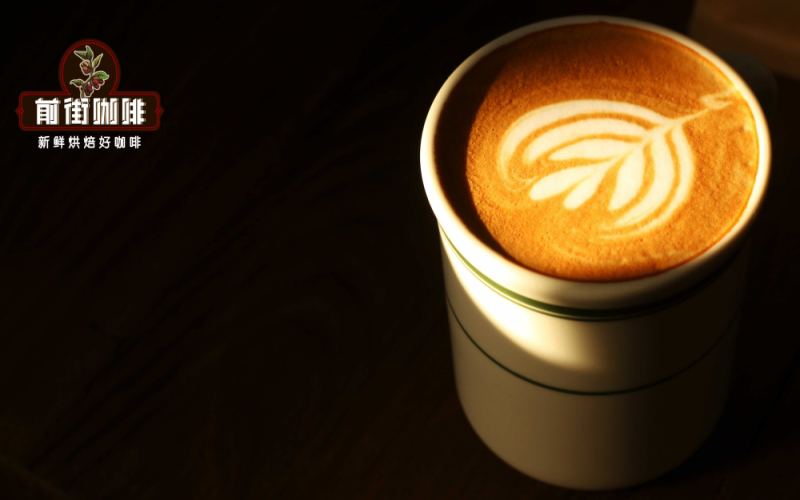
Standard Espresso Extraction Time | What's the Difference Between Americano and Espresso? What Factors Affect the Flavor of Espresso?
Espresso Extraction Standard Time - The Difference Between Americano and Espresso. Front Street Coffee has noticed that many friends have fallen in love with espresso topped with golden crema and hope to make it at home. Compared with pour-over, espresso is made using steam pressure, with scalding hot water passing through the coffee grounds to brew a small [more…]
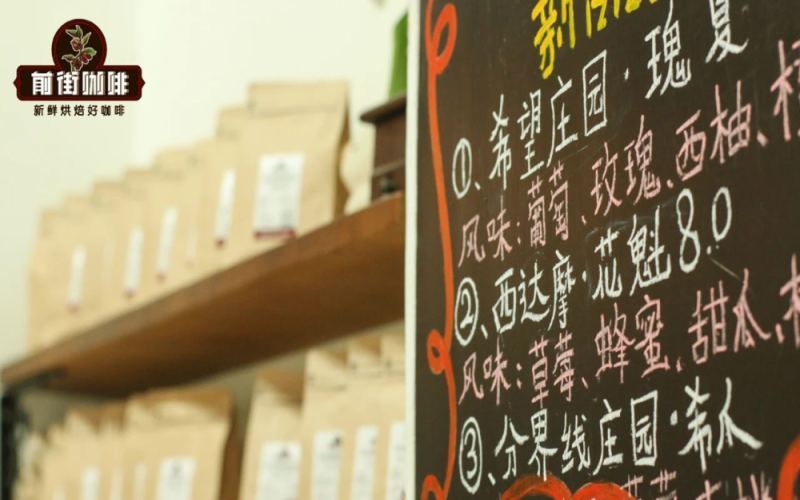
A Complete Analysis of Pour-Over Coffee Brewing Time: Extraction Logic from Dripper Structure to Pouring Technique and a 2-Minute Standard Recipe
How long exactly should the brew time for pour-over coffee be controlled to? This question seems simple, but in reality it involves the combined effects of multiple variables such as the structure of the dripper, the dose of coffee, the pouring speed, and the grind size. Brew time is essentially the duration of contact between coffee grounds and water, which directly determines the degree to which flavor compounds are dissolved. This article will start from the principles of extraction, analyze one by one the various factors that affect brew time, and share a basic brewing recipe commonly used in Front Street Coffee stores—15 grams of coffee, a 1:15 coffee-to-water ratio, a V60 dripper, three-stage pouring, with a total time of about 2 minutes—suitable for beginners new to pour-over to imitate and practice. [more…]
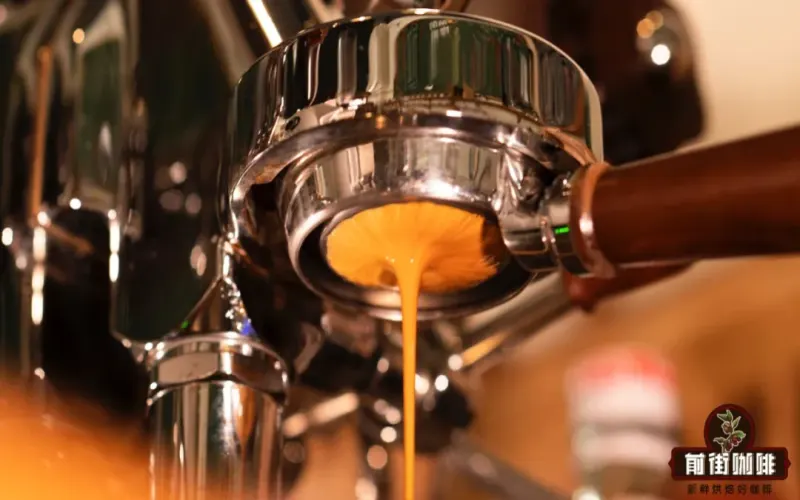
Uncovering the Hidden Factors Behind Unstable Espresso Extraction: How Residual Grounds, Water Temperature, Pressure, Environment, and Chamber Pressure Affect the Flow
Many coffee enthusiasts will notice that with the same beans and the same machine, the flow rate of espresso can change every few hours or even every few dozen minutes, sometimes fast and sometimes slow. Beyond the aging characteristics of the coffee beans themselves, there are actually quite a few easily overlooked hidden factors influencing the extraction results, including residual grounds in the grinder's chute, temperature fluctuations in the espresso machine's hot water, the state of the pump pressure, changes in ambient temperature, humidity and air pressure, and whether the grinder's hopper pressure remains stable in a café setting. Front Street will analyze these factors' mechanisms of influence on espresso extraction one by one, and provide corresponding improvement solutions to help everyone reduce unnecessary adjustments and make their output more consistent. [more…]

How Long Should Pour-Over Coffee Extraction Take? Is Two Minutes a Hard Requirement? An Analysis of Factors Affecting Brewing Time
How long exactly should the extraction time for pour-over coffee be controlled? Is two minutes truly an unshakable standard? Starting from the relationship between extraction yield and time, this article explains why Front Street recommends 2 minutes ±10 seconds as a reference range, and clarifies the logic behind how this time matches Front Street's current brewing framework. At the same time, the article will sort out which variables directly change the speed at which water passes through the coffee bed during the entire pour-over process, among which grind size is one of the most critical influencing factors. Only by understanding the parameter interactions behind time can you more accurately judge the source of flavor deviations and make effective adjustments. [more…]

What Factors Affect Coffee Cleanliness? An Analysis of the Meaning and Assessment of Cleanliness in Pour-Over Coffee
When tasting pour-over coffee, clarity is often mentioned, but what exactly does it mean? Which steps can influence the clarity of a cup of coffee? From the perspective of Front Street, this article sorts out the relationship between clarity and the overall flavor performance of a cup of coffee, explaining that clarity is not an isolated indicator, but needs to be judged together with layering, aroma fullness, and aftertaste. It will also mention store information for Front Street Coffee, helping readers more accurately understand the meaning of clarity and the factors that influence it in pour-over practice. [more…]
A Complete Guide to Anaerobic Fermentation of Coffee Beans: Processing Fundamentals, Six Key Control Factors, and Practices for Quality Consistency
Fermentation is a core step in coffee processing that shapes flavor direction. It is driven by microorganisms such as yeasts and bacteria, which convert sugars and acids within the coffee cherry into acids and alcohols. Good, controlled fermentation can highlight a coffee's varietal characteristics, while uncontrolled fermentation may bring negative flavors reminiscent of spoilage and spoiled wine. Starting from the basic principles of fermentation, this article sorts out the differences between the two pathways—aerobic and anaerobic—and, around six major factors—coffee cherry quality, cleanliness, oxygen, microorganism and yeast types, time and temperature, and data recording—explains how to improve the consistency and repeatability of fermentation. It also emphasizes that coffee quality is largely fixed during the growth stage, and the role of fermentation is to extract and preserve excellent characteristics rather than to elevate quality out of thin air. The article also introduces Front Street Coffee's ongoing attention to knowledge related to fermentation and processing methods, for the reference of coffee enthusiasts. [more…]
Pour-over Coffee Brewing Extraction Time | Pour-over Coffee Steps, Ratios, and Pouring Techniques
For more specialty coffee knowledge, please follow our WeChat official account: Front Street Coffee (FrontStreet Coffee). Pour-over coffee has become deeply loved by enthusiasts with the development of the third wave of specialty coffee. Many enthusiasts enjoy brewing pour-over coffee at home. Is pour-over coffee difficult? Actually, to [more…]

Shelf Life of Roasted Coffee Beans | What Is the Best Way to Store Coffee Beans? What Factors Affect Coffee Bean Freshness? Is Freezing Coffee Beans a Viable Option?
People nowadays enjoy drinking coffee not only in coffee shops, but more often they want to buy coffee beans and brew a cup carefully at home, savoring it slowly. However, how should the coffee beans or ground coffee you buy be stored so that they don't go bad so quickly? How can you better preserve their fresh flavor? Especially when you've bought some specialty coff... [more…]
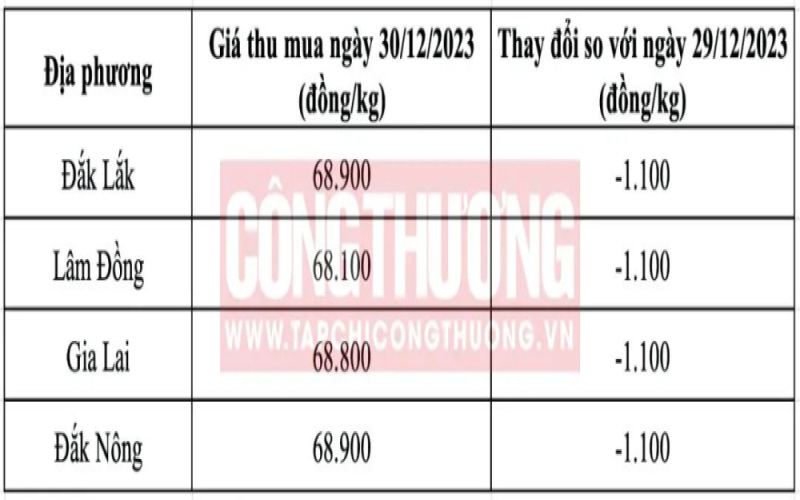
Vietnamese Coffee Supply Recovery Drives Price Correction, Amid Multiple Factors in the Global Market
The Vietnamese coffee market has recently seen a turning point, with prices that had been climbing steadily due to supply tightness beginning to fall back. A survey by the Vietnam Coffee and Cocoa Association shows that coffee prices in the Central Highlands region have generally declined, while factors such as improved weather in Brazil, the expiration of coffee futures contracts, and a stronger US dollar have also put pressure on international coffee prices. Although Vietnam's coffee export volume declined somewhat in 2023, export value hit a record high. This article will analyze in detail Vietnam's coffee price trends, export data, and global market dynamics, providing coffee enthusiasts with the latest market information. [more…]
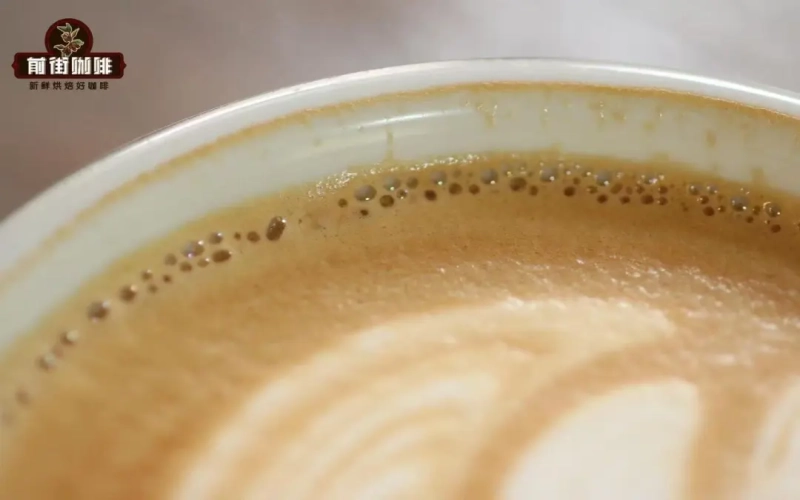
Why Does Milk Foam Break Easily in Latte Art? Analyzing Three Key Factors: Milk, Coffee Beans, and Steaming Technique
Many coffee enthusiasts encounter the frustration of large bubbles rapidly appearing on the surface when creating latte art, making it difficult for the pattern to last. This phenomenon may involve multiple causes, including deficiencies in technique as well as issues closely related to the condition of the materials used. This article will systematically analyze the common factors leading to decreased milk foam stability from three dimensions: milk quality, coffee bean freshness, and milk frothing quality. Among these, fresh milk is more susceptible to storage conditions due to different sterilization processes; after spoilage, the casein structure is damaged and cannot effectively encapsulate gas. Coffee beans that are too fresh release large amounts of carbon dioxide, which weakens the support of the crema. In addition, milk foam that is not frothed finely enough or is at too high a temperature can also accelerate bubble rupture. By understanding these principles, coffee enthusiasts can troubleshoot problems more effectively and improve their latte art results. [more…]

Key Factors That Determine the Thickness of Espresso Crema: From Coffee Bean CO2 Content to Robusta Blending
In the espresso extraction process, the richness of the crema is often one of the key concerns for coffee enthusiasts. Some need it for latte art, while others are influenced by commercial promotion and often ask Front Street how to obtain a richer Crema. But what exactly is the essence of crema? Is more really better? This article will start from Front Street's perspective and provide a detailed analysis of the three core factors affecting espresso crema formation—the carbon dioxide content of coffee beans, the degree of roasting and freshness, and the special role of Robusta beans. It will also remind everyone that the thickness of the crema does not directly determine whether the taste is good or bad; the correct extraction parameters are the foundation. Whether you are pursuing latte art effects or simply want to understand the principles, this article can give you clear answers. [more…]
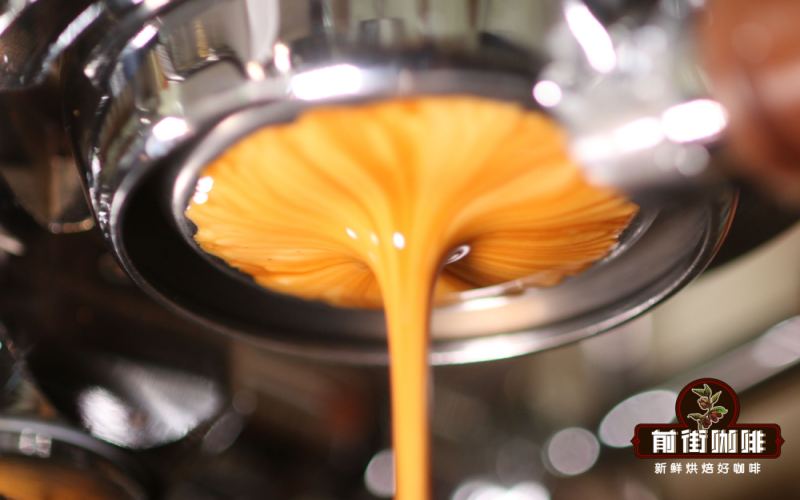
Coffee Beans Recommended for Latte Art | What Are the Characteristics of Espresso Beans with Rich Crema? What Factors Affect Coffee Crema?
Some people drink espresso for the flavor, while others drink it for the mouthfeel. For those who love flavor, there are all kinds of SOE coffee beans to choose from—so what coffee bean options are there for those who enjoy a rich, intense mouthfeel? The signature characteristic of espresso—crema Espresso at its most fascinating [more…]
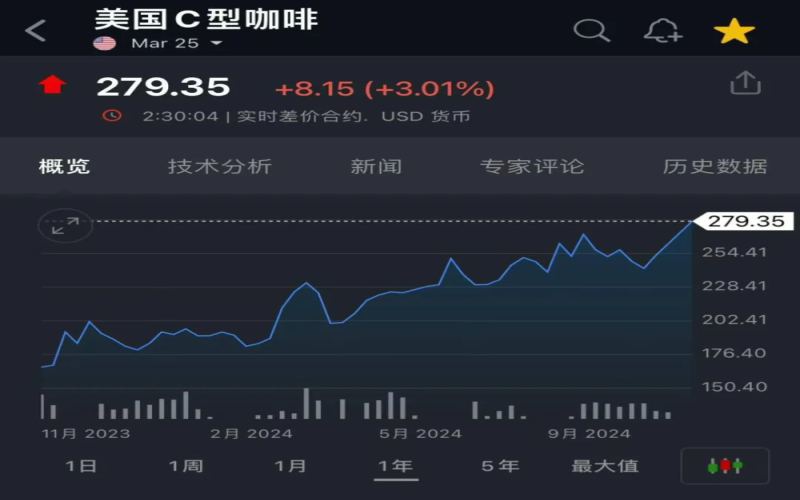
Coffee futures hit another record high: closing at 279.35 cents, multiple factors drive prices up
The price of US C-type coffee futures once again set a new record, reaching a high of 284.93 cents per pound and finally closing at 279.35 cents per pound. Behind this round of gains is a mix of multiple factors: drought and fires in major South American producing regions, the postponement of the EUDR regulation, the limited effect of Brazil's rainy season, the impact of the Atlantic hurricane season, the strengthening of the US dollar driven by the US election, and the Red Sea crisis together with rising container freight rates. Although the EU has already approved a one-year delay in the implementation of the EUDR, the market's concerns about tight global coffee supply have still not faded, and futures prices are expected to remain high in the short term. [more…]