







Why Does Milk Foam Break Easily in Latte Art? Three Key Factors
Many coffee enthusiasts notice that bubbles appear quickly on the surface when making latte art, so the pattern does not last. This can involve several reasons, from operating technique to the condition of the materials used. This article will systematically analyze the common factors that lead to decreased milk foam stability from three dimensions: milk quality, coffee bean freshness, and milk frothing quality.
Fresh milk is more susceptible to storage conditions due to different sterilization processes; after spoilage, the casein structure is damaged and cannot effectively wrap gas. Coffee beans that are too fresh release a large amount of carbon dioxide, which weakens the supporting power of the crema. In addition, milk foam that is not frothy enough or at too high a temperature will also accelerate foam rupture. By understanding these principles, coffee enthusiasts can troubleshoot problems in a more targeted way and improve latte art results.
Many coffee enthusiasts often encounter the problem of a large number of bubbles rapidly appearing on the surface when making latte art, making the pattern difficult to last. This phenomenon may involve multiple reasons, including deficiencies in operating techniques and possibly a close relationship with the condition of the materials used. This article will systematically analyze the common factors leading to decreased milk foam stability from three dimensions: milk quality, coffee bean freshness, and milk frothing quality. Among these, fresh milk is more susceptible to storage conditions due to different sterilization processes; after spoilage, the casein structure is damaged and cannot effectively wrap gas. Coffee beans that are too fresh release a large amount of carbon dioxide, which weakens the supporting power of the crema. In addition, milk foam that is not frothy enough or at too high a temperature will also accelerate foam rupture. By understanding these principles, coffee enthusiasts can troubleshoot problems in a more targeted way and improve latte art results.
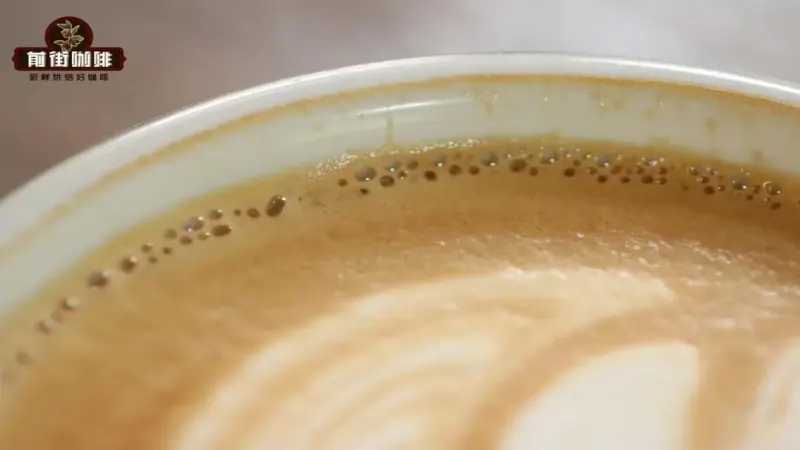
(↓The following situations are for illustration only; the actual situation is often more serious, that is, a large number of similar bubbles appear on the surface within a short time.)
The factors causing this situation are quite diverse, and may stem from deficiencies in operating technique or be related to the quality of the materials used, such as the condition of the milk itself. I. Milk spoilage Many people prefer to use fresh milk when making milk coffee. Compared with ordinary shelf-stable milk, this type of product retains more active ingredients because the sterilization process is relatively gentle. However, precisely because of this, its requirements for storage conditions are also stricter. Once the ambient temperature fails to meet the low-temperature standard it requires, quality changes are very likely to occur, thereby triggering the phenomenon described by Front Street Coffee. Why?
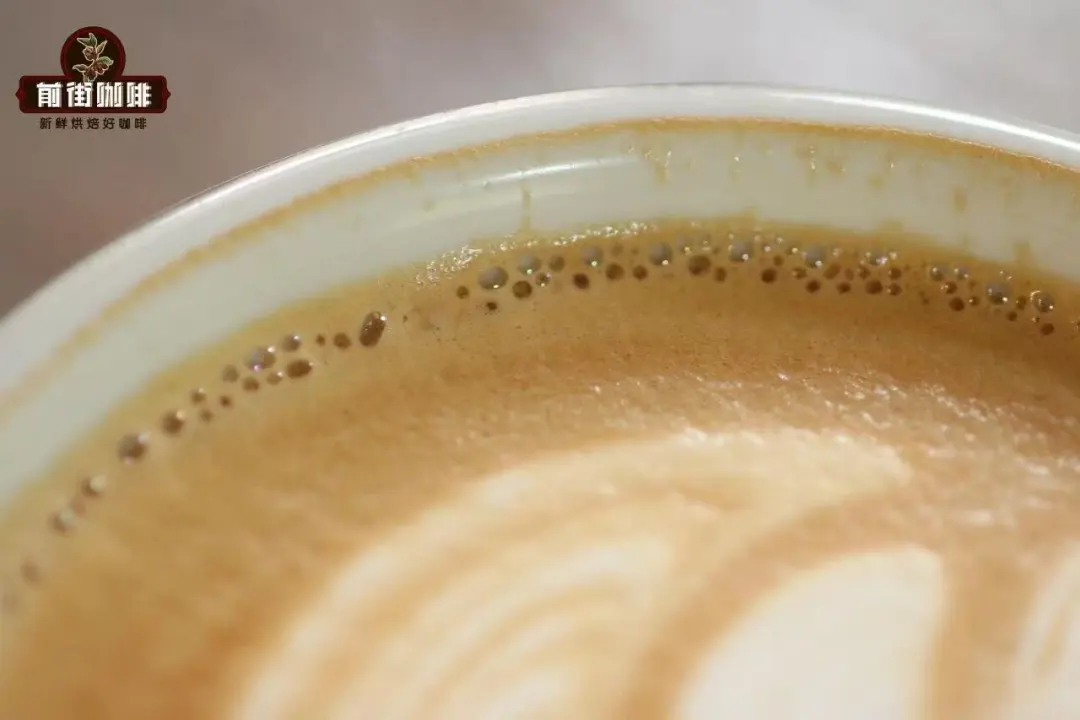
The formation of milk foam is essentially introducing air into milk so that components such as proteins and fats wrap the gas. Under the premise that the milk quality is normal, as long as the frothing technique is proper, the milk foam is usually quite stable, and even after standing for more than ten minutes it is not easy for it to dissipate. However, if the milk has already spoiled, microbial contamination or increased acidity will cause casein to denature or decompose, making it lose its good gas-wrapping ability, and the bubbles produced thereby will be unusually fragile. Especially after mixing with coffee, the stability will deteriorate further, so shortly after latte art is completed, a large number of bubbles will appear on the surface.
When encountering such a situation, if fresh milk is being used, it is recommended to first check the condition of the milk itself, so as to avoid affecting health due to spoilage. The inspection steps are not complicated, and observation can begin from the following aspects: ① whether the milk has an abnormal odor; ② whether flocculent sediment appears on the surface; ③ whether its performance during frothing is normal. If it is a milk problem, the frothing state will usually differ noticeably from usual and can be directly perceived. Combined with odor or foreign matter, it can then be determined whether the milk has spoiled.
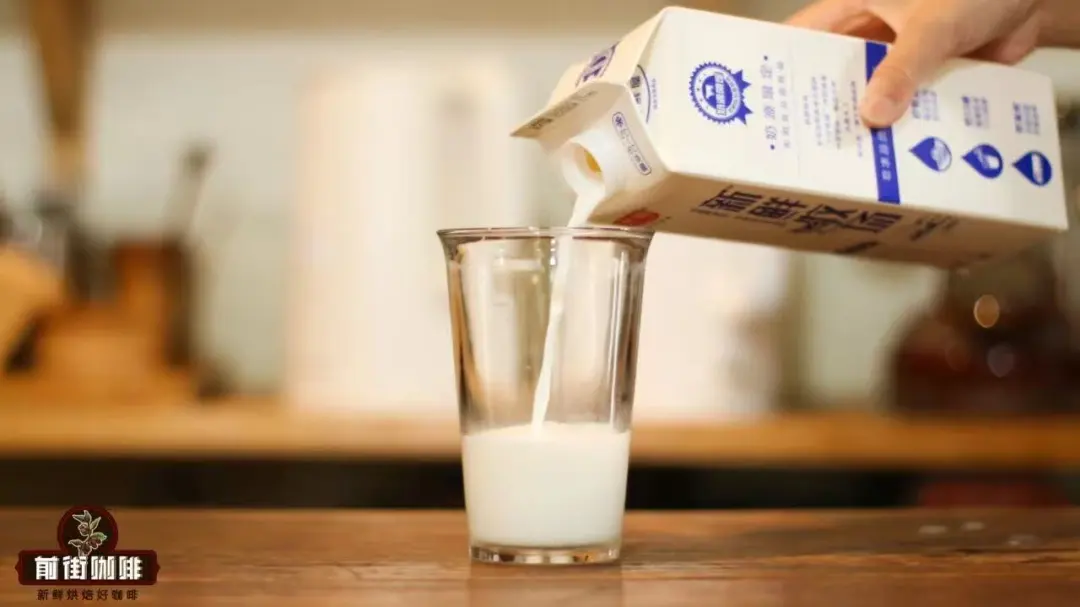
Although the shelf life is one item that needs to be checked, Front Street Coffee does not recommend relying entirely on it. This is because even if the milk is still within its shelf life and has been properly stored after purchase, it cannot be ensured whether the merchant always kept it under the specified conditions during procurement or transportation, which is one of the reasons such problems occur from time to time. II. Coffee beans are too fresh If the coffee beans used are extremely fresh, this phenomenon is also easily triggered. This is because beans that have just been roasted release a large amount of carbon dioxide, and excessive carbon dioxide weakens the stability of the crema. Although the extracted crema looks quite thick, it also dissipates correspondingly faster.
When milk foam combines with this type of crema, many large bubbles will quickly appear on the surface, but compared with those caused by other factors, the degree is usually not so obvious and serious. III. Milk foam is not frothy enough Finally, the milk foam itself has not been made well, which is also a reason often mentioned by Front Street Coffee. When the milk foam is not frothy enough, or the milk temperature is too high, the stability of the milk foam will decrease and the rupture rate will increase greatly. Using such milk foam for latte art not only makes it difficult for the pattern to look good, but also makes many bubbles likely to appear quickly after the latte art is completed.
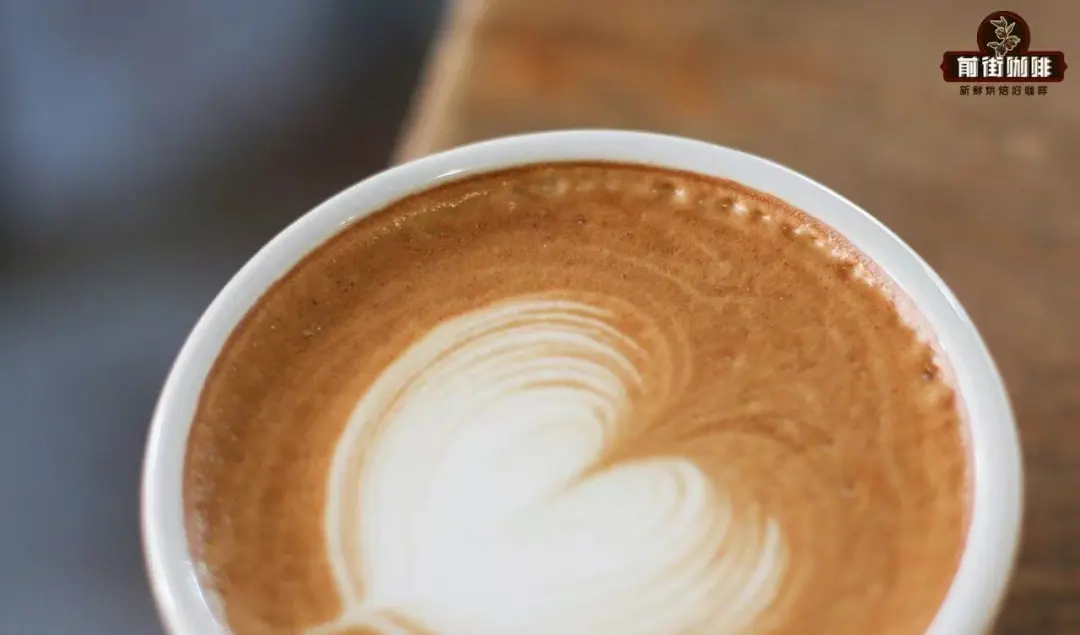
Although certain remedies can be made through various means such as pouring into another pitcher or shaking, they ultimately treat the symptoms rather than the root cause, and the bubbles still rupture quickly. Therefore, laying a good foundation before latte art is especially crucial!
- END -
The above content is compiled by CoffeeHunters, a coffee news website.


