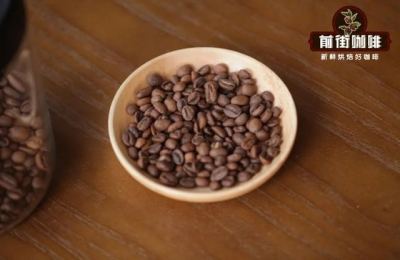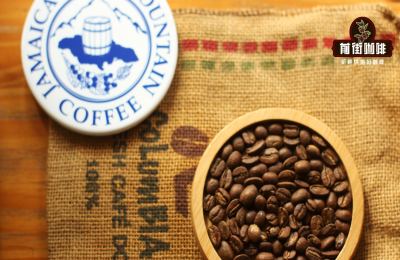
Nowadays, people don't just enjoy drinking coffee in cafés; more often, they want to buy coffee beans and brew a proper cup at home, savoring it slowly. But how should you store the coffee beans or ground coffee you bring home so they don't go bad so quickly? How can you preserve that fresh flavor well? This is especially true if you've bought some specialty coffee—it deserves even more careful storage.
For a coffee novice, this is certainly relevant, and even people who know coffee don't necessarily understand all these basic coffee fundamentals. Front Street Coffee will explain it properly to everyone: so what is the best way to store coffee? There are methods that keep our coffee delicious and fresh, and methods that do the opposite. It all comes down to the external factors that affect coffee during storage.
How do external factors affect coffee beans?
Maintaining freshness for the best flavor is very important. There are 4 factors in the environment that affect coffee's freshness: direct light, oxygen, moisture, and heat. Let's explore their effects and how to prevent them from affecting your coffee.
1.Direct light
Direct light, especially sunlight, spoils coffee because it accelerates the degradation of the beans. To avoid this, keep your coffee in a dark place such as a cabinet or in a dark container.
2.Oxygen
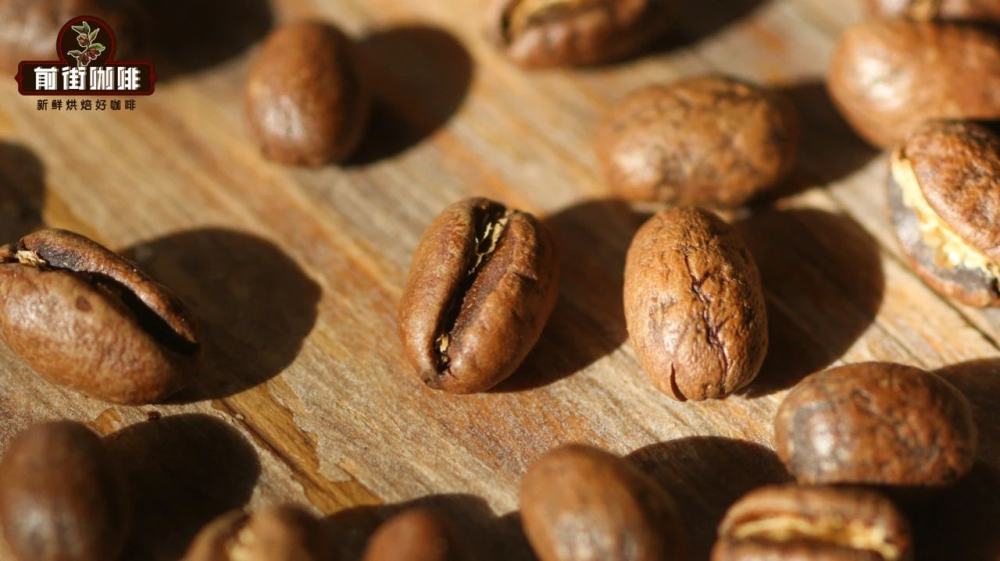
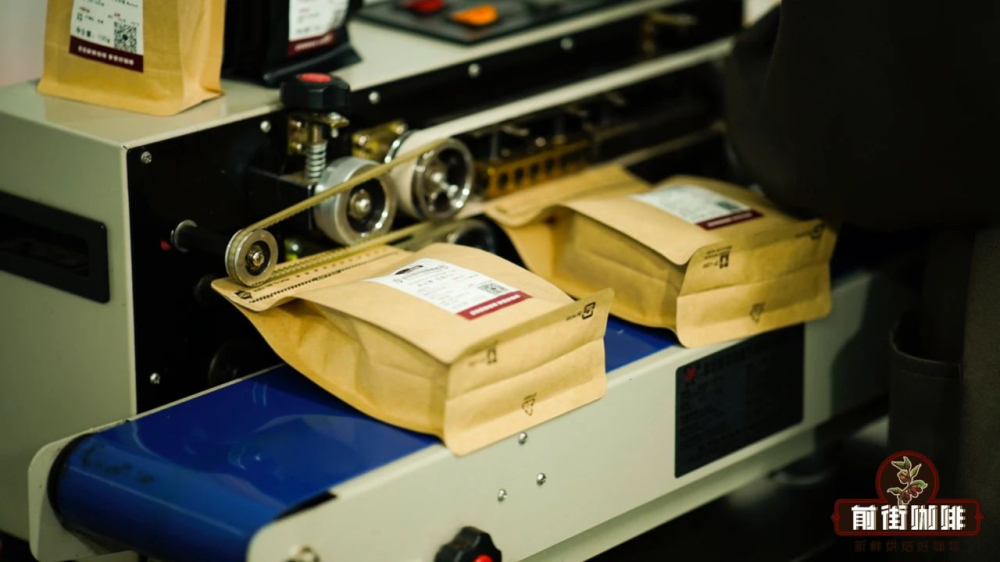
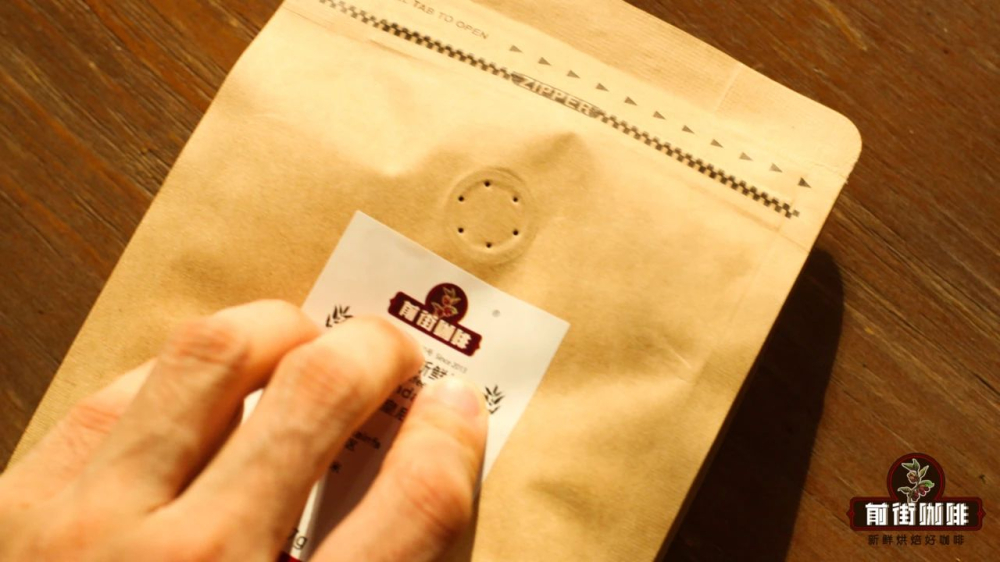
Allowing coffee beans to interact with oxygen also causes coffee to spoil. In fact, after roasting occurs, oxygen begins the oxidation process of the coffee. Most packaging helps prevent this with specially designed valves that allow carbon dioxide to escape while keeping oxygen out. When you store coffee, an airtight container with a rubber seal is the best way to prevent this.
3.Moisture (humidity)
Keeping your coffee in a dry place can work wonders for freshness. Humidity will make your coffee beans spoil quickly. Ground coffee is affected even more by moisture. If there is enough moisture, it won't just spoil the coffee—it will also make it clump.
4.High heat
It's best to keep coffee cool, because heat causes coffee beans to lose freshness. Since the beans have already been roasted, there's no need to heat them again before brewing. Now let's look at the best methods for storing coffee and the methods you should avoid.
The best storage methods for keeping coffee fresh
The best way to store coffee is to keep it as whole beans in an airtight container in a cool, dry place. Generally speaking, coffee beans retain a relatively fresh flavor. This is because ground coffee reacts with oxygen and loses flavor at a faster rate. Grinding coffee right before brewing is the best way to preserve flavor.
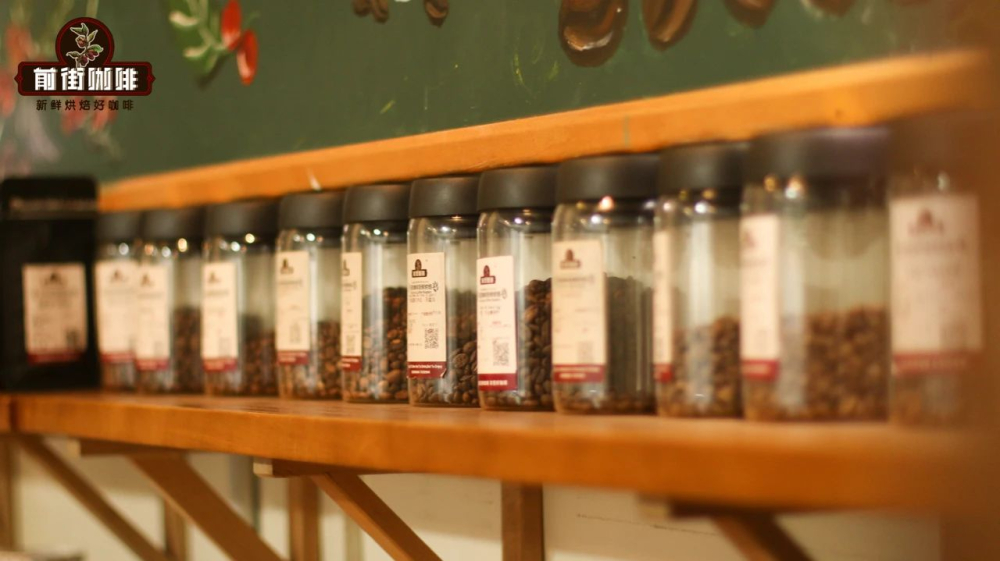
Airtight containers prevent oxygen from damaging the coffee beans. The best airtight containers have rubber seals around the edges and around one or more latches. Containers with pop-up or screw-on lids may not block enough oxygen.
Where you store your coffee is just as important as what you store it in. A dry, dark, cool place is best. Try to put it in a cabinet or pantry rather than on the countertop, to avoid light completely. If you really need to use it on the countertop, try to use a dark container.
Keep in mind that even if you put coffee in a dark storage container, heat can still affect it, so you won't want to store it on the stove or near the oven.
How long can coffee stay in the refrigerator?
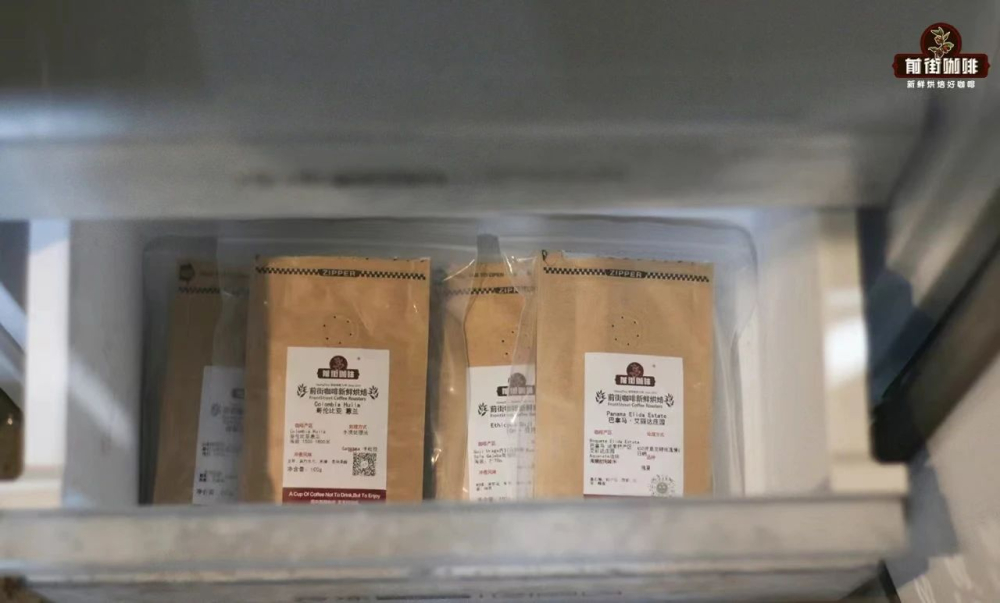
Putting coffee in the refrigerator to keep it fresh is fairly common. Unfortunately, it doesn't keep coffee fresh—instead, it makes it spoil faster. The myth that the refrigerator keeps coffee fresh most likely comes from the advice to keep it away from heat sources.
However, rapid temperature changes can form condensation on the outside of the coffee beans. This lets moisture accumulate on and inside the beans. Moisture will make coffee beans spoil within a few days. Because of these factors, it's best to keep coffee at room temperature or slightly below room temperature. In addition, coffee stored in the refrigerator can absorb the odors and flavors of surrounding foods.
How long before coffee beans go bad?
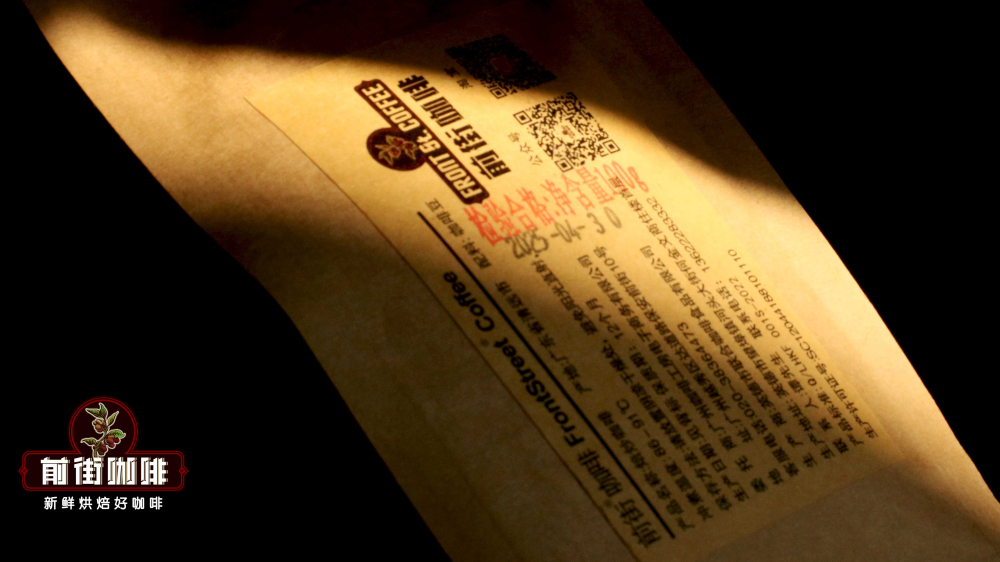
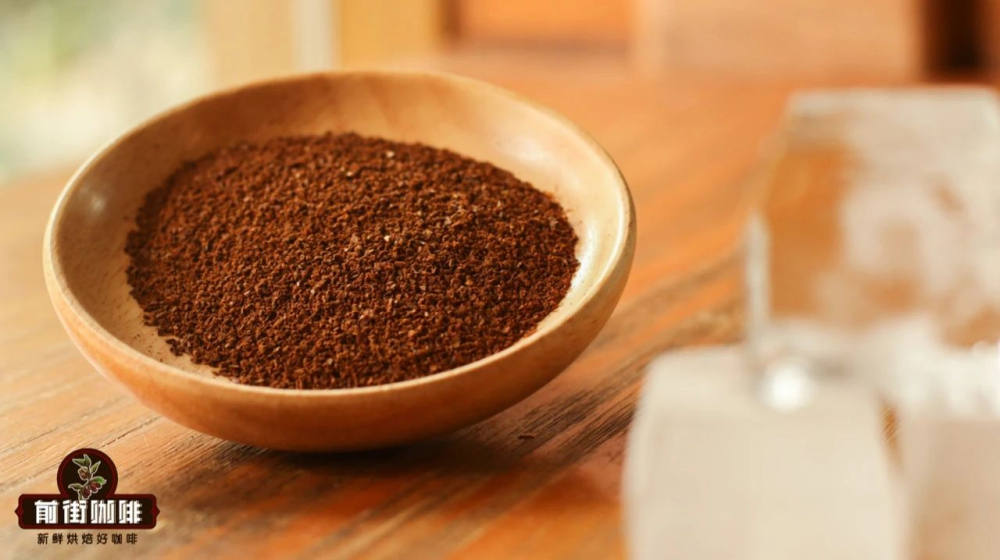
Now that you know how to store coffee, how long can it stay fresh using the best methods? Unfortunately, it's very hard to drink a cup of coffee at its peak freshness. Coffee begins to lose freshness immediately after roasting. The freshest coffee is right after roasting and in the first few days afterward. Check the roast date on the coffee bag—as long as you make sure to store it properly, unground coffee beans generally won't go bad within about 40–60 days. But once ground into coffee powder, even if stored sealed, the aromatic compounds will dissipate quickly within one to two weeks, so it must be finished as soon as possible.
Are all the above coffee storage precautions clear now??Welcome to Front Street Coffee (FrontStreet Coffee) to taste and discuss coffee!
The above content is compiled by CoffeeHunters, a coffee news website.