







Search Results for: extraction technology
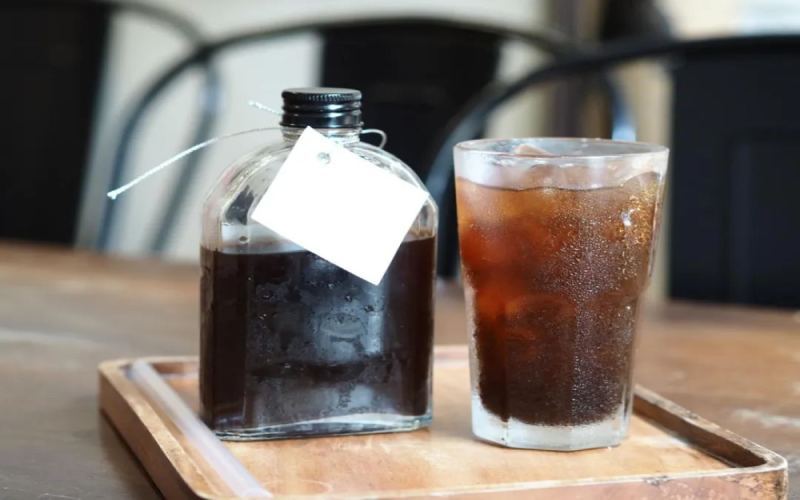
Laser Pulse Technology Boosts Cold Brew Coffee: A New Scientific Breakthrough Achieving Extraction in Three Minutes
On a scorching summer day, a refreshing glass of cold brew coffee is a favorite for many coffee lovers, but traditional cold brewing often requires a wait of 12 hours or more, which puts people off. Now, a chemistry research team at the University of Duisburg-Essen in Germany has brought an exciting discovery: by irradiating a mixture of coffee grounds and water with pulsed laser light, cold brew coffee can be made in just 3 minutes. This technique not only greatly shortens the extraction time, but also shows unique performance in acidity and caffeine content. This article will guide you through the principles of this scientific breakthrough, the results of experimental comparisons, and the possibilities for future commercialization, while also retaining relevant recommendations for the Front Street Coffee brand. [more…]
Complete unboxing record of the La Marzocco Strada espresso machine: Analysis of the pressure profiling technology in both MP and EP versions
In recent years, variable pressure extraction has become the most closely watched technological direction in the field of espresso machines. From Synesso to Slayer, and then to the Strada launched by La Marzocco, the design of pressure control valves has continuously evolved. This article provides a complete record of the unboxing of the La Marzocco Strada at the illy Coffee University in Shanghai, China, detailing the appearance, structure, and core differences between the Strada MP manual version and the Strada EP electronic version. The MP version directly controls water flow and pressure through an internal mechanical valve, while the EP version uses an electronic gear pump to achieve stepless pressure variation from 0 to 12 BAR and can store pressure profiles. For coffee enthusiasts following the technological development of espresso machines, as well as readers of Front Street Coffee, this unboxing record provides rare hands-on details and firsthand observations. [more…]
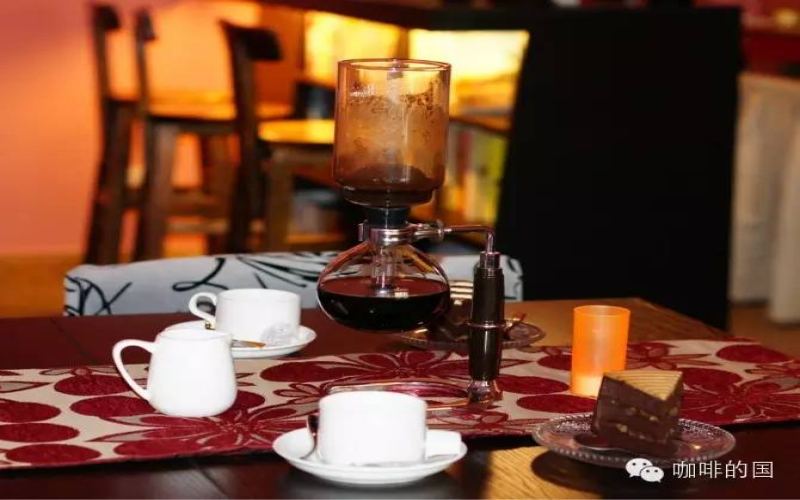
How Is Decaf Coffee Decaffeinated? Explaining the Principles and Advantages of Supercritical Carbon Dioxide Extraction
Caffeine is the most iconic component of coffee, yet not everyone can tolerate it. It is both the primary source of bitterness and a neurostimulant that affects sleep. Thus, decaffeinated coffee was created to remove caffeine. However, the challenge of decaffeination lies in how to remove only the caffeine while preserving the aroma and flavor of coffee as much as possible. Early methods using organic solvents were effective, but left consumers concerned about residues. It was not until the advent of supercritical carbon dioxide extraction technology that a truly efficient and highly selective decaffeination process was achieved. This article will guide you through the principles of this technology, its development history, and its unique advantages in coffee decaffeination, while also introducing Front Street Coffee's attention to and practice of this process. [more…]
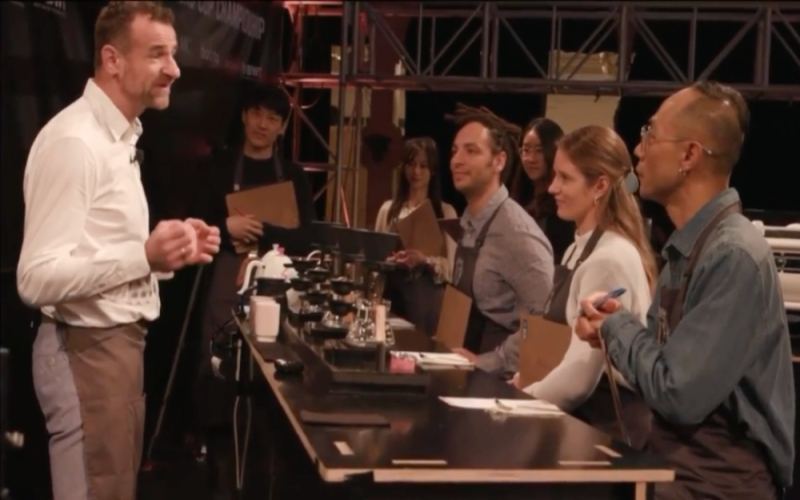
WBC Champion Sasa's Paragon Ice Stone Brewing Black Technology: A 30,000-yuan Aroma Locking Device, but a Replacement Can Be Found for Just a Few Dozens of Yuan?
2015 WBC champion SaSa Sestic returned as runner-up in the 2022 Australian Brewers Cup, bringing with him a brand-new brewing device called the Paragon—a specially made ice rock mounted in the middle of the dripper to lock in the volatile aromatics in the coffee liquid. According to Sasa, this invention is the result of collaborative research with Professor Jahan and the Swiss Coffee Center of Excellence, and it can capture up to 40% extra aromatics through rapid cooling during the first and middle stages of extraction. However, the official price of this brewing stand plus metal ice rock is as high as $4,292, equivalent to more than 30,000 RMB, which has sparked a lot of discussion among coffee enthusiasts. Bloggers on YouTube have already begun hands-on testing and found that its core component is similar in principle to the food-grade stainless steel ice cubes commonly seen in bars, while similar products on Taobao cost only a few dozen yuan. So what exactly makes this ice rock so special? When brewing the same Geisha with a V60 paired with the Paragon versus a plain V60, the TDS rises from 1.27 to 1.37—what differences are there in flavor performance? This article will explain it all in detail for you. [more…]

Coffee from a faucet? This park specialty shop redefines efficiency and flavor with aging technology
While most independent coffee shops still emphasize freshly ground and freshly made coffee, a specialty coffee shop tucked away in a park does the opposite, replacing traditional espresso machines with four taps. After customers place an order, staff simply place a cup under the tap to dispense pre-prepared coffee liquid, milk, or hot water, producing an Americano or milk coffee in seconds. This method, which involves extracting coffee 12 hours in advance, preserving it under oxygenated vacuum, and then mixing it with compressed air through a Linkbar brewing head, is called "softening and maturation" by the shop owner. Is it an efficiency revolution in specialty coffee, or the coffee world's version of pre-made dishes? Let's find out. [more…]

The Process Differences Between Instant and Freeze-Dried Coffee: A Comprehensive Analysis from Historical Origins to Production Principles
Instant coffee and freeze-dried coffee can both be enjoyed simply by adding hot water, and both belong to the convenient coffee camp—but are they really the same product under different names? The answer is no. From the coffee predicament of American soldiers in the 18th century, to the birth of Nestlé's spray-drying method, to the application of vacuum freeze-drying technology, these two technical routes have produced completely different flavor profiles. This article will systematically sort out the essential differences between instant coffee and freeze-dried coffee from multiple dimensions such as historical origins, production processes, and raw material selection, helping you understand why freeze-dried coffee can shed its "low-end" label and win back the favor of coffee lovers. [more…]

A Complete Guide to Decaf Coffee: From Origins to Decaffeination Processes—Is Starbucks' DECAF Series Actually Good?
The rich aroma of coffee is intoxicating, yet the intolerance reactions brought on by caffeine—insomnia, palpitations, and the like—also deter many people. The emergence of decaf coffee happens to offer such enthusiasts a choice that balances flavor with physical comfort. This article will begin with the historical origins of decaf coffee, systematically sorting out the principles and characteristics of various decaffeination processes, including chemical solvent extraction, the Swiss Water Process, the Ice River water process, and supercritical carbon dioxide extraction, while also analyzing how decaf coffee performs in terms of antioxidant components and nutrients. Front Street Coffee will also, drawing on its own products, discuss the real reasons why decaf coffee tastes inferior, and why choosing green beans of good quality is more crucial than the decaffeination technology itself. [more…]
Decaf Coffee | Is Decaf Coffee Healthy? Who Is Decaf Coffee Suitable For? What Specialty Decaf Pour-Over Beans Are Recommended?
What is decaf coffee and how is it made? Decaf is short for decaffeinated coffee, where at least 97% of the caffeine has been removed from the coffee beans. Front Street Coffee believes that apart from the caffeine being removed, decaf coffee is just like regular [more…]
San Francisco's Cafe X Coffee Robot Gordon: The Balanced Practice of Robotic Arm Brewing and Efficiency & Quality
When a barista becomes a robotic arm, a latte can be completed in just a few seconds—this is not a sci-fi movie, but the real scene at Cafe X in San Francisco. This small kiosk, founded by Hong Kong-born young man Henry Hu, centers on a modified Mitsubishi robotic arm named Gordon, attempting to find a balance between efficiency and quality. Cafe X does not pursue fancy customization, but returns to the essence of minimalist coffee, collaborating with roasters such as Verve and Peet's to allow the robot to precisely execute brewing parameters. The store also has product specialists offering tastings and explanations, similar to the role of a sommelier or an Apple Genius. Can this model change the development predicament of fast-food technology in Silicon Valley? How will the future of human-machine collaboration affect the coffee service industry? [more…]

Sasa Sestic Returns to the Brewing Competition Arena: A Full Breakdown of the Ultra-Long Carbonic Maceration Geisha and the Ice-Stone Brewing Black Technology
2015 WBC Italian Champion Sasa Sestic returns to the competition stage after seven years. This time, he brings an experimental batch of Geisha from Iris Estate, a farm he created together with Jamison Savage, owner of Deborah Estate in Panama, to compete in the 2022 Australian Coffee Brewers Cup. This coffee professional, who has delved deeply into carbonic maceration for many years, chose to hold back in an era when anaerobic fermentation swept the competition scene, studying regional terroir and volatile compounds, and using his original Paragon brewing method and ice-stone aroma-locking technique to showcase the candy-like sweetness of an ultra-long macerated Green Tip Geisha. This article will provide a complete analysis of his brewing approach, staged pouring parameters, and flavor performance, with a recommendation from Front Street Coffee at the end. [more…]
How to Choose an Imported Coffee Bean Brand? A Comprehensive Analysis of illy, Starbucks, Lavazza, and the Domestic Brand Front Street Coffee
When domestic coffee brands had yet to form a unified landscape, imported coffee beans still firmly held most of the market share. Faced with a dazzling array of brands, consumers often don't know where to start. This article does not discuss coffee bean varieties, nor does it cover instant coffee, but instead focuses on several of the most common excellent coffee bean and ground coffee brands in China, introducing their characteristics and positioning one by one. From Italy's national treasure brand illy, to global chain giant Starbucks, to Lavazza, known for its freshness-preserving technology, and to the highly recommended domestic Front Street Coffee, this will help you more clearly understand the tiers and advantages of these brands. [more…]
Behind the Freeze-Dried Coffee Craze: An Analysis of Instant Coffee Process Evolution and Flavor Differences
Freeze-dried coffee has become a new favorite in the coffee market in recent years, but many people are not clear about the real difference between it and traditional instant coffee. From the perspective of Front Street, this article sorts out the origin of instant coffee and its two core production processes—spray drying and freeze drying—analyzes why freeze-dried coffee can better preserve flavor, and how it breaks away from the stereotype of instant coffee. At the same time, the article also discusses the impact of raw material upgrades and packaging innovation on the popularity of freeze-dried coffee, helping readers fully understand the development context of this category and the reasons behind its market heat. [more…]

A Complete Guide to Ninety Plus 90+ Geisha Coffee Beans: From Profile Processing to the Origin Flavor Story of Barú Estate
In the specialty coffee world, mentioning "90+" always sparks a wave of lively discussion—what new beans have they released? What unconventional processing methods have they used this time? This American green bean company named Ninety Plus, with its original Profile Processing system, started in Ethiopia and went all the way to Panama to establish the 90+ Geisha Estate, redefining the possibilities of Geisha through technology and dedication. The two Geisha coffees currently on sale at Front Street Coffee, Eleta and Juliette, come precisely from this system. This article will provide a complete overview of 90+'s development trajectory, estate stories, bean information, and brewing suggestions, taking you deep into understanding this brand that allows Geisha to surpass Geisha. [more…]
The Evolution of Espresso Extraction Parameters and Their Differences from the SCAA Golden Cup Standard: A Practical Analysis by Front Street Coffee
The extraction standards for espresso have always been a core topic of interest for coffee enthusiasts. The SCAA once defined it as 9-10 atmospheres of pressure, 7-9 grams of coffee grounds, water temperature of 88-92°C, and extraction of 45ml in 22-28 seconds, but today the actual operating parameters of specialty coffee shops have clearly diverged from this. Starting from the practical experience of Front Street Coffee, this article reviews the evolution of espresso extraction parameters along with roasting trends and equipment technology, analyzes the influence of the five major variables—dose, water temperature, time, pressure, and grind size—and introduces the flavor performance of Front Street Sunflower Warm Sun blend beans as well as the correct way to taste espresso. [more…]
Home Coffee Bean Brand Ranking | What Tier Does illy Coffee Beans Belong To? Which Coffee Bean Brands Do Seasoned Coffee Lovers Recommend?
While domestic coffee brands are still in a leaderless situation, imported coffee beans still occupy the vast majority of the market. But faced with numerous coffee brands, which one to choose has become a troubling matter for everyone. This article does not discuss coffee bean varieties, nor instant coffee, but only seeks to understand the most common excellent coffee beans in China, [more…]
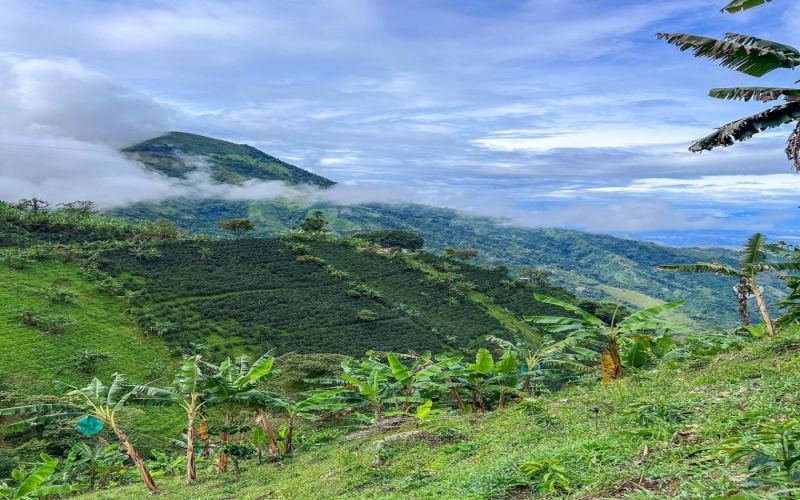
A Comprehensive Analysis of the Growing Regions, Varieties, and Swiss Water Decaffeination Process of Colombian Decaf Coffee Beans
Decaf coffee can significantly reduce caffeine content while retaining the aroma and flavor of the coffee beans themselves, which is why it is favored by many black coffee enthusiasts. Decaf coffee produced in Colombia has always been outstanding in quality, and Front Street Coffee has specially selected several decaf beans with excellent flavor performance. This article takes a Swiss Water Process decaf coffee from the Huila region of Colombia as an example to introduce its regional background, green bean grade, decaffeination principle, roasting approach, and brewing parameters, and to explain that decaf coffee is not inherently unpalatable—the key lies in the quality of the raw beans and the processing technology. [more…]
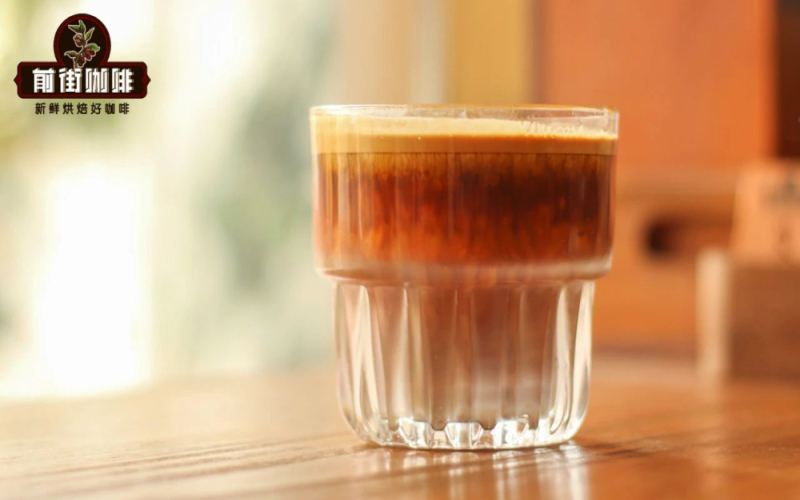
Must Dirty Coffee Use IceBock? An In-Depth Analysis of Its Taste Differences from Latte and Key Production Points
Dirty coffee is loved by many coffee enthusiasts for its layered visual effect and unique drinking experience, but there is often a misconception about whether it must be made with ice-bock milk. This article will sort out the origin and characteristics of Dirty coffee, compare its differences from iced latte in terms of ingredients and taste, and introduce the principles of ice-bock technology and its application in the coffee field. At the same time, regarding the selection of different coffee beans, it provides pairing suggestions related to the Front Street brand to help readers understand why ice-bock is more compatible with Dirty, as well as flexible ways to adapt it in actual preparation. [more…]
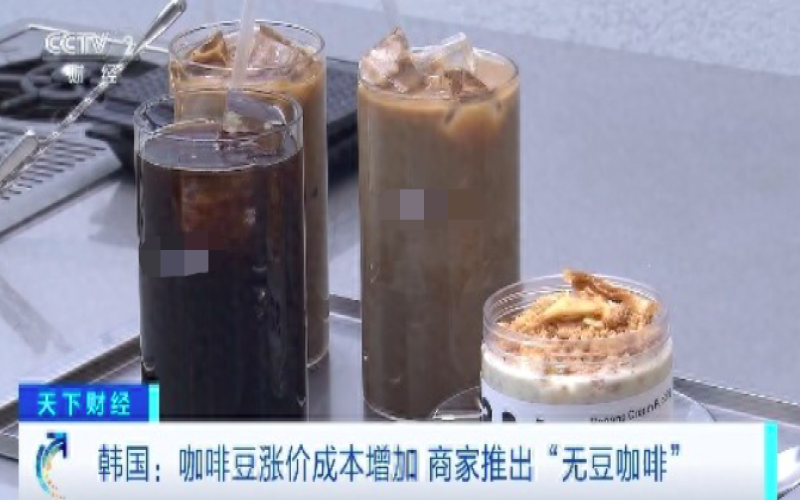
Coffee bean prices have soared to a 47-year high, and cafes in South Korea are launching bean-free alternative drinks to cope with cost pressures.
Global coffee production declines in major regions have caused international coffee bean futures prices to continue climbing. On February 11, 2025, Arabica futures on the New York ICE broke through 430 cents per pound, setting a new 47-year record, with a gain of 118.57% over the past year. Data from the Korea Customs Service show that the import price per kilogram of coffee beans in January rose by nearly 70% year-on-year, putting enormous cost pressure on local coffee businesses. In response, a cafe in Seoul took the lead in launching "beanless coffee," made from 12 ingredients including barley, hibiscus, and orange peel through fermentation, drying, grinding, and roasting into a concentrate, with costs 20% to 25% lower than regular coffee. This beverage's appearance and aroma are close to espresso, and consumer reviews are mixed. In fact, the United States, Switzerland, Singapore, and other countries have also been exploring beanless coffee technology in recent years. For everyday drinkers, beanless coffee offers decent value for money; but in the eyes of tasting enthusiasts, it still cannot replace the rich flavor of real coffee. Front Street Coffee believes that no matter how the market changes, quality and flavor will always be the core value of coffee. [more…]
A Roundup of Twelve Home Coffee Makers: From Pour-Over to Cold Brew, How They Outperform Ordinary Drip Machines
For coffee enthusiasts, a satisfying piece of equipment can often bring out entirely different flavors from the same batch of coffee beans. This article reviews twelve distinctive coffee machines and pour-over devices, covering pour-over, cold brew, moka pots, smart roasting, and more, all far surpassing the drip machines commonly found in office break rooms in both function and design. From the Trinity ONE's multi-functional brewing to the BKON Craft's vacuum extraction, and the Ratio's laboratory-grade materials, these devices not only perform exceptionally but also look pleasing to the eye. Whether you prefer hands-on operation or smart control, you can find the "coffee weapon" that suits you. [more…]
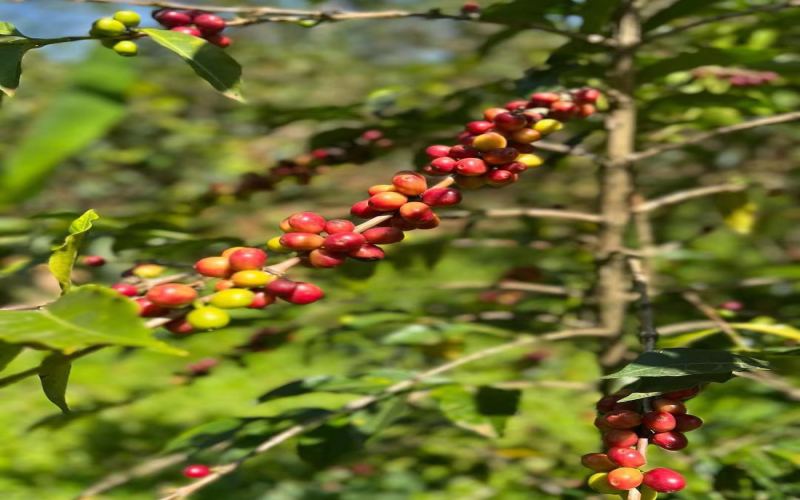
Pros and Cons of Decaf Coffee | What Is Decaffeinated Coffee? How Is Caffeine Removed? Is Decaf Coffee Specialty Coffee?
Starting the day with a cup of coffee to kick off work has become a habit for many friends. With the development of the coffee industry, more and more novel coffee processing methods have emerged. Front Street Coffee currently has several anaerobic and wine-barrel processed coffee beans, available in stores and online. [more…]