







Dirty Coffee vs Iced Latte: Is Eisbock Milk Required?
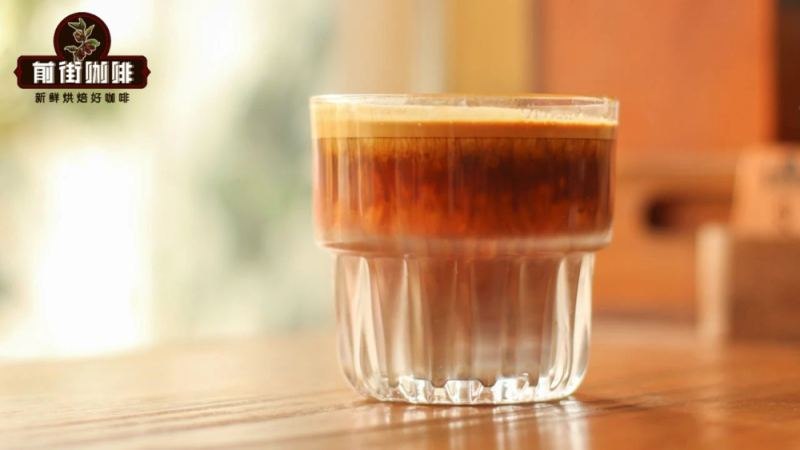
Dirty coffee does not strictly require Eisbock milk. It is essentially a layered latte: hot espresso is poured over cold milk so the dark coffee sinks and separates visually, and drinkers usually skip stirring. An iced latte uses the same base ingredients, espresso plus milk, but adds ice cubes and is normally stirred before drinking, so the two differ mainly in layering and serving style.
The drink grew out of the dirty food trend that spread in 2018, where dark powder created a stained look; in coffee the espresso itself provides that effect. For how to drink dirty latte, take it without stirring so the sequence runs from strong hot coffee to mild milky coffee and then cold sweetness. Eisbock milk is compatible because its texture helps hold the layers.
Dirty coffee is loved by many coffee enthusiasts for its layered visual effect and unique drinking experience, but there is often misunderstanding about whether it must use Eisbock milk. This article will sort out the origin and characteristics of Dirty coffee, compare its differences from iced latte in terms of ingredients and taste, and introduce the principles of Eisbock technology and its application in the coffee field. At the same time, regarding the selection of different coffee beans, it provides pairing suggestions related to the Front Street brand to help readers understand why Eisbock is more compatible with Dirty, as well as flexible adaptations in actual preparation.
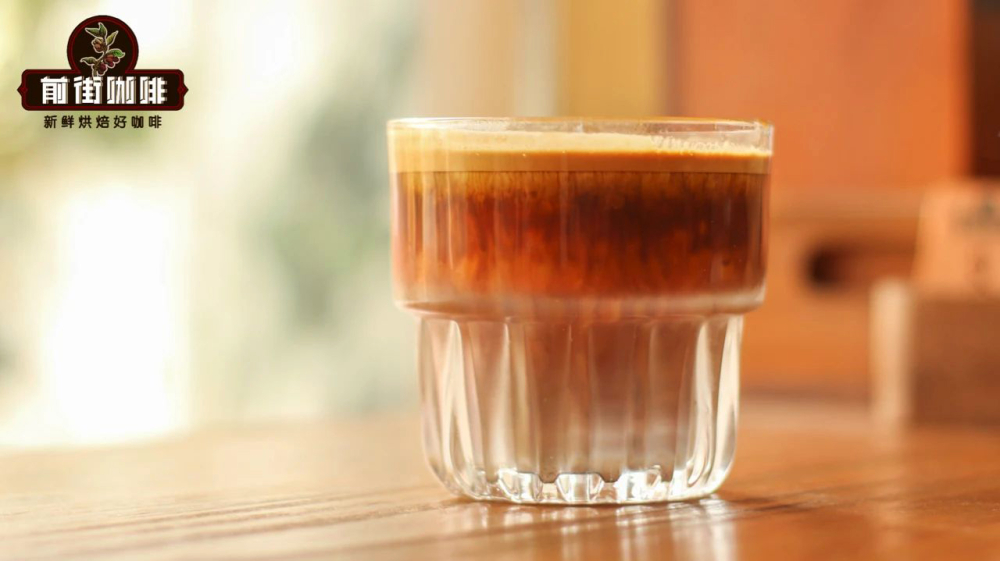
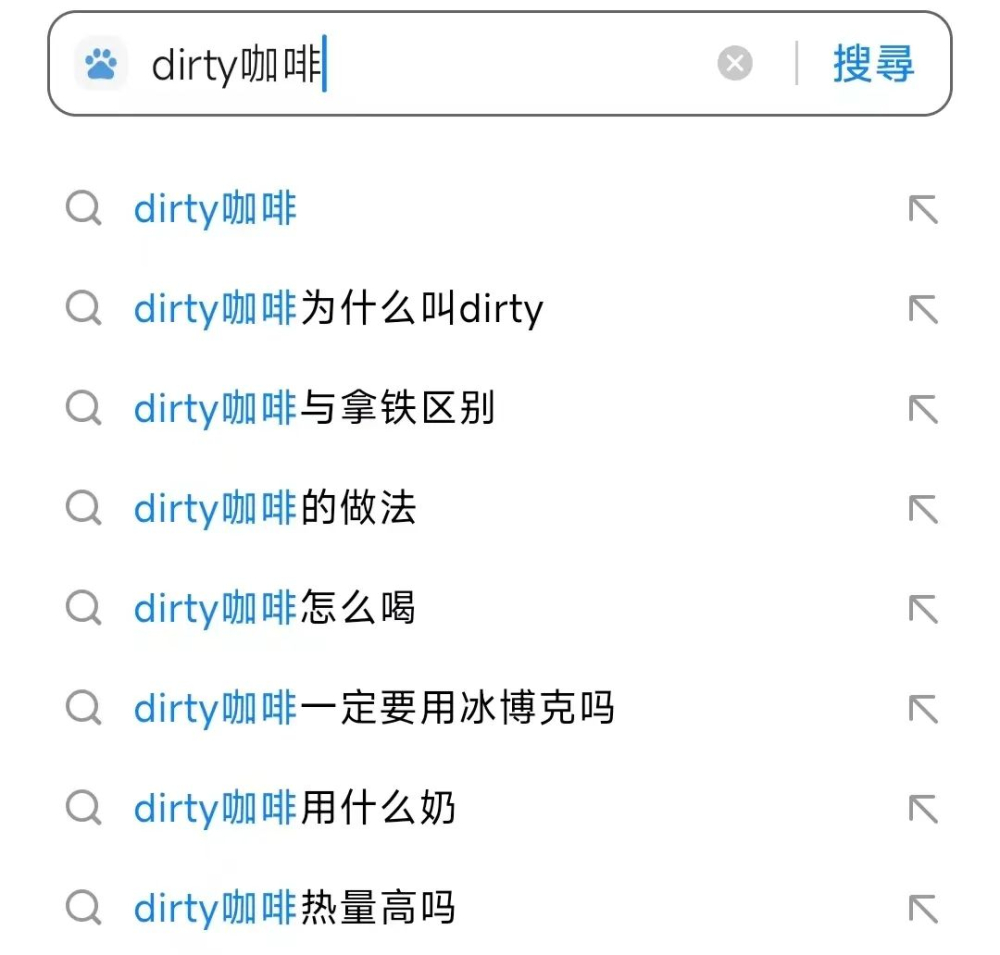
Dirty coffee has always appeared as a hidden menu item at Front Street, because Front Street believes it is essentially a special way of drinking latte. Until one day, I偶然 heard a customer explaining to a friend, roughly meaning, "Dirty is made with Eisbock milk as the base, then espresso is poured in to form layers; when drinking, do not stir, just drink it directly." This customer's statement is basically correct, but it easily makes people misunderstand whether Dirty must use Eisbock. If you enter "dirty coffee" into a search engine, the related search term "Does dirty coffee must use Eisbock?" also appears, showing that this is not an isolated question. Therefore, Front Street will talk about the relationship between Dirty coffee and Eisbock.
Dirty coffee is actually a latte with a layered effect. It originated from the "dirty food" trend that became popular in 2018, which usually uses chocolate powder to create a "dirty" visual impression. In coffee, this "dirty" is shown by the dark black espresso slowly penetrating downward, "polluting" the pure white milk. After the dirty food craze faded, people found that this layered "latte" way of drinking—first feeling the strong coffee taste of hot espresso, then the mild milk coffee taste, and finally the icy lactose sweetness—had a unique flavor, so it was retained. To distinguish it from iced latte, which needs stirring, the name Dirty coffee has continued to be used to this day.
The ingredients of Dirty coffee and iced latte are basically the same, both are espresso plus milk, but iced latte adds ice cubes and does not deliberately pursue layering. Dirty does not add ice cubes and deliberately creates a layered effect (some coffee shops use slightly less milk than a latte to balance the ratio of coffee to milk). Eisbock is a process first used by Germans to purify beer, making the beer richer and higher in alcohol content. Its principle is to freeze the beer into ice and then thaw it, using the difference in melting points of different components to remove part of the water (ice), thereby increasing concentration.
At the 2017 World Barista Championship, a Canadian barista was the first to introduce freeze distillation purification technology into the coffee field. At the 2018 World Barista Championship, a Chinese barista applied Eisbock technology to milk, increasing the milk concentration from 11-12% to 20-21%. After the competition, some domestic coffee shops also launched Eisbock lattes. To make Eisbock Dirty, it is best to prioritize medium-dark roasted blend beans or SOE single-origin beans, because they carry richer caramel-like aromas, with a heavy lingering charm, and can form a clear contrast with sweet milk, with a long sweet aftertaste. If pursuing stability and cost-effectiveness, you can buy Front Street Classic Blend and Front Street Dark Cocoa Basic Blend; they are not only rich in crema, but also have the rich aroma of butter and roasted chestnuts;
If you like the unique aroma of single-origin beans, Front Street Queen's Manor SOE and Front Street Sumatra · Front Street PWN Golden Mandheling SOE are recommended. After extraction, they will have rich caramel and chocolate aromas, and can form a more distinct contrast with purified milk;
If you want a smaller contrast and a fresher coffee taste, you can choose medium and medium-light roasted coffee beans, such as Front Street Strawberry Candy Espresso specially adjusted for espresso in the Front Street bean list, Front Street Flower Chief SOE, etc. They can all extract espresso with rich fruity notes, and Dirty made with them and purified milk has a unique flavor. In fact, making Eisbock milk is not complicated. Early coffee shops all made it by hand: first freeze the milk, then cut a small opening in the milk carton, invert it over a container and let the milk ice thaw. Because ice (solid H₂O) melts the slowest, when 1L of milk ice melts into 0.5L of milk, the remaining can be discarded, and the melted milk is Eisbock milk with double concentration.

Eisbock milk is thicker and richer than ordinary milk, with a more obvious lactose sweetness, and you can also taste a flavor similar to light cheese. Dirty coffee and Eisbock milk were born around the same time, but they developed in parallel and did not intersect much. What truly connected the two was 2020, when industrially produced Eisbock appeared. Previously, Eisbock milk was handmade by coffee shops using fresh milk, with low yield, high cost, and difficult storage, so it had never become widespread. Industrial production solved these problems, and since the product positioning was to supply coffee shops, after repeated promotion, Eisbock milk gradually became popular.
Since Eisbock is simply purified milk, it can also be used to make lattes, cappuccinos, flat whites, and other milk coffees. So why is it specifically Dirty coffee and Eisbock milk? The reason is that Dirty coffee is more compatible with Eisbock.
Other milk coffees fully integrate coffee and milk, so they emphasize the pairing of coffee flavor and milk flavor; Eisbock milk would overpower the host and mask the coffee taste. But when it appears in the form of Dirty coffee, the coffee flavor will not be masked by the cloyingly sweet milk flavor. The collision of rich coffee and rich milk also makes the mouthfeel changes of Dirty coffee more layered. More importantly, using Eisbock milk makes it easier to create the layered effect of Dirty, and the drinking window lasts longer.
Of course, using Eisbock in Dirty coffee is only one option, not mandatory. Coffee shops also pair different milks according to the flavor characteristics of the coffee beans. For example, Front Street has seen a coffee shop that, guided by flavor outcomes, uses different coffee beans to make Dirty, with different corresponding milk choices. Some coffee shops also have a different understanding, believing that ordinary milk is too watery and light, while Eisbock milk is too thick and cloyingly sweet, so the milk used to make Dirty is 2 parts ordinary milk plus 1 part Eisbock.
The above content is compiled by CoffeeHunters, a coffee news website.


