







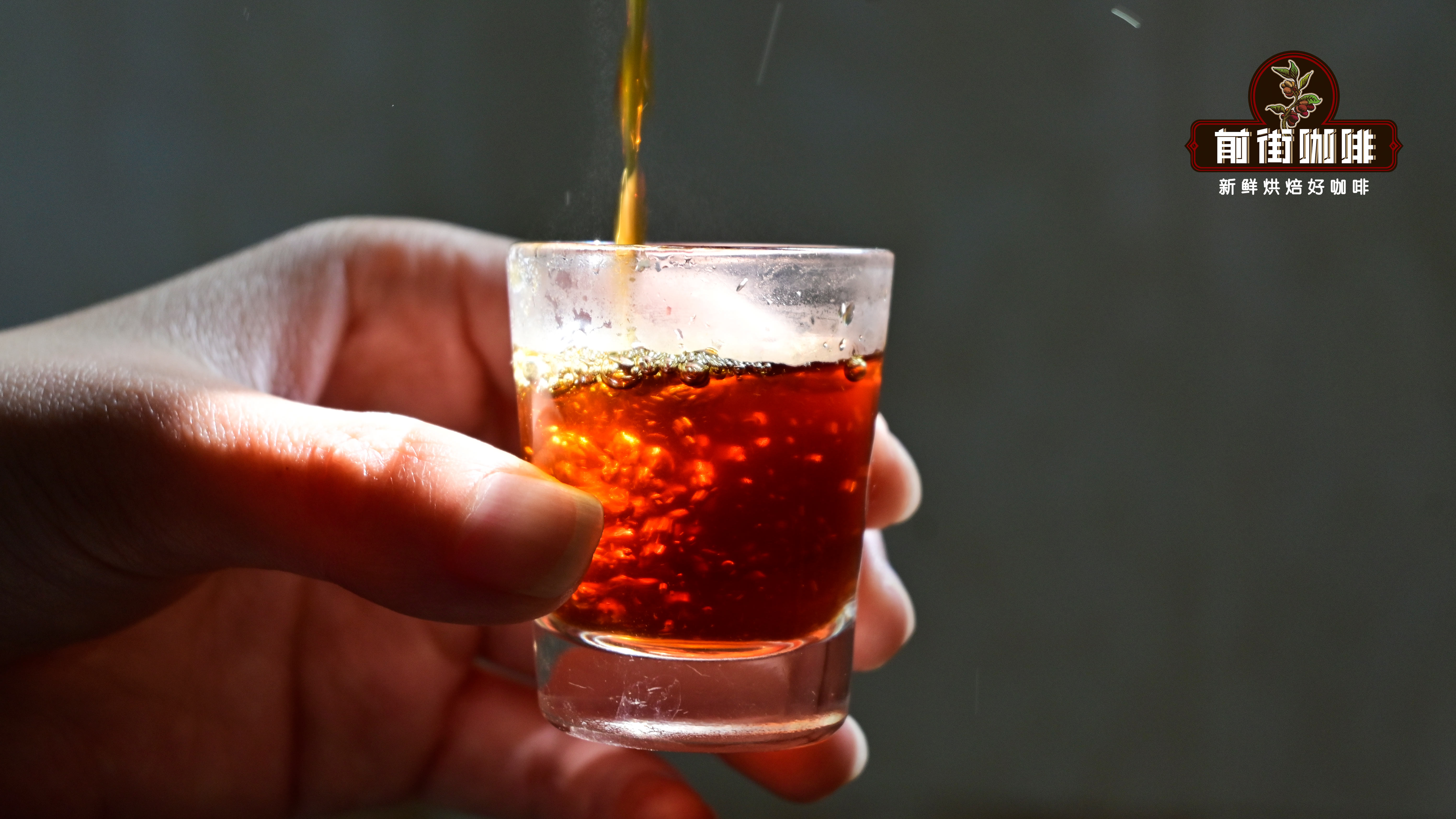
What Is Decaf Coffee and How Is It Made? Decaf is short for decaffeinated coffee, where at least 97% of the caffeine in coffee beans has been removed. Front Street Coffee believes that aside from the caffeine being removed, decaf is just like regular coffee.
It is said that the famous German poet Goethe was also a coffee lover, yet he suffered greatly from being unable to sleep after drinking coffee. The feeling of loving it yet being unable to get close to it led Goethe to ask his friend Runge to analyze the components of coffee beans and find out why coffee interferes with sleep. Around 1820 AD, Runge discovered that the factor affecting sleep was caffeine and developed a method to separate coffee beans from caffeine, making Runge the pioneer of decaf coffee.
Although Runge had found the factor in coffee that affects sleep, the caffeine extraction technology at the time could not mass-produce decaffeinated coffee. It was not until 1903 AD that German coffee bean importer Ludwig Roselius discovered that once coffee beans were soaked in seawater, their caffeine content would be greatly reduced. He then hired a team of chemists to research and develop caffeine extraction technology, achieving a major breakthrough that allowed decaffeinated coffee to finally enter mass production.

Decaf Coffee(Decaf)
Decaf is short for decaffeinated coffee. At least 97% of the caffeine in coffee from coffee beans has been removed.
With current technology, there are many methods to remove caffeine from coffee beans. Most of them involve water, organic solvents, or carbon dioxide. The coffee beans are washed in a solvent until the caffeine is extracted into it, and then the solvent is removed. The beans are decaffeinated before roasting and grinding. Aside from the caffeine content, decaffeinated coffee should have almost the same nutritional value as regular coffee. However, depending on the method used, the taste and aroma may become slightly milder and the color may change. This can make decaf coffee more enjoyable for those who are sensitive to the bitterness and aroma of regular coffee.
Does decaf mean it is completely caffeine-free? Not exactly. Although decaf coffee has most of its caffeine extracted, it still retains 2% to 3% caffeine, meaning each cup of decaf espresso still contains about 0-7 mg of caffeine. Although caffeine is still present, compared to regular espresso, decaf coffee has no effect on the vast majority of people.

Therefore, if you also have trouble sleeping due to excessive caffeine intake, you might want to try Front Street Colombia Decaf Coffee Beans. You can enjoy the aroma of coffee while avoiding the discomfort caused by caffeine.
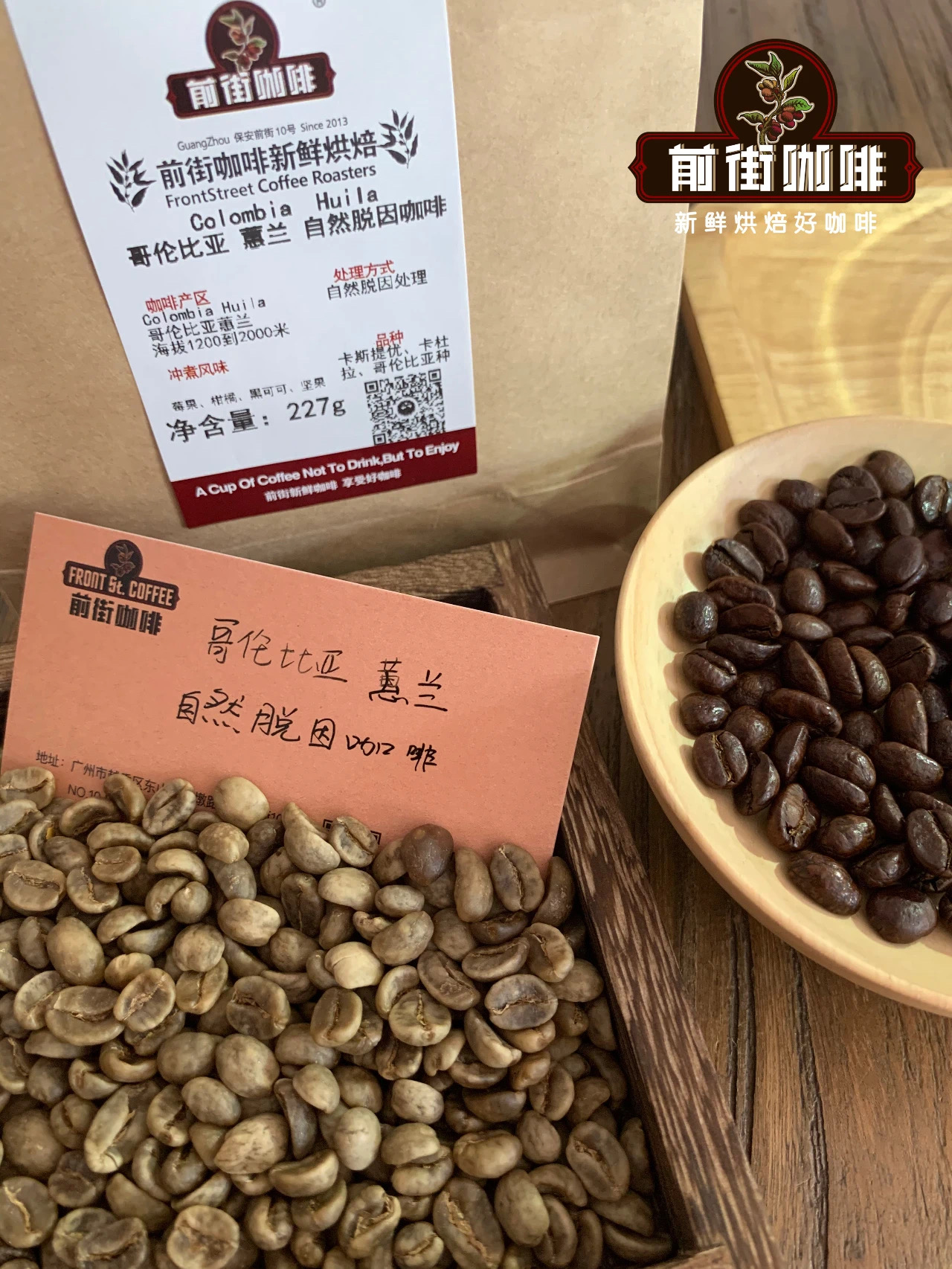
Front Street Colombia Decaf Coffee uses a medium-dark roast, featuring rich aromas of caramel, chocolate, and cocoa. It has a full-bodied mouthfeel, with a sweet roasted nut finish and a moderate oily texture. It is not only suitable for pour-over coffee but can also be used for extraction with a moka pot or espresso machine.
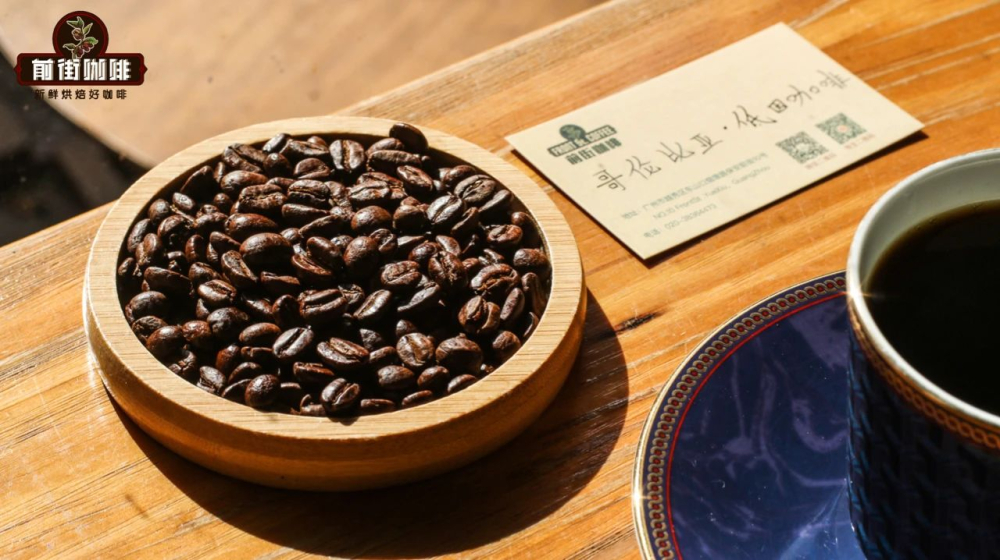
Decaf CoffeeDoes It Really Taste Bad?
Considering all the various decaffeination methods, whether decaf coffee tastes good depends on the choice of raw materials—that is, the coffee beans themselves. If cheap, commercial-grade coffee beans are used, and given that modern decaffeination technology is quite complex, in most cases companies producing decaf coffee will naturally lean toward coffee bean varieties with higher caffeine content when selecting raw materials. Even before the decaffeination process, the coffee beans themselves never tasted good to begin with. Just like other coffee beans sold in coffee shops, if decaf coffee beans start as high-quality Arabica coffee beans from the very beginning, then even after decaffeination, the decaf coffee can still perform very well.
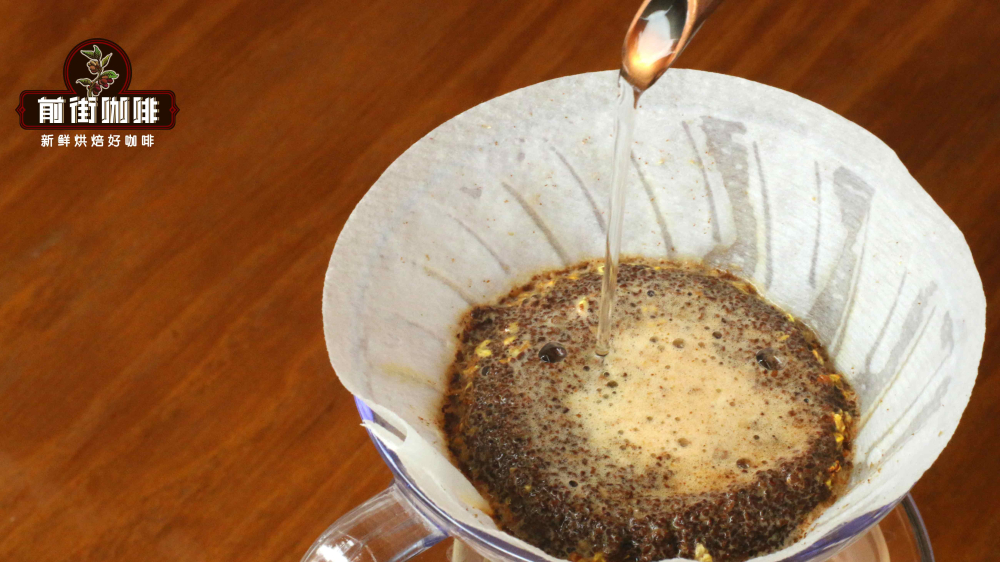
Decaf Coffee Contains Antioxidants and Nutrients
Caffeine is actually the largest source of antioxidants in the Western diet; decaf coffee typically contains similar amounts of antioxidants as regular coffee, but they may be as low as 15% less. This difference is most likely due to a small loss of antioxidants during the decaffeination process. So the reason more and more people are choosing decaf coffee now is that it provides antioxidant benefits while not affecting sleep.
The main antioxidants in regular coffee anddecaf coffeeare hydrocinnamic acids and polyphenols. Antioxidants are very effective at neutralizing reactive compounds known as free radicals. This can reduce oxidative damage and may help prevent conditions such as heart disease, cancer, and type 2 diabetes.
In addition to antioxidants, decaf coffee also contains small amounts of certain nutrients. A cup of brewed decaf coffee provides 2.4% of the recommended daily intake of magnesium, 4.8% of potassium, and 2.5% of niacin, or vitamin B3. This may not seem like a lot of nutrients, but if you drink 2-3 cups (or more) of coffee every day, these amounts can add up quickly.
The above content is compiled by CoffeeHunters, a coffee news website.


