







What Is Arabica Coffee and How Is Decaf Made?
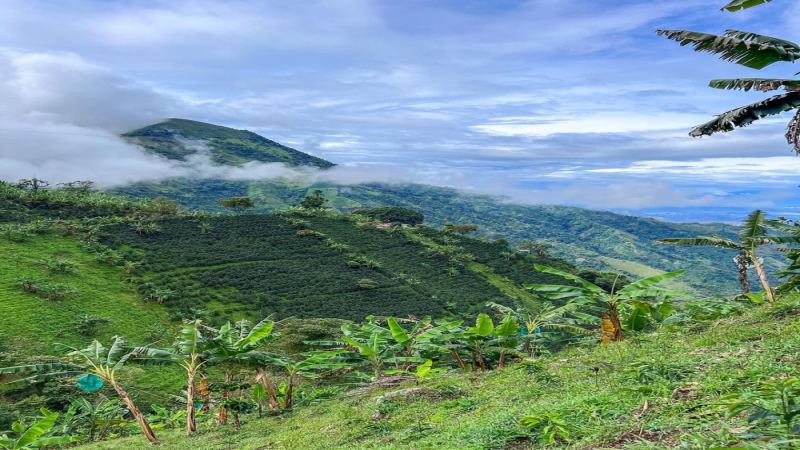
Arabica is the coffee species that supplies nearly all specialty coffee, and it is the plant behind Coffea Arabica L., named by Linnaeus in the 17th century. A Colombian decaf example from the Huila region is grown at about 1,750 meters from Typica variety plants, decaffeinated with the Swiss Water Process and tasting of berry, citrus, cocoa, and nut.
Swiss Water decaffeination uses water, temperature, and a carbon filter rather than chemical solvents, removing most caffeine while keeping much of the original flavor, which suits drinkers who are sensitive to caffeine but still want black coffee. Colombia's Huila beans are known for high-grown quality, and export lots pass density screening and manual defect removal before shipping.
Decaf coffee can significantly reduce caffeine content while retaining the aroma and flavor of the coffee beans themselves, which is why it is favored by many black coffee enthusiasts. Decaf coffee produced in Colombia has always been outstanding in quality, and Front Street Coffee has also specially selected several decaf beans with excellent flavor performance. This article takes a Swiss Water Process decaf coffee from Colombia's Huila region as an example to introduce its regional background, green bean grade, decaffeination principles, roasting approach, and brewing parameters, and to explain that decaf coffee is not inherently unpalatable—the key lies in the quality of the raw beans and the processing technology.
Decaf coffee has always been a category of product that many coffee enthusiasts pay attention to. It removes most of the caffeine while preserving as much of the coffee beans' original flavor as possible, making it suitable for people who love black coffee but are sensitive to caffeine. Colombian decaf coffee performs quite prominently in this field, and its quality is widely recognized. For this reason, Front Street Coffee has been continuously searching for decaf coffee beans with better flavor. The one Front Street Coffee has selected this time is a Swiss Water Process decaf coffee bean from Colombia's Huila region.
Front Street Coffee Colombia Decaf Coffee
Region: Colombia Huila
Altitude: 1,750 meters
Variety: Typica
Processing Method: Swiss Water Process
Flavor: Berry, Citrus, Cocoa, Nut
Coffee Region Introduction
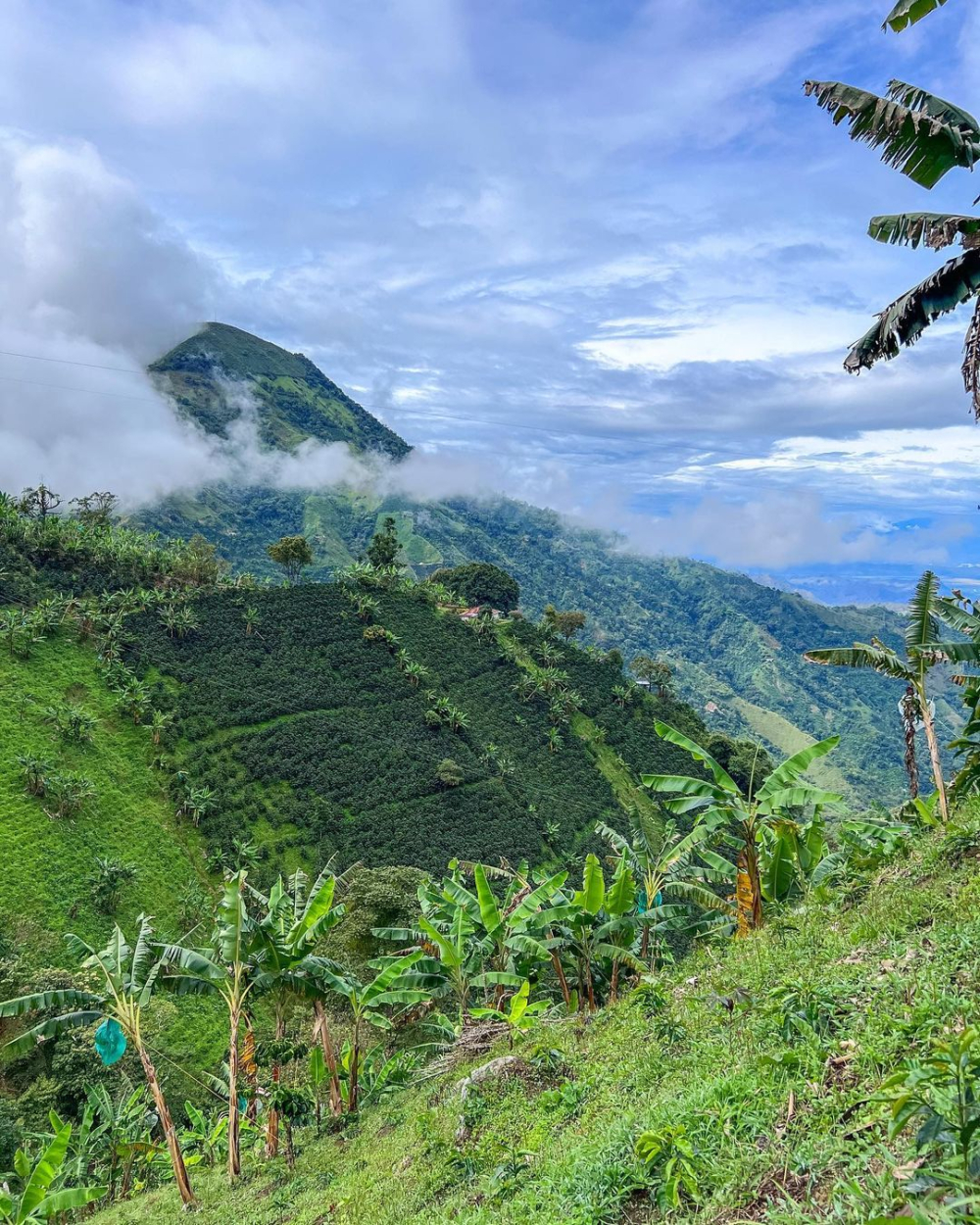
Colombia Huila belongs to the specially selected high-mountain coffee beans under the Colombian state company, and has long been known as Colombia's national treasure–level coffee. Thanks to superior geographical and climatic conditions, Colombian coffee has always maintained relatively high quality. Usually, Colombian coffee beans without special market trademark names come from the National Federation of Colombia Coffee Growers, an organization long known for strict quality control and active promotion.
Colombian coffee beans are extremely well known around the world, and the high-quality washed beans produced there have always been representatives of high-quality coffee. Coffee beans exported from Colombia must go through multiple strict procedures, including density screening and manual removal of defective beans, and only after passing layer upon layer of checks are they bagged. Therefore, the quality of Colombian coffee can be fully guaranteed.
Front Street Coffee believes that the reason decaf coffee tastes bad does not lie in the decaffeination process itself. The reason is that most decaf coffee on the market uses low-priced commercial-grade coffee beans when selecting raw materials. Modern decaffeination technology is actually quite complex, but in most cases, companies producing decaf coffee tend to favor varieties with higher caffeine content (such as Robusta beans) when choosing raw materials. In other words, before even entering the decaffeination process, these coffee beans are already not tasty. By the same logic as other coffee beans sold in coffee shops, if decaf coffee uses high-quality Arabica beans from the green bean stage, then even after decaffeination, the final result can still be quite good. The batch of Colombian decaf green beans selected by Front Street this time is graded Supremo. In Colombia's coffee bean grading system, Supremo is the highest grade, and its quality is very well guaranteed.
Processing Method
This batch uses Swiss Water Process decaffeination technology, which is a commercially developed and highly efficient processing method divided into two major steps. The first step is in the green bean state, soaking the beans in hot water. At this point, the hot water removes all the flavor factors in the green beans along with the caffeine, and this initial batch of green coffee beans is then discarded.
Next, the hot water carrying all the flavor factors is passed through an activated carbon filter to remove the caffeine, leaving behind hot water fully loaded with pure flavor factors. This hot water is called "Flavor-charged Water" in the Swiss Water Process. It contains saturated green coffee flavor factors but no caffeine at all, and it is the most important medium in the subsequent decaffeination procedure.
When a new batch of green coffee beans is soaked in flavor-charged water that is saturated with flavor factors and contains no caffeine, the caffeine in the green beans is released, but the flavor factors are not. In this way, the original flavor that the green coffee beans should have is not diminished very much. Obviously, the flavor factors in the flavor-charged water are already close to saturation, so no more flavor factors can be dissolved out, but there is still ample room for caffeine to dissolve out. This series of steps can effectively remove 99.9% of the caffeine. In addition to requiring no chemical solvents, the soaked solution can also be reused for different batches of processing. Front Street Coffee Roasting Parameters
In order to highlight this bean's rich mouthfeel and sweetness, Front Street Coffee's roaster used a medium roast. Beans were charged at 165°C; after 1 minute 32 seconds the temperature dropped to 92.5°C and began to turn back up, at which point the heat was maintained at 130 and the airflow at 3. At around 3 minutes, airflow was increased to 4, and at 4 minutes the heat was increased to maintain the temperature during the drying phase. At about 6 minutes 15 seconds, the yellowing point was reached, with the temperature at 153.5°C. Then came the middle phase, during which the heat was increased to create thermal momentum and allow the temperature to rise steadily between 6 and 10 minutes. First crack arrived at 9 minutes 57 seconds, with the temperature at 183.2°C, at which point the heat was raised to 176 to prevent a drop in temperature. The beans were dropped 2 minutes 30 seconds after first crack.
Because this coffee needs to be soaked in hot water to release caffeine during the decaffeination process and is then dried afterward, the fiber structure of the coffee may already have changed during this period, causing oils to be released more easily when the roast enters the medium-dark stage, making the bean surface shiny with oil.
Front Street Coffee Brewing Suggestions
Brewing Parameters:
Dose: 15g
Ratio: 1:15
Water Temperature: 88°C
Grind Size: Coarse grind (62% passing through a No. 20 standard sieve)
Dripper: KONO Dripper
To brew a richer coffee, a Kono dripper was chosen. The design concept of this dripper is to produce a flannel-like mouthfeel. After the water causes the filter paper to fit snugly and moistly against the dripper, a closed space is formed, creating a siphon effect that makes the extracted coffee richer.
Brewing Method:
1. Add the coffee grounds and pour in twice the amount of water (30ml) to bloom for 30 seconds. 2. Then perform the second pour, gently circling to pour in 150ml of hot water, pushing the coffee bed upward so that a golden foam surface forms on top. 3. Wait for the water level on the coffee bed to drop slightly, then pour in the final 45ml. After all the coffee liquid has flowed into the server, remove the dripper to end extraction. Total extraction time is 2 minutes 10 seconds.
Flavor Description
The flavor of this coffee is the aroma of nuts and cocoa, with black chocolate as the main note, along with the fruity acidity of berries and citrus.
For more specialty coffee beans, please add the private WeChat of Front Street Coffee, WeChat ID: kaixinguoguo0925
The above content is compiled by CoffeeHunters, a coffee news website.


