







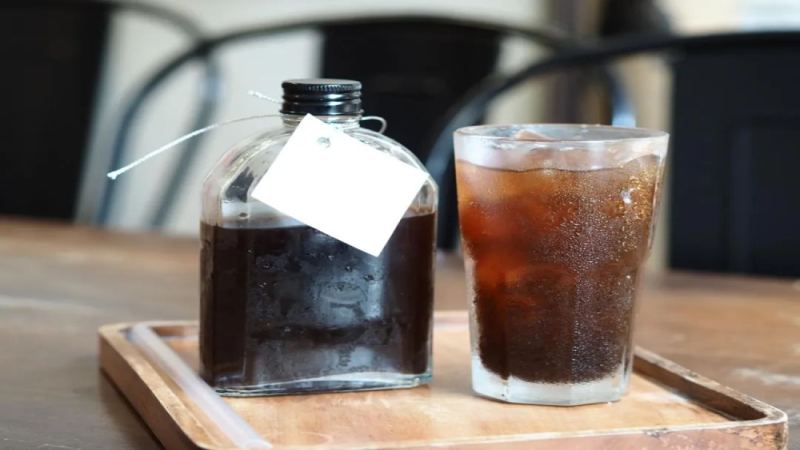
How does laser pulse technology speed up coffee extraction?
A chemistry research team at the University of Duisburg-Essen in Germany found that irradiating a mixture of coffee grounds and water with a pulsed laser produces cold brew coffee in about 3 minutes, against the 12 hours traditional cold brewing normally needs. The method also shows distinct results in acidity and caffeine content compared with standard cold brew.
Cold brew is less acidic and bitter than hot extraction because flavor compounds dissolve according to water temperature: hot water pulls out nutty notes quickly, while low-temperature water releases heavier, bitter compounds slowly for a smoother, mellower cup. The laser approach shortens that long brew step, and the team's experimental comparisons point toward possible future commercialization.
On a scorching summer day, a refreshing glass of cold brew coffee is a favorite for many coffee lovers, but traditional cold brewing requires at least 12 hours of waiting, which puts people off. Now, a chemistry research team at the University of Duisburg-Essen in Germany has brought an exciting discovery: by irradiating a mixture of coffee grounds and water with a pulsed laser, cold brew coffee can be made in just 3 minutes. This technology not only dramatically shortens the extraction time but also shows unique performance in acidity and caffeine content. This article will guide you through the principles of this scientific breakthrough, the results of experimental comparisons, and the possibilities for future commercialization, while retaining relevant recommendations for the Front Street brand.
As waves of heatwaves keep rolling in, cold brew coffee has become an indispensable refreshing drink in the scorching summer. However, the long brewing cycle of cold brew coffee makes it seem like an unattainable summer luxury. With continuous technological progress, the role of the barista can already be perfectly performed by machines, and cold brew coffee no longer requires a 12-hour wait—it can be completed in just 3 minutes.
It is widely known that cold brew coffee has far lower acidity and bitterness than coffee extracted with hot water. The reason is that when water comes into contact with coffee grounds, the types and amounts of flavor compounds dissolved are closely related to the water temperature.
For example, for a coffee bean with a rich nutty profile, if brewed with hot water, the nutty flavor compounds are more easily released at high temperatures; conversely, low-temperature water dissolves bitterness and other flavor compounds with larger molecular weights more slowly, resulting in a smoother and mellower taste that is also more easily accepted by the general public.
However, making a cup of cold brew coffee takes far too long, usually more than 12 hours, and by the time it is actually ready, the desire to drink it may have long faded. Fortunately, coffee, as one of the most popular beverages in the world, has enthusiasts all over the globe, from all walks of life.
Technological progress has also added much convenience to human life. With the help of science and technology, perhaps the time required to make cold brew coffee can truly be greatly shortened. A chemistry research team at the University of Duisburg-Essen in Germany used a pulsed laser to irradiate a mixture of coffee grounds and water with laser light, completing a cup of cold brew coffee in just three minutes.
Some may worry that the laser will instantly heat up the coffee. According to the researchers' explanation, throughout the process, the laser only raised the coffee liquid's temperature by about 5 degrees Celsius.
In addition, the researchers compared the coffee extracted by laser for three minutes with cold brew coffee extracted for 24 hours and coffee brewed traditionally with hot water. The results showed that in terms of acidity, the coffee obtained by 3 minutes of laser irradiation was almost identical to the 24-hour cold brew coffee, and both had significantly lower acidity than hot water extracted coffee; in terms of caffeine content, the laser-extracted coffee was lower than traditional cold brew coffee.
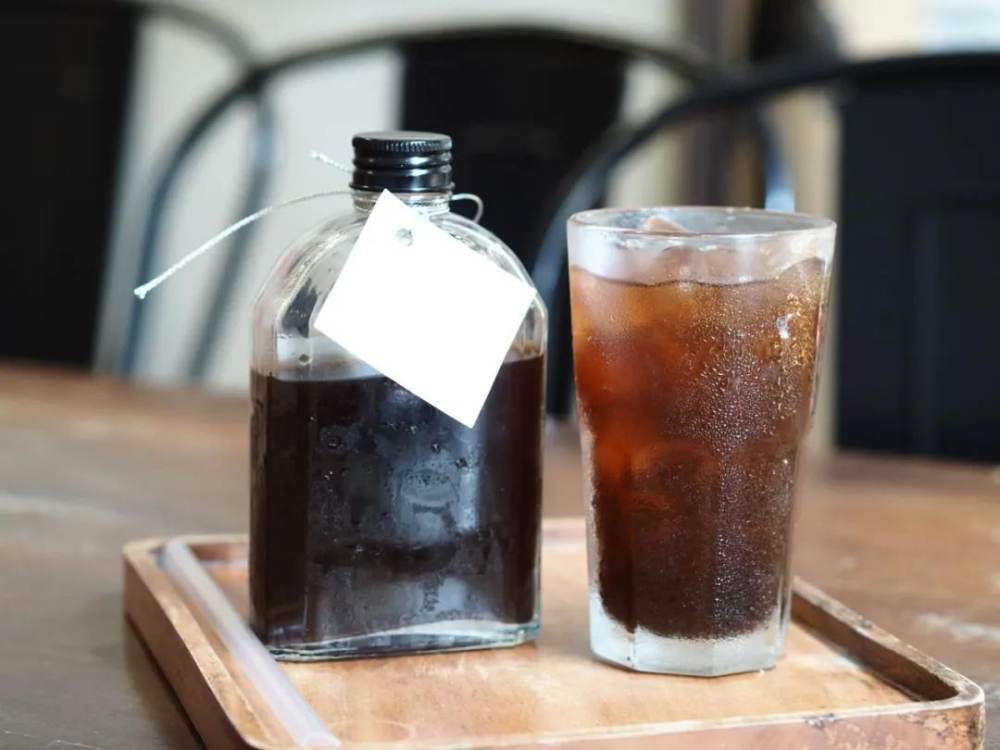
Pulsed laser accelerates cold brew coffee extraction, compressing a long process that originally took hours into just a few minutes. This research opens up many exciting possibilities for cold brew coffee. However, the technology is still at the scientific laboratory stage and has not yet been promoted to the public.
According to the tech media outlet Slash Gear, the research team has high hopes for the commercialization prospects of pulsed laser used in coffee extraction and plans to further develop and utilize it. Perhaps in the near future, we will be able to witness baristas using lasers to extract coffee in cafes.
Image source: Internet
For more coffee bean information, please follow Coffee Workshop (WeChat public account: cafe_style) For professional coffee knowledge exchange, please add WeChat ID: kaixinguoguo0925
The above content is compiled by CoffeeHunters, a coffee news website.


