







Search Results for: regular
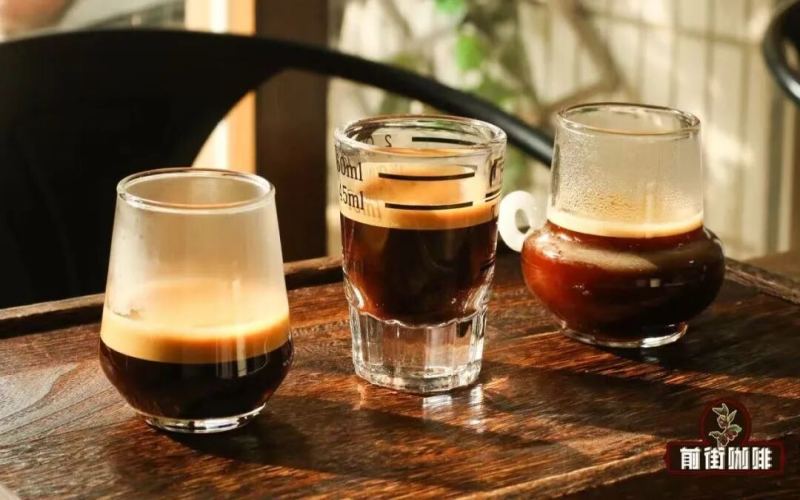
Espresso Coffee Types | What Is a Long Shot? Where Does Lungo Coffee Come From? How Does Lungo Coffee Differ from Regular Espresso?
Recently, many specialty coffee shops have started selling a "niche" coffee—the "Long Extraction." For friends who are not deeply into coffee, Long Extraction can be quite unfamiliar, so recently many friends have often asked Front Street what Long Extraction is. To be honest, Front Street believes that the main reason everyone finds it unfamiliar [more…]
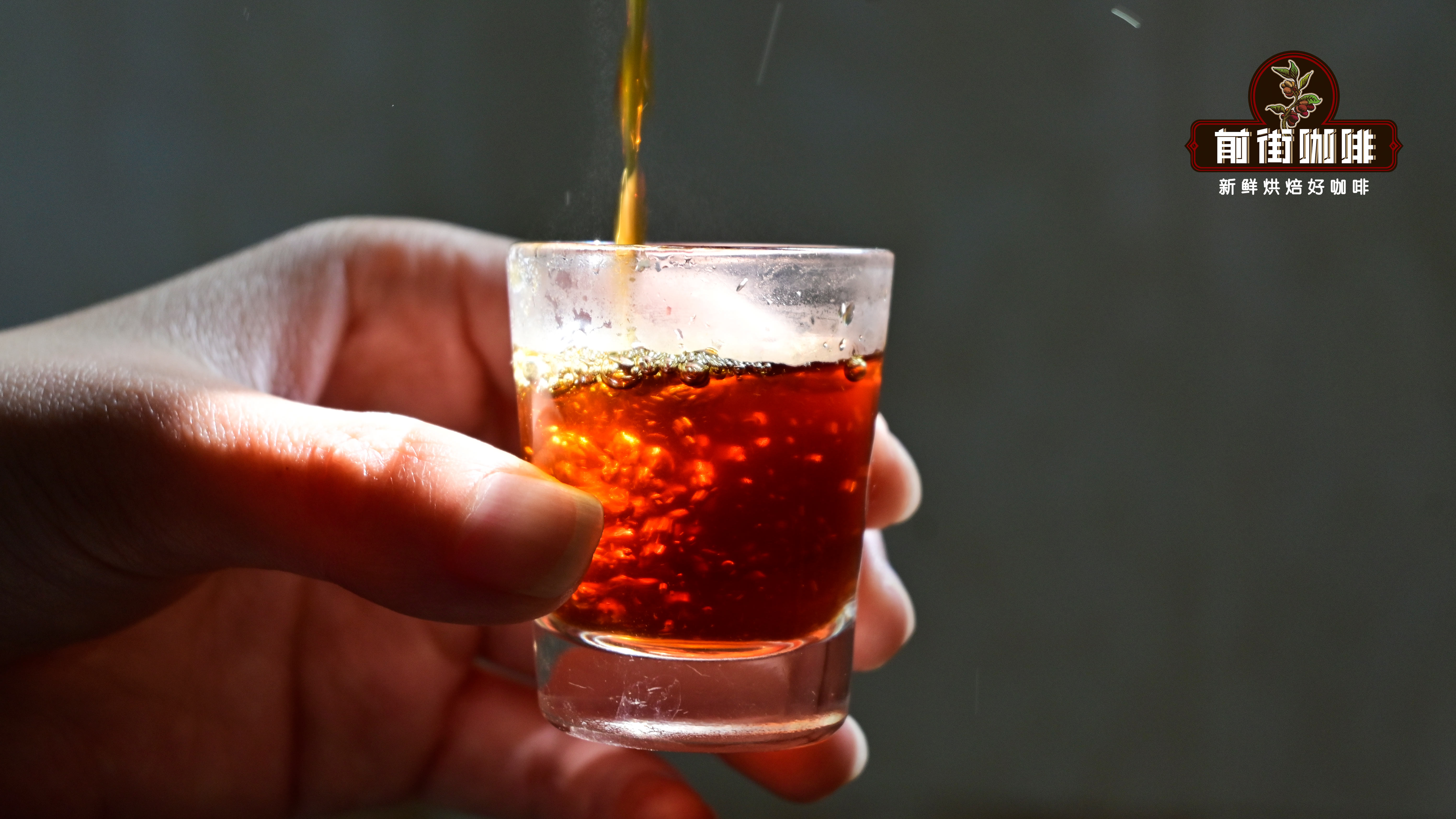
Decaf Coffee | Is Decaf Coffee Healthy? Who Is Decaf Coffee Suitable For? What Specialty Decaf Pour-Over Beans Are Recommended?
What is decaf coffee and how is it made? Decaf is short for decaffeinated coffee, where at least 97% of the caffeine has been removed from the coffee beans. Front Street Coffee believes that apart from the caffeine being removed, decaf coffee is just like regular [more…]
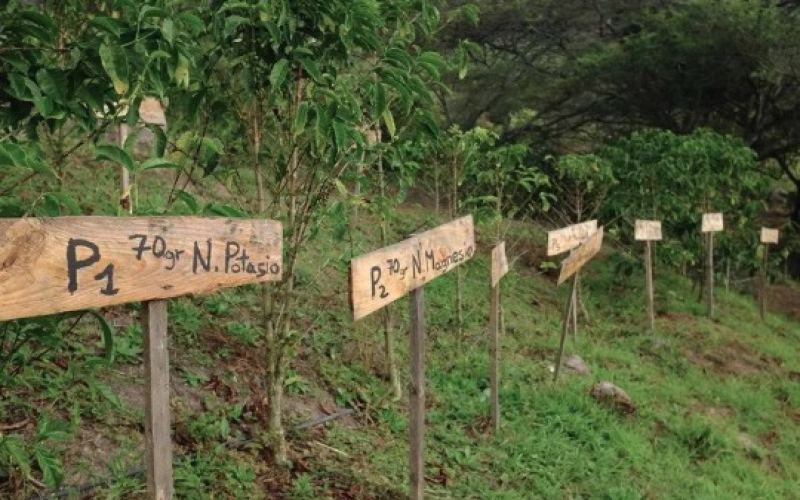
What is a microlot coffee bean? Will the quality of microlot coffee beans be better than that of regular batches?
What is a microlot coffee bean? Will the quality of microlot coffee beans be better than that of regular batches? Now, when drinking single-origin coffee, it is very easy for us to trace back to which country, which producing area, and even to the ha [more…]

Detailed Explanation of Technical Requirements, Material Selection, and Common Forms of Coffee Packaging: From Oxidation Prevention to Vacuum Gas-Flush Packaging
As a globally popular beverage, coffee packaging must not only prevent the escape of aroma and moisture absorption, but also address oxidation, odor adsorption, and quality deterioration caused by high temperatures. This article focuses on the packaging needs of regular coffee and instant coffee, systematically outlining key technical requirements such as oxidation prevention, moisture resistance, gas barrier properties, and high-temperature protection, and introduces current mainstream vacuum packaging and gas-flushing packaging processes. In terms of material selection, bags, bag-in-box, metal cans, and glass jars each have corresponding composite structure solutions, while instant coffee mostly uses paper/aluminum foil/polyethylene flexible packaging. The article concludes with a summary of common packaging forms such as bags, cans, and boxes, suitable for reference by coffee enthusiasts and industry professionals. [more…]

Types of Espresso | What's the Difference Between Ristretto and Regular Espresso? Which Espresso Is Best for a Flat White?
For more specialty coffee knowledge, please follow the WeChat public account: FrontStreet Coffee. Coffee is now gradually becoming more widespread, and more and more consumers are beginning to learn about coffee. On the one hand, industry giants still maintain their leading position, while on the other hand, independent niche coffee shops are also [more…]
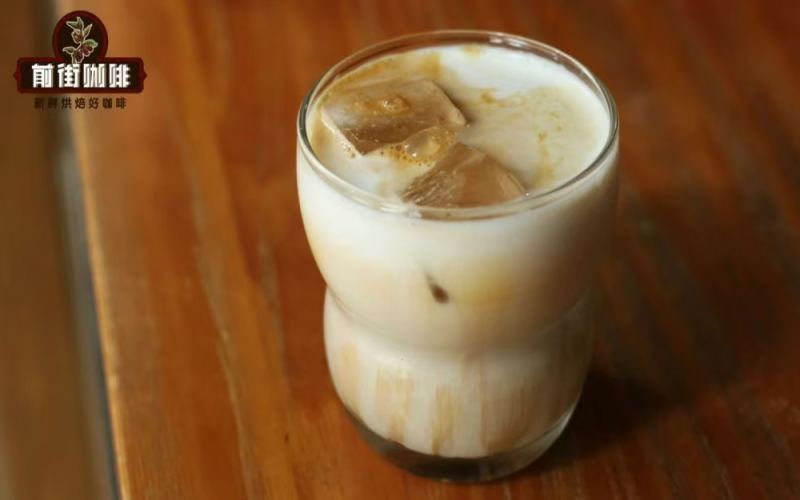
Spanish Latte Recipe | Can You Add Condensed Milk to Black Coffee? What's the Difference Between a Spanish Latte and a Regular Latte? What's the Milk-to-Coffee Ratio in a Spanish Latte?
Today, the menus in coffee shops are rich and diverse, and in order to cater to more people's tastes, adding various dairy products and flavored syrups to coffee is also very common. So have you ever heard of coffee with condensed milk? Adding condensed milk is to mask the strong bitterness in coffee. In Vietnam, the aroma of coffee drifts through the streets and alleys. [more…]
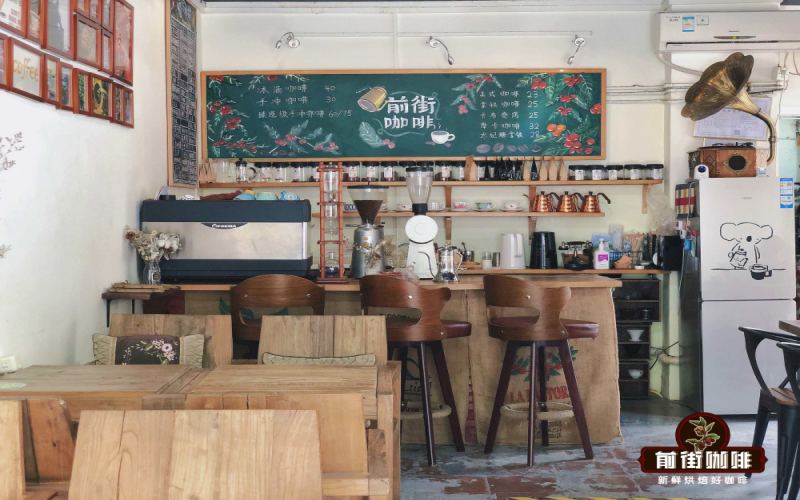
Indonesian Mandheling Roasting Profile | What Are the Characteristics of Indonesian Sumatra Coffee's Origin, Varieties, and Processing Methods? How to Brew PWN Golden Mandheling So It Tastes Good and Not Bitter?
Sumatra is one of Indonesia's coffee-producing regions. What significance do Starbucks Sumatra coffee beans hold? What kind of coffee are Starbucks Sumatra coffee beans—with a strong earthy aroma and exceptionally concentrated flavor; full-bodied and rich. The coffee varieties and brewing methods of Sumatra, for those who love coffee [more…]
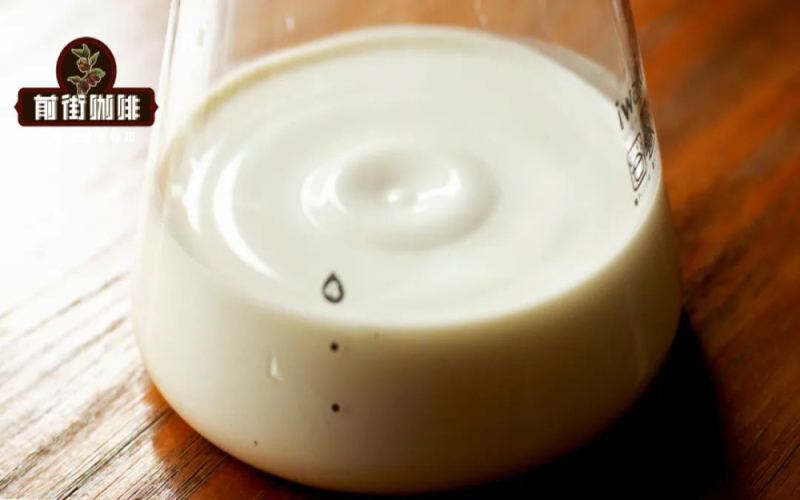
Water Buffalo Milk Latte and Dirty: Can Milk Foam Latte Art, Sweetness, and Coffee Flavor Coexist?
Buffalo milk has long been a specialty dairy product in the Guangdong and Guangxi regions, and in recent years it has been increasingly used by coffee enthusiasts to pair with espresso. It contains higher levels of protein, fat, and calcium than regular milk, with a lower water content, making it sweeter and silkier to drink. So, is buffalo milk actually suitable for latte art? And what does it taste like in an iced latte or a Dirty? This time, Front Street Coffee selected the refrigerated fresh buffalo milk from the local Foshan brand Baifulu, paired with Front Street Coffee's classic blend coffee beans, to make three drinks: a flat white, an iced latte, and a Dirty. From milk foam texture and latte art performance to the flavor on the palate, we tested each one to see whether the combination of buffalo milk and coffee can achieve an effect where 1+1>2. [more…]
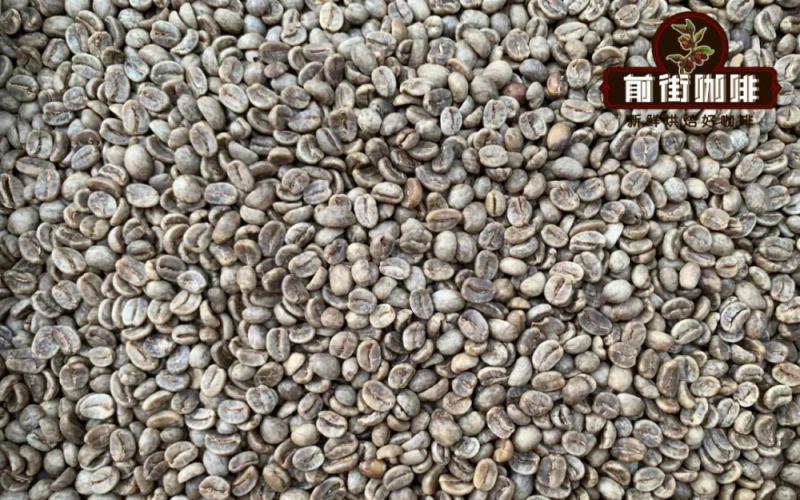
Who Is Decaf Coffee Suitable For? | What's the Difference Between Decaf and Regular Coffee? Is Decaf Coffee Specialty Coffee? Recommended Low-Caffeine Pour-Over Coffee Beans
Some people love the aroma of coffee but can't enjoy it, because drinking coffee gives them palpitations, insomnia, stomach pain, and other adverse reactions. So is there a low-caffeine coffee option? How low can its caffeine content be? First, let's understand what caffeine is. Caffeine is a plant [more…]

SOE Latte | What's the difference between an SOE latte and a regular latte? What are some recommendations for good-tasting, affordable, high-quality SOE espresso beans for making lattes?
In everyday life, you may hear terms like SOE latte or SOE Americano—these simply mean using single-origin coffee to make an espresso base, which is then combined with milk to become a latte or with water to become an Americano. This is a way to distinguish it from traditional blended coffee, and the separate name comes from "single [more…]
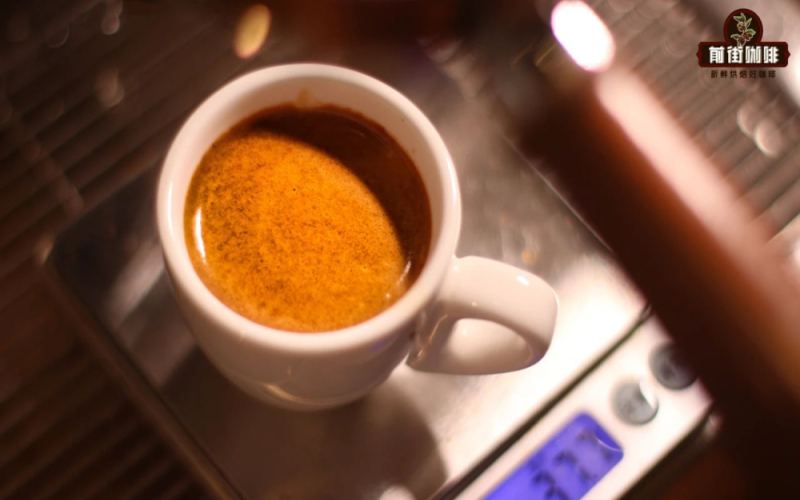
Characteristics of Decaf Coffee Beans | Where Does Decaf Coffee Come From? What's the Difference Between Decaf Coffee and Regular Coffee? How Is Caffeine-Free Coffee Made?
As people pursue health, many drinks marketed as sugar-free and low-fat have appeared in everyone's life. Coffee, as one of the world's three major beverages, is naturally no exception, and low-caffeine coffee has also been introduced, namely the decaf coffee commonly seen in coffee shops today. So what are the characteristics of decaf coffee? Then [more…]
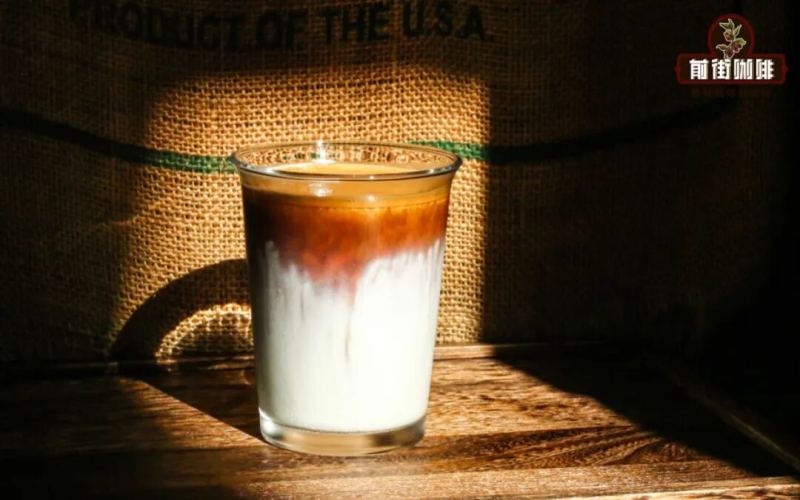
Coffee Preparation | Why don't coffee shops serve hot dirty coffee? How to make hot Dirty coffee at home? How does the taste of hot dirty differ from regular dirty?
Customer: "Boss, I'll have a Dirty!" Front Street: "Coming right up!" Customer: "Make it hot!" Front Street: "..., sorry, we don't have that. Dirty isn't made hot..." In the daily life of a coffee shop, this kind of exchange is a common occurrence. Because the ingredients for making a Dirty [more…]
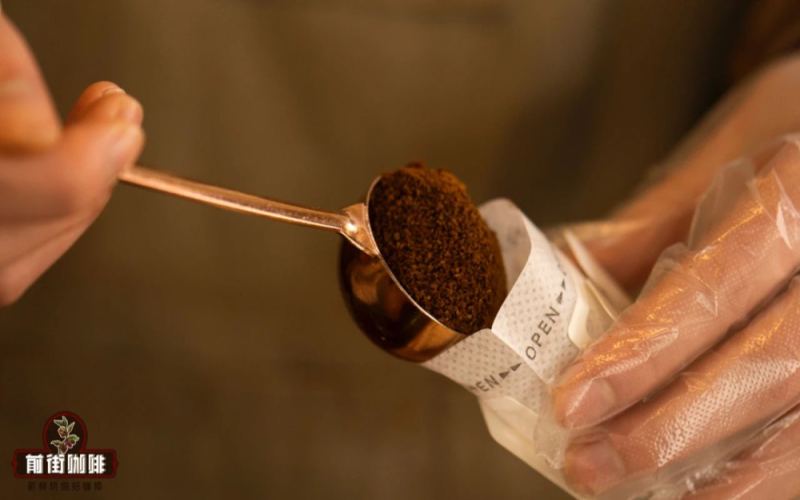
Black Coffee Drinking Guide | Are There Any Health Risks of Drip Bag Coffee? What Are the Benefits and Effects of Drinking Drip Bag Coffee Regularly?
Drip bag coffee is a portable pour-over coffee made by grinding roasted coffee beans to a suitable coarseness, then packaging the grounds in specially designed drip bag coffee packets that are individually sealed. The coffee brewed from drip bag packets is generally black coffee with no sugar, no milk, and no additives. The benefits and drawbacks of drinking drip bag coffee, according to "The Aroma of Coffee [more…]
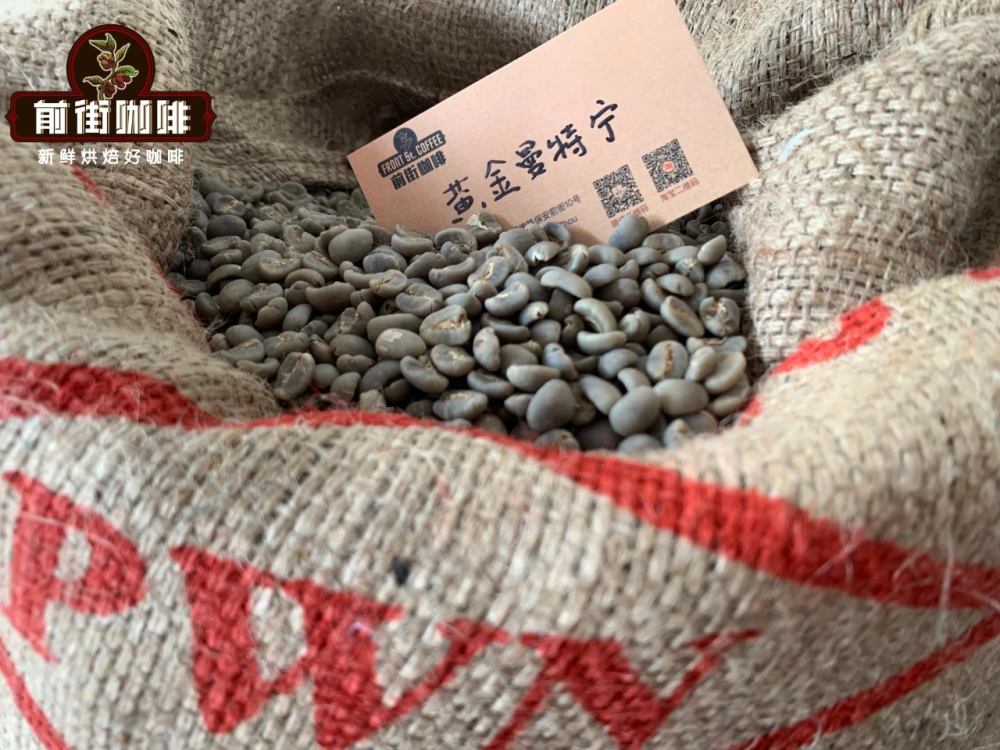
Deep Roast Pour-Over Single-Origin Bean Recommendation | Why Is PWN Golden Mandheling So Expensive? What's the Difference Between Golden Mandheling and Regular Mandheling?
There are many kinds of coffee, with light roasts and dark roasts. Besides the differences in coffee beans, the coffee machines are also different, so there are many things to pay attention to. Today, Front Street Coffee will tell everyone how to hand-brew Golden Mandheling coffee. Golden Mandheling coffee is a very popular specialty coffee bean at Front Street Coffee! In introducing Golden Man [more…]
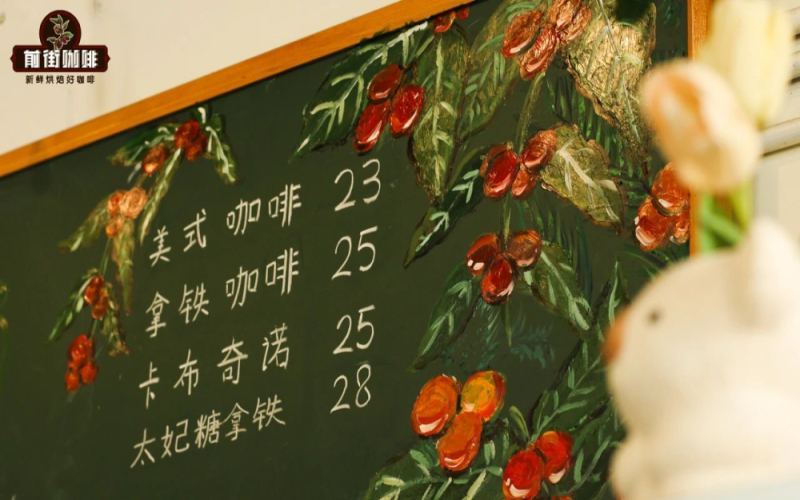
A Complete Guide to Common Coffee Types in Cafés: From Espresso to Cold Brew, the Differences Between Iced Americano, Latte, Piccolo, and Dirty
Walking into a café and facing the dazzling array of coffee names on the menu, have you ever hesitated: what exactly is the difference between an Americano, a Latte, a Dirty, and a Flat White? In fact, these common coffees can be grouped into three major camps—the espresso family, the drip coffee family, and the cold brew family. Espresso-based drinks use espresso as their foundation and, by adjusting the types and proportions of ingredients, have evolved into a rich variety including the Americano, Latte, Cappuccino, Flat White, Dirty, and Mocha; drip coffee, on the other hand, covers pour-over and cold drip, emphasizing clean, transparent layers of flavor; cold brew coffee uses immersion to deliver a full, rich mouthfeel. In this article, Front Street Coffee will guide you through the production logic, key parameters, and flavor characteristics of each category, and share application suggestions for beans such as Front Street Dark Cocoa Blend, Huakui, and Mozart, helping you easily pick the cup you love. [more…]
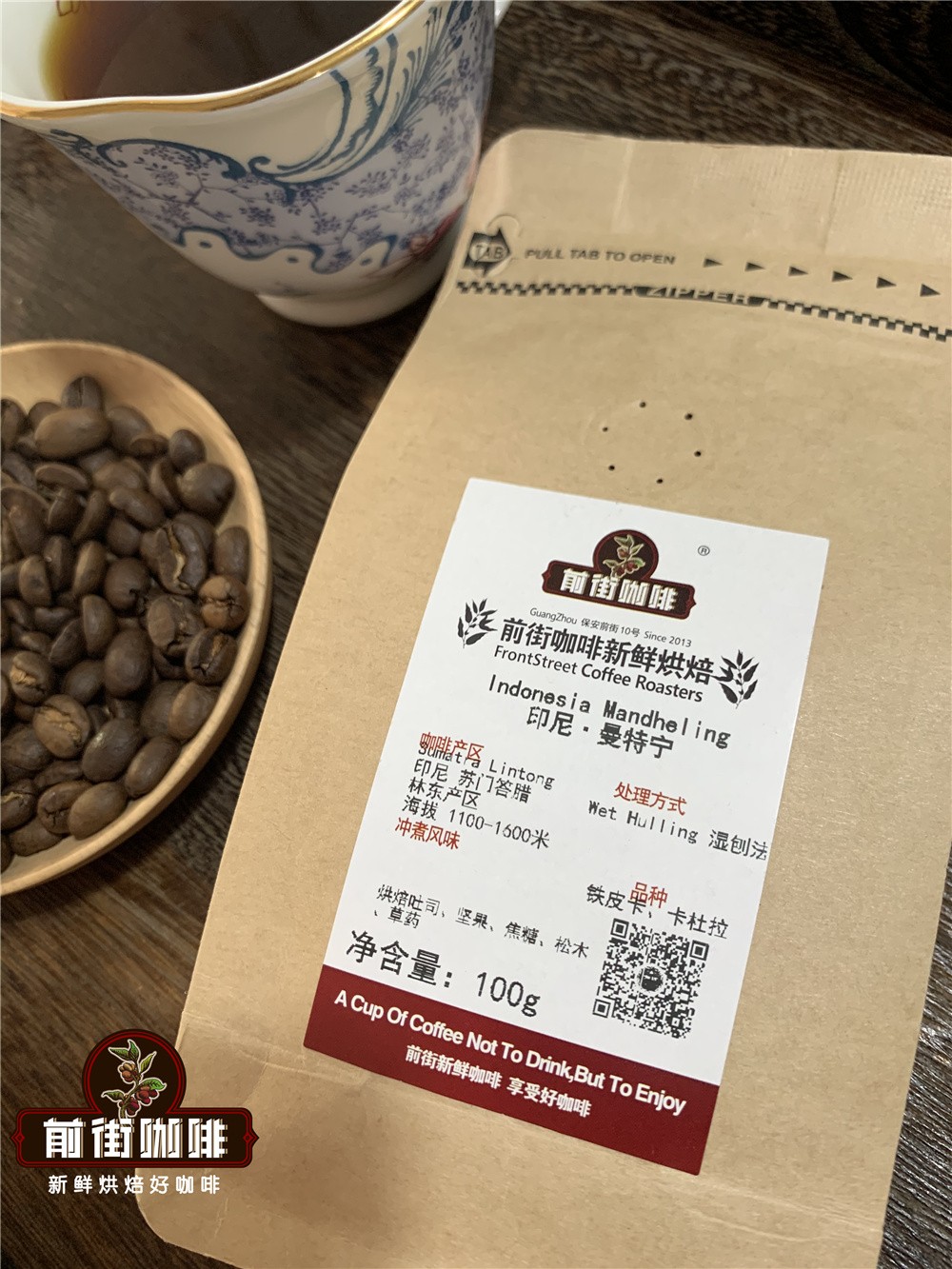
Origin of the Golden Mandheling Name | What Are the Characteristics, Flavor and Mouthfeel of the Ateng Variety Mandheling Coffee Bean? What Is the Difference Between Golden Mandheling and Regular Mandheling?
Mandheling is not the name of a producing region, a place, a port, or a coffee variety. Its name actually comes from a mispronunciation of the Mandailing ethnic group in Indonesia. Mandheling coffee: during World War II, when Japan occupied Indonesia, a Japanese soldier drank a rich and mellow [more…]
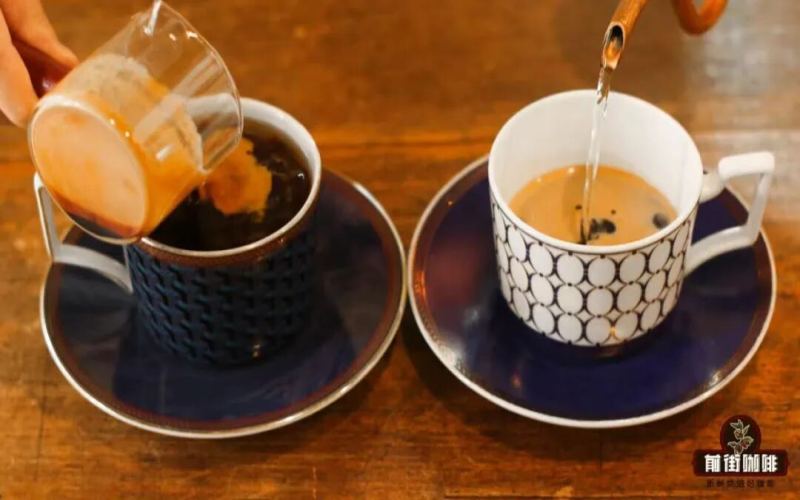
Fancy Ways to Drink Americano | Can You Make Latte Art with Americano? Does Americano with Milk Taste Good? Isn't a Long Black the Same Drink as an Americano?
As everyone knows!! In espresso coffee, the combination of milk and coffee has an extremely rich variety of ways to be enjoyed. Just by slightly changing the method or parameters, milk and coffee alone can be made in countless ways. The well-known ones include latte, cappuccino, flat white, piccolo, cortado, macchiato, and so on and so forth. And on the other hand, [more…]

Cold Brew Coffee Beans Recommendation | What Are the Characteristics of Cold Brew Coffee? Which Coffee Bean Varieties Are Suitable for Cold Brew? Can Regular Coffee Grounds Be Used for Cold Brew?
Cold brew coffee is becoming more and more common nowadays. We are all so busy in our daily lives that we don't even have time to go buy a cup of coffee. In that case, cold brew coffee is the quickest way to get a cup of coffee right now. The fermented aroma and refreshing coolness of cold brew instantly make you feel at ease, and even in autumn and winter, it still makes you think of its taste. You only need to spend [more…]
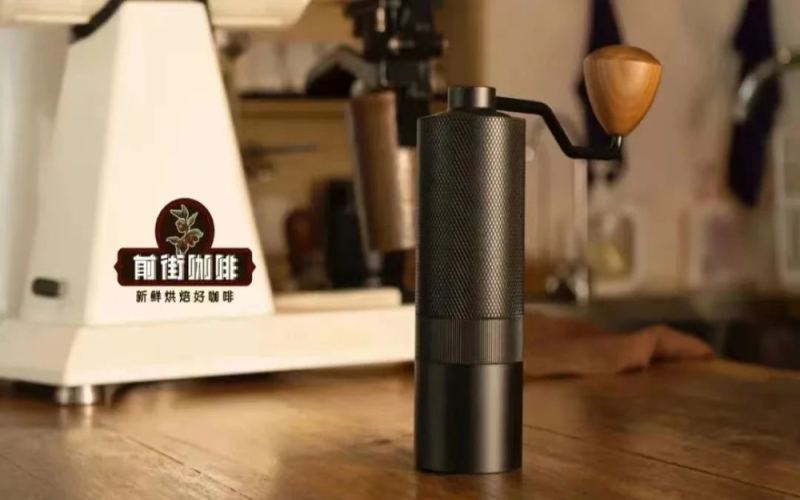
A Practical Guide to Using a Manual Coffee Grinder: A Full Breakdown of Burr Structure, Grind Setting Adjustment, and Daily Maintenance
Manual coffee grinders are a go-to piece of gear for many pour-over enthusiasts, serving both everyday home use and, when paired with a French press, AeroPress, or moka pot, forming a portable outdoor kit. Grinders from different brands and models vary noticeably in price and the quality of the ground coffee they produce. From the perspective of Front Street, this article systematically breaks down the core components of a manual grinder—the burr, the adjustment dial, the handle, the bean hopper, and the grounds bin—and explains how to adjust the grind setting according to your brewing method, how to turn the handle correctly, and the key points of cleaning and regular maintenance, helping you use your manual grinder more smoothly and making every cup's extraction more consistent. [more…]
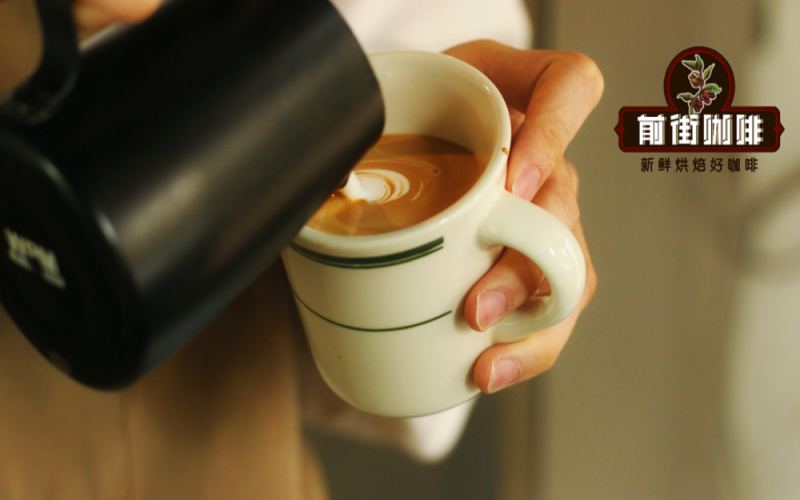
Flat White | What Is Australian White Coffee? Differences Between Flat White and Latte in Dirty Preparation, Ratio, Taste, and Characteristics
For more specialty coffee knowledge, please follow: Front Street Coffee (FrontStreet Coffee). Nowadays, although more and more coffee varieties are appearing on café menus, milk-based coffee products are still the most popular. According to the results of multiple surveys, the latte has always been the coffee [more…]