







Search Results for: expired nuts
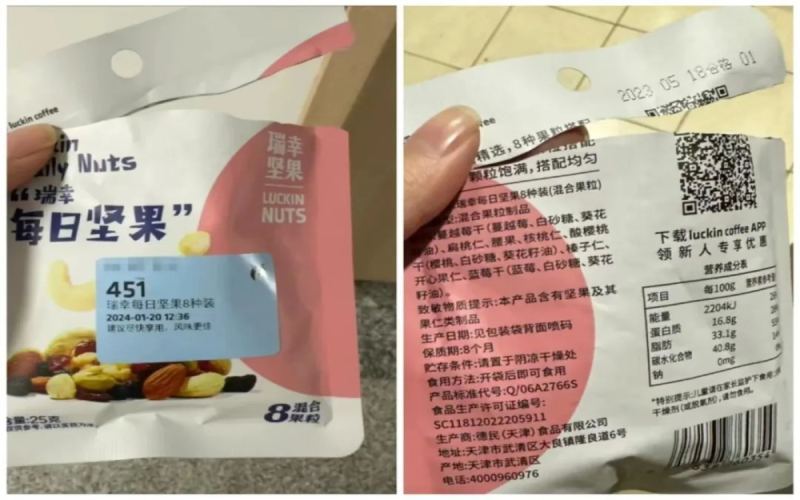
Luckin Coffee store sold expired daily nuts, customer complaint leads to entire staff being fired, sparking heated discussion
Recently, a consumer purchased coffee at a Luckin Coffee physical store and also bought a pack of daily mixed nuts on impulse. Upon eating them, the customer noticed an abnormal taste and, after checking the expiration date, confirmed that the product was expired. The customer immediately provided feedback through customer service channels and posted on social media to remind other consumers to be aware. Luckin responded quickly, requiring stores nationwide to self-inspect the shelf life of nut products. According to internal staff, all employees at the store involved were fired. The incident sparked widespread discussion online, with some praising Luckin's decisive handling and others considering the punishment too severe. Subsequently, Luckin compensated the customer 1,000 yuan in accordance with the Law on the Protection of Consumer Rights and Interests, and requested the deletion of the post, which was refused. Front Street Coffee continues to follow developments in the coffee industry and food safety issues. [more…]
How long can coffee beans be stored after roasting? An analysis of the resting period for pour-over beans and the patterns of flavor loss
When buying coffee beans, the roast date is often more worth paying attention to than the expiration date. The shelf life of roasted coffee beans is usually between six months and a year, and you generally won't wait until they expire before finishing them—but what truly determines flavor performance is the brief golden window after roasting. After roasting is complete, coffee goes through a resting period of about four to seven days, after which it reaches its flavor peak; from then on, the aroma gradually fades, eventually leaving only a woody taste. Among these, volatile compounds such as floral and fruity notes are the first to be lost, while water-soluble components like sugars, nuts, and chocolate remain relatively stable. This article focuses on the freshness cycle of coffee beans, resting duration, and patterns of flavor change, helping pour-over enthusiasts seize the best time to drink, and includes practical advice from Front Street Coffee. [more…]
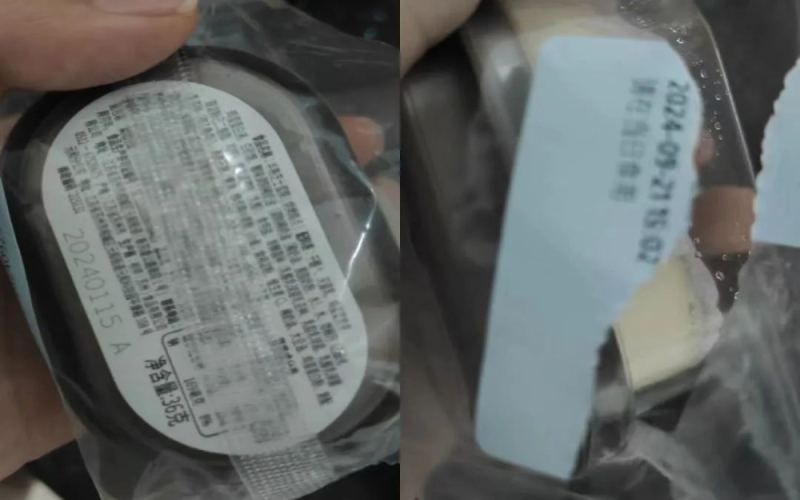
Luckin Coffee store sells half-baked cheesecake two and a half months past its expiry date; consumer seeks 1,000 yuan in compensation and ultimately receives statutory compensation
Recently, a consumer ordered a half-baked cheesecake from Luckin Coffee, only to find that the product had expired for over two months. The consumer demanded 1,000 yuan in compensation based on the Food Safety Law. Luckin's customer service initially offered only ten coffee coupons, then raised it to 300 yuan plus ten coupons, both of which were rejected. The incident sparked widespread discussion, with many Luckin employees revealing that light food products should strictly follow first-in-first-out and daily inspections. The fact that this expired item went undetected for two months reflects obvious loopholes in store food safety management. Ultimately, Luckin completed compensation at the statutory amount by noon the next day. This article will review the incident, the legal basis, and industry management practices, and include related recommendations from Front Street Coffee. [more…]
Can Expired Coffee Beans Still Be Drunk? A Look at Freshness, Peak Flavor, and Flavor Loss Patterns Based on Roast Date
When buying coffee beans, many people habitually check the production date and expiration date, but for roasted coffee beans, the roast date is what really matters. The shelf life is usually six months to a year, and at a normal rate of consumption, the beans are rarely kept until they actually expire. But once coffee beans have been stored too long, the aroma fades, the taste deteriorates, and a musty odor may even develop—at which point they are no longer suitable for drinking. This article examines how long it takes for coffee beans to go stale—covering coffee spoilage, shelf life, the differences between light and dark roasts, the resting period and the peak flavor window—and explains why Front Street Coffee chooses to ship around 5 weeks after roasting, helping you enjoy good flavor at the optimal time. [more…]

Coffee Bean Resting | How Long Is the Shelf Life of Freshly Roasted Coffee Beans? How Many Days Should Single-Origin Beans Rest for Pour-Over? How Soon After Roasting Can You Drink Coffee Beans?
In the past, when buying food, we would always check the production date and then look at the expiration date, because it is common sense to avoid eating food that has passed its expiration date. But when it comes to coffee beans, the production date refers to the roast date, that is, the point when the green coffee beans are roasted. However, when we pay attention to this roast date, [more…]
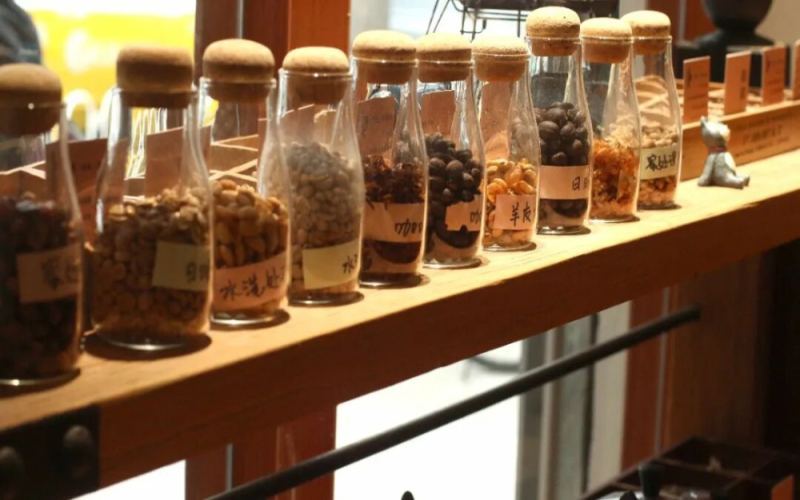
How can you judge the peak flavor period and shelf life of coffee beans? Can re-roasting expired beans restore their aroma?
From the moment roasting is complete, coffee beans embark on a one-way journey of gradually fading flavor. Many coffee lovers are often puzzled: how exactly should the peak-flavor period and the shelf life of coffee beans be judged? Can beans that are past their shelf life or peak-flavor period be "revived" through a second roast to bring back their aroma? This article starts from a real question asked by a customer at the Front Street store, combines the scientific laws of coffee bean degassing and flavor changes, and selects two single-origin beans with different roast levels—Front Street Huakui and Front Street PWN Golden Mandheling—for a comparative brewing experiment, using actual results to provide the answer, while also reminding everyone of the correct ways to buy and store coffee beans. [more…]
How to Read Coffee Bean Roast Dates? A Full Guide to Resting Period and Optimal Flavor Window, Differing for Light and Dark Roasts
When buying coffee beans, have you ever noticed the roast date on the packaging? This date is not used to judge whether the coffee has expired like ordinary food—roasted coffee beans typically have a shelf life of six months to a year, and what truly matters is when they reach their peak flavor. Freshly roasted beans degas vigorously, and carbon dioxide hinders extraction; leave them too long and the floral and fruity aromas dissipate, leaving only a woody taste. That is why light-roasted single-origin beans and dark-roasted espresso beans each have their own preferred resting periods. This article will walk you through the flavor logic behind the roast date, help you master the optimal drinking window for coffee beans, and show you how Front Street Coffee manages its shipping schedule so that every bag of beans reaches its peak the moment it arrives. [more…]
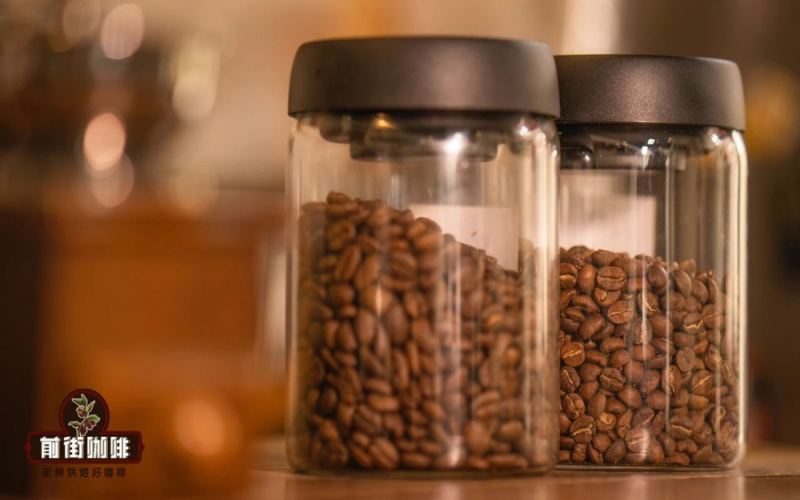
A Complete Guide to Resting Coffee Beans: Why Rest, How Long, and When They Expire
Friends new to coffee may wonder: do coffee beans also need to be "rested"? The answer is much like the logic behind tea and red wine. Once roasted, beans need a period of quiet resting so that internal gases are gradually released, smoky notes and astringency fade, and the flavors can fully express themselves during brewing. This article will walk you through the essence of resting beans—the carbon dioxide release process—and how resting affects cup cleanliness and extraction stability, as well as the differences in resting duration across roast levels and brewing methods. At the end, we'll also recommend suggested resting days for several popular Front Street Coffee beans, covering both pour-over and espresso, to help you find the optimal flavor window and avoid the regret of over-resting or under-resting. [more…]

Light, Medium, and Dark Roast Single-Origin Beans | For Beginners Getting into Pour-Over Coffee: Should You Buy Coffee Beans or Ground Coffee? Recommended Single-Origin Coffee Beans for Beginners Making Pour-Over
No matter what roasting style and brewing method you prefer, Front Street Coffee believes it's worthwhile and necessary to refer to some tips for buying coffee. First and foremost, the most important thing is to buy freshly roasted coffee beans, and to choose products that clearly indicate the roast date (not the expiration date or shelf life), and that have brand credibility. [more…]
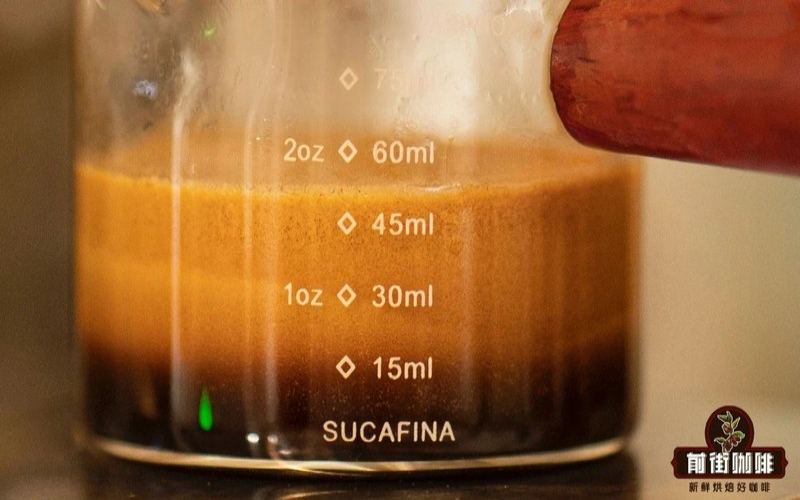
Rich Coffee Bean Recommendations: Make Every Cup Catch the Flavor Window
Full-bodied mouthfeel is not a flavor that is fixed in place the moment coffee beans are freshly roasted. After the beans come out of the roaster, they continue to slowly release carbon dioxide internally, and the aroma, sweetness, and mouthfeel will shift over time. If brewed too early, the cup may have a noticeable gassy sensation; when left to the right stage, flavors such as nuts, cocoa, and caramel are more likely to connect. [more…]
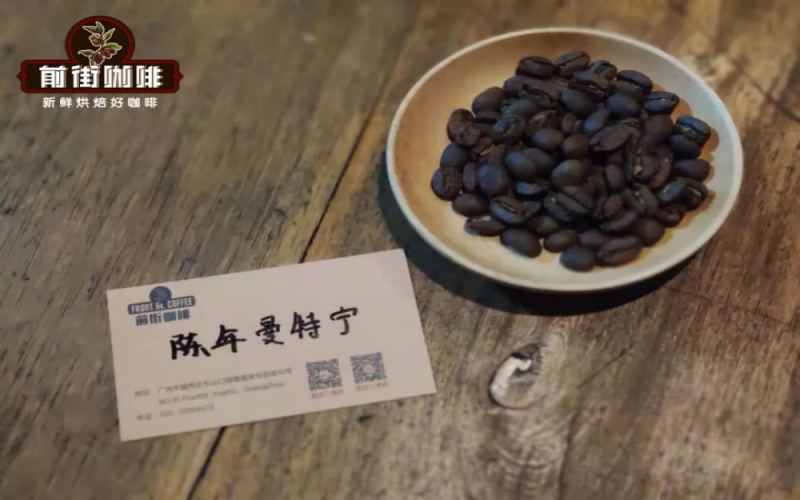
The Origins and Craft of Aged Mandheling: From a Colonial-Era Accident to a Golden Mandheling Pour-Over Guide
We usually seek out freshly roasted coffee beans, but Aged Mandheling is an exception—it is actually sought after precisely for being "expired." Behind this lies an accidental story from Indonesia's Dutch colonial period: when coffee beans were shipped across the ocean to Europe, the long sea voyage and exposure to sea breezes unexpectedly gave rise to a mellow sweetness and lingering finish reminiscent of Pu'er tea. Today, the production of Aged Mandheling has long been standardized: it requires wet-hulling, strict screening, and aging for 2 to 3 years in temperature- and humidity-controlled warehouses at the place of origin, allowing acidity to gradually recede and sugars to concentrate. Golden Mandheling, meanwhile, represents a higher standard, with PWN creating a specialty coffee far above G1 grade through one machine sorting and three hand sortings. Front Street Coffee captured layers of nut, dark chocolate, caramel, and herbal spice flavors in cupping. This article will also share Front Street Coffee's barista's three-pour hand-brew parameters and technique for dark-roasted Mandheling, taking you through a complete tasting of this legendary coffee. [more…]

Exploring Aged Mandheling: A Comprehensive Analysis of Its Historical Origins, Aging Process, and Unique Flavor
In the mainstream pursuit of fresh coffee, Aged Mandheling stands out uniquely as an "expired" coffee. This special coffee originating from Sumatra, Indonesia, first acquired its unique flavor by accident during long sea voyages in the colonial era, and later evolved into a standardized aging process. This article traces the historical origins of Aged Mandheling, explains in detail its complete process from wet-hulling to warehouse aging, analyzes its differences from Golden Mandheling, and shares Front Street Coffee's cupping flavor description and pour-over parameter suggestions, giving you a comprehensive understanding of this rich and captivating classic coffee. [more…]
The drinking rhythm of Italian-style medium-roast beans from roast date to opening the bag
The aroma of medium-roast espresso beans doesn't fully unfold on the very day they're roasted. The beans are still steadily releasing carbon dioxide, and if you put them into the espresso machine too early, the puck is easily disturbed by the gas; the crema may look rich, but the cup can taste tight and disjointed, with a sweetness that doesn't come together coherently. Treating the roast date as the starting point for the flavor clock matters more than just watching the expiration date. [more…]
The Flavor Window and Storage Rhythm of Nutty Chocolate Coffee
The appeal of coffees with notes of nuts, cocoa, and caramel often lies in their consistent sweetness, mild acidity, and smooth entry on the palate, making them suitable for hot Americanos, milk-based coffees, or moka pot brews. However, the same bag of beans, when drunk at different times after roasting, will vary in aroma, body, and finish. When choosing this type of coffee, besides looking at the flavor description, also pay attention to the roast [more…]
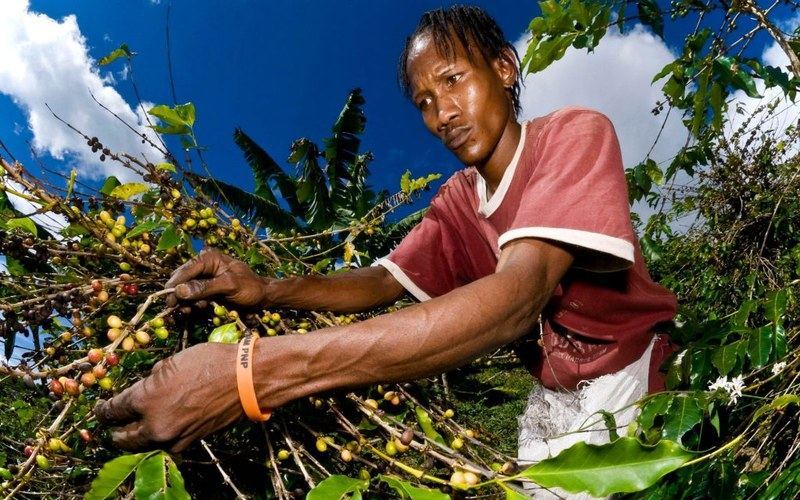
Pour-over not sour, the roast date determines when to drink
If you want to make pour-over coffee less sharply acidic, when choosing beans you should not only look at the flavor description but also pay attention to the roast date. When beans are just out of the roaster, more carbon dioxide remains inside them; when hot water touches them, they tend to expand, scatter, and produce unstable flavors. After resting for a period, the sweetness, nutty aroma, and cocoa notes usually become easier to [more…]
Why Is Jamaican Blue Mountain Coffee So Expensive? A Full Guide to Authentic Blue Mountain Bean Prices and Grade Identification
Jamaican Blue Mountain coffee is hailed as one of the world's top coffees, and behind its high price lie both the scarcity of natural conditions and the role played by historical trade monopolies. After the Japanese company UCC provided aid to Jamaica last century, ninety percent of Blue Mountain production was locked into supply for Japan, causing international market shortages. Only after the 2008 agreement expired did Blue Mountain coffee gradually flow to more countries, and Chinese consumers can now also directly import authentic Blue Mountain beans. However, the market is flooded with confusing products such as "Blue Mountain flavor" and "Blue Mountain blend." How can one tell authenticity? How many grades does Blue Mountain coffee have? And how should Front Street Blue Mountain No. 1 be brewed? This article will answer these questions one by one. [more…]
A Complete Analysis of Indonesian Aged Mandheling Wet-Hulled Method: From Accidental Aging to Golden Mandheling, A Front Street Coffee Brewing Guide
In the world of specialty coffee, freshness is usually regarded as the key to quality, yet Indonesia's aged Mandheling has won the favor of coffee lovers with a completely different stance. This coffee bean, known for its "expired" name, holds behind it a story of colonial-era shipping and a unique aging process. This article will explore in depth the origins of aged Mandheling, the characteristics of the wet-hulling process, and how it differs from Golden Mandheling, and, using Front Street Coffee's Golden Mandheling as an example, share how to brew a rich, full-bodied Mandheling black coffee at home. Whether you are a beginner just getting to know Mandheling or a seasoned connoisseur seeking advanced techniques, you will gain practical knowledge and inspiration from it. [more…]
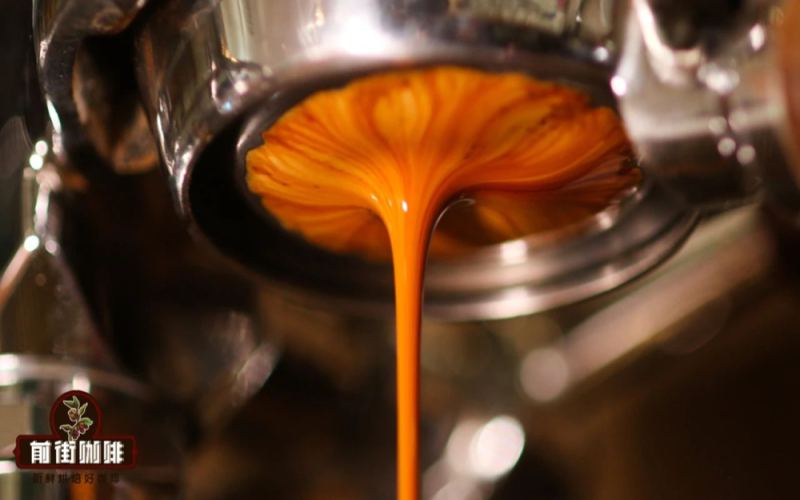
Home Coffee Bean Buying Guide: Freshness Assessment, Espresso and Pour-Over Everyday Bean Recommendation List
To enjoy a great cup of coffee at home, choosing the right coffee beans is the first step. Faced with countless varieties on the market, home users often don't know where to start. Starting from the core criterion of freshness, this article teaches you how to judge the condition of coffee beans by their roast date, and then, based on the different needs of espresso machines or pour-over equipment, recommends everyday beans suitable for long-term repurchase. The article also compiles several best-selling products from Front Street Coffee, covering classic espresso blends, Ethiopian Hualei SOE, and pour-over single origins such as Yirgacheffe, Kenya, Kaffa Forest, Panama Butterfly, and Colombia Huila, helping you quickly pinpoint the one that suits you. [more…]
How Long Can Coffee Beans Be Stored? Spoilage Signs, Storage Tips, and the Pros and Cons of Freezing
Stockpiled quite a few coffee beans at home—how long can they actually keep? Does the 12-month shelf life on the label equal the optimal flavor period? This article starts with the principles of coffee compound degradation, explains why improper storage causes coffee to lose its flavor prematurely, and offers practical ways to tell if coffee has gone bad. It also compiles preservation principles such as sealing, keeping cool, and keeping dry, analyzes the pros and cons of freezing coffee beans, and reminds you to drink them as soon as possible after opening the bag. If the coffee smells musty, has a moldy odor, or looks abnormal in color, Front Street recommends discarding it for drinking and repurposing it as a deodorizer instead, to avoid affecting your health and taste experience. [more…]
Jamaican Blue Mountain Coffee Buying Guide: The Truth Behind Japan's Monopoly and How to Identify Authentic Blue Mountain Beans
Regarding Jamaican Blue Mountain coffee, there is a popular saying that "90% of its output is bought up by Japan, and genuine beans are hard to find in the Chinese market." This perception was largely true before 2008, but with the expiration of exclusive sales agreements and changes in the global economic landscape, Jamaica has distributed Blue Mountain coffee quotas to more countries, and domestic consumers now have every opportunity to buy authentic Blue Mountain. This article will trace the historical context of Blue Mountain coffee's global popularity, analyze the essential difference between "Blue Mountain flavor" and genuine Blue Mountain coffee, and systematically introduce the Jamaica Coffee Board's grading standards, the oak barrel shipping tradition, and other key points for identification. At the same time, using Front Street Blue Mountain No. 1 produced by Clifton Estate as an example, it will present its flavor characteristics and pour-over extraction parameters, helping readers fully understand the value of authentic Jamaican Blue Mountain coffee. [more…]